Understanding Singapore's Burners & Combustion Regulatory Framework
As a plant manager in Singapore, managing burners and combustion systems means operating within one of Asia's most stringent regulatory environments. The Building and Construction Authority (BCA), Ministry of Manpower (MOM), and Enterprise Singapore all have jurisdiction over industrial combustion equipment. Non-compliance isn't just a operational risk—it can result in facility shutdowns, hefty fines, and worker safety incidents.
Singapore's regulatory framework for burners and combustion equipment draws from multiple standards: EN 746-2 for burner safety, EN 676 for safety controls, EN 1854 for pressure switches, and industry-specific requirements under the Singapore Standards SS 530 (Safety of machinery). The 3G Electric team has supported plant operations across Singapore for over 35 years, helping hundreds of facilities align their burner systems with these evolving requirements.
The key difference between understanding standards and achieving compliance is documentation and verification. Many plant managers treat compliance as a checkbox exercise, but regulators expect continuous monitoring, maintenance records, and proof of component authenticity. Your burner control system must demonstrate SIL (Safety Integrity Level) ratings that match your facility's risk classification—typically SIL 2 or SIL 3 for most industrial operations.
Critical Safety Components and Certification Requirements
Your burner's safety integrity depends on three critical components working in harmony: the burner control relay, pressure switches, and flame detection systems. Each must carry appropriate certifications and ratings for Singapore operations.
Burner Control Relays: The burner control relay serves as your system's safety brain. It manages ignition sequences, monitors flame presence, and executes safe shutdowns when anomalies occur. The Kromschroder Relay BCU 570WC1F1U0K1-E exemplifies the compliance standard required. It supports both direct ignition and intermittent/continuous pilot modes while maintaining EN 746-2 and EN 676 compliance. For plant managers, this means the relay can handle your facility's specific ignition strategy while maintaining certified safety status. The unit's dual-mode capability reduces the need for separate control systems, simplifying your compliance audit trail.
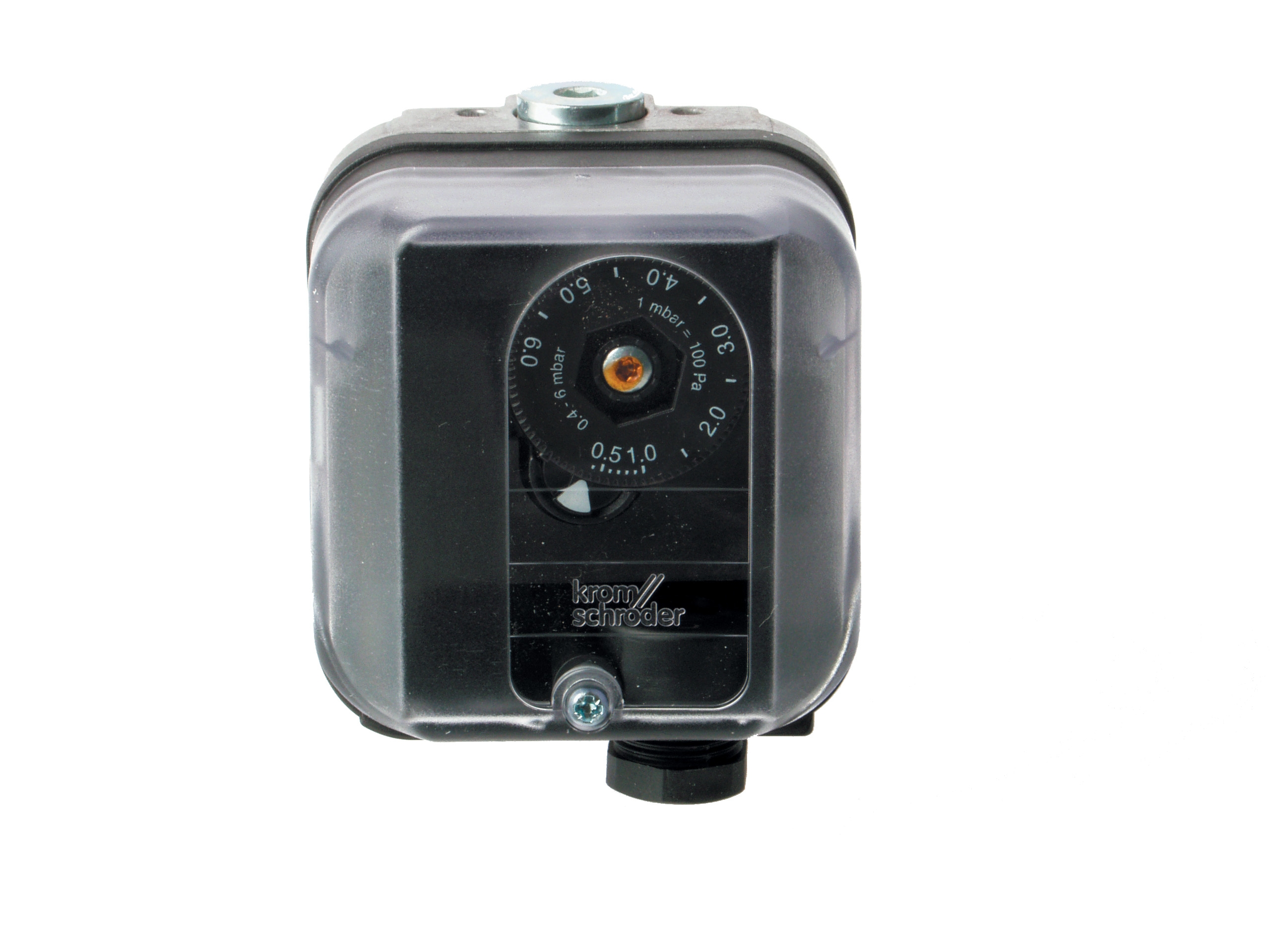
Pressure Switches for Burner Safety: Pressure monitoring is non-negotiable in combustion safety. The Kromschroder Pressure Switch DG 50U/6 carries SIL 3 rating and Performance Level e certification—the highest classification required in Singapore industrial operations. This switch manages fuel pressure verification, ensuring only properly pressurized fuel reaches your burner. Its multi-standard certification (EN 1854, FM, UL, AGA, GOST-TR) means documentation remains valid across regulatory audits and international compliance verifications.
Flame Detection and Safety Control Units: Medium to high-power burners require sophisticated flame monitoring. The Siemens Relay LFL 1.622 combines UV and ionization flame detection technologies, providing redundant safety verification. For plant managers, redundancy is critical—if one flame detection method fails, the second automatically takes over, preventing unsafe operation states. This unit's controlled air damper capability also supports your facility's emissions compliance requirements under Singapore's Environmental Protection and Management Act.
Practical Compliance Implementation Strategy
Compliance becomes manageable when you implement a structured approach. Start by conducting a complete system audit: document your existing burner models, control systems, pressure switches, and flame detection equipment. Cross-reference each component against current certification databases. Many older burners installed 10+ years ago may no longer carry valid certifications under updated standards.
Step 1: Component Inventory and Certification Verification
Create a detailed equipment register listing:
- Burner make, model, and installation date
- Current control relay and safety component SKUs
- Certification standards each component meets
- Last maintenance and inspection dates
- Any modifications or replacements since installation
This inventory becomes your compliance foundation. When MOM conducts a facility inspection, auditors will request exactly this documentation. 3G Electric's technical team can help verify whether your components meet current Singapore standards or require upgrading.
Step 2: Risk Classification and SIL Requirements
Singapore regulations require you to classify your burner systems by risk level:
- Low risk: Small burners under 100 kW, non-critical heating applications—typically SIL 1 acceptable
- Medium risk: Industrial heating 100-500 kW, critical process applications—requires SIL 2 minimum
- High risk: Large boilers over 500 kW, safety-critical operations—requires SIL 3 components
Your facility's classification determines which control components are acceptable. Using a SIL 1 component in a high-risk application is a regulatory violation, even if it technically functions. Conversely, over-specifying SIL 3 components for low-risk applications increases costs without safety benefit.
Step 3: Upgrading for Compliance
If your audit reveals non-compliant components, plan systematic upgrades. Don't attempt wholesale replacement simultaneously—that creates operational disruption and increases error risk. Prioritize:
1. Burner control relays first (highest impact on safety)
2. Pressure switches and monitoring equipment second
3. Flame detection systems third
4. Ancillary controls last
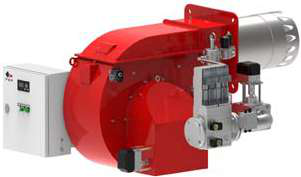
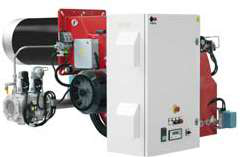
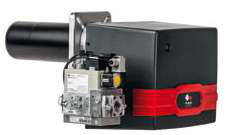
For facilities requiring high-power burners, the FBR GAS XP 60/2 CE TC EVO provides a modern, fully certified solution delivering 116-630 kW thermal power. For heavy oil applications, the FBR KN 1300/M TL EL offers dual-fuel capability with modulating control, supporting 1700-11500 Mcal/h output ranges. Both units arrive pre-certified and designed for straightforward integration into existing systems.
Maintenance Documentation and Audit Readiness
Compliance extends beyond equipment selection into ongoing operational management. Singapore's regulatory bodies expect detailed maintenance records demonstrating that safety systems receive regular testing and verification.
Mandatory Testing and Documentation
Implement a testing schedule that aligns with EN standards:
- Monthly: Manual flame detection verification (UV/ionization systems functional check)
- Quarterly: Pressure switch calibration verification
- Semi-annually: Full control relay functional testing including safe shutdown sequences
- Annually: Certified third-party inspection of complete burner system
Maintain records in a centralized system accessible during audits. Document not just what was tested, but who performed the test, what results were observed, and what corrective actions were taken. When a regulator reviews your facility, these records directly demonstrate your commitment to safety compliance.
Creating Your Compliance Audit Trail
Many plant managers underestimate how documentation supports your defense during regulatory scrutiny. Keep:
- Original equipment certificates and certification documentation
- Maintenance performed with dates and technician credentials
- Any component replacements with new certification documents
- Training records showing staff understand safety system operation
- Incident reports and corrective actions (even near-misses)
- Regular review minutes from safety committees
This documentation package transforms vague compliance intentions into concrete evidence of systematic safety management. When MOM inspectors visit, you're not defending your burner system—you're demonstrating a mature safety culture.
Working with Qualified Suppliers and Technical Support
Compliance success depends on partnering with suppliers who understand Singapore's specific regulatory requirements. 3G Electric has distributed industrial combustion equipment throughout Singapore for over 35 years, providing not just products but technical guidance aligned with local standards.
When selecting suppliers, verify they can provide:
- Complete certification documentation for every component
- Technical support staff familiar with Singapore regulations
- Training and commissioning assistance for upgraded systems
- Ongoing technical consultation for compliance questions
- Access to spare parts maintaining certification standards
Your supplier relationship becomes critical during compliance upgrades. A reputable distributor helps you understand which component changes are necessary versus optional, preventing unnecessary expenditure while ensuring genuine safety improvements.
Singapore's regulatory environment for burners and combustion equipment continues evolving. Recent amendments to workplace safety standards emphasize predictive maintenance and advanced monitoring. Modern control systems now offer remote diagnostics capabilities, allowing your equipment to communicate compliance status automatically. As plant managers adopt Industry 4.0 technologies, integration with IoT monitoring platforms becomes both a competitive advantage and a compliance tool—real-time equipment monitoring provides regulators with transparent evidence of systematic safety management.