Understanding Burners & Combustion Safety Architecture
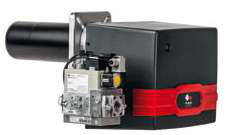
Burners & Combustion safety systems form the critical control backbone of any industrial heating application. Unlike simple on-off operation, modern combustion equipment requires layered safety controls that prevent dangerous conditions—unburned gas accumulation, flame loss, pressure surge, and ignition failure. As procurement engineers specifying equipment for manufacturing facilities, power plants, and process industries globally, understanding this safety architecture directly impacts operational reliability, insurance compliance, and personnel safety.
The fundamental principle is simple: a burner cannot operate safely without verified flame presence, confirmed fuel isolation capability, and automated shutdown upon fault detection. This requires coordinated interaction between flame detection relays, solenoid valve controls, interlocking logic, and manual overrides. Over 3G Electric's 35+ years as an experienced global industrial distributor, we've observed that procurement teams often overlook the architectural relationship between these components, leading to specification gaps and costly field retrofits.
Core Components: Flame Detection & Relay Logic
Flame Detection Relays
Flame detection forms the sensory input for burner safety systems. The flame relay continuously monitors flame presence using ultraviolet (UV) or infrared (IR) sensors, comparing signal strength against a minimum threshold. When flame is detected, the relay energizes safety circuits. When flame is lost—whether from fuel interruption, ignition failure, or combustion disruption—the relay de-energizes within milliseconds.
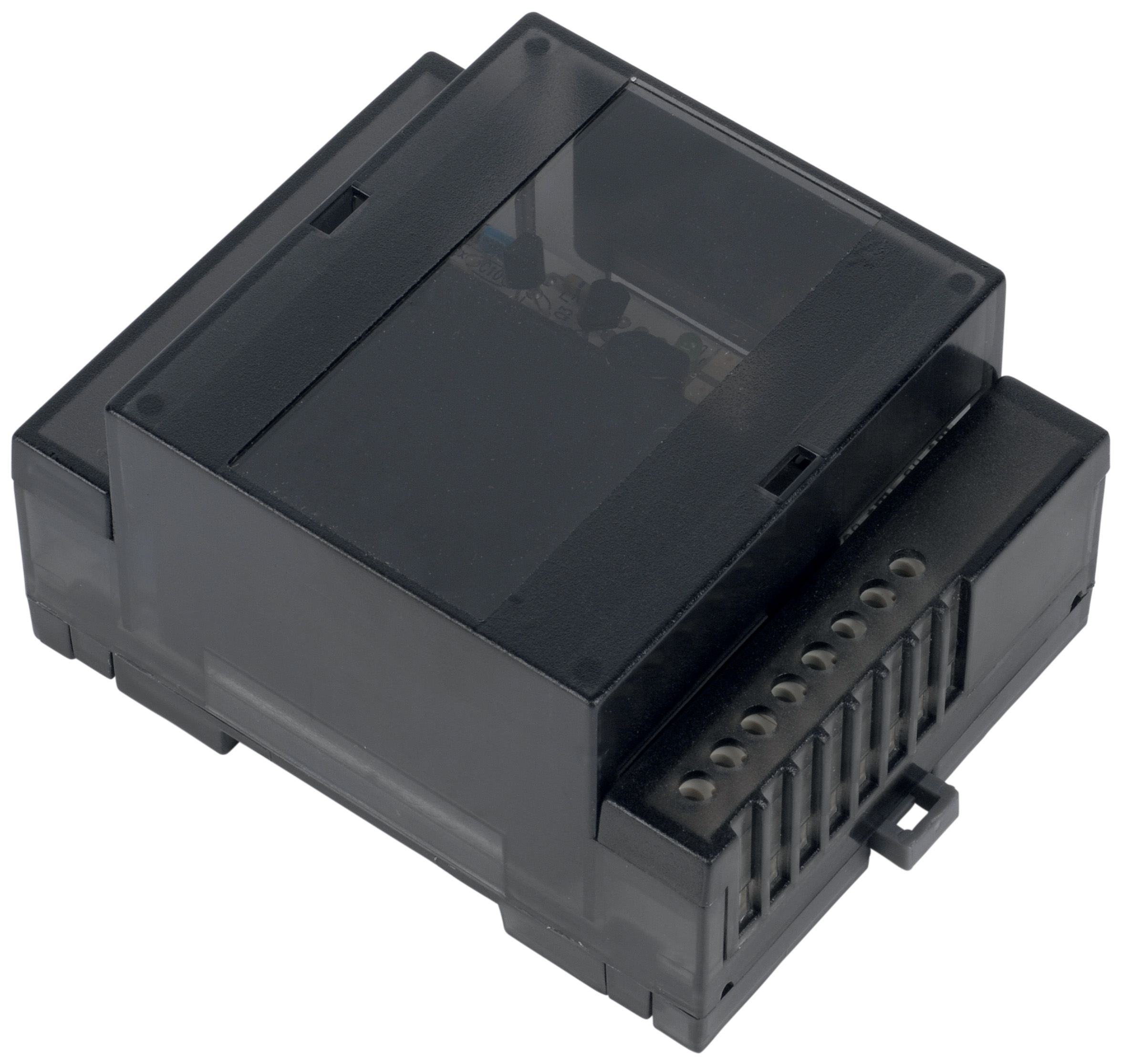
The CBM Flame Relay CF1 exemplifies industrial-grade flame detection. This relay monitors UV or IR flame signals and provides multiple switching outputs: one energized during flame presence (maintaining combustion control), another energized during flame loss (triggering shutdown sequences). The critical specification here is response time—typically 2-5 seconds maximum detection-to-shutdown interval. This lag prevents nuisance shutdowns from flame flicker while ensuring rapid response to genuine flame loss.
When selecting flame relays, procurement engineers must verify:
- Sensor compatibility: Does the relay interface with existing UV, IR, or dual-spectrum sensors?
- Response time: Does the 2-5 second window match your combustion system's dynamics?
- Output switching capacity: Can the relay outputs safely switch solenoid valve coils and motor contactor loads?
- Ambient suitability: Is the relay rated for furnace proximity temperature and humidity conditions?
Interlocking Relay Logic
Flame relays work in concert with interlocking relays that enforce operational sequences. The CBM Relay CM391.2 30.5 1.2 serves as a logic relay, combining multiple inputs (flame signal, pressure switch, temperature sensor, manual enable) and producing coordinated outputs that prevent unsafe states.
For example, a typical burner startup sequence requires:
1. Manual enable request via control switch
2. Fuel cutoff solenoid de-energizes (closing fuel supply)
3. Blower motor energizes (purging accumulated unburned gas)
4. Ignition system activates
5. After 4-second purge confirmation, ignition attempts flame establishment
6. Flame relay confirms presence within 10 seconds
7. If flame detected, transition to normal running state
8. If flame not detected within timeout, lockout (requiring manual reset)
This sequence cannot execute reliably with simple manual switches. Interlocking relays enforce each step and prevent transitions when preconditions aren't met. The CM391.2 relay logic module coordinates these conditions, rejecting fuel supply requests if the blower motor is offline, preventing ignition attempts if flame is already proven, and ensuring immediate shutdown upon flame loss.
Solenoid Valve Control & Fuel Isolation
Solenoid valves represent the final control element in burner safety—they interrupt fuel supply on command. The CBM VCS 1E25R/25R05NNWL3/PPPP/PPPP Double Solenoid Valve provides dual-solenoid architecture critical for safety-critical applications.
Why Dual Solenoid Design Matters
Industrial combustion systems often specify dual solenoid valves for several reasons:
- Redundancy: If one solenoid coil fails open (energized), the second solenoid can still close the valve, preventing uncontrolled fuel flow
- Pilot-operated efficiency: Large solenoid valves require significant pilot pressure to open. Dual solenoids allow one to manage pilot pressure while the other handles main valve closure
- Diagnostic capability: Both solenoids can be electrically tested during startup diagnostics to confirm healthy coil resistance and valve responsiveness
The VCS 1E25R model handles the electric switching logic while the mechanical valve body ensures positive shutoff. Procurement engineers must verify:
- Flow capacity: Does the valve's rated Cv (flow coefficient) match your burner's fuel consumption in gallons/hour or m³/hour?
- Pressure rating: Is the valve rated for your fuel supply pressure plus safety margin?
- Solenoid coil voltage: Does it match your control system standard (24VDC, 110VAC, 220VAC)?
- Response time: Is the valve opening/closing speed acceptable for your combustion dynamics (typically 50-200ms)?
Mounting & Base Assemblies
Relay mounting architecture often requires dedicated base units. The CBM Base LGK AGM17 provides standardized mounting for multiple relay types, offering:
- Standardized socket geometry: Allows quick relay substitution without rewiring
- Integrated terminal blocks: Simplifies field wiring and reduces connection failures
- Grouped power distribution: Centralizes 24V and 110V supplies to relay coils
Procurement teams frequently overlook base assembly specifications, treating relays as individual components. In reality, the base unit determines installation labor, future maintenance accessibility, and field troubleshooting speed. A standardized AGM17 base allows technicians to swap relays without specialized training, reducing downtime during component failure.
Ladder Logic & Safety Interlocking Sequences
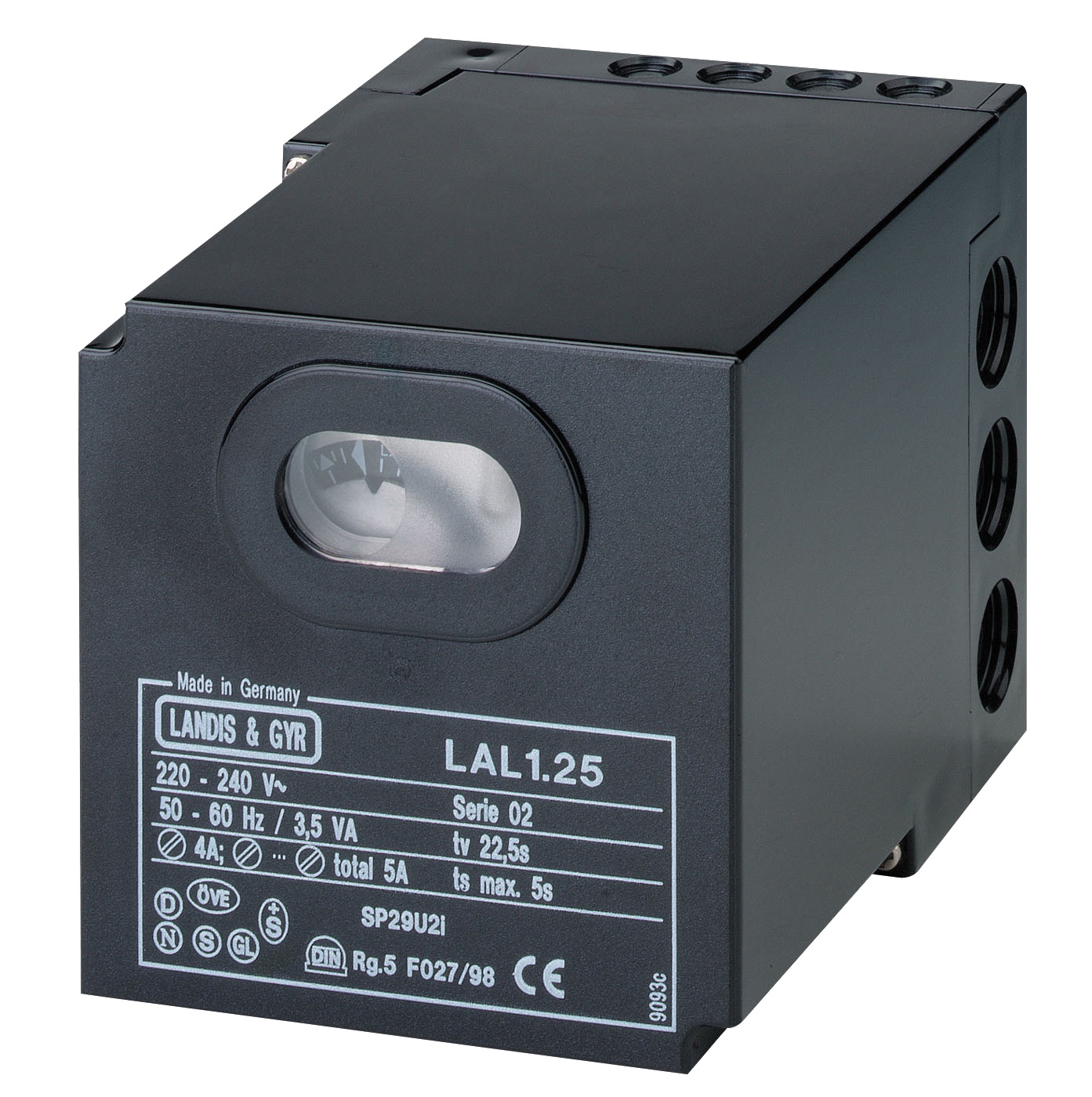
Modern burner control systems implement safety logic through relay logic circuits or programmable logic controllers (PLCs). The CBM Relay LAL 2.14 provides auxiliary switching capacity for implementing complex interlocking patterns.
Practical Interlocking Examples
Lockout-Tagout Compliance: The burner control system must prevent fuel supply energization if the maintenance panel's lockout switch is engaged. This requires a normally-closed contact in series with the solenoid valve coil—maintained only by explicit manual override confirmation.
Low-Pressure Cutout: If fuel supply pressure drops below system minimum (detected by a pressure switch), the solenoid valve must de-energize immediately, cutting fuel to the burner. The interlocking relay monitors pressure input continuously and overrides manual control requests during low-pressure conditions.
Flame Loss Shutdown: Upon flame relay de-energization (indicating flame loss), all other control outputs must immediately de-energize: solenoid valve closes, ignition system stops, and a "fault" indicator energizes. Manual restart requires explicit operator confirmation and passes through startup diagnostics again.
Blower Motor Proving: The burner cannot transition to ignition mode unless the blower motor proves operational (confirmed by motor current detection or mechanical interlock). This prevents ignition attempts when furnace purge is incomplete.
These sequences cannot be improvised with simple switching logic. They require coordinated relay architectures that systematically enforce preconditions and prevent dangerous state transitions.
Global Compliance Standards & Regional Variations
Procurement engineers specifying combustion equipment globally must navigate varying safety standards:
- ISO 13849-1 (Europe): Defines safety function categories (A-D) based on failure consequences. Burner control systems typically require Category 2 minimum (periodic diagnostic testing) or Category 3 (single-fault tolerance)
- NFPA (North America): Gas burner equipment must comply with NFPA 85 (Boiler and Combustion Systems Hazards Code), defining flame detection response times, fuel isolation requirements, and interlock logic
- Chinese GB Standards: Industrial boiler safety (GB 50041) and burner equipment (GB 7575) specify minimum shutdown response times and redundancy requirements
- Singapore IEC Compliance: Local equipment approval requires alignment with IEC 61010 (safety for electrical equipment) and local building code provisions
Component selection must account for these regional requirements. A flame relay acceptable in North America may require additional certification for European CE marking. Procurement teams should verify compliance documentation early in the specification process rather than discovering gaps during equipment delivery.
Practical Procurement Considerations
Specification Worksheet
When specifying burner control systems, document:
1. Fuel type and consumption rate: Gas (natural/propane), oil, or dual-fuel? Burner capacity in BTU/hour or kW?
2. Combustion chamber type: Forced draft, natural draft, or balanced draft? Furnace pressure range?
3. Local safety standard: Which compliance standard applies (ISO, NFPA, GB, IEC)?
4. Control strategy: On-off modulation or continuous proportional control?
5. Existing infrastructure: What control voltage standards does your facility use (24VDC, 110VAC, 220VAC)?
6. Maintenance accessibility: Is your maintenance staff trained on relay-based systems or PLCs?
7. Redundancy requirements: Does insurance or regulatory policy require fault-tolerant components?
Integration Challenges
One frequent issue in global procurement: component sourcing across different regional suppliers. A flame relay purchased from one supplier may use incompatible socket geometry or switching logic than interlocking relays from another supplier. 3G Electric's role as an distributor since 1990 involves pre-integration testing—verifying that solenoid valves, flame relays, interlocking modules, and base assemblies function as a coordinated system before shipment.
Procurement engineers should specify equipment through single distributors when possible, reducing integration risk. Alternatively, maintain detailed interface documentation (contact ratings, voltage specifications, timing parameters) when sourcing from multiple suppliers.
Conclusion
Burners & Combustion safety architecture represents a complex but essential knowledge domain for procurement engineers. Modern systems combine flame detection relays, solenoid valve controls, interlocking logic, and compliance standards into coordinated safety architecture. Component selection cannot treat these elements independently—the flame relay response time, solenoid valve switching speed, interlock logic sequencing, and base assembly mounting must align with your specific combustion application and regional safety standards.
By understanding the practical relationship between flame detection, fuel isolation, and interlocking logic, procurement engineers can specify robust systems that operate reliably across global industrial applications while maintaining compliance with local safety regulations.