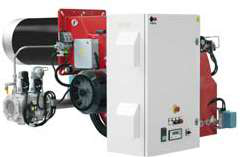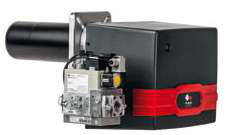
Understanding Burners & Combustion System Fundamentals
Burners & Combustion systems are the operational backbone of industrial heating processes across Singapore's manufacturing, chemical, and food processing sectors. With over 35 years of experience supplying industrial equipment, 3G Electric has worked with maintenance teams across the region who consistently face common combustion challenges—unreliable flame detection, erratic ignition sequences, and component failures that cascade through production schedules.
Unlike procurement-focused guides, this article addresses the reality your maintenance team encounters daily: how to quickly diagnose combustion problems, interpret control signals, and execute effective repairs without extended downtime. Understanding the interaction between burner hardware (fuel delivery, ignition, and flame monitoring) and control systems (relays, pressure switches, and safety interlocks) forms the foundation for effective troubleshooting.
Combustion fundamentals remain consistent whether your plant operates natural gas burners or heavy oil equipment. The three essential elements—fuel delivery, ignition energy, and air supply—must combine reliably. However, Singapore's tropical humidity, high ambient temperatures, and 24/7 operational demands create unique stresses on electrical components and sensor reliability that differ significantly from temperate-climate operations.
Diagnostic Procedures: Systematic Fault Identification
Pre-Shutdown Troubleshooting Checklist
Before powering down a burner system, gather essential diagnostic information while the equipment operates:
- Record the exact failure symptom: Does the burner fail to ignite, ignite then lose flame, cycle repeatedly, or operate with unstable flame? Each pattern points to specific component failures.
- Monitor control panel indicator lights: Note which safety or fault lights illuminate and in what sequence. Document whether lights appear before or after fuel valve actuation.
- Observe fuel pressure gauges: Steady pressure indicates consistent fuel delivery; fluctuating readings suggest pump cavitation, filter blockages, or regulator malfunctions.
- Listen for audible signals: Normal combustion produces consistent ignition clicks and stable flame roar; stuttering sounds, missing clicks, or premature shutdown sequences reveal timing or sensor issues.
- Feel for vibration changes: Abnormal vibration during ignition sequences often indicates nozzle spray pattern degradation or combustion chamber deposits affecting flame stability.
- Document ambient conditions: Note room temperature, humidity (critical in Singapore), recent weather changes, and whether failures correlate with time-of-day patterns.
This pre-shutdown data eliminates guesswork and accelerates post-repair verification.
Systematic Component Testing Protocol
Flame Detection Circuit Diagnosis
Flame failure accounts for approximately 40% of unscheduled burner shutdowns in tropical environments. Both UV and ionization flame detection technologies require environment-specific maintenance:
For UV flame sensors common in Singapore installations, test the optical path first. Remove the sensor carefully and inspect the window for carbon deposits, salt spray corrosion (near coastal plants), or moisture accumulation. Clean gently with isopropyl alcohol on a lint-free cloth—never use abrasive materials that scratch the optical surface. Replace the sensor and run a low-fire ignition sequence while measuring sensor output voltage with a digital multimeter on the DC voltage scale. Healthy UV sensors typically produce 0.5–2.0 VDC during flame; readings below 0.2V or above 3.0V indicate sensor degradation or optical fouling.
For ionization systems, the challenge differs: measure the ionization current directly from the control relay's monitoring terminal (typically 5–50 microamps during flame). Compare against manufacturer baseline values—most Siemens and Kromschroder control units specify minimum ionization thresholds. Inadequate ionization often results from poor electrode spacing, carbon bridging between electrodes, or contaminated combustion air. Clean electrodes using compressed air at moderate pressure; never use solvents that leave residue.
Pressure Switch Validation
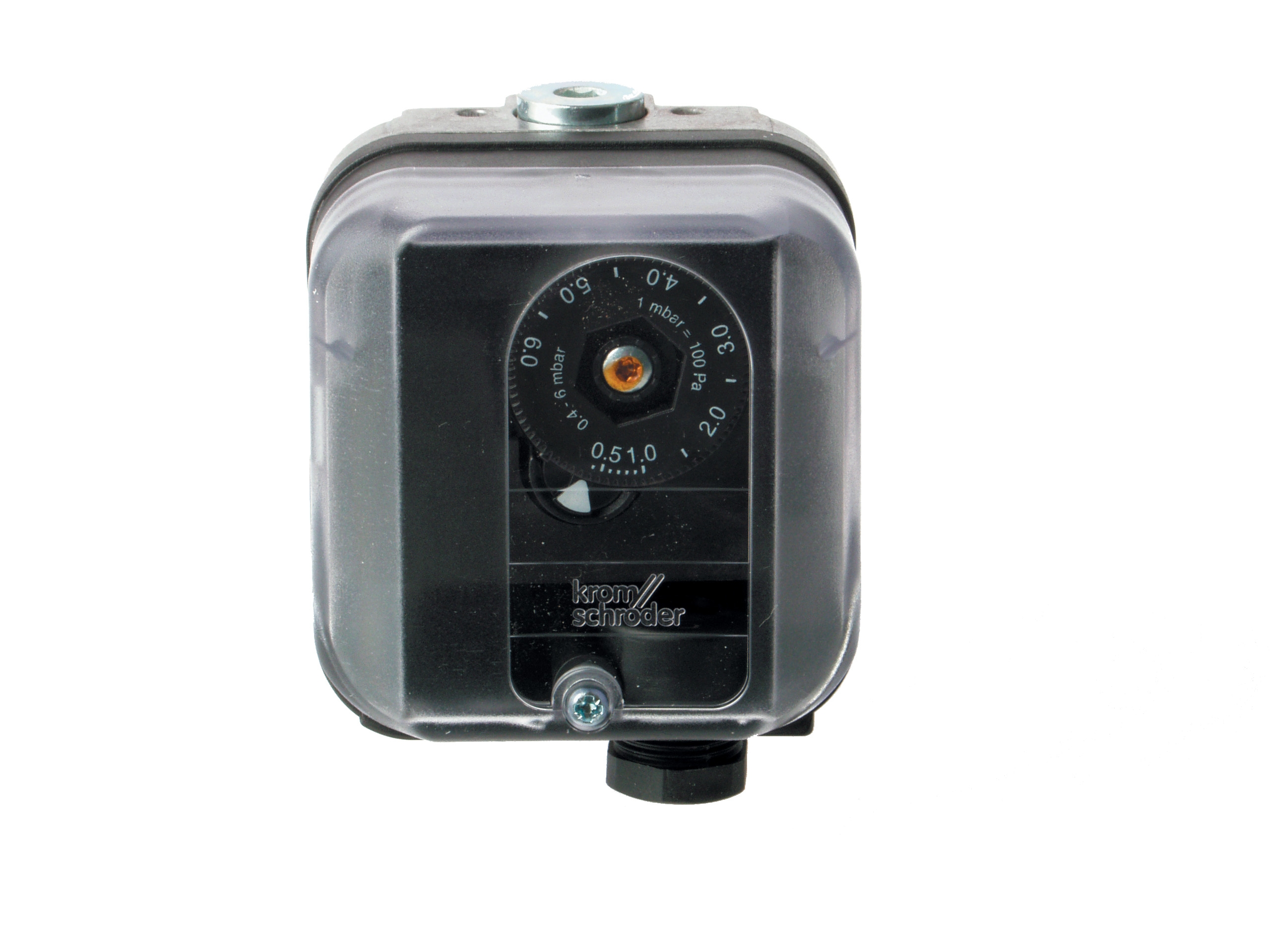
Pressure switches like the Kromschroder DG 50U/6 are critical safety interlocks that verify air supply and fuel pressure. Test procedure:
1. Isolate the switch from live circuits using the appropriate lockout/tagout procedure.
2. Disconnect the pressure tubing and apply known pressure using a hand pump or regulated shop air.
3. Use an ohmmeter across the switch terminals while gradually increasing pressure.
4. Document the exact pressure at which the switch changes state (contact "makes" or "breaks")—deviation from nameplate setpoints indicates internal spring fatigue or diaphragm leakage.
5. Record the pressure range where the switch operates reliably; if the operating window is narrower than ±5% of setpoint, replacement is required.
6. Test three complete cycle sequences to confirm repeatability; sticking contacts cause inconsistent switching.
Singapore's humidity requires extra attention: if a pressure switch has been stationary for extended periods, corrosion may occur inside the switch case. Tap gently on the switch body to dislodge any deposits, then re-test. If performance remains erratic, replacement is safer than attempting internal cleaning on safety-critical components.
Control Relay Sequence Verification
The burner control relay—such as the Kromschroder Relay BCU 570WC1F1U0K1-E or Siemens Relay LFL 1.622—executes the precise timing sequence that makes combustion reliable. Maintenance teams must understand this sequence to identify where timing breaks down:
1. Prepurge phase (typically 30–60 seconds): Air is forced through the combustion chamber before any ignition attempt. Verify air damper position moves to full open. If the damper sticks or opens insufficiently, the relay will timeout and abort ignition.
2. Ignition phase (2–5 seconds): High-voltage ignition transformer activates while fuel solenoid valve opens and main fuel pump starts. Measure voltage at the ignition transformer output with a high-voltage probe—manufacturers typically specify 8–10 kV AC. Low voltage indicates transformer failure or control relay output fault.
3. Flame establishment (3–10 seconds): The flame sensor must detect flame within this window. Use the control relay's built-in flame signal test point (if available) or connect an external flame signal monitor to verify sensor signal presence.
4. Main run phase: Once flame is confirmed, ignition transformer shuts off and the burner settles into steady operation. Fuel pressure should stabilize at setpoint; any oscillation indicates fuel control valve instability.
5. Shutdown sequence: When the combustion control signal is removed, fuel solenoid closes and fan continues until residual heat clears. Verify fuel valve responds immediately (within 0.5 seconds) by listening for the solenoid click.
For each phase, a maintenance technician should have a checklist documenting expected behavior. When a burner fails, isolate which phase fails and that immediately identifies the faulty component.
Component Replacement & Verification Procedures
Practical Replacement Workflow
When diagnostics confirm component failure, follow this structured replacement approach:
Before Removal:
- Photograph all electrical connections with a smartphone, including wire colors and terminal positions.
- Label wires using masking tape if documentation is unclear.
- Verify the plant has ordered the correct replacement part; use the existing component's nameplate specifications or part number to confirm compatibility.
- Ensure replacement components meet Singapore's industrial equipment standards; verify certifications like EN 746-2 (safety control), EN 1854 (pressure switches), and any FM or UL marks required by your facility's insurance.
- Work methodically; rushing leads to crossed wires or missing fasteners that create new faults.
- For fuel system components (nozzles, fuel pumps, pressure regulators), drain residual fuel into a proper waste container and purge lines with compressed air to prevent spillage on electrical components.
- When disconnecting burner control relays or flame sensors, note the connector type and ensure replacement components use the same connector—mismatches require rewiring that introduces error.
- Install new components using hand tools primarily; only use power tools for mounting bolts where corrosion is severe, to avoid cross-threading.
- For electrical connections, use crimp terminals rated for industrial environments—soldered connections are prone to thermal cycling failures in heating equipment.
- Apply dielectric grease to connectors in humid environments to prevent corrosion ingress.
- Before full system startup, run a "cold ignition test" with fuel and main power disabled—verify the air damper moves, fuel valve solenoids click, and ignition transformer produces spark. This confirms wiring integrity without risk of unplanned combustion.
- Once cold tests pass, enable fuel and execute a controlled startup with a supervisor present. Monitor all three combustion phases as described above.
High-Failure Component Monitoring
In Singapore's industrial plants, certain components consistently wear faster due to environmental factors:
Nozzles and Spray Systems: Gas nozzles carbon-clog within 2000–3000 operating hours under typical Singapore industrial conditions; oil burner nozzles fail even faster if fuel contamination is present. Inspect during every scheduled maintenance window. Look for blackened spray tip surfaces (carbon buildup) or asymmetric spray patterns when viewed from the front—either indicates replacement is overdue.
Ignition Electrodes: Ceramic insulators on high-voltage electrodes crack due to thermal cycling and humidity. Even hairline cracks invite arcing to ground. Replace electrodes as a set (never one electrode alone) and ensure the correct air gap (typically 3–4 mm for natural gas, 6–8 mm for oil) using a feeler gauge during installation.
Fuel Solenoid Valves: Coil burnout is common when solenoids operate in high-ambient-temperature environments (Singapore's equipment rooms often exceed 50°C). Purchase solenoid coils rated for "class F" insulation (155°C continuous) rather than standard "class A" (105°C) to extend service life. Test solenoid coil resistance with an ohmmeter before installation; compare to manufacturer baseline values. Resistance typically falls between 5–50 ohms depending on voltage class—significantly higher readings indicate coil degradation.
Combustion Air Damper Actuators: Linkages and damper plates accumulate combustion ash and soot, causing stiction (stick-slip friction) that prevents smooth modulation. Clean damper internals annually using soft brass brushes and light petroleum solvent; wipe dry with compressed air before reassembly.
Real-World Troubleshooting Scenarios for Singapore Maintenance Teams
Scenario 1: Intermittent Flame Loss During High-Humidity Monsoon Season
Symptoms: Burner operates normally for 20–30 minutes, then flame detector triggers shutdown. System restarts after 30-second safety purge, repeats pattern.
Root Cause Analysis:
This pattern is classic for UV flame sensor optical fouling in tropical humidity. Moisture condenses on the sensor window during cooler night hours; when the burner fires, residual water droplets scatter UV light and reduce sensor signal below the flame-detection threshold.
Diagnostic Steps:
1. Measure UV sensor output voltage during both normal operation and just before shutdown.
2. If voltage drops dramatically (from 1.5V to below 0.3V) over 20 minutes, optical fouling is confirmed.
3. Inspect the sensor window visually—you may see moisture beading.
Corrective Action:
- Install a small dryer tube or desiccant cartridge in the flame sensor wiring conduit to exclude humid air from the sensor electronics.
- Clean the sensor window and protective shroud using isopropyl alcohol.
- Verify sensor mounting angle—aim the sensor at an area of the flame away from direct fuel spray, reducing water droplet exposure.
- Consider upgrading to an ionization flame sensor if UV sensor performance remains marginal after environmental mitigation; ionization sensors are less sensitive to optical fouling.
Scenario 2: Burner Won't Ignite; Fuel Pump Runs, Solenoid Clicks, No Spark
Symptoms: Air damper opens, fuel pump energizes (audible pump hum), fuel solenoid clicks, but ignition transformer produces no spark. Burner control relay times out and shuts down after 5 seconds.
Root Cause Analysis:
Fuel is attempting to flow, but no ignition energy is present. The fault lies in the ignition circuit, not fuel delivery.
Diagnostic Steps:
1. Measure AC voltage at the ignition transformer primary coil (control relay output). Expected: ~120V AC (or local mains voltage). If zero, relay ignition output is faulty.
2. If primary voltage is present, measure secondary output with a high-voltage probe (tool cost: ~SGD 200, essential for serious burner maintenance). Expected: 8–10 kV AC. If secondary voltage is absent, transformer has failed internally (burned coil or open secondary winding).
3. If secondary voltage is present but no spark at the electrodes, measure electrode gap with a feeler gauge. If gap exceeds 10 mm, electrodes are spaced too far apart and breakdown voltage cannot bridge the gap.
4. Inspect the high-voltage cable from transformer to electrodes for cracks, burns, or missing insulation—salt spray corrosion near coastal Singapore plants often damages high-voltage cabling.
Corrective Action:
- If ignition transformer output voltage is zero, the control relay ignition circuit has failed. The relay must be replaced—repair is not practical or safe.
- If high-voltage cable is damaged, replace the entire cable assembly (do not attempt patch repairs on ignition circuits).
- If electrode gap is excessive, adjust electrodes to the correct spacing using the manual that came with your burner—typical procedure involves loosening bracket fasteners, sliding the electrode holder, and re-tightening. Use a feeler gauge to verify final spacing.
- If electrode insulation is cracked, replace the electrode set.
Scenario 3: Burner Cycles On/Off Continuously; Fuel Pressure Stable, Flame Detected
Symptoms: Burner ignites cleanly, flame is established, but after 2–5 seconds of stable operation the control relay shuts down. The system purges and attempts ignition again; the cycle repeats indefinitely.
Root Cause Analysis:
The control relay detects a false flame loss signal during the main run phase. Since flame is visually present, the flame sensor signal is either intermittent (connection issue or sensor degradation) or the control relay's flame signal circuit has noise/interference issues.
Diagnostic Steps:
1. Observe whether the cycle timing is consistent (repeats at the same interval) or irregular. Consistent cycling suggests a sensor signal dropout at a specific point in operation; irregular cycling suggests intermittent electrical noise.
2. For ionization sensors, measure ionization current during operation using the control relay's test points. Current should be steady at 10–30 microamps. If current dips periodically, electrode contamination or combustion chamber design issues are reducing ionization effectiveness.
3. For UV sensors, observe the flame color during operation. If the flame is very yellow or orange (indicating incomplete combustion), UV sensor signal may be weak because UV radiation is suppressed. This is not a sensor failure but a burner tuning issue.
4. Inspect all electrical connections between the flame sensor and control relay. Corroded connectors or loose terminals allow moisture to create intermittent contact.
5. Measure the continuity of the flame signal wire (typically a twisted pair, shielded cable) end-to-end. If resistance exceeds a few ohms, internal wire damage or connector corrosion is present.
Corrective Action:
- If ionization current is low, clean electrode surfaces and verify combustion air flow is sufficient (check that air damper opens fully during operation).
- If flame sensor connections are loose or corroded, disconnect, clean connector terminals with a pencil eraser or fine sandpaper, and reconnect with firm pressure. Apply dielectric grease to prevent recontamination.
- If the flame signal wire has high resistance, replace the signal cable. Use industrial-grade shielded twisted-pair cable; consumer-grade Ethernet cable is not suitable for ignition circuits.
- If cycling continues after these corrections, the control relay input circuit may have failed (internal noise sensitivity). Replace the control relay.
Maintenance Planning & Documentation Best Practices
Building a Component Failure History
MaintenanceTeams that track component failure patterns dramatically improve their troubleshooting speed. Create a simple spreadsheet for each burner system documenting:
- Component identity: Burner model, manufacturer, serial number, and installation date.
- Failure log: Date of failure, symptoms observed, root cause identified, replacement part ordered and installed, verification test results.
- Failure interval: Calendar time and operating hours between replacement and next failure.
- Environmental factors: Ambient temperature, humidity, fuel quality issues, or operational changes that coincided with failure.
After 12 months of data on a burner system, patterns emerge. If a specific pressure switch model consistently fails within 18 months while other sensors last 3+ years, specify a more robust alternative in future procurement. If failures cluster around monsoon season, implement enhanced environmental protection (covers, desiccant tubes, increased inspection frequency) before the next monsoon.
Sharing this data with 3G Electric's technical team when ordering replacement components helps identify whether failures are site-specific (installation environment issues) or equipment-wide (design concerns).
Preventive Maintenance Intervals Specific to Singapore Operations
- Weekly: Visual inspection for fuel leaks, abnormal combustion noise, and control panel indicator light status.
- Monthly: Test burner startup sequence with cold ignition test; measure and record fuel and air pressures; inspect nozzle spray pattern visually.
- Quarterly: Clean flame sensor windows; test ignition transformer secondary voltage; inspect all electrical connectors for corrosion; measure fuel system differential pressure across filters (replace filters if pressure drop exceeds 0.5 bar).
- Semi-annually: Full flame detection circuit testing (voltage and current measurements); pressure switch setpoint verification; damper actuator mechanical operation check; combustion air inlet filter replacement.
- Annually: Inspect high-voltage ignition cabling for cracks or damage; clean combustion chamber and fuel nozzles (oil burners especially); review failure logs and adjust preventive maintenance procedures based on patterns.
- Every 2,000 operating hours (in addition to above): Replace fuel system main filters; replace nozzles (gas and oil systems); deep-clean combustion electrodes.
These intervals account for Singapore's tropical humidity and 24/7 operational cycles; temperate regions may extend intervals 20–30%.
Conclusion: Building Sustainable Burner Reliability
Burners & Combustion system reliability is fundamentally a maintenance team responsibility. While engineers specify equipment and procurement sources components, your technicians determine whether systems operate safely and efficiently. The systematic diagnostics, preventive procedures, and troubleshooting frameworks outlined in this guide reflect the real-world experience of hundreds of Singapore industrial maintenance teams.
3G Electric's 35+ years supplying burner components and safety systems across the region has reinforced one consistent truth: maintenance teams armed with practical diagnostic knowledge and standardized procedures experience 60–70% fewer unplanned shutdowns compared to teams that troubleshoot reactively.
Invest in training your team on the diagnostic protocols described here. Maintain detailed component history records. Establish seasonal maintenance calendars that account for Singapore's environmental challenges. Stock critical spare components like flame sensors, ignition electrodes, and pressure switches to minimize downtime when failures occur.
When you encounter a burner or combustion system question, connect with 3G Electric. Whether you need specific pressure switches, control relays, flame detection systems, or complete industrial gas burners and heavy oil burners, our technical team understands the maintenance realities of your facility and can specify components that withstand Singapore's operational demands.