Understanding Burners & Combustion System Fundamentals
Burners and combustion equipment form the operational heart of industrial heating systems, requiring consistent attention to maintain efficiency and safety. Whether managing gas burners, dual-fuel systems, or complex modulating burners, your maintenance team must understand how these components interact to deliver reliable performance.
At 3G Electric, we've supported industrial maintenance operations for over 35 years, helping teams across multiple continents develop effective burner management strategies. Combustion systems operate under extreme conditions—high pressures, elevated temperatures, and precise fuel-air ratios—making preventive maintenance not just beneficial but essential for operational continuity.
The core components of any burner system include the burner itself, fuel supply controls, ignition systems, flame detection equipment, and safety interlocks. Each component plays a critical role in system reliability. When maintenance teams understand how these parts work together, they can identify potential issues before they impact production.
Daily and Weekly Inspection Routines for Optimal Performance
Establishing consistent inspection routines prevents the majority of burner-related failures. Your maintenance team should implement daily visual checks and weekly detailed inspections as standard practice.
Daily Visual Checks
- Flame appearance: Observe burner flame color and stability. Blue flames indicate proper combustion; yellow or orange flames suggest incomplete burning or excess fuel. Record any changes from baseline conditions.
- Noise level: Unusual combustion noise—clicking, roaring, or popping—signals potential problems with fuel pressure, air supply, or ignition timing.
- Fuel pressure gauges: Monitor pressure readings against your system's operating specifications. Pressure fluctuations indicate regulator issues or fuel supply problems.
- Safety light indicators: Check that all status lights function properly and display expected operational status.
- Equipment vibration: Excessive vibration suggests imbalanced burner fans, worn bearings, or mounting issues requiring immediate attention.
Weekly Detailed Inspections
During weekly inspections, your team should conduct more thorough assessments:
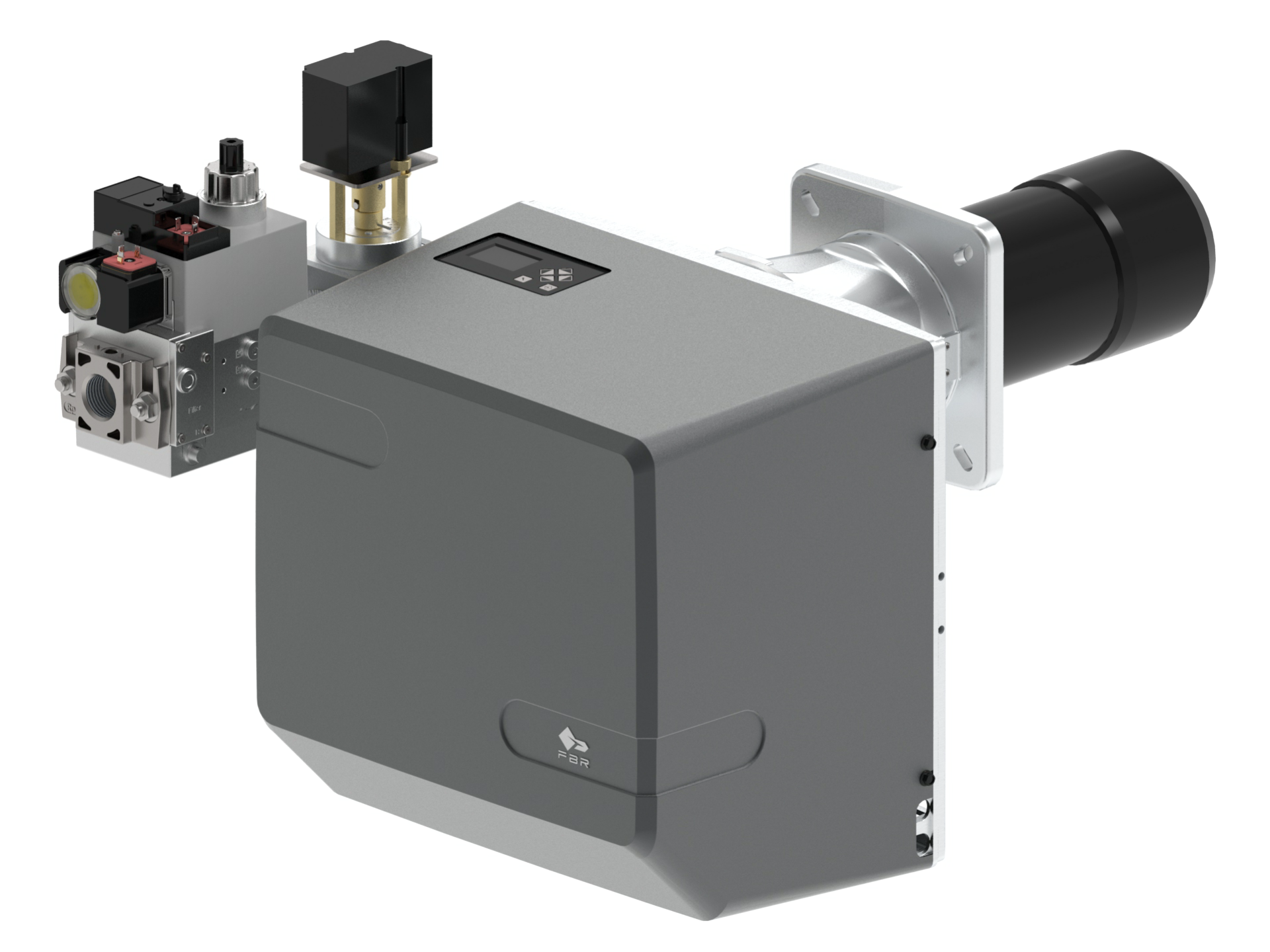
Burner body examination: Clean the burner exterior with appropriate solvents to remove dust and fuel residue. Check the die-cast aluminum body (as found in models like the FBR BURNER GAS X5/MF TL EL VC LPG) for visible cracks or corrosion. Small cracks may develop into larger problems if left unaddressed.
Fuel supply lines: Inspect all connections for leaks using appropriate detection methods. Check hoses for signs of deterioration, brittleness, or compression damage. Ensure all shut-off valves operate smoothly without sticking.
Air intake filters: Clean or replace air intake filters weekly in dusty environments, biweekly in moderate conditions. Restricted air flow reduces combustion efficiency and increases fuel consumption by 5-15%.
Control component verification: Test the double solenoid valve CBM VCS 1E25R/25R05NNWL3/PPPP/PPPP by cycling the burner on and off. Listen for distinct click sounds indicating proper solenoid engagement. Any hesitation or weak clicking suggests valve maintenance is needed.
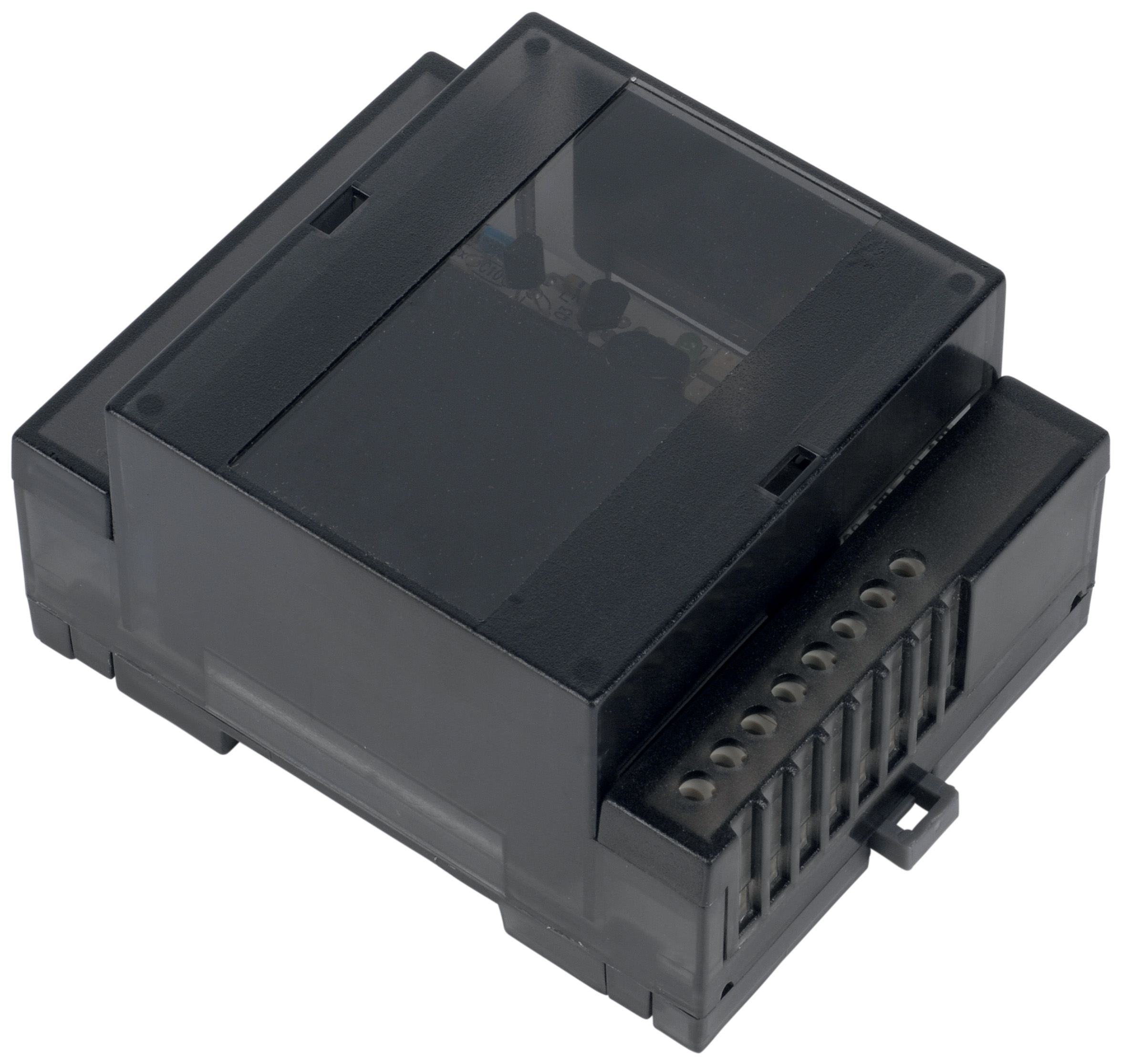
Flame detection testing: Verify flame relay CBM Flame relay CF1 operation by observing how quickly the burner shuts down when you block the flame during operation (do this safely with proper supervision). Delayed response indicates sensor contamination or alignment issues.
Preventive Maintenance Procedures and Component Care
Preventing failures costs significantly less than emergency repairs. Implement these preventive maintenance procedures on your scheduled maintenance calendar.
Monthly Combustion Analysis
Monthly combustion testing provides data-driven insights into system performance. Using appropriate combustion analysis equipment, measure:
- Oxygen levels: Proper readings typically range 2-4% for natural gas burners. Higher oxygen indicates excess air; lower levels suggest incomplete combustion.
- Carbon dioxide (CO₂): High-efficiency burners produce 8-12% CO₂. Declining CO₂ levels indicate efficiency loss.
- Carbon monoxide (CO): This dangerous gas should measure below 100 ppm. Higher readings require immediate investigation.
- Flue gas temperature: Document baseline temperatures and track trends. Increasing temperatures indicate fouling or system degradation.
This data helps your team optimize modulating burners equipped with optional modulation kits and probe systems, ensuring they operate at peak efficiency across all load ranges.
Quarterly Component Maintenance
Relay and control base inspection: Examine the CBM Relay CM391.2 30.5 1.2 and CBM Base LGK AGM17 for physical damage, loose terminals, or corrosion on electrical connections. These components drive critical safety functions and demand careful attention.
Fan bearing lubrication: If your burner system uses oil-lubricated bearings, check oil levels and top up as needed with the manufacturer-specified oil grade. Some bearing types are sealed and require no maintenance—verify your specific burner model.
Ignition system verification: Test spark plugs or hot surface igniters by observing ignition performance. Weak or delayed ignition suggests electrode degradation or carbon buildup requiring cleaning or replacement.
Nozzle and fuel injection inspection: Remove and inspect fuel nozzles for internal deposits or physical damage. Clean nozzles using appropriate solvents—never use sharp objects that could scratch precision fuel passages. Damaged nozzles must be replaced, never repaired.
Annual Deep Maintenance
Once yearly, perform comprehensive system disassembly and inspection:
- Complete burner disassembly: Remove the burner from the combustion chamber following proper safety procedures. Inspect internal passages for deposits, corrosion, or damage.
- Combustion chamber cleaning: Use appropriate methods to remove soot and unburned fuel residue from chamber walls and surfaces. This improves heat transfer and combustion efficiency.
- Control system overhaul: Have qualified technicians inspect all electrical controls, verify relay function, test safety interlocks, and confirm proper sequencing through full start/stop cycles.
- Replacement of wear items: Install new gaskets, seals, and any components showing wear even if not yet failed. This prevents unexpected failures during the subsequent year.
Troubleshooting Common Burner Issues and Safety Protocols
When problems occur, systematic troubleshooting prevents unnecessary component replacement and identifies root causes.
Burner Won't Ignite
Likely causes and solutions:
- No fuel supply: Verify shut-off valves are open; check fuel pressure against specifications. A weak or absent reading indicates regulator failure or supply blockage.
- Ignition system failure: Test spark plugs for visible damage or carbon bridging. Verify electrode gaps match specifications. If using hot surface igniters, measure resistance with a multimeter.
- Safety interlock activation: Confirm all safety switches (door switches, low water level switches) are properly positioned. A single engaged interlock prevents ignition.
- Control board malfunction: If other components test properly, the control board may be faulty. Document any error codes or LED patterns before contacting technical support.
Burner Shuts Down During Operation (Flame Loss)
Investigation steps:
- Flame detection: The flame relay senses proper combustion. If flame sensors become contaminated by soot or dust, they lose sensitivity. Clean the sensor lens carefully with appropriate solvents.
- Fuel pressure instability: Fluctuating pressure causes flame characteristics to change. Check fuel regulator response and inspect for leaking connections.
- Air supply restrictions: Blocked filters or obstructed air intakes reduce oxygen availability, causing flame loss. Clear any restrictions immediately.
- Loose electrical connections: Vibration can loosen connector pins on the flame relay or control board, causing intermittent operation. Inspect all connections and reseat as needed.
Poor Combustion Efficiency (Higher Fuel Consumption)
Diagnostic approach:
- Conduct combustion analysis to measure oxygen, CO₂, and CO levels. Results guide adjustment direction.
- Check fuel nozzle condition: Worn nozzles don't atomize fuel properly. Replace if spray pattern appears wrong.
- Verify air damper position: Dampers control air-fuel ratio. Incorrect positioning reduces efficiency. Adjust according to combustion analysis results.
- Inspect combustion chamber: Excessive soot buildup reflects heat back into the system, reducing efficiency. Perform cleaning if interior surfaces show heavy deposits.
Safety System Failures
If any safety component fails, shut down the burner immediately and prevent operation until repairs are complete.
- Flame relay CBM Flame relay CF1 not responding: Test manually by blocking the flame—burner should stop within 1-2 seconds. Delayed response indicates relay failure requiring replacement.
- Solenoid valve CBM VCS 1E25R/25R05NNWL3/PPPP/PPPP stuck or slow: Listen for distinct click when de-energized. No click or slow response means valve replacement.
- Control relay CBM Relay CM391.2 30.5 1.2 malfunction: These safety-critical components should be replaced if testing reveals improper operation.
Documentation and Record-Keeping
Maintain detailed logs for every inspection and maintenance action:
- Date and time of inspection
- Components checked and their condition
- Measurements taken (pressure, temperature, combustion analysis results)
- Any adjustments or repairs performed
- Parts replaced with part numbers and serial numbers
- Technician name who performed the work
These records identify trends, provide evidence of preventive maintenance compliance, and support insurance documentation if incidents occur.
Optimizing Your Burner Maintenance Program
Effective burner maintenance adapts to your specific operational context. Environmental conditions, fuel type, burner age, and usage patterns all influence maintenance frequency and focus areas.
For harsh environments (high humidity, corrosive atmospheres, dusty conditions): Increase cleaning frequency to every 5-7 days. Install additional air filtration. Schedule quarterly deep inspections.
For modulating burners (like the FBR BURNER GAS X5/MF TL EL VC LPG with optional modulation kits): Verify modulation probe function during each inspection. These systems require precise sensor calibration for optimal efficiency across varying loads.
For 24/7 operations: Implement split maintenance schedules where some equipment is serviced while others operate. This maintains production continuity while ensuring comprehensive maintenance.
Training investment: Your maintenance team's knowledge directly impacts system reliability. Invest in annual training covering new equipment, updated safety procedures, and advanced troubleshooting techniques. Many manufacturers offer certification programs that validate your team's expertise.
With over 35 years supporting industrial teams globally, 3G Electric understands that burner and combustion system reliability depends on consistent, knowledgeable maintenance. By implementing these procedures, documenting results, and continuously refining your approach based on operational data, your team will achieve superior equipment performance, lower fuel costs, enhanced safety compliance, and extended equipment life.