Burners & Combustion Maintenance: A Complete Guide to Gas Burner Systems & Component Selection for Global Industrial Operations
Effective maintenance of burners and combustion systems is critical for industrial operations worldwide. Whether you manage manufacturing facilities, power generation plants, or process heating systems, understanding how to maintain, troubleshoot, and select the right burners and combustion equipment directly impacts operational reliability, fuel efficiency, and safety. As an global industrial equipment distributor serving customers since 1990, 3G Electric has helped thousands of maintenance teams optimize their burner systems across diverse industries and climates.
This practical guide addresses the real challenges maintenance teams face when managing burners and combustion systems, with actionable strategies for extending equipment life, reducing downtime, and maintaining compliance with international safety standards.
Understanding Your Burner & Combustion System Components
Industrial burners and combustion systems operate as integrated units where each component plays a specific role in safe, efficient operation. Understanding these interconnected parts helps maintenance teams diagnose issues quickly and plan preventive maintenance effectively.
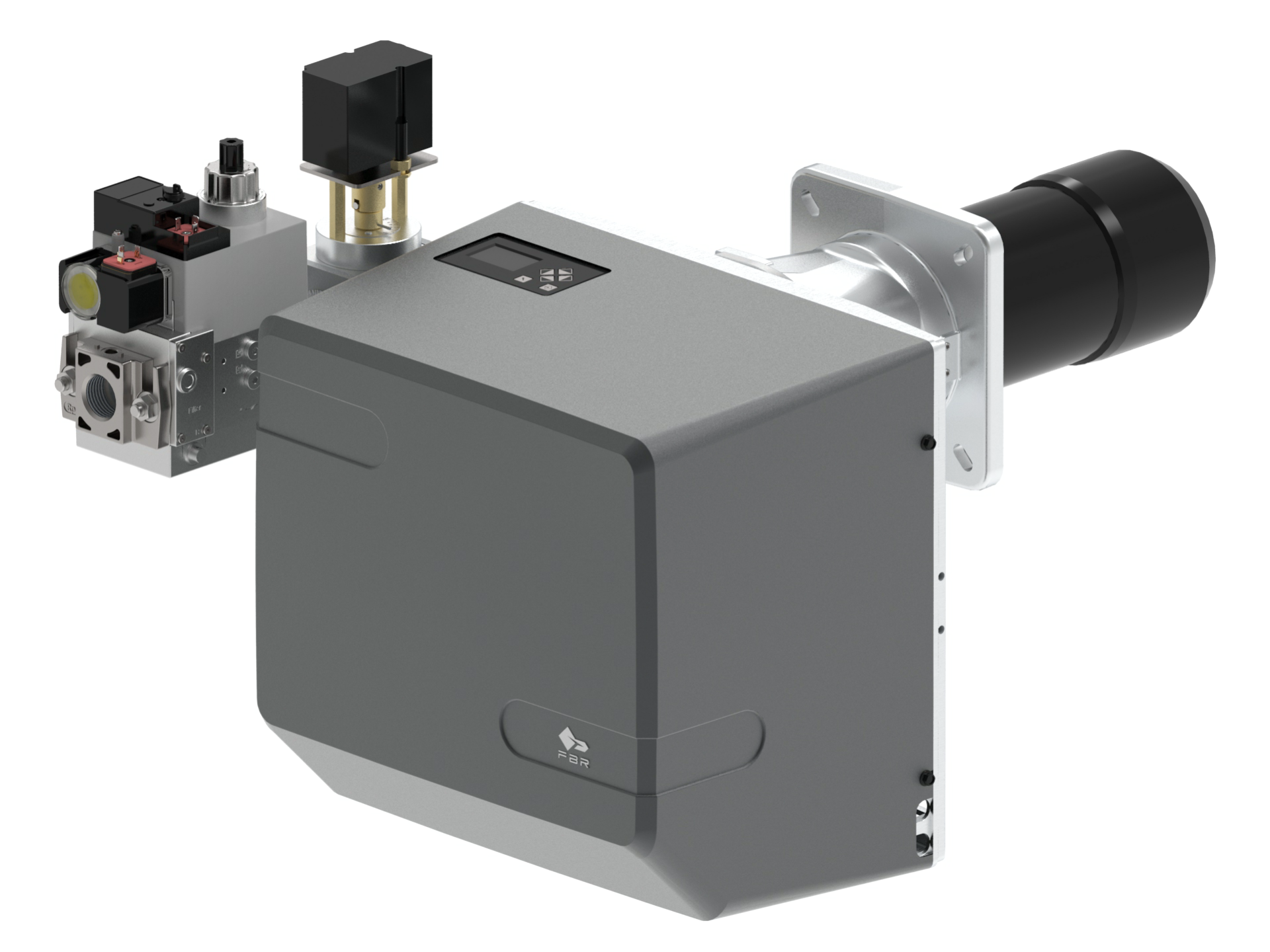
The core burner assembly—like the FBR BURNER GAS X5/MF TL EL VC LPG—combines a die-cast aluminum body with high-pressure fan assembly to deliver precise fuel-air mixing. This modulating design allows the burner to adjust output based on real-time demand through optional modulation kits and temperature probes, reducing energy waste in variable-load applications.
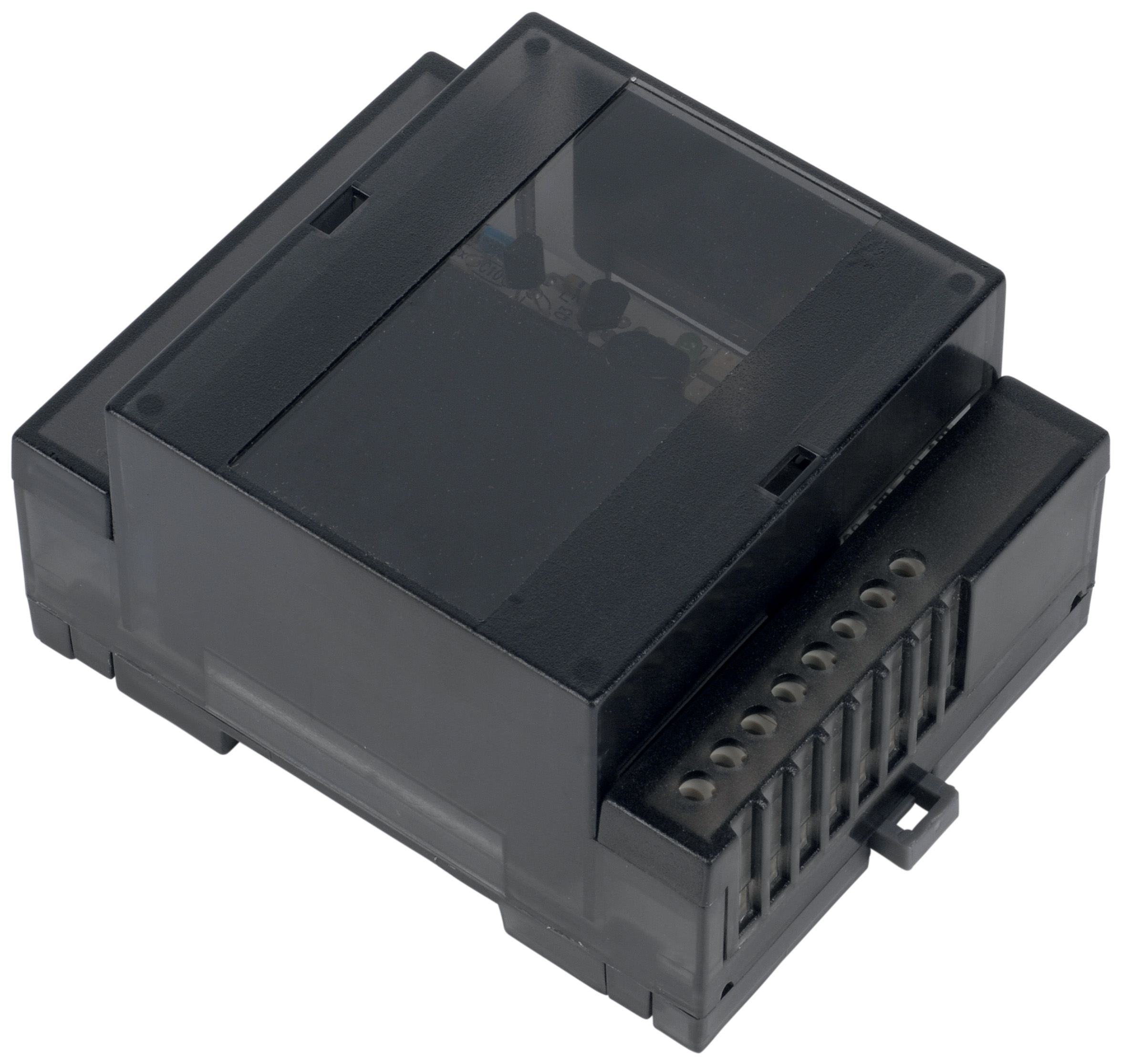
However, the burner itself represents only one part of a complete combustion system. Safety and control components are equally essential. Solenoid valves like the CBM VCS 1E25R/25R05NNWL3/PPPP/PPPP double solenoid valve manage fuel flow and emergency shut-off, while flame relays such as the CBM Flame relay CF1 continuously monitor ignition and combustion integrity. Control relays—including options like the CBM Relay CM391.2 30.5 1.2—coordinate the timing and sequencing of all burner operations, supported by mounting bases like the CBM Base LGK AGM17.
For maintenance teams, this component-based architecture means troubleshooting follows a logical diagnostic path: if combustion fails, systematically check fuel delivery, ignition integrity, and control relay sequencing before assuming burner failure.
Critical Maintenance Procedures for Burner & Combustion Systems
Preventive maintenance separates facilities with reliable, long-running burners from those experiencing frequent failures and emergency repairs. The most successful maintenance teams implement structured schedules based on operating hours and fuel type.
Daily Operating Checks: Your maintenance team should perform brief visual inspections during normal operation, looking for unusual flame color, flame position instability, or abnormal combustion noise. Discolored (yellow/orange) flame indicates incomplete combustion—often caused by air starvation, fuel contamination, or incorrect burner settings. Modern burners like the FBR BURNER GAS X5/MF with modulation kits maintain flame stability across varying loads, so sudden instability suggests control system issues requiring investigation.
Monthly Maintenance: Check fuel pressure at the burner inlet (specifications vary by burner model; consult your equipment documentation). Inspect visible solenoid valves and electrical connections for corrosion or damage. Test the flame failure response by safely interrupting fuel flow—the system should shut down safely within 2-3 seconds. Verify that any visible flame monitoring ports are clean and unobstructed; carbon deposits on light paths cause false flame loss signals.
Quarterly Deep Cleaning: Schedule burner head removal and inspection. Clean combustion chamber walls, burner air inlet screens, and fuel nozzles with appropriate solvents (avoid aggressive methods that damage precision-machined surfaces). Check gasket and seal conditions; replace any showing compression set, hardening, or visible deterioration. Gas burners accumulate carbon deposits differently based on fuel quality—facilities using lower-grade fuel should clean more frequently.
Annual Certification: Beyond routine maintenance, arrange annual professional inspection by certified technicians. This should include CO/CO₂ analysis of exhaust gas (confirming complete combustion), pressure testing of all fuel lines and connections, electrical continuity testing of ignition circuits, and calibration of any modulation probes. Documentation of these inspections protects your facility during safety audits and helps track performance trends over time.
For facilities managing multiple burners and combustion systems, create a digital maintenance log tracking service dates, parts replaced, pressure readings, and combustion quality metrics. This historical data becomes invaluable when diagnosing recurring problems or justifying equipment replacement investments.
Troubleshooting Common Burner & Combustion Problems
When burner and combustion systems malfunction, maintenance teams must diagnose issues systematically rather than replacing components randomly. Understanding failure patterns accelerates resolution and reduces parts waste.
No Ignition: If your burner won't light despite fuel delivery and electrical power, check the ignition circuit step-by-step. Verify spark plug condition (clean, proper gap, dry electrode). Test ignition transformer output with appropriate safety precautions. Inspect fuel nozzle for blockage—a clogged nozzle prevents proper fuel atomization, making ignition impossible. If using the FBR BURNER GAS X5 design, ensure the high-pressure fan is operating (you should hear/feel airflow).
Flame Failure During Operation: The CBM Flame relay CF1 detects flame presence continuously. If the relay falsely signals flame loss during stable combustion, carbon deposits likely block the flame sensing path. Clean the sensor window carefully with non-abrasive materials. If using a modulating burner with optional probe, verify the probe tip isn't fouled. Persistent false signals after cleaning suggest flame relay failure—consult your equipment supplier for replacement guidance specific to your burner model.
Unstable Modulation (varying output): Burner and combustion systems equipped with optional modulation kits maintain consistent output through closed-loop feedback. Instability often indicates control relay issues, incorrect probe calibration, or air inlet blockage affecting combustion consistency. Start by confirming the air inlet screens are clear and unobstructed. Check that fuel pressure remains stable (use a pressure gauge to verify readings stay within specification). If the CBM Relay CM391.2 30.5 1.2 controls modulation, verify proper mounting on its CBM Base LGK AGM17 base—loose mounting allows vibration that disrupts control signals.
High Exhaust Temperature: When burner and combustion systems produce excessive heat, suspect incomplete combustion caused by air deficiency, fuel nozzle wear, or incorrect burner head positioning. Use an infrared thermometer to compare exhaust temperature against baseline readings. Temperature increases typically indicate restricting fuel paths or failing combustion air supply. For the FBR BURNER GAS X5/MF design, check that the high-pressure fan inlet isn't blocked by dust or debris.
Fuel Leaks: The CBM VCS 1E25R/25R05NNWL3/PPPP/PPPP double solenoid valve prevents fuel weeping when the system shuts down. If you detect fuel odor or visible leakage at the burner assembly, first verify the valve is fully closed (check electrical power to the solenoid). Persistent leaks after power-down indicate internal valve seal failure—a situation requiring immediate component replacement and system depressurization for safety.
Selecting the Right Burner & Combustion System for Your Facility
Maintenance teams often participate in equipment decisions when existing burners fail. Understanding how to evaluate burner and combustion options based on your specific operational context ensures you select systems that align with your maintenance capabilities and facility requirements.
Matching Burner Capacity to Your Process: Oversized burners waste fuel during partial-load operation, while undersized units cannot meet demand. The FBR BURNER GAS X5/MF TL EL VC LPG addresses this challenge through optional modulation kits that adjust output continuously based on demand. Rather than a burner that operates at full or zero output, modulating systems maintain efficient operation across 30-100% load range, reducing cycling wear and improving fuel economy—particularly valuable in facilities with variable production schedules.
Fuel Type Considerations: Gas burners and combustion systems accept different fuel gases (natural gas, LPG, biogas) depending on nozzle design and control calibration. The FBR BURNER GAS X5 is specifically configured for LPG operation, requiring that your maintenance team verifies fuel supply matches the burner specification. Mixing fuel types without recalibration causes combustion quality degradation and premature component wear.
Control System Complexity: Simple on-off burner and combustion systems require less wiring and commissioning but cycle frequently, increasing wear. Fully modulating systems with relays like the CBM Relay CM391.2 30.5 1.2 and CBM Base LGK AGM17 provide superior efficiency but demand more sophisticated maintenance training. Assess whether your team has adequate technical skills and test equipment for the control system complexity you select.
Component Availability: When burners and combustion systems require replacement parts, availability directly affects downtime. Specify equipment from established distributors like 3G Electric with deep parts inventory and established supplier relationships. The CBM product line—including solenoid valves, flame relays, and control relays—maintains global distribution networks, ensuring your maintenance team can source genuine replacement components quickly rather than waiting weeks for specialty parts.
Safety Certification: Burners and combustion systems in different regions must meet specific safety standards. European equipment typically carries CE certification and compliance with EN standards, while North American equipment follows UL or CSA approval. Industrial systems generally require compliance with ASME standards for pressure equipment. Verify that any burner and combustion system you select meets the relevant certification requirements for your facility's jurisdiction before installation.
Key Takeaways: Burners & Combustion System Best Practices
- Understand Component Integration: Burners and combustion systems succeed as integrated units where solenoid valves, flame relays, and control relays work together. Troubleshoot systematically through fuel delivery, ignition, and control circuits rather than replacing components randomly.
- Implement Structured Maintenance: Daily visual checks, monthly operational tests, quarterly deep cleaning, and annual professional certification prevent emergency failures and extend equipment life significantly. Maintain detailed records to identify performance trends and justify replacement investments.
- Leverage Modulation Technology: Modern burners with optional modulation kits deliver superior fuel efficiency and reduced cycling wear across variable loads. The upfront investment typically pays back through energy savings within 2-3 years while reducing maintenance demands.
- Prioritize Component Availability: Select burners and combustion equipment from distributors with extensive parts inventory and global supply networks. This ensures your maintenance team can resolve problems quickly without extended downtime waiting for specialty components.
- Partner with Experienced Suppliers: Working with established distributors like 3G Electric (serving global customers since 1990) provides access to technical expertise, certified replacement parts, and professional support for complex troubleshooting that exceeds typical in-house capabilities.
Conclusion: Optimizing Your Burner & Combustion System Performance
Effective management of burners and combustion systems separates facilities achieving high reliability with minimal emergency repairs from those experiencing frequent downtime and escalating repair costs. Your maintenance team's systematic approach to understanding component functions, executing preventive maintenance schedules, and diagnosing problems methodically determines whether these critical systems support or hinder overall operational performance.
The transition to modern burner and combustion equipment—incorporating optional modulation technology, integrated safety controls, and precision flame detection—requires updated training and diagnostic skills. However, the operational rewards justify this investment: improved fuel efficiency, reduced combustion emissions, extended equipment life, and most importantly, reliable operation supporting your facility's production goals.
3G Electric supports maintenance teams globally with extensive burner and combustion component inventory, technical expertise developed over 35 years as an distributor, and direct access to equipment manufacturers for complex troubleshooting. Whether you need replacement solenoid valves, flame relay upgrades, or guidance selecting the optimal burner and combustion system for your specific application, our team combines practical maintenance experience with manufacturer-level technical knowledge.
Contact 3G Electric today to discuss your burner and combustion system requirements with our technical specialists. We'll help you select equipment that aligns with your maintenance capabilities, specify preventive maintenance schedules tailored to your operating environment, and ensure your team has access to genuine replacement components and technical support when issues arise.