Understanding Burners & Combustion System Architecture for Maintenance Teams
Burners & Combustion systems represent one of the most critical infrastructure investments in industrial facilities, yet maintenance teams often struggle with component compatibility and integration challenges. Whether managing HVAC systems, industrial boilers, or process heating equipment, understanding how individual components work together directly impacts system reliability and operational costs.
With over 35 years of experience distributing industrial equipment globally, 3G Electric has observed that most combustion system failures stem not from component defects, but from improper component selection and integration. Maintenance teams working with legacy systems or upgrading existing installations must balance performance requirements, energy efficiency mandates, and budget constraints while ensuring seamless component compatibility.
This guide addresses the practical decision-making process your team faces when evaluating Burners & Combustion solutions. Rather than focusing on individual product specs, we'll examine how to assess your specific operational requirements and match them with appropriate components that integrate effectively with existing infrastructure.
Evaluating Burner Types: Fixed vs. Modulating Combustion Systems
Understanding Your Current Operational Profile
The foundation of any Burners & Combustion upgrade begins with honest assessment of your facility's heating demands. Fixed-output burners provide simple, reliable combustion for applications with consistent load requirements. However, most modern industrial and HVAC operations experience variable demand patterns throughout operational cycles.
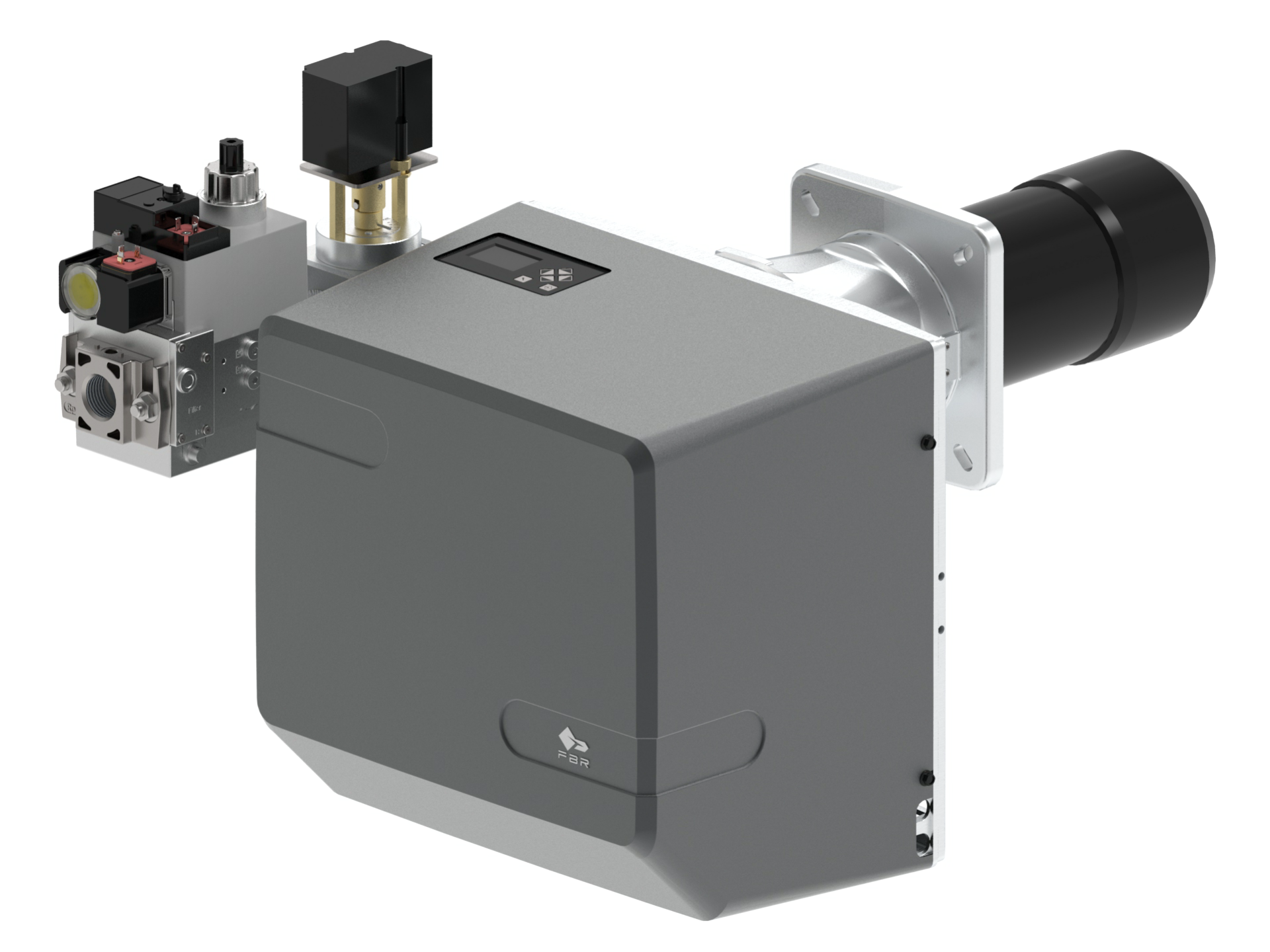
Modulating burners adjust output based on actual heating demand, delivering 20-40% energy savings in typical facilities with variable load profiles. The FBR BURNER GAS X5/MF TL EL VC LPG exemplifies modern combustion technology with its die-cast aluminum construction and high-pressure fan system. This burner supports optional modulation kits with PID (Proportional-Integral-Derivative) control, allowing fully proportional output adjustment when equipped with appropriate probes and control electronics.
Practical Considerations for Maintenance Teams
When evaluating modulating burners, your team should assess three critical factors:
- Turndown ratio: How low can the burner reduce output while maintaining stable combustion? Higher turndown ratios (typically 3:1 to 10:1) accommodate greater load variation and reduce energy waste during partial-load operation.
- Flame stability: Does the combustion system maintain stable flame at minimum output? Poor flame stability at low fire increases cycling frequency, reducing component lifespan and increasing maintenance frequency.
- Control integration: Are existing building management systems compatible with the burner's control signals? Incompatibility often forces expensive system retrofits that exceed equipment cost.
Modulating systems require more sophisticated control electronics but deliver operational flexibility. Your maintenance schedule will shift from managing on-off cycling stress to monitoring modulation accuracy and control sensor calibration. The long-term maintenance investment typically decreases despite increased upfront complexity.
Solenoid Valve Selection: Critical Safety Component in Burners & Combustion Systems
Double Solenoid Valve Architecture
The CBM VCS 1E25R/25R05NNWL3/PPPP/PPPP double solenoid valve serves as the critical safety barrier between fuel supply and the burner combustion chamber. Double solenoid valve design provides redundant shut-off capability—essential for meeting industrial safety standards across all global markets.
Double solenoid configuration means two independent valve coils control fuel flow. If one coil fails, the second remains operational, preventing uncontrolled fuel delivery. This redundancy addresses a fundamental maintenance challenge: how do you ensure safe burner shutdown during equipment failure?
Maintenance Team Implications
Double solenoid valves require more sophisticated testing and diagnosis than single-coil designs. Your team must establish maintenance protocols that include:
- Coil continuity testing: Monthly megohm testing of each coil to detect degradation before failure
- Pilot-stage operation: Confirming proper fuel staging when modulating burners reduce output
- Leak testing: Annual seat verification to confirm zero fuel leakage during shut-down
The solenoid valve's position in your Burners & Combustion system directly impacts both safety and efficiency. Properly maintained double solenoid valves minimize fuel waste and prevent dangerous condition escalation that can damage downstream equipment.
When selecting a solenoid valve, verify compatibility with your fuel type (natural gas, LPG, oil), operating pressure range, and flow rate requirements. The CBM model's NNWL3/PPPP/PPPP configuration indicates specific port sizing and valve material selections optimized for particular applications.
Flame Detection & Control Relays: The Intelligence Layer of Modern Burners & Combustion
Why Flame Detection Matters to Maintenance Teams
Flame detection and control relays form the "nervous system" of your Burners & Combustion operation. These components continuously monitor combustion safety, provide burner sequence control, and interface with building management systems.
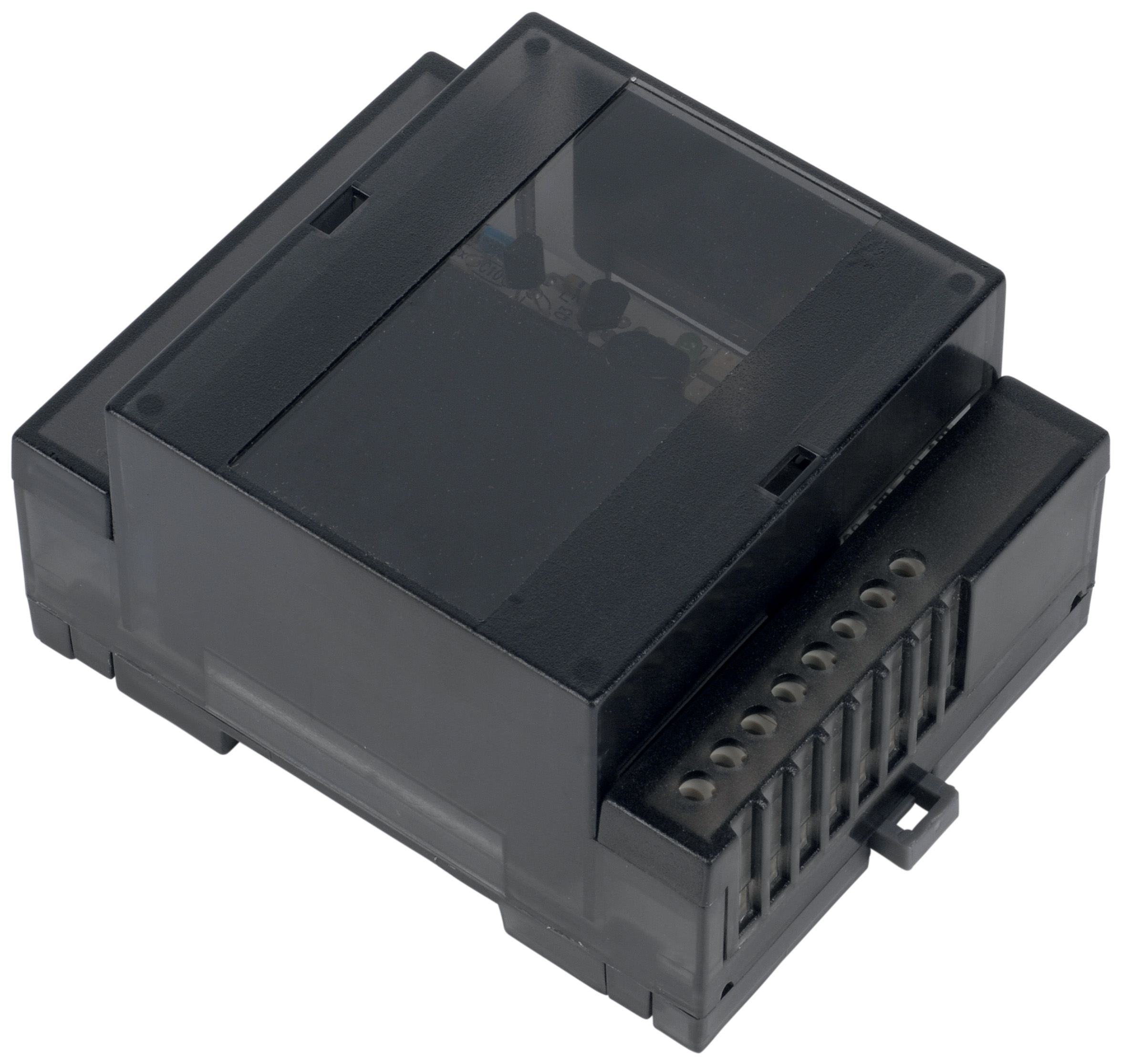
The CBM Flame relay CF1 handles primary flame supervision, continuously verifying that fuel ignites properly during startup and remains stable throughout operation. Simultaneously, the CBM Relay CM391.2 30.5 1.2 provides advanced burner control sequencing, managing the complex startup procedures and safety interlocks required by modern industrial heating systems.
System Integration Considerations
Flame relays and burner control relays work in concert to manage the complete combustion sequence:
1. Pre-purge cycle: Fan operation clears combustion chamber of unburned gas before ignition attempt
2. Ignition sequence: Spark or hot-surface igniter activates while fuel solenoid opens
3. Flame detection: Optical or ionization sensor confirms flame presence within specified time window
4. Lockout protection: If flame fails to establish, system prevents repeated ignition attempts that could create explosive conditions
5. Modulation control: Proportional burner adjustment based on load demand (when equipped)
Your maintenance team must understand that a single relay failure can cascade through this entire sequence, creating either dangerous conditions or complete system shutdown. Preventive relay testing prevents unexpected operational failures.
Testing and Maintenance Protocols
Flame relays require specific testing procedures that many maintenance teams overlook:
- Cold-start testing: Verify proper sequence operation with no residual heat in combustion chamber
- Flame sensor cleaning: Optical sensors accumulate soot that blocks flame detection; schedule quarterly cleaning in high-soot environments
- Lockout testing: Intentionally interrupt flame signal to confirm immediate burner shutdown and proper lockout
- Time-delay verification: Confirm all programmed sequence delays function correctly
The CBM Base LGK AGM17 mounting base provides proper electrical isolation and environmental protection for control relays. Appropriate relay mounting prevents vibration damage and moisture intrusion that compromise relay function.
Integrated System Approach: Building Reliable Burners & Combustion Operations
Component Selection as System Design
Selecting individual Burners & Combustion components represents only half your decision-making responsibility. Equally important is understanding how these components interact and support your facility's operational requirements.
Consider this practical scenario: Your facility operates a boiler system with 70% average load but 30-100% demand variation throughout the day. A fixed-output burner sized for peak demand would cycle on-off constantly during partial-load periods, burning excessive fuel and degrading equipment lifespan. A modulating burner like the FBR GAS X5/MF system with proper solenoid valve selection (CBM VCS) and control relay integration could reduce energy consumption 25-35% while extending burner life by 40-50%.
However, this performance improvement only materializes with proper component matching and maintenance discipline. Oversizing the solenoid valve wastes fuel during modulation. Undersizing restricts maximum output when demand peaks. Incorrect relay programming causes erratic modulation control.
Global Perspective on Burners & Combustion Standards
Industrial heating standards vary significantly across regions. European Union directives, North American ANSI standards, and Asian regional codes impose different safety and efficiency requirements. 3G Electric's 35+ year distribution history across global markets demonstrates how equipment selection must align with local regulatory requirements.
When evaluating Burners & Combustion systems for international facilities, your maintenance team should verify:
- Certification compliance: Does equipment meet local safety standards (CE marking for EU, UL listing for North America, etc.)?
- Fuel specifications: Are components rated for local fuel types and pressure ranges?
- Service availability: Can replacement parts and qualified technicians support your equipment in specific geographic regions?
- Documentation language: Are maintenance procedures and safety information available in operational languages?
Maintenance Planning for Long-Term Burners & Combustion Reliability
Preventive Maintenance as Risk Management
Your maintenance team's approach to Burners & Combustion systems directly determines operational reliability and cost management. Reactive maintenance (responding to failures) costs 2-3x more than preventive maintenance (scheduled component testing and replacement).
Effective preventive maintenance programs establish clear intervals for:
- Visual inspection: Monthly examination for fuel leaks, corrosion, and mechanical damage
- Functional testing: Quarterly verification of complete combustion sequence and safety interlocks
- Component replacement: Annual burner element inspection, solenoid valve testing, and relay verification
- Performance monitoring: Continuous tracking of combustion efficiency and system response times
Maintenance team knowledge represents a critical asset often overlooked during equipment selection. When implementing new Burners & Combustion systems, invest in comprehensive technician training covering:
- System architecture understanding: How individual components function and interact
- Diagnostic procedures: Systematic troubleshooting techniques for quick problem identification
- Safety protocols: Proper lockout/tagout procedures for combustion equipment
- Documentation practices: Detailed maintenance logs supporting predictive analytics
Proper documentation enables trend analysis. If solenoid valve coils fail every 18 months, your team can investigate whether fuel contamination, voltage fluctuations, or environmental factors cause premature failure. Early intervention prevents cascading system failures.
Practical Recommendations for Your Facility
Assessment Checklist
Before committing to specific Burners & Combustion equipment, your maintenance team should evaluate:
- Current energy consumption and operating cost baseline
- Heating demand patterns throughout operational cycles
- Existing control system compatibility and upgrade requirements
- Local safety standards and regulatory requirements
- Spare parts availability and service technician qualification
- Team technical capability and training requirements
Phased implementation reduces disruption and allows your team to verify performance before full-scale deployment. Consider pilot program approach:
1. Phase 1: Install new Burners & Combustion system on non-critical equipment while maintaining existing systems
2. Phase 2: Monitor performance over 2-3 months, documenting energy consumption, component reliability, and maintenance requirements
3. Phase 3: Expand to additional equipment based on proven results and refined maintenance procedures
4. Phase 4: Decommission legacy equipment after full transition and team proficiency demonstration
This staged approach provides real operational data supporting capital investment justification and helps your maintenance team develop expertise before managing critical system operations.
Conclusion: Integrating Burners & Combustion Excellence
Burners & Combustion system selection represents a significant operational decision affecting facility efficiency, safety, and maintenance resource allocation for 10-15 years of equipment life. Moving beyond simple equipment comparison to comprehensive system integration planning positions your maintenance team for sustained success.
3G Electric's 35+ year history supporting industrial facilities globally demonstrates that successful equipment investments combine proper component selection, comprehensive integration planning, and committed preventive maintenance. Your maintenance team's technical knowledge and operational discipline ultimately determine whether equipment investments deliver promised performance and reliability improvements.
By understanding component functions, integration requirements, and maintenance protocols detailed in this guide, your team can confidently evaluate Burners & Combustion options aligned with specific facility requirements while building operational expertise supporting long-term system reliability.