Understanding Burners & Combustion System Architecture
Burners & Combustion systems are not standalone units—they are integrated ecosystems comprising multiple interdependent components that must work seamlessly together. For procurement engineers, this reality means that purchasing decisions extend far beyond selecting a burner itself. You must understand how modulating gas burners, solenoid valves, flame detection relays, and control modules interact within your operational environment.
The architecture of a modern combustion system typically includes: the primary burner unit (providing flame generation and modulation capability), dual solenoid valve assemblies (controlling fuel flow with redundancy), flame detection and safety relay systems (monitoring combustion integrity), and specialized control bases that orchestrate all components. Each element serves a critical function in maintaining safe, efficient, and compliant operations.
With 35+ years of global distribution experience, 3G Electric has supported procurement teams across multiple continents in deploying combustion systems that balance performance, safety, and cost-effectiveness. Understanding component relationships before procurement prevents costly integration failures, warranty complications, and operational downtime.
Component Selection Criteria: From Specification to Procurement
Burner Unit Specifications and Modulation Capability
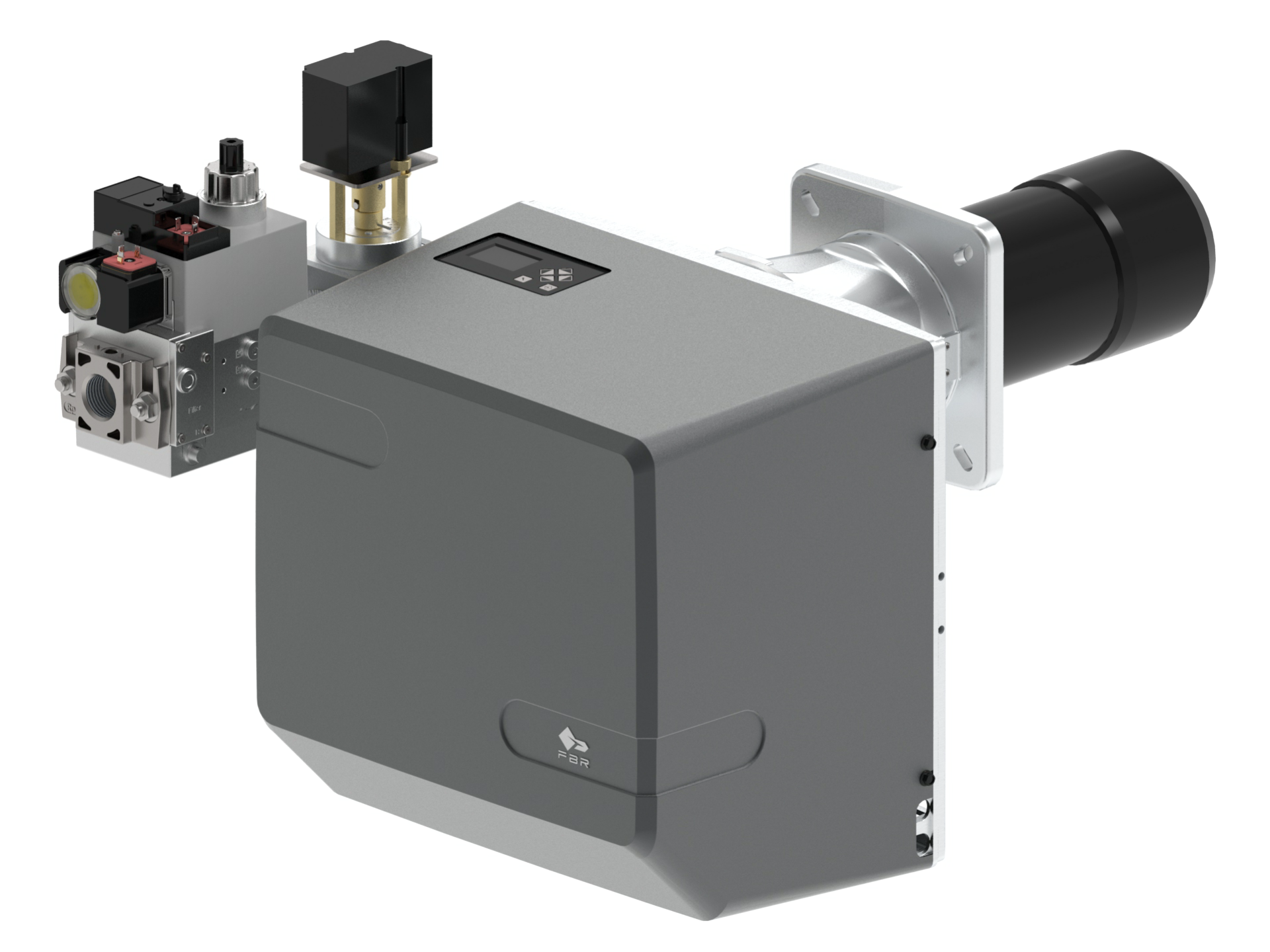
The FBR BURNER GAS X5/MF TL EL VC LPG represents modern modulating burner technology engineered for applications requiring dynamic load management. This burner features a die-cast aluminum body and high-pressure fan configuration, enabling full PID (Proportional-Integral-Derivative) modulation when equipped with optional modulation kits and temperature probes.
Procurement engineers should recognize that modulation capability is not inherent—it requires deliberate specification during purchase. The burner's base configuration supports fixed-output operation, but adding modulation transforms its performance profile from on/off cycling to continuous, load-responsive flame adjustment. This distinction matters significantly for:
- Energy consumption patterns: Modulating burners reduce fuel consumption by 15-30% in variable-load applications
- Equipment lifespan: Reduced cycling stress extends burner and heat exchanger longevity
- System responsiveness: Faster thermal response in temperature-critical processes
- Maintenance intervals: Fewer thermal cycles reduce component wear
When specifying burner units, clarify whether your application demands full modulation (PID control), stepped modulation (discrete output levels), or fixed-output operation. This determines not only the burner purchase price but also the total ecosystem cost including probe sensors, modulation kit components, and control relay specifications.
Fuel Control Architecture: Solenoid Valve Selection
The CBM VCS 1E25R/25R05NNWL3/PPPP/PPPP double solenoid valve provides the critical fuel control interface between your control system and the burner. This dual-solenoid architecture implements redundant safety—a fundamental requirement in combustion systems where fuel control failures can create hazardous conditions.
Procurement engineers must understand solenoid valve specifications that directly impact system compatibility:
- Flow capacity (Cv ratings): Measured in nominal pressure drops, determines fuel delivery rate matching
- Coil voltage and frequency: Must align with control relay output specifications (typically 24V AC/DC or 110V AC)
- Response time: Dual-solenoid valves typically respond within 30-50 milliseconds, critical for flame-out scenarios
- Pressure rating: Must accommodate your fuel supply pressure with safety margin (typically 10-15% above maximum operating pressure)
- Valve material compatibility: Brass, stainless, or ductile iron bodies suit different fuel types (LPG vs. natural gas vs. biogas)
The double-solenoid configuration means purchasing a single component actually provides two independent fuel shutoff mechanisms. This redundancy is mandated by safety standards (EN 676, ISO 6126) and significantly impacts risk assessment. When evaluating cost, recognize that dual-solenoid valves represent a safety investment, not just a component cost.
Control and Safety Integration: Relay Systems
Flame Detection and Safety Relays
The CBM Flame relay CF1 monitors combustion status and implements automated safety responses. This component represents the "intelligence" layer of your combustion system, continuously verifying that flame exists when fuel is being delivered.
Flame detection operates through several technologies:
- UV detection: Responds to ultraviolet radiation in flame, immune to external light interference
- Infrared detection: Senses infrared radiation from flame and heat exchanger
- Ion detection: Measures electrical conductivity of ionized gas in flame zone
The CF1 relay's role extends beyond simple flame verification. It:
- Delays burner ignition to allow fan-force purging (typically 3-5 seconds)
- Monitors flame stability during operation and immediately initiates shutdown if flame extinguishes
- Implements fuel valve lockout following failed ignition attempts (typically after 3 attempts)
- Provides diagnostic output indicating specific failure modes
For procurement engineers, this means that flame relay selection directly impacts operational safety and regulatory compliance. Selecting incompatible relay models can prevent proper system interlock, potentially creating dangerous operating conditions where fuel is present but flame detection is inactive.
Modulation and Primary Control Relays
The CBM Relay CM391.2 30.5 1.2 provides primary control logic orchestration for modulating burner systems. Unlike flame detection relays (which monitor safety), this component manages operational command sequences:
- PID algorithm execution for load-responsive modulation
- Thermal sensor input processing and feedback loops
- Control output sequencing to solenoid valves and ignition systems
- Performance diagnostic tracking and alarm generation
Procurement specifications for primary control relays require attention to:
- Input compatibility: Accepts analog signals from temperature probes (typically 0-10V or 4-20mA)
- Output capacity: Controls solenoid coil loads (verify amperage requirements)
- Communication protocols: Some modern relays integrate Modbus, BACnet, or manufacturer-specific networks for building automation system integration
- Hysteresis settings: Adjustable deadband zones that prevent excessive cycling at setpoint
Direct substitution of relay models rarely succeeds without recalibration. Procurement engineers should build relationships with technical support resources early, as relay programming and commissioning significantly impact system performance and reliability.
Control Base and Mounting Architecture
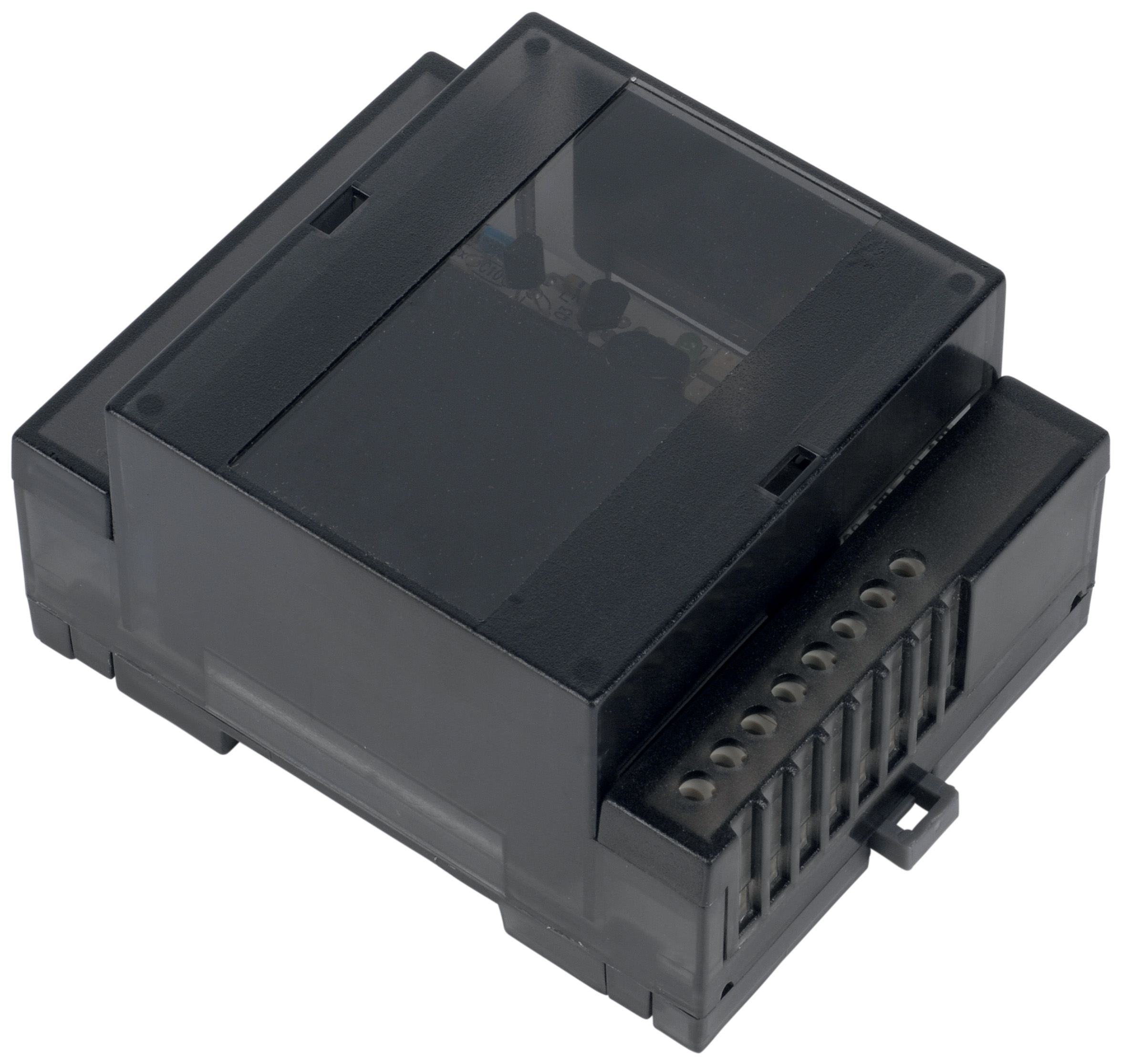
The CBM Base LGK AGM17 provides the physical and electrical foundation mounting flame relays and control components into integrated control modules. This seemingly simple component actually determines:
- Connector standardization: Ensures interchangeable relay modules across equipment lines
- Terminal configuration: Determines wiring harness compatibility and installation labor costs
- Diagnostic interface: Provides LED indicators for troubleshooting
- DIN-rail compatibility: Affects cabinet layout and retrofit feasibility
Often overlooked in procurement, the control base represents a critical compatibility specification. Installing a flame relay on an incompatible base requires complete rewiring—a costly mistake that could be prevented through proper specification verification.
Procurement Strategy: Total Cost of Ownership Across Global Operations
Specification Standardization vs. Regional Adaptation
Global procurement teams face the tension between standardizing component choices across multiple facilities and adapting to regional requirements. Burners & Combustion systems must comply with local electrical standards (50Hz vs. 60Hz), fuel specifications (natural gas composition varies by region), and safety regulations (EN 676 in Europe, ASME in North America).
3G Electric's 35+ years of global distribution experience reveals that successful procurement strategies typically implement:
- Core component standardization: Select burner and control module models that support multiple regional configurations
- Modular component approach: Use standard control bases and relay platforms, varying only fuel-specific components (solenoid valve materials, pressure ratings)
- Regional stock positioning: Maintain safety-critical components (flame relays, solenoid valves) in regional distribution centers, reducing lead times from 8-12 weeks to 3-5 days
- Technical documentation harmonization: Ensure all documentation (wiring diagrams, commissioning procedures) translates consistently across languages and regulatory contexts
Lead Time and Supply Chain Risk Management
Burners & Combustion component procurement involves significant lead times that procurement engineers must anticipate:
- Standard components (solenoid valves, flame relays, control bases): 4-8 weeks from order to delivery
- Custom-configured burner units (modulation kits, pressure-specific configurations): 8-12 weeks
- Regional certifications (electrical approvals, pressure equipment directives): Additional 2-4 weeks
Supply chain disruptions in combustion component procurement directly impact facility operations—you cannot operate heating systems, process furnaces, or industrial boilers without functional burner systems. Successful procurement teams implement:
- Long-term supply agreements with 6-month and 12-month renewal forecasts
- Safety stock of critical components (flame relays, solenoid coils) representing 2-3 months operational consumption
- Component substitution lists identifying compatible alternatives from multiple manufacturers
- Expedited procurement protocols for emergency replacements, acknowledging premium costs as operational necessity
Performance Metrics and Specification Validation
Procurement professionals should establish measurement frameworks for combustion system performance:
- Combustion efficiency: Measured as useful heat output vs. fuel energy input (target: 85-92% for modern systems)
- Mean time between failures (MTBF): Track component reliability across your installed base
- Response time metrics: Measure flame detection response to flame-out (target: <1 second)
- Modulation accuracy: For PID systems, track setpoint deviation under load changes (target: ±2°C)
- Safety incident tracking: Document any instances of unintended fuel delivery or failed flame detection
Collecting these metrics requires coordination between procurement, operations, and maintenance teams. The investment in data collection infrastructure pays dividends through informed specification decisions and vendor performance management.
Practical Implementation: System Integration Checklist
When procuring Burners & Combustion systems, use this integration verification checklist:
Burner Selection
- Confirm modulation requirement (PID, stepped, or fixed-output)
- Verify fuel type compatibility (natural gas, LPG, biogas mix tolerance)
- Validate thermal output rating matches application load
- Confirm optional modulation kit availability for selected burner model
- Verify dual-solenoid redundancy meets safety standards
- Confirm Cv rating supports required fuel flow
- Check coil voltage compatibility with control relay outputs
- Validate pressure rating accommodates fuel supply pressure
- Confirm detection technology matches flame characteristics (UV-dominant vs. infrared-dominant)
- Verify response time meets safety requirements (<1 second)
- Check relay base compatibility
- Validate diagnostic output interfaces with facility monitoring systems
- Confirm input sensor types (thermocouple, RTD, linear voltage)
- Verify output amperage matches solenoid coil requirements
- Check communication protocol support for building automation integration
- Validate modulation algorithm settings match application requirements
- Schedule on-site calibration with authorized technician
- Document all relay parameter settings and hysteresis configurations
- Establish baseline performance metrics for future troubleshooting
- Train operations and maintenance staff on diagnostic procedures
Proper attention to these integration points prevents costly commissioning delays and operational failures.