Understanding Burner Interlocking and Controls & Safety Fundamentals
Burner interlocking systems form the backbone of Controls & Safety in industrial combustion equipment. Unlike standalone safety devices, interlocking systems create a coordinated chain of logic that prevents unsafe operating conditions before they occur. An effective interlock prevents ignition attempts when air supply is insufficient, blocks fuel delivery if flame detection fails, and forces shutdown when pressure or temperature exceed safe limits.
In Singapore's tropical industrial environment, humidity, dust, and temperature extremes place additional stress on interlock reliability. With over 35 years of experience distributing industrial equipment, 3G Electric understands that proper interlock design is not optional—it is foundational to equipment longevity and workforce safety.
The core principle of burner interlocking is permissive logic: each safety condition must be satisfied before the next operational step is permitted. Air proving, fuel isolation, flame verification, and load confirmation form a sequence that cannot be bypassed or reversed. This sequential nature differentiates interlocking from simple protective relays that react after a fault occurs.
Designing Interlocking Logic for Dual-Fuel and Gas-Only Systems
Air Supply and Fan Proving
Air supply verification is the first permissive condition in any burner interlock. Fan motor operation must be confirmed before fuel introduction is allowed. This is typically accomplished through a time-delay relay (10–30 seconds) that permits fuel solenoid energization only after the fan has run continuously without interruption. For gas burners in Singapore facilities, air proving prevents rich fuel mixtures that create explosion risks during startup.
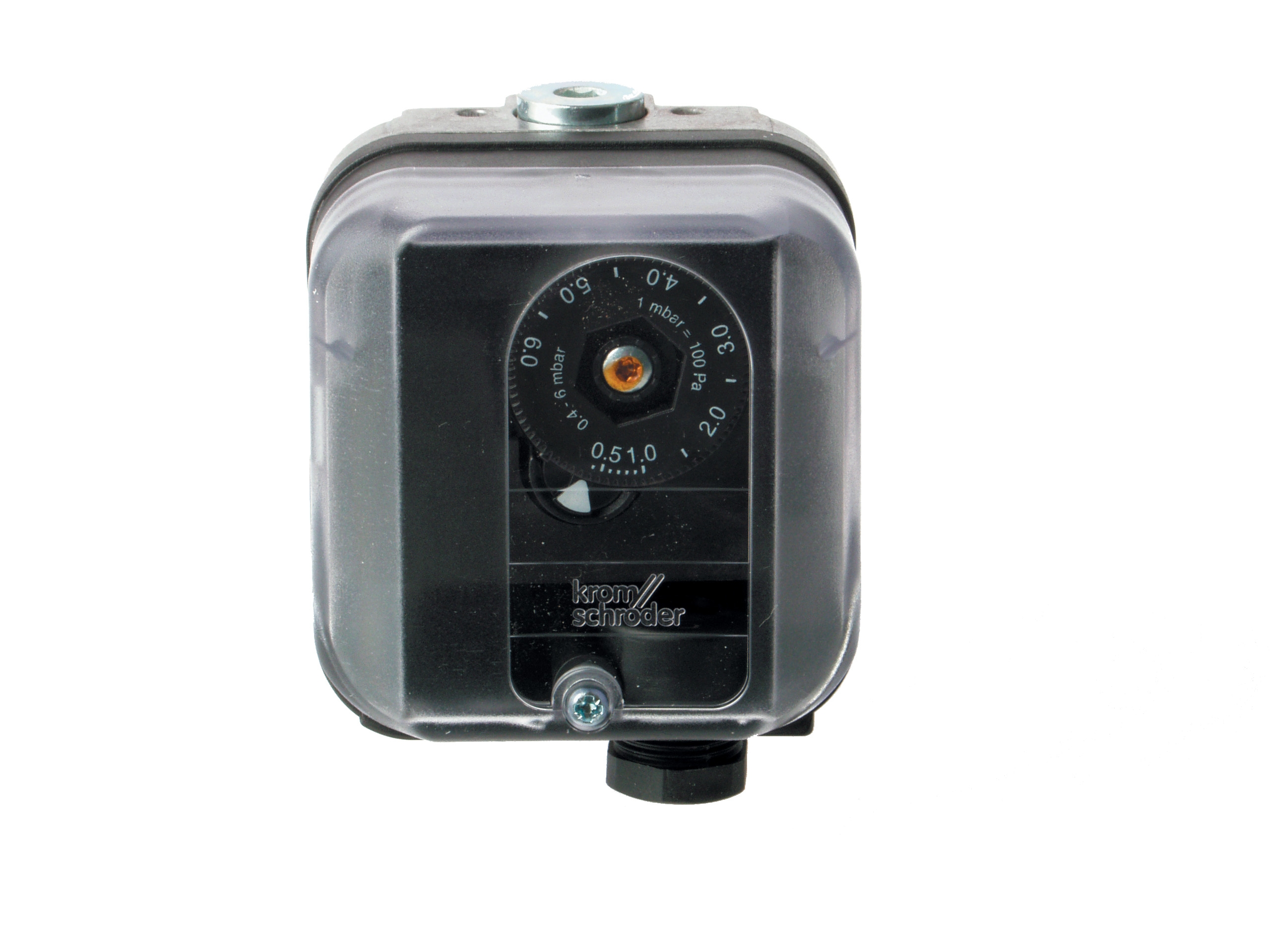
Implement fan proving using a pressure switch monitoring air duct pressure or fan discharge. The Kromschroder DG 50U/6 pressure switch is SIL 3 rated and meets EN 1854 and FM certifications required for Singapore industrial applications. Set the switch differential at 90–120 Pa above atmospheric pressure to confirm adequate airflow. Wire the pressure switch in series with the fuel solenoid circuit so that loss of air pressure immediately de-energizes the fuel valve.
Fuel System Isolation and Proving
Once air supply is confirmed, fuel isolation and modulation relays become active. For gas systems, the primary fuel solenoid must be verified as seated (closed) before ignition is attempted. This prevents unburned fuel accumulation in the combustion chamber—a critical safety measure in Singapore's humid environment where condensation can impair solenoid operation.
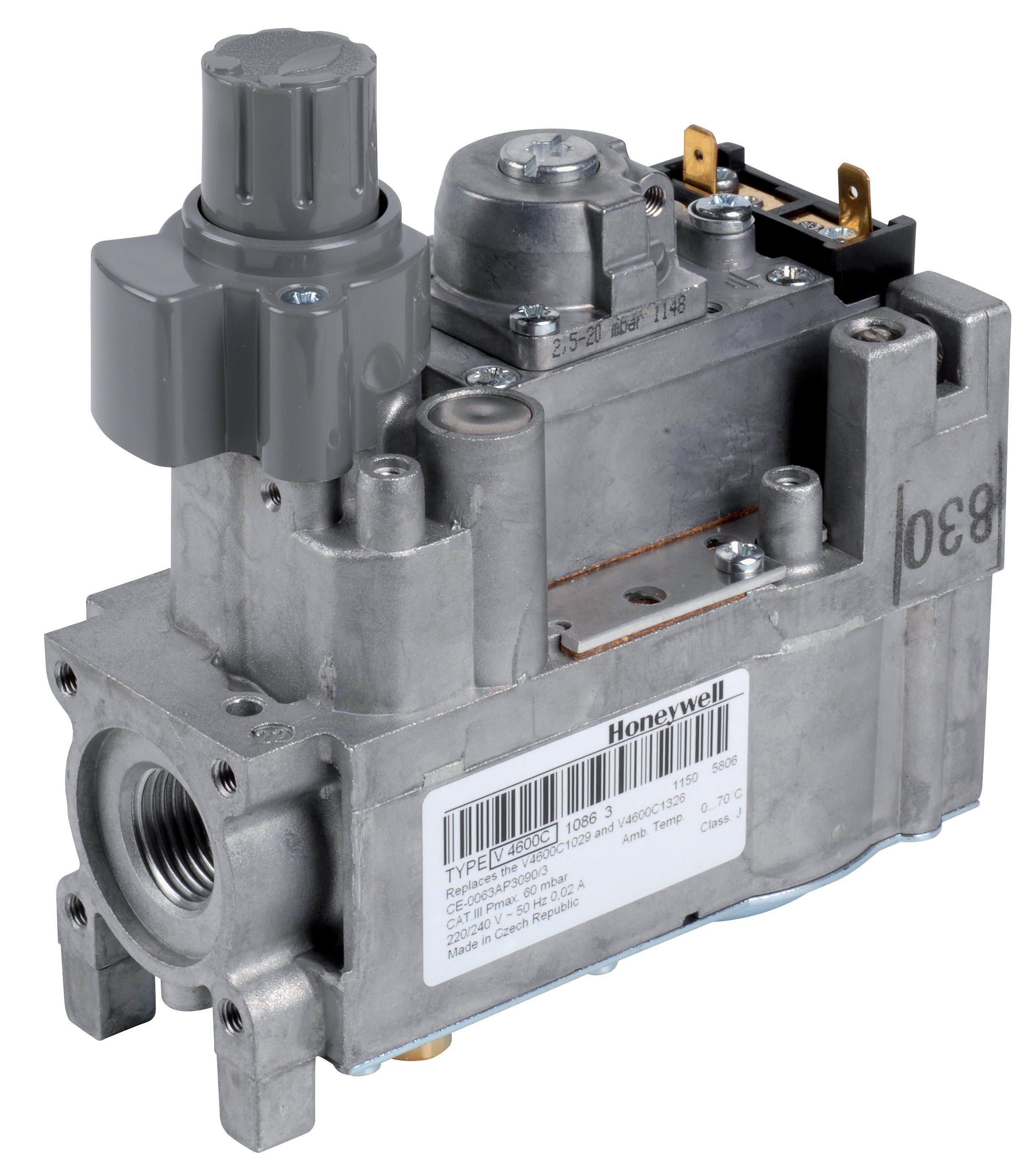
Secondary fuel valve proving (for dual-fuel systems) requires a sequence: confirm primary gas solenoid closure, verify secondary oil solenoid closure, energize the main fuel solenoid, and measure fuel pressure. The Honeywell VK 4105 C 1041 U gas block integrates pressure feedback to the control unit, enabling real-time fuel pressure monitoring. This modulating regulator prevents overpressurization and stabilizes fuel delivery across varying load conditions.
For dual-fuel burners, design a switching sequence that allows 30 seconds of fuel purging before ignition. This clears unburned fuel and reduces explosion risk. Use a timer relay in the control circuit to enforce this dwell time; do not rely on operator discipline or manual overrides.
Ignition and Flame Proving
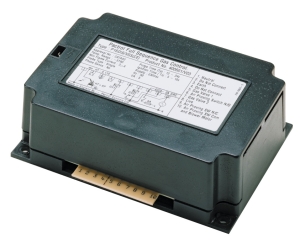
Ignition initiation requires multiple permissive conditions: air supply confirmed, fuel isolated and verified, ignition transformer energized, and pilot fuel line pressurized. The Pactrol Housing P 16 DI CE provides high-voltage ignition output (12 kV, 10 MJ) with integrated flame detection capability, making it suitable for primary ignition control in medium-to-high power burners.
Once ignition is commanded, flame must be detected within 2–5 seconds (adjustable per burner design). Use a flame sensor (UV or ionization type) wired to a flame detection relay that confirms continuous flame presence throughout operation. The Siemens LFL 1.622 safety control unit integrates UV and ionization flame monitoring with burner relay logic, reducing panel complexity and improving reliability in Singapore's humid industrial settings.
If flame is not detected within the ignition trial period, lock out the burner immediately. Prevent automatic restart for 15 minutes minimum; this prevents repeated ignition attempts that damage combustion chambers and waste fuel. Require manual reset at the burner interface or control room to force operator acknowledgment of the fault.
Component Selection and Integration for Singapore Compliance
Selecting Control Relays and Safety Units
Burner control relays must be selected based on burner fuel type, power rating, and ignition mode. The Kromschroder BCU 570WC1F1U0K1-E relay supports direct ignition and continuous/intermittent pilot modes with EN 746-2 and EN 676 compliance. This relay is suitable for industrial gas burners up to medium-high power ratings and operates reliably in Singapore's temperature and humidity range (-5°C to 50°C ambient, up to 90% RH).
When specifying relays, confirm:
- Flame supervision mode: UV for gas/oil, ionization for gas only, or dual-channel for redundancy
- Ignition type: Direct spark, continuous pilot, or intermittent pilot
- Trial for ignition duration: 2–5 seconds depending on burner design
- Lockout and reset capability: Manual or automatic with time delay
- Safety integrity level (SIL): SIL 2 minimum for industrial burners; SIL 3 for critical applications
For Singapore industrial facilities, specify relays with SIL 2 or SIL 3 ratings. These devices undergo third-party testing and are certified for safety-critical applications. 3G Electric supplies certified components that meet IEC 61508 and EN 61326 standards, reducing liability and ensuring compatibility with local industrial inspectorates.
Gas Control Blocks and Pressure Regulation
Modern burner interlocks increasingly use combined gas control blocks that integrate solenoid valves, pressure switches, and regulators in a single assembly. The Honeywell VK 4105 C 1041 U provides modulating pressure regulation with feedback to the control unit, enabling proportional fuel control across load variations.
When integrating gas blocks:
- Install pressure switches upstream and downstream of the block to detect solenoid failure
- Configure the control relay to read both pressure signals; if upstream pressure drops (solenoid open), energize the pilot solenoid to bleed pressure and confirm isolation
- Set pressure switch setpoints at 80% of maximum design pressure; this provides headroom for normal operation while detecting regulator drift
- Perform pressure calibration quarterly in Singapore's humid environment; moisture ingress can shift switch response
Commissioning and Testing Interlocking Systems
Safety Interlock Verification Checklist
Before handover, perform the following tests in sequence:
1. Air Supply Proving
- Turn off fan; confirm fuel solenoid cannot be energized
- Turn on fan and observe 10–30 second delay; confirm fuel solenoid energizes after delay
- Stop fan mid-run; confirm immediate fuel solenoid de-energization
- Energize the control circuit and command ignition without fuel valve opening
- Measure fuel pressure at the burner inlet; pressure must remain at zero
- Open the fuel solenoid manually (by-hand lever) and confirm pressure appears; this verifies isolation during electrical fault
- Light the burner manually using pilot light or hand torch
- Confirm flame relay energizes when UV/ionization sensor detects flame
- Block the flame with cardboard; confirm flame relay de-energizes within 1 second
- Simulate loss of flame by extinguishing pilot; confirm lockout occurs and manual reset is required
- Command ignition without fuel flow; measure time to lockout (should be 2–5 seconds)
- Repeat 3 times to confirm consistent timing; variance >0.5 seconds indicates relay drift
- For Singapore's climate, allow 5–10 minutes between trials to prevent thermal creep in relay contacts
- Use a hand pump to pressurize the gas block to setpoint; confirm switch closes
- Slowly bleed pressure and record switch opening point; hysteresis should be 5–10% of setpoint
- Repeat after 2 hours of continuous operation; if response drifts >5%, recalibrate or replace switch
Documentation and Handover
Document all interlock test results, including:
- Setpoints for pressure switches, time delays, and ignition trial duration
- Response times for solenoid valves and flame relays (measured in milliseconds)
- Flame detector sensitivity setting (in micro-amps for ionization or UV lux for optical)
- Manual override locations and lockout procedure
- Scheduled maintenance intervals (recommend pressure switch calibration every 6 months in Singapore's tropical climate)
Provide the facility operations team with a schematic showing interlock logic flow, component locations, and emergency shutdown procedure. Train operators on recognizing interlock faults and performing safe manual shutdown if automatic systems fail.
Maintenance and Seasonal Adjustments for Tropical Conditions
Singapore's hot, humid climate affects interlock reliability. High ambient temperature (30–35°C) increases relay contact wear and can shift pressure switch calibration by 2–3% annually. Humidity enables corrosion of electrical contacts and moisture ingress into sealed solenoids.
Quarterly maintenance:
- Visually inspect flame detector window for dust and corrosion; clean with soft cloth
- Measure flame detector output signal and compare to baseline; >10% drift warrants cleaning or replacement
- Test pressure switch response by hand-pumping to setpoint; record opening and closing points
- Energize the burner under no-load conditions and time the startup sequence; compare to commissioning data
- Measure ohmic resistance of solenoid coils; increase >20% indicates winding degradation
- Inspect wiring and connectors for corrosion; apply dielectric grease to M12 connectors and sensor terminals
- Recalibrate all pressure switches against a calibrated test gauge
- Replace desiccant cartridges in solenoid vent breathers
- Measure ignition transformer output voltage and compare to nameplate rating; >5% variance indicates transformer aging
- Review and update interlock documentation; confirm test points and setpoints match field installation
With 35+ years of experience supplying industrial equipment to Southeast Asian facilities, 3G Electric recognizes that Controls & Safety systems in tropical climates require more frequent attention than temperate-zone installations. Plan maintenance budgets accordingly and schedule work during the dry season (June–August) when humidity is lowest and precision measurements are most reliable.