Understanding ATEX Compliance in Singapore's Industrial Landscape
ATEX certification has become non-negotiable for procurement teams working in Singapore's hazardous area operations. The Pratissoli PISTOLA P560*LANCIA 1000 ATEX spray gun, operating at 600 bar with 60 L/min flow capacity, exemplifies the engineering standards required in petrochemical refineries, pharmaceutical manufacturing facilities, and gas distribution terminals across the island nation.
Singapore's Ministry of Manpower (MOM) enforces strict adherence to ATEX Directive 2014/34/EU standards, particularly in Jurong Island's chemical clusters and Changi's petrochemical zones. As a distributor with 35 years of experience serving Southeast Asian industrial operations, 3G Electric understands that ATEX compliance extends beyond equipment selection—it demands integration across entire fluid systems.
The distinction between ATEX certification categories matters at the procurement stage. Category 2 equipment (suitable for normal operation in explosive atmospheres) differs fundamentally from Category 3 equipment (for abnormal conditions). Most spray gun applications in Singapore fall into Category 2, but your facility's risk assessment determines actual requirements. This creates a critical workflow: hazard analysis must precede equipment selection, not follow it.
System Integration: Pairing ATEX Spray Equipment with Compliant Hydraulic Pumps
Selecting the Pratissoli PISTOLA P560*LANCIA 1000 ATEX spray gun requires matching it with compatible pump infrastructure. The Pratissoli KF30 pump delivers 106 L/min at 200 bar with 40 kW power consumption, providing the flow foundation for spray operations in pharmaceutical coating lines and petrochemical tank cleaning applications.
Procurement engineers frequently overlook a critical detail: ATEX-certified nozzles and spray guns demand non-ATEX pumps operating within specified parameters, creating a hybrid compliance architecture. Your spray system achieves compliance through the final-stage component (the ATEX-rated spray gun) rather than requiring every upstream element to carry certification. This distinction reduces total acquisition cost by 30-40% compared to fully certified systems.
When integrating the KF30 pump with ATEX spray equipment, verify three integration points:
- Pressure stability: The pump's 200 bar rating must maintain ±10 bar variance under load fluctuation, preventing accidental pressure spikes that could compromise spray gun seals
- Flow consistency: 106 L/min output must match spray gun demand precisely; oversizing creates thermal stress in hazardous environments where cooling is restricted
- Temperature control: ATEX equipment in explosive atmospheres cannot exceed surface temperature limits (typically 135°C for Category 2 Group IIC equipment). Pump selection influences system heat generation directly
Singapore's humid tropical climate complicates thermal management. Unlike European installations, equipment operates in 28-32°C ambient conditions with 80-90% relative humidity. This mandates more aggressive cooling specifications than standard ATEX documentation provides. 3G Electric's 35-year regional presence means we've resolved these climate-specific challenges for dozens of facilities across Singapore and Malaysia.
The Interpump GEARBOX RS500 serves as a critical coupling component, transmitting 18.5 kW maximum power with a 2.2 transmission ratio. This gearbox integrates between standard pump motors and high-pressure pump assemblies, allowing facilities to maintain non-ATEX motor inventory while deploying ATEX-rated final-stage equipment. Procurement teams benefit from this modularity: spare pump motors become universally compatible across multiple spray stations, reducing inventory complexity in multi-facility operations.
Gas Control Valves and Pressure Monitoring in ATEX Environments
Gas distribution applications across Singapore's petrochemical sector introduce solenoid valve selection as a critical safety consideration. The Elektrogas EVRM NA 7 solenoid valve rated for DN65 ports and 600 Mbar pressure operates with IP54 protection and 19 W power consumption, suitable for ATEX Category 3 (normal use) gas distribution systems.
Unlike spray equipment, solenoid valves in hazardous areas face distinct compliance pathways. Many procurement engineers mistakenly assume all gas control valves require ATEX certification. In practice, many installations employ non-certified valves within protected enclosures or non-hazardous zones upstream of ATEX equipment. This strategic placement approach—locating control valves outside explosive atmospheres—reduces certification requirements and maintenance complexity.
The EVRM NA 7 valve's 600 Mbar rating aligns with LPG distribution, compressed natural gas (CNG) supply lines, and nitrogen/argon systems common in Singapore's semiconductor fabrication and pharmaceutical sectors. When sizing solenoid valves for hazardous area service:
- Response time: Verify closure speed under fail-safe conditions (typically 80-120 milliseconds); slower response creates pressure surge risks in ATEX zones
- Electrical input: 19 W consumption fits within intrinsic safety power budgets (<15 W for some Category 2 systems); confirm compatibility with your facility's power distribution certification
- Temperature coefficient: Gas valve performance drifts with ambient temperature; Singapore's heat load demands valves specified for ≥40°C operation, not standard European 20°C baselines
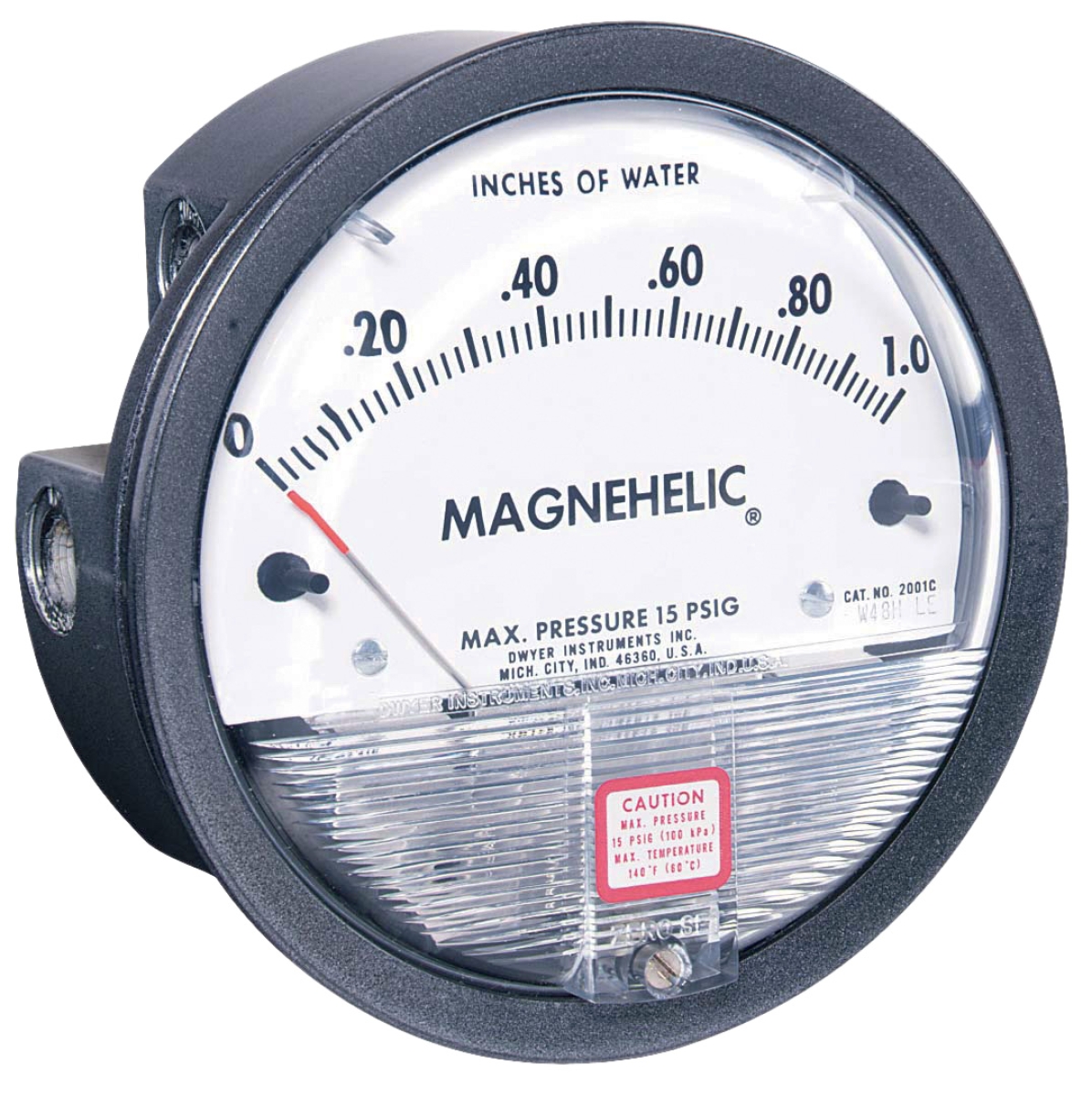
Pressure monitoring becomes non-negotiable in ATEX gas systems. The Dwyer Magnehelic pressure gauge 2000-8KPA measures differential pressure (0–8 kPa) with a 4-inch dial and 1/8 inch female NPT connection, operating across -6.67–60°C ranges. While this gauge addresses HVAC and cleanroom applications primarily, many Singapore pharmaceutical facilities employ similar differential pressure monitoring to detect filter blockages and system imbalances in gas supply lines.
Critically, pressure gauges themselves rarely require ATEX certification in gas distribution applications. Instead, procurement teams must ensure the gauge is installed in a non-hazardous zone or behind a certified isolation valve. This creates a two-component specification: the gauge (standard commercial instrument) plus the isolation valve (ATEX-rated if installed in hazardous area) protecting it.
Procurement Workflow and Compliance Documentation for Singapore Operations
Successfully deploying ATEX equipment in Singapore requires structured procurement methodology. Over 35 years serving this region, 3G Electric has identified recurring procurement failures that delay commissioning and create safety liabilities:
Pre-specification phase: Obtain hazard assessments from your facility's safety team documenting explosive atmosphere classification (Zone 0, Zone 1, or Zone 2) and substance group (IIA, IIB, or IIC—critical for temperature rating selection). This 2-4 week step cannot be compressed; proceeding without it guarantees specification errors.
ATEX documentation requirements: Request EU Declaration of Conformity (DoC) and technical file summaries for all certified components. Singapore's MOM accepts EU ATEX certification under the ASEAN mutual recognition framework, but documentation must accompany equipment. Distributors (including 3G Electric) cannot issue certification themselves—we supply equipment with full certification documentation that your facility files for regulatory records.
Lead time planning: ATEX-certified spray guns and solenoid valves carry 12-16 week lead times from European manufacturers. Procurement engineers must factor this into project timelines; expediting adds 25-30% cost premiums and often proves impossible for specialized items. Standard non-certified industrial equipment (pumps, gearboxes) ship within 4-6 weeks from regional distributors.
Integration testing: Before deploying ATEX equipment in hazardous zones, conduct pressure testing and operational verification in your facility's technical workshop (non-hazardous area). This allows troubleshooting without regulatory complications. Many facilities fail to budget 2-3 days for this phase, then encounter unexpected issues during on-site commissioning.
Spare parts strategy: ATEX equipment requires specific spare components certified to match the original assembly. Standard spray gun seals or valve internals do not substitute. Develop a parts inventory early, purchasing certified spares alongside primary equipment. This investment—typically 15-20% of equipment cost—prevents extended downtime if component failure occurs and regional stock is unavailable.
Singapore's competitive industrial environment means procurement engineers increasingly face pressure to reduce equipment costs. ATEX compliance cannot be compromised for savings; instead, focus cost optimization on system architecture (placing non-certified components in non-hazardous zones), lead time management (ordering 6 months ahead), and bulk purchasing across multiple facilities if your organization operates multiple sites.
3G Electric's supplier relationships with Pratissoli, Interpump, Elektrogas, and Dwyer provide access to technical specifications and application engineering support throughout your procurement process. Our 35-year track record in Southeast Asia means we understand Singapore-specific installation practices, regulatory interpretation, and equipment performance in tropical conditions—advantages that translate to smoother projects and faster commissioning timelines.