Understanding Multi-Component Pressure System Architecture
Modern industrial operations depend on integrated pressure systems where regulators, pumps, nozzles, and valves work in synchronized harmony. When maintenance teams approach Maintenance & Service with a systems perspective rather than component-by-component, downtime decreases significantly and equipment lifespan extends. Over 35 years, 3G Electric has distributed equipment to thousands of facilities, revealing that approximately 60% of pressure system failures stem not from component defects but from interdependencies maintenance teams overlooked.
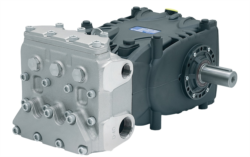
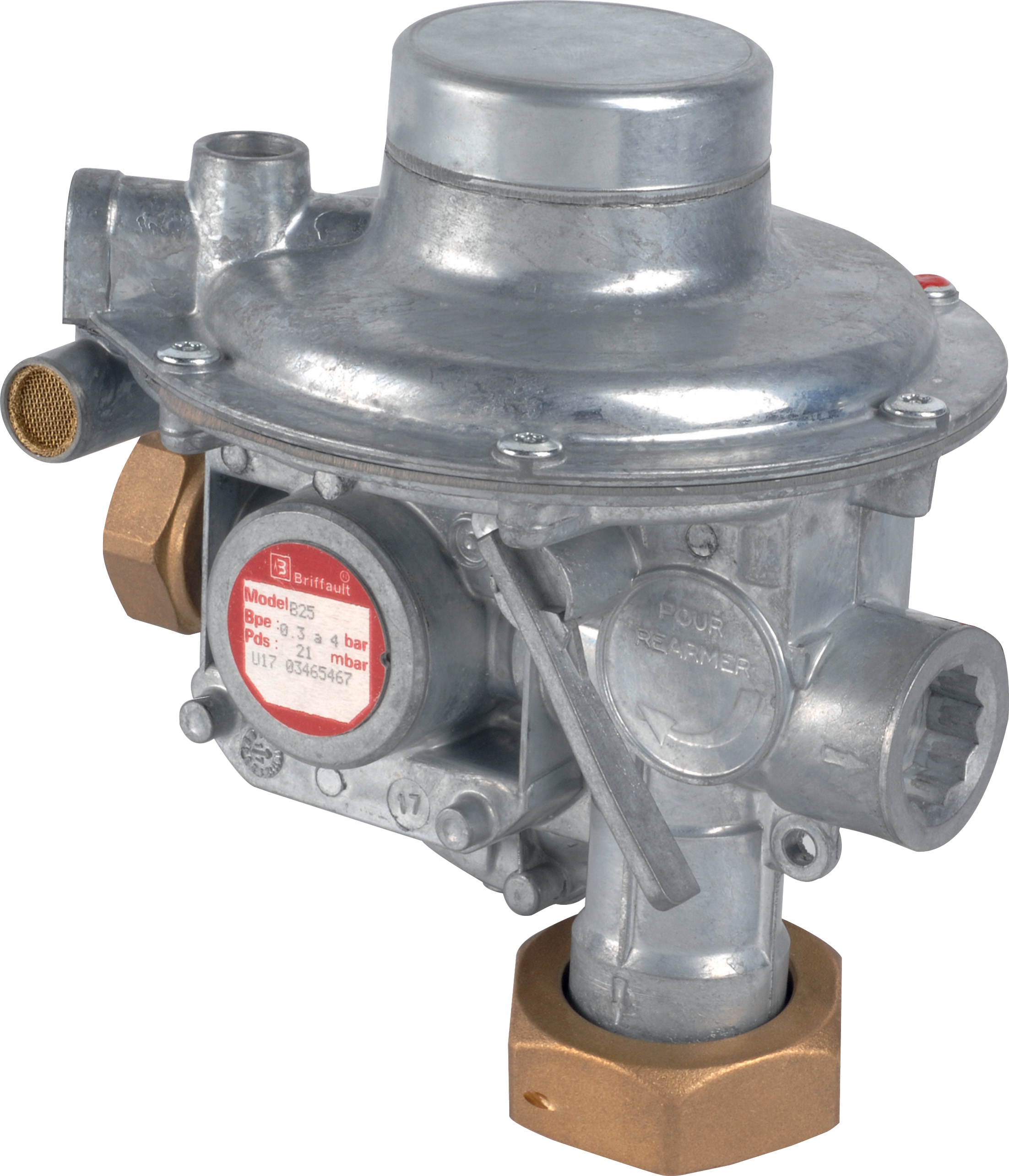
A pressure system's reliability reflects the weakest diagnostic link in your maintenance chain. Consider a typical industrial spray or burner application: the Francel B25/37mb pressure regulator with integrated safety relief maintains outlet pressure stability, but its performance depends entirely on inlet pressure consistency from upstream KF30 high-performance pumps operating at rated flow and pressure. If your pump maintenance schedule ignores bearing wear indicators or seal degradation, regulator drift begins even though the regulator itself functions nominally. Effective Maintenance & Service requires tracking these interdependencies through integrated condition monitoring.
The regulator's 37 mbar outlet pressure and 10 mm vent size are precisely calibrated. A blocked vent passage—often caused by particulate contamination from worn pump seals—creates backpressure that destabilizes the entire system. Your maintenance protocols must therefore address root causes across component boundaries, not symptoms at isolated points.
Diagnostic Frameworks: From Visual Inspection to Pressure Mapping
Maintenance teams need structured diagnostic hierarchies that progress from rapid visual assessment to detailed pressure analysis. Begin with visual inspections that require no instrumentation but reveal critical degradation patterns.
Phase 1: Visual & Acoustic Diagnostics (5-10 minutes per system)
Examine regulator diaphragm housing for micro-cracks or corrosion bloom. These subtle visual indicators often precede pressure drift by weeks. Listen for high-frequency bearing chirps from MW40 high-pressure pumps or KF30 units, which indicate bearing preload loss before catastrophic failure. Check nozzle spray patterns—deviation from design geometry signals internal erosion in Euspray flat jet nozzles that reduces system efficiency by 15-25% before pressure anomalies appear on gauges.
Document findings using standardized visual codes: green (normal), yellow (monitoring scheduled), red (repair within 48 hours). This simple system prevents interpretation drift across different technicians and creates auditable maintenance history.
Phase 2: Pressure & Flow Baseline Mapping
Establish baseline pressure profiles at three system points: pump discharge, regulator inlet, and regulator outlet. For systems using KF30 pumps (106 L/min, 200 bar nominal), expect outlet pressure within ±5 bar of setpoint under steady load. Baseline mapping requires digital pressure transducers (0.5% accuracy minimum) and flow measurement at standardized operating temperatures.
Create pressure vs. flow curves for your specific system configuration. Plot these curves monthly rather than reacting to single-point readings. Pressure drift curves reveal component degradation before functional failure: a regulator showing +2 bar drift monthly needs replacement within 60 days, while +0.3 bar monthly drift can persist for 6-8 months safely.
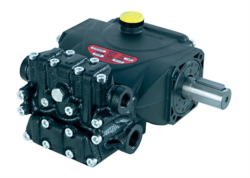
For Interpump E1D1808 compact gear pumps operating at 180 bar, measure discharge temperature weekly. Temperature rise >10°C above baseline indicates internal leakage through worn gears—early warning of flow degradation before pressure sensing detects problems.
Phase 3: Component-Specific Diagnostic Markers
Regulator performance degradation follows predictable patterns. The Francel B25/37mb regulator begins showing measurable drift when diaphragm spring tension decreases; this correlates with outlet pressure trending high by 1-2 mbar per week. Integrated safety relief activation frequency (monitor audible venting) increasing from once monthly to weekly indicates imminent regulator replacement.
Pump wear patterns differ by design: KF30 and MW40 Pratissoli pumps exhibit discharge pressure ripple increases as gear tooth wear progresses. Measure pressure ripple using oscilloscope capture at discharge line—ripple amplitude >10 bar indicates 60-70% gear life consumed; >20 bar indicates <10% remaining service life.
Nozzle degradation appears as spray angle widening or pattern asymmetry. The Euspray flat jet nozzle's nominal 25° spray angle drifts to 28-32° as the orifice erodes. This angle drift correlates directly with system efficiency loss: each 1° increase reduces target coverage uniformity by approximately 3-5%.
Preventive Maintenance Scheduling Aligned with Failure Curves
Run-to-failure maintenance is economically rational only if component cost is <3% of system downtime cost. For most industrial applications, preventive scheduling based on observed degradation curves maximizes ROI.
Pump Service Intervals
KF30 pumps operating 8 hours daily at rated pressure should receive bearing preload inspection every 500 operating hours, seal replacement every 1,200 operating hours, and complete rebuild at 3,000-3,500 operating hours. MW40 high-capacity units typically last 2,500-3,200 operating hours before gear wear becomes measurable. However, these intervals compress 40-60% in high-contamination environments—adjust schedules based on inlet filter differential pressure trends.
Create a maintenance log capturing: operating hours, discharge pressure, discharge temperature, pressure ripple amplitude (if measured), and noise observations. After 200 operating hours, plot these parameters. If discharge temperature has risen >8°C from baseline, initiate seal inspection. If pressure ripple has increased >3 bar, schedule bearing replacement within 100 hours.
Regulator Service Intervals
The Francel B25/37mb regulator requires outlet pressure verification every 250 operating hours (or quarterly if lower). Schedule diaphragm replacement every 18 months regardless of drift measurements—diaphragm material fatigue becomes critical before pressure drift reaches ±10% tolerance. The integrated safety relief should be bench-tested annually: confirm relief cracking pressure ±2% of setpoint and flow capacity at 110% of relief setpoint.
Nozzle Replacement Protocols
Euspray flat jet nozzles should be replaced when spray angle exceeds nominal by >2° or when flow rate at constant pressure drops >5% from baseline. For industrial spray systems, replacement every 6-12 months minimizes performance drift. Do not attempt field repair of worn nozzles—orifice rework tools create stress concentrations that reduce service life by 30-40%.
Spare Parts Management and Component Lifecycle Optimization
Maintenance teams fail most often when replacement parts are unavailable at failure moments. 3G Electric's 35+ years distributing equipment across global markets has enabled us to observe that facilities maintaining 15-25% spare inventory of critical components experience 70% fewer emergency outsourcing delays.
For critical systems, maintain minimum stock:
- Regulator diaphragms and springs for each regulator model in service (cost: $150-400 per kit; replacement time: 30 minutes; emergency sourcing delay: 5-10 days)
- Pump bearing kits and seal assemblies (cost: $300-800; replacement time: 2-4 hours; emergency delay: 7-14 days)
- Nozzle replacement sets (cost: $100-300 per 5-pack; replacement time: 5-10 minutes; emergency delay: 3-5 days)
- Isolation ball valves for test point access (cost: $80-200; facilitate diagnostic sampling without system shutdown)
Rotate stock quarterly using FIFO (first-in, first-out) protocols to prevent elastomer degradation in stored seals and diaphragms. Elastomer materials deteriorate even in storage—a 3-year-old pump seal kit exhibits 15-30% reduced service life compared to newly manufactured identical components.
Document component sources and lead times in your CMMS (Computerized Maintenance Management System). When KF30 pump bearing preload adjustment is specified by your technician, the CMMS should immediately flag that sourcing this bearing kit from 3G Electric requires 2-3 business days, enabling proactive part requests rather than reactive emergency purchasing.
Integrating Condition-Based Monitoring Into Routine Maintenance & Service
Condition-based maintenance (CBM) uses real-time or periodic sensor data to optimize service intervals. Rather than replacing components at fixed hours, replace when diagnostic markers indicate degradation approaching critical thresholds.
For systems where downtime cost exceeds $5,000 per hour, install permanent pressure transducers at pump discharge and regulator outlet. Modern 4-20 mA transducers cost $150-350 and integrate into existing industrial networks (Modbus, Profibus). Your maintenance team monitors pressure trends from the control room, triggering service calls when pressure drift accelerates rather than waiting for scheduled intervals.
Temperature monitoring on MW40 and KF30 pump discharge lines provides early contamination detection: when discharge temperature rises >15°C above steady-state baseline within a 2-week period, internal leakage has increased significantly—schedule immediate seal inspection before catastrophic seal failure releases high-pressure fluid.
Vibration analysis on pump discharge lines detects bearing wear earlier than temperature or pressure sensing. Simple accelerometers (cost: $200-400) capture bearing defect frequencies; when bearing race defect signatures exceed background noise by >6 dB, bearing replacement is imminent.
Document all condition-based triggers in your maintenance plan:
- Pressure drift >±10% setpoint → regulator service within 48 hours
- Discharge temperature rise >15°C → seal/bearing inspection within 5 days
- Pressure ripple increase >10 bar → gear pump rebuild scheduling within 30 days
- Nozzle spray angle drift >2° → nozzle replacement during next scheduled maintenance window
Condition-based approaches reduce premature component replacement by 20-35% while simultaneously reducing emergency failures by 40-60%—a compound benefit that justifies sensor investment within 12-18 months for critical systems.