Understanding Gas Valve Safety Relief Architecture
Gas valves and regulation systems form the critical backbone of industrial gas distribution networks, where safety relief mechanisms serve as the final protection layer against catastrophic pressure excursions. At 3G Electric, our 35+ years of experience supplying industrial equipment globally has demonstrated that effective pressure containment begins with understanding how safety relief valves function within integrated regulation systems.
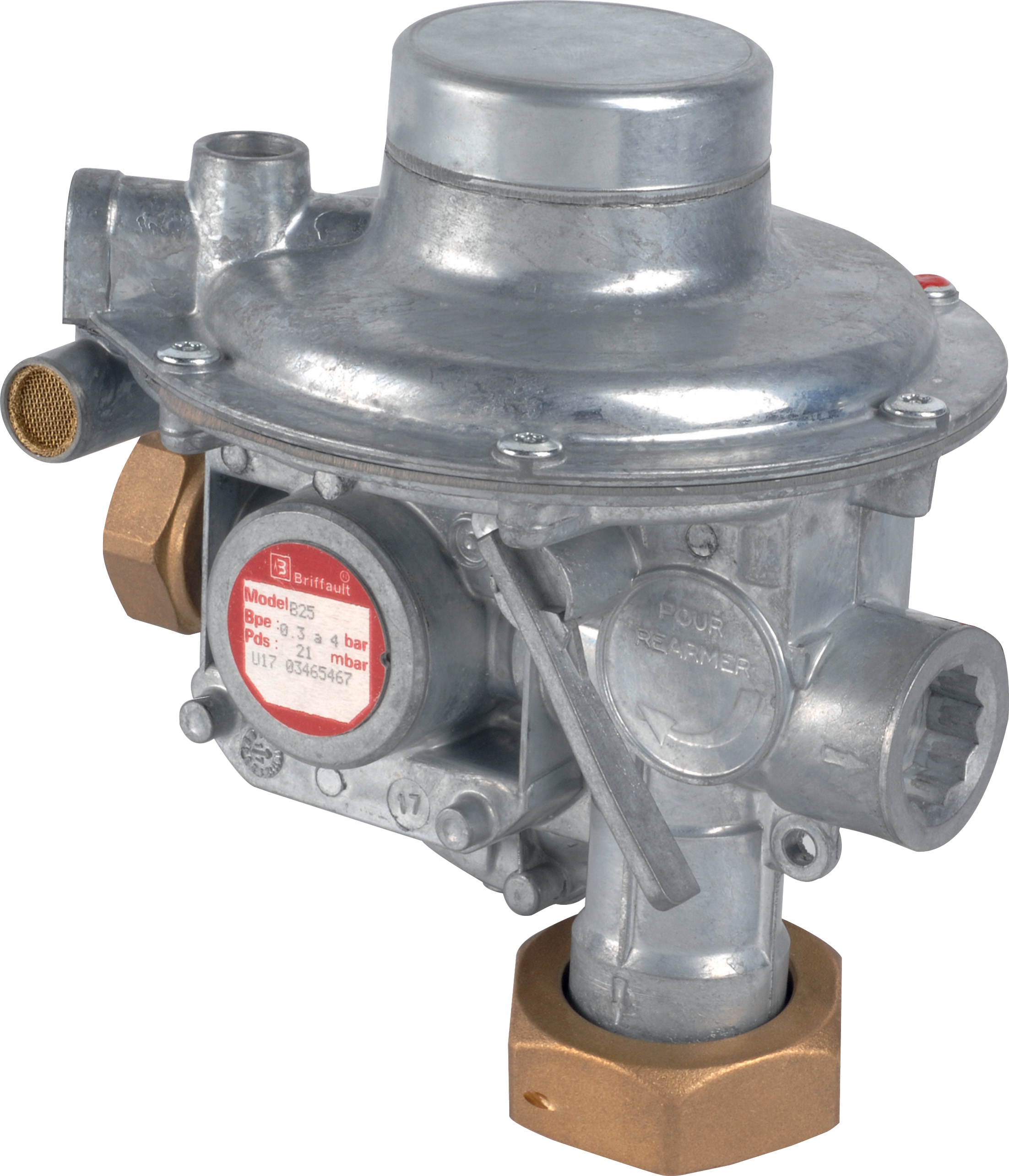
Safety relief valves operate on a fundamental principle: they maintain system pressure below a predetermined setpoint while permitting controlled gas venting when that threshold is exceeded. Unlike simple shutoff valves, relief valves provide continuous monitoring and automatic response, making them indispensable in applications ranging from laboratory gas distribution to high-pressure industrial processes. The Francel B25/37mb pressure regulator with integrated safety relief exemplifies modern relief valve design, delivering stable 37 mbar outlet pressure while maintaining a 10 mm vent size for controlled gas discharge.
The architectural distinction between different relief valve classes—pilot-operated versus direct-acting, integrated versus standalone—determines their suitability for specific applications. Direct-acting relief valves respond immediately to pressure changes, making them ideal for smaller systems where response time is critical. Pilot-operated designs, conversely, use a small pilot stream to control larger main valve openings, reducing control line pressure requirements and improving accuracy in medium to large-scale systems. Industrial professionals must understand these distinctions when specifying relief protection for new installations or retrofitting existing systems.
Outlet Pressure Configuration and Containment Protocols
Precise outlet pressure regulation requires careful calibration of spring tension, vent sizing, and downstream piping geometry. Most industrial applications operate within a narrow pressure band—typically 0.5 to 2 bar absolute for laboratory work and up to 6 bar for pneumatic control applications—where even minor deviations compromise equipment performance or create safety hazards.
The outlet pressure setting represents the equilibrium point where inlet pressure, spring force, and pilot signal combine to maintain stable gas delivery. When selecting a regulator, industrial professionals must verify that the outlet pressure rating matches downstream equipment specifications. A 37 mbar outlet pressure regulator like the Francel B25/37mb requires integration with appropriate vent manifolding to ensure vented gas safely exits the system without creating localized overpressure zones.
Vent sizing proves critical because undersized vents restrict relief valve response capacity, allowing pressure spikes that damage downstream components. The 10 mm vent specification on premium regulators ensures adequate discharge flow without excessive backpressure. In applications exceeding 1 kg/min venting capacity, facility engineers must size external vent piping to atmosphere or, in hazardous environments, route vented gas through scrubbing systems or safety headers.
Containment protocols extend beyond mechanical valve design to encompass entire system architecture. Secondary containment measures include:
- Isolation block valve manifolds: Enable testing and maintenance of relief valves without depressurizing entire systems
- Pressure instrumentation: Accurate gauges at inlet, outlet, and pilot signal points enable technicians to diagnose regulation failures before safety margins erode
- Thermal protection: Heat-tracing and insulation maintain gas density consistency, preventing unintended pressure fluctuations during seasonal temperature variations
- Redundant relief capacity: Critical applications justify dual-path relief systems where one valve services normal operation while a second path handles emergency overpressure conditions
End-of-Stroke Valve Integration for Pneumatic Systems
Industrial gas systems frequently employ end-of-stroke valves at pneumatic actuator endpoints to prevent pressure accumulation after cylinder extension or retraction. These specialized control valves serve dual purposes: they exhaust pilot pressure when actuators reach their mechanical limits while simultaneously isolating main gas supply, preventing uncontrolled pressure rise within sealed volumes.
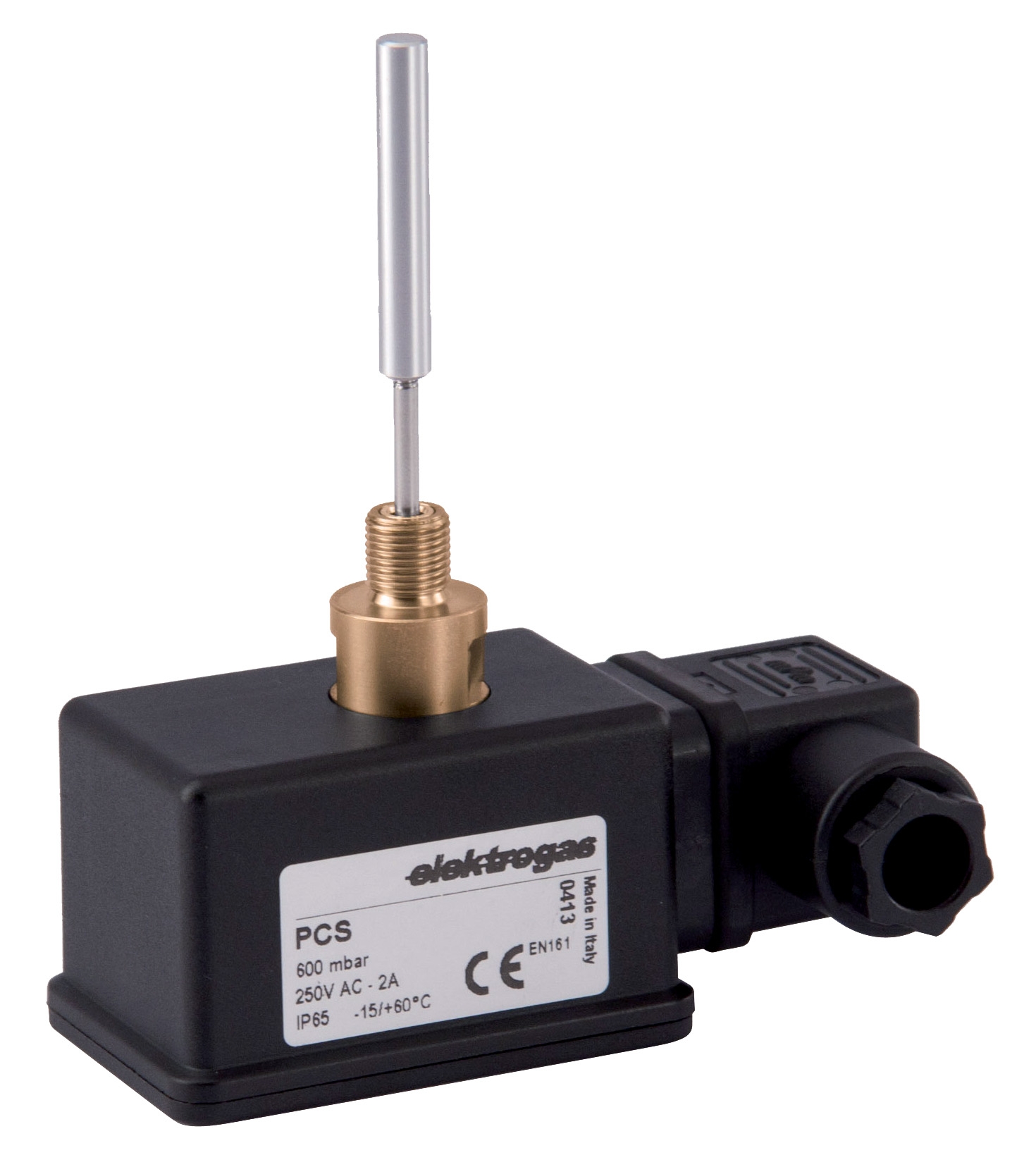
The Elektrogas VMM 20-25 end-of-stroke contact gas valve demonstrates modern design practices for this critical function, with EN 161 compliance ensuring compatibility with European safety standards. Rated for 6 bar continuous operation, this valve design accommodates adjustment via 3 mm Allen wrench, permitting field technicians to fine-tune response timing without requiring specialized tooling or factory recalibration.
End-of-stroke valves require careful integration with master pressure regulators because they operate on differential pressure principles. When pneumatic actuators extend or retract fully, mechanical switches trigger solenoid coils that energize the end-of-stroke valve cartridge. This action vents pilot signal pressure, causing the main supply valve to close while simultaneously opening vent paths. The sequence must occur within milliseconds to prevent overshoots that damage downstream equipment.
Proper installation demands:
- Pilot line sizing: Pilot passages must be sized to permit rapid pressure bleed-down; undersized pilots delay valve closure and permit pressure excursions
- Solenoid supply pressure: Maintain stable pilot supply pressure independent of main system fluctuations; dedicated regulator stages ensure consistent solenoid response
- Mechanical limit switch verification: Test mechanical switches regularly because worn or misaligned switches delay electrical signals and allow unintended pressure accumulation
- Temperature compensation: High-temperature applications require special cartridge materials; standard designs lose response accuracy above 50°C ambient
System Design Principles for Safe Pressure Containment
Industrial gas systems demand hierarchical pressure management where each stage reduces pressure stepwise from supply source toward final application points. This cascade approach prevents excessive pressure from reaching sensitive control components and simplifies safety relief requirements at each stage.
A typical three-stage system architecture includes primary regulation (supply pressure to working pressure, typically 4–6 bar), secondary regulation (working pressure to pilot supply, roughly 1–2 bar), and tertiary regulation (pilot supply to final actuators, 0.5–1 bar). Each stage incorporates its own relief valve sized appropriately for maximum flow at that pressure level. This separation ensures that relief valve oversizing at higher pressure stages does not compromise regulation accuracy at lower stages.
High-pressure pneumatic systems—particularly those exceeding 3 bar outlet pressure—justify installation of solenoid pilot-operated relief valves that enable remote depressurization during emergency conditions. Unlike manual relief valves requiring direct human intervention, electrically controlled relief permits rapid system shutdown from distant control locations, critical for hazardous environments or remote installations.
Facility design should incorporate several additional safeguards:
- Pressure boundary inspection protocols: Quarterly ultrasonic testing or dye-penetrant examination identifies micro-fractures in manifold castings before catastrophic failure occurs
- Documentation systems: Maintain detailed pressure setting records for each relief valve; this enables technicians to quickly identify valves requiring recalibration
- Vent system design: Route all relief and pilot vent lines to non-hazardous areas or containment vessels; never permit vented gas to discharge directly into occupied work zones
- Pressure relief testing: Annually calibrate bench-test relief valves against certified reference standards; field testing provides only qualitative confirmation of functionality
Industrial applications often demand customized relief valve solutions. While standard regulators serve general purposes, specialized environments—cryogenic gas transfer, corrosive chemical processes, or extreme temperature service—require pressure regulators with enhanced material compatibility and specialized vent designs. This is where partnership with experienced distributors becomes essential; 3G Electric's extensive inventory and technical support staff help identify solutions matching your specific containment and regulation requirements.
The integration of modern valve technologies like the Francel B25/37mb regulator with advanced manifold design creates integrated systems where pressure management, safety relief, and pilot control functions operate as coordinated units rather than isolated components. This holistic approach to gas valve and regulation system design ensures that your industrial operations maintain consistent pressure delivery while providing defense-in-depth protection against overpressure hazards.