Temperature and Pressure Measurement Troubleshooting: Diagnostic Procedures for Industrial Systems Globally
Industrial facilities worldwide depend on accurate temperature and pressure readings to maintain operational efficiency, ensure product quality, and meet safety compliance standards. When measurement instruments fail or deliver unreliable data, production delays and safety risks multiply rapidly. Procurement and purchase engineers responsible for maintaining measurement and detection systems need practical diagnostic protocols that pinpoint failure modes without requiring extensive downtime or expensive service calls. This troubleshooting guide walks through systematic diagnostic procedures for common temperature and pressure measurement failures, from simple display issues to complex sensor degradation, using real-world scenarios relevant to global industrial operations.
Understanding Temperature and Pressure Sensor Failure Modes
Temperature and pressure measurement systems fail in predictable patterns that skilled technicians can identify quickly through systematic testing. Both digital and analog instruments experience similar categories of failure: sensor signal loss, mechanical damage, calibration drift, environmental stress, and electrical connection issues. Unlike single-purpose detectors, integrated temperature and pressure systems have multiple potential failure points—the sensing element itself, the transmission pathway, the display mechanism, and the power supply.
Mechanical pressure gauges rely on Bourdon tube elements that respond to pressure changes, converting mechanical motion into dial position. Over time, these tubes lose elasticity due to material fatigue, repeated pressure cycling, or exposure to corrosive media. Thermometers with glass bulbs and stems experience similar degradation—the fluid inside expands and contracts with temperature, but thermal shock, vibration, and manufacturing defects can cause internal capillary blockages or bulb fractures. Digital instruments add complexity through electronic circuits, batteries, and microprocessor logic that can fail independently of the sensing element.
Environmental factors heavily influence failure rates. Tropical climates with high humidity accelerate corrosion of metal components and electrical contacts. Temperature extremes cause solder joint failure in circuit boards and reduce battery lifespan dramatically. Vibration in manufacturing environments loosens internal connections and damages delicate sensor elements. Understanding these failure modes helps procurement engineers specify instruments with appropriate materials and protection levels, reducing unexpected downtime across global operations.
Diagnostic Procedures Using Integrated Measurement Tools
Systematic troubleshooting begins with understanding which measurement and detection tools work together to isolate problems. When a facility suspects a faulty temperature or pressure reading, technicians must first confirm whether the instrument itself is failing or whether the process condition has genuinely changed. This requires cross-verification using independent measurement methods.
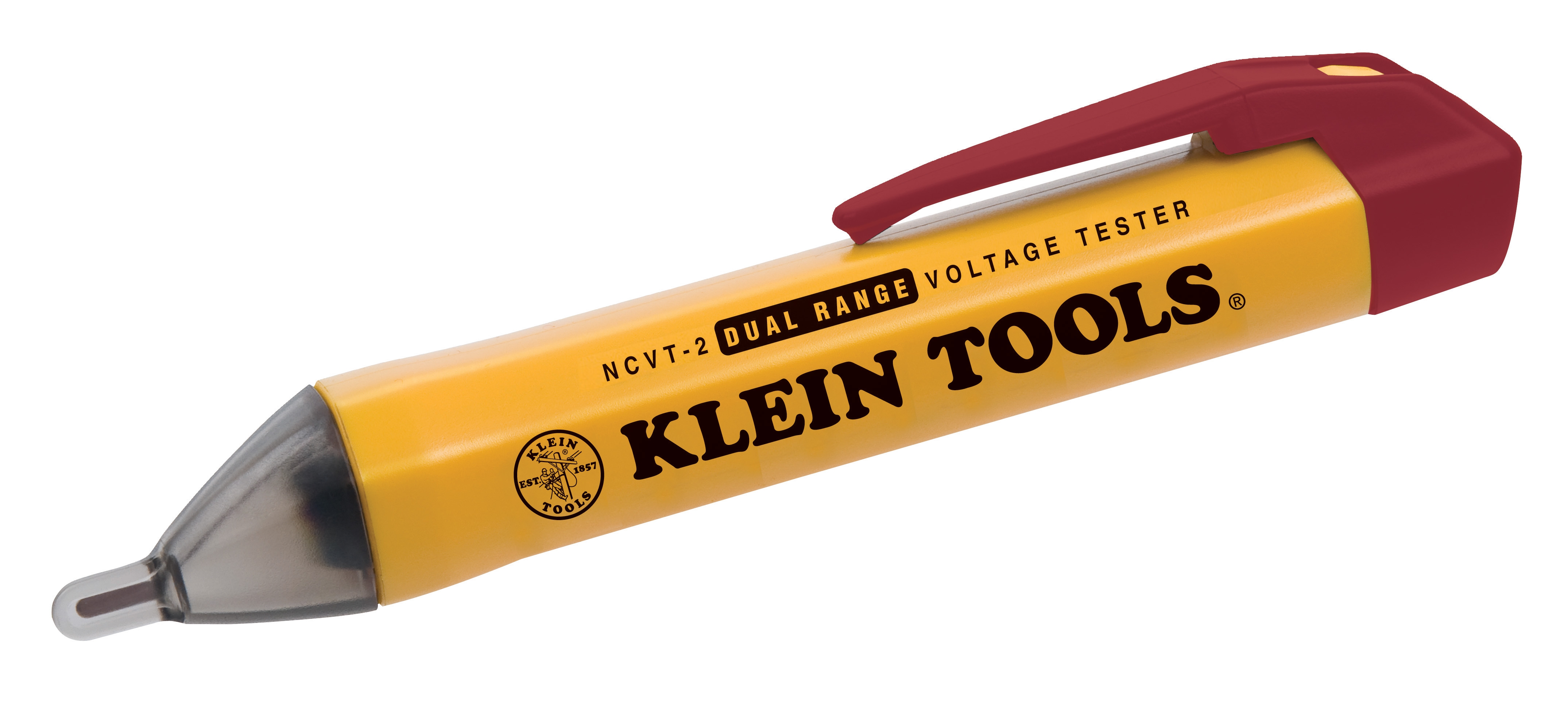
For pressure system diagnostics, the CBM Non-contact Voltage Detector serves as a critical starting point for digital instruments. Many modern pressure systems include electronic displays or transmitters; verifying that power reaches the device—without making direct contact—eliminates voltage supply issues as a cause. The detector's dual-range capability and 6 mm maximum detection range make it ideal for confirming energized circuits in tight panel spaces where direct probe access is limited. If no voltage is present, the problem traces to power supply, fuses, or battery rather than the sensing element.
Once power is confirmed, the CBM Automatic Multimeter MM420 becomes essential for deeper electrical diagnosis. With 9V battery operation and selectable current ranges (400 mA low, 10 A high), this multimeter tests continuity of sensor wires, measures output voltage from transmitters, and verifies proper fuse function (400 mA/250 V rating standard across CBM instruments). For analog pressure gauges without electronics, the multimeter confirms that any gauge markings indicating mechanical failure—such as pointer jamming or erratic needle movement—reflect actual gauge malfunction rather than electrical issues affecting an associated transmitter.
Temperature measurement verification requires a reference standard. The CBM Axial Thermometer D65 (-40 to +40°C range, NPT connection) provides a reliable mechanical reference for cross-checking electronic thermometer readings. Position this reference probe in the same process location as the suspect instrument—in a thermowell alongside it if possible—and allow both instruments to stabilize for 10-15 minutes. A sustained temperature difference exceeding the specified accuracy limits of either instrument indicates calibration drift or sensor failure in the suspect unit. The black steel case and brass stem of this reference thermometer withstand typical industrial environments while maintaining mechanical simplicity that eliminates electronic failure modes during verification.
Real-World Troubleshooting Scenarios and Solutions
Scenario 1: Erratic Pressure Readings in Expansion Tank Systems
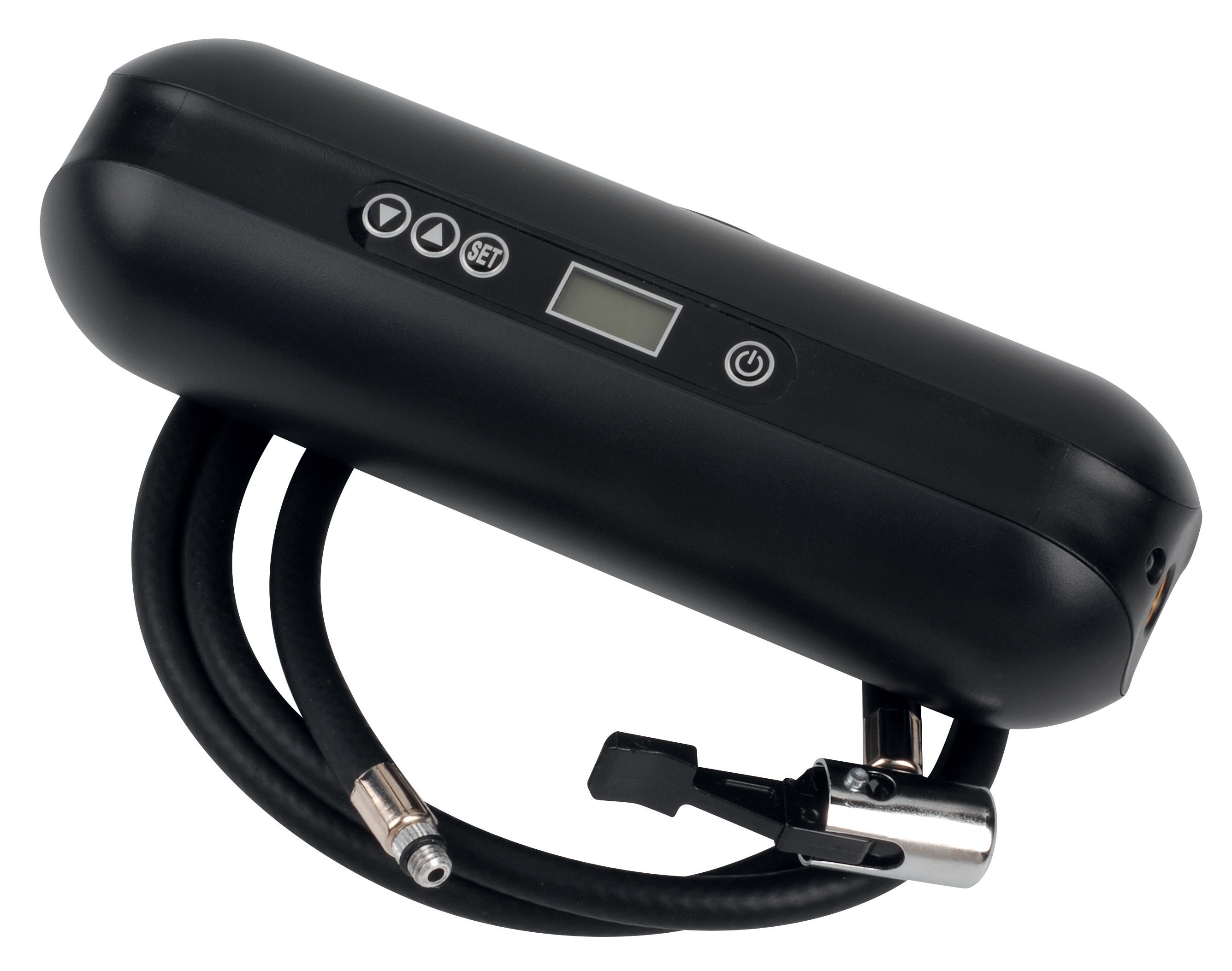
An industrial facility's expansion tank monitoring system shows pressure fluctuations that don't correlate with system operation. Using the CBM Expansion Tank Inflator Battery 2000 mAH, technicians can perform controlled pressure tests while monitoring readings. This device's digital display (supporting PSI, BAR, KPA, and KG/CM² units) and automatic pressure regulation make it ideal for test cycles. Inflate the system to known pressures in 1-bar increments and record gauge readings at each step. If the suspect gauge reads consistently high or low across the range but maintains proportional accuracy, calibration drift is likely. If readings jump randomly or fail to respond at specific pressure points, the Bourdon tube element has internal mechanical failure requiring gauge replacement. The inflator's operating temperature range (-20 to +60°C) suits both cold-storage and high-temperature industrial applications globally.
Scenario 2: Digital Thermometer Display Malfunction
A facility's digital temperature display shows "00" or frozen values despite correct ambient conditions. First, use the Non-contact Voltage Detector to confirm the display unit receives power. If power is present, remove the device and check the 9V battery (standard across CBM measurement tools). Many digital measurement instrument failures trace to depleted batteries rather than sensor damage—replacing the battery resolves the issue in 60% of cases. If replacement battery doesn't restore normal display, the internal circuit board likely has failure. However, before replacement, position the reference thermometer next to the suspected instrument for 15 minutes. If the reference shows stable readings while the digital unit displays errors, confirm the sensor itself functions by observing whether the display changes when the sensor is gently moved or exposed to different air temperatures (warm breath, ice water). No response to temperature changes indicates sensor disconnection or circuit failure.
Scenario 3: Pressure Gauge Pointer Sticks or Moves Sluggishly
Mechanical pressure gauge pointers stick at specific points or move slowly in response to pressure changes. This suggests either viscous fluid degradation inside the gauge case or mechanical friction from corrosion. For glycerin-filled gauges common in industrial use, glycerin viscosity changes at temperature extremes, causing sluggish pointer response. Verify ambient temperature using the reference thermometer. If the gauge operates outside its design temperature range (-40 to +40°C for many models), allow it to stabilize at typical operating temperature before making diagnostic judgments. If sluggish behavior persists at normal temperature, gentle tapping on the gauge case sometimes temporarily frees a sticky pointer—but this indicates imminent gauge failure. Schedule replacement to prevent complete pointer jamming.
Selection and Maintenance Best Practices
Procurement engineers specifying replacement measurement instruments should consider operational environment and required accuracy jointly. For systems requiring frequent verification testing, specify instruments with digital displays and multiple unit options (like the expansion tank inflator's support for PSI, BAR, KPA, and KG/CM²), reducing conversion errors and training needs across global facilities using different unit standards.
Establish a baseline calibration reference immediately after installation, not waiting until suspected failure. Record readings from new instruments against known reference standards before placing them in service. This baseline allows you to detect calibration drift—comparing current readings against established baselines reveals whether changes reflect genuine process conditions or instrument degradation.
For temperature-sensitive operations, maintain temperature-controlled storage for backup instruments and reference standards. The reference thermometer's black steel construction suits industrial environments, but storing it at stable temperature prevents thermal shock that can damage the internal glass capillary or create false readings.
Implement preventive battery replacement on all battery-dependent instruments on a fixed schedule (annually for instruments used monthly or less frequently, semi-annually for those used weekly). This eliminates battery-related failures as a diagnostic variable and ensures instruments function when needed.
Conclusion and Next Steps
Systematic troubleshooting of temperature and pressure measurement systems transforms what appears to be complex instrument failure into manageable diagnostic procedures. By confirming power supply using non-contact detection, verifying sensor function through multimeter continuity tests, and cross-referencing suspect readings against mechanical reference standards, procurement engineers can confidently distinguish genuine instrument failure from process condition changes or environmental stress effects.
The measurement and detection tools covered in this guide form an integrated troubleshooting toolkit suitable for industrial facilities worldwide. Rather than replacing instruments at first sign of uncertainty, this approach prioritizes diagnosis, reducing unnecessary replacement costs while identifying true failure modes requiring attention.
Building a comprehensive measurement and detection program requires not just understanding troubleshooting procedures, but having reliable, tested instruments on hand for reference and verification. 3G Electric has served as an experienced industrial equipment distributor since 1990, maintaining stock of CBM measurement instruments that meet global industrial standards. Whether you need replacement pressure gauges, digital measuring tools, or reference thermometers for verification testing, our team understands the diagnostic challenges procurement engineers face across diverse industrial applications. Contact 3G Electric today to discuss your measurement system requirements and build a preventive maintenance strategy that reduces downtime while improving diagnostic accuracy across your global operations.