
Understanding Measurement & Detection Accuracy Drift in Industrial Systems
Measurement & Detection equipment forms the critical backbone of industrial process control, yet accuracy degradation remains one of the most overlooked failure modes in facility management. Accuracy drift—the gradual deviation of sensor readings from true values—can compromise system performance, regulatory compliance, and operational safety long before catastrophic failure occurs.
Unlike sudden equipment failures that trigger immediate alarms, accuracy drift develops insidiously. A pressure transmitter losing 2-3% accuracy per year may continue functioning without obvious symptoms, yet this degradation accumulates to dangerous levels. In HVAC systems, a temperature probe drifting just 5°C can cause significant energy waste and comfort issues. In process industries, measurement errors propagate through control loops, requiring larger correction adjustments and destabilizing system performance.
With 35+ years of industrial equipment distribution experience, 3G Electric has observed that most accuracy-related failures stem from environmental stress, calibration neglect, and improper sensor mounting rather than manufacturing defects. Procurement engineers who understand the mechanisms of drift can implement cost-effective preventive strategies that extend sensor life by 40-50% and prevent costly production losses.
Root Causes of Accuracy Drift in Measurement & Detection Systems
Environmental Stress Factors
Temperature excursions represent the primary driver of sensor accuracy loss. Electronic components in transmitters and probes exhibit nonlinear thermal drift outside their specified operating ranges. For example, the Dwyer PT100 OHM RTD probe operates across -35.5 to +115.5°C, but accuracy specifications typically apply within narrower bands. Beyond these limits, resistance-temperature relationships shift, and recalibration becomes necessary.
Humidity and moisture ingress cause insidious failures in electrical measurement systems. Condensation inside transmitter housings creates leakage paths, increases electrical noise, and accelerates corrosion of internal circuit boards. In Singapore's tropical climate, facilities without proper cable management and sealed enclosures experience accelerated degradation. Water ingress into the Dwyer 616KD-13V-TC differential pressure transmitter can shift zero-point calibration by 2-5% within weeks.
Vibration and mechanical stress degrade sensor components through fatigue and crystalline defect formation. Pressure gauges mounted directly on vibrating equipment experience bearing wear and pointer calibration drift. Probe mounting without proper strain relief allows flex and micro-cracking in ceramic sensing elements.
Calibration and Zero-Point Drift
Zero-point drift occurs when a sensor's baseline reference shifts due to internal changes—elastic deformation of diaphragms, thermal expansion of housing materials, or electronic component aging. A pressure gauge like the Preciman stainless steel vertical pressure gauge with ±1.6% accuracy can drift to ±2.5% or worse if never recalibrated after installation. This drift accelerates in the first 6-12 months post-installation, then stabilizes, but continues gradual degradation thereafter.
Span drift—where the sensor's response to measurement changes becomes nonlinear—develops when sensing elements experience hysteresis. For differential pressure transmitters used in flow measurement applications, span drift manifests as increasingly inaccurate readings at measurement extremes while maintaining acceptable midrange accuracy.
Process Fluid Contamination and Sensor Fouling
In expansion tank and circulation systems, mineral deposits, corrosion byproducts, and microbial growth foul sensor surfaces. The CBM expansion tank inflator battery operates in systems where dissolved minerals precipitate during pressure cycling. These deposits coat pressure sensing diaphragms, creating measurement lags and reducing response speed. Flow probes like the Dwyer metal average flow probe MAFS-16 are particularly vulnerable to blockage from sediment accumulation, producing artificially high static pressure readings.
Systematic Diagnostic Procedures for Accuracy Assessment
Step 1: Baseline Reference Comparison Testing
The most reliable approach is dual-point comparison testing using calibrated reference instruments. Procurement engineers should maintain portable reference standards—typically accuracy class 0.5% or better—for field verification. For temperature measurement, immerse the suspect probe alongside a calibrated reference probe in constant-temperature oil baths at three points: 25°C, 50°C, and 75°C. Record readings after 15-minute stabilization periods. Drift exceeding ±0.5°C indicates calibration drift requiring service.
For pressure measurement, use a dual-gauge test panel. Connect both the installed transmitter and a reference gauge to the same pressure source, increasing pressure in 10-unit increments. Plot the deviation curve. Linear drift (constant offset) indicates zero-point drift; nonlinear deviations suggest span drift or nonlinearity development. Accept deviations up to ±2% of full-scale span; beyond this, arrange recalibration.
Step 2: Response Time and Lag Assessment
Response time degradation—where sensors react more slowly to measurement changes—often precedes accuracy drift. Perform step-response testing by introducing rapid pressure or temperature changes and measuring the time for sensor output to reach 90% of steady-state value. Compare against manufacturer specifications. If actual response time exceeds specification by >20%, contamination or internal mechanical stiction is likely; schedule cleaning or recalibration.
For flow measurement applications using probes like the MAFS-16, decreased sensitivity to velocity changes indicates sediment accumulation. Perform a visual inspection if accessible—deposits appear as brownish crusting. Even light fouling can increase response lag from 5 seconds to 15+ seconds, destabilizing flow control loops.
Step 3: Environmental Stress Assessment
Document the sensor's operating history: actual temperature extremes experienced, moisture exposure incidents, and vibration environment. Cross-reference against specified operating limits. If a temperature probe rated 0-100°C experienced a single excursion to 130°C, expect permanent ±1-2°C offset drift. For sensors in chemically aggressive environments or exposed to salt spray (common in Singapore industrial zones), corrosion of external housing and connector pins accelerates failure. Visual inspection reveals white/green corrosion deposits on copper alloy wetted parts.
Step 4: Electrical Continuity and Insulation Testing
For transmitters and electrical probes, measure insulation resistance from signal conductor to ground using a 500 VDC megohmmeter. Values below 100 megohms indicate moisture ingress; below 10 megohms suggests imminent failure. For RTD probes, measure lead resistance—should be <1 ohm for copper leads. High lead resistance (>5 ohms) suggests corrosion or poor terminal contacts, requiring cleaning or replacement.
Preventive Maintenance and Calibration Protocols
Scheduled Calibration Intervals
Establish calibration intervals based on sensor criticality and environmental severity. For standard HVAC applications in controlled environments, 24-month intervals are acceptable. For industrial process measurement or equipment in harsh environments, reduce to 12-month intervals. Critical safety-related measurements should be verified every 6 months.
Maintain calibration records for all measurement devices, documenting pre- and post-calibration readings. This historical data reveals degradation trends—sensors showing >0.5% annual drift are reaching end-of-life and warrant replacement planning.
Installation Best Practices
Proper sensor installation prevents 60% of accuracy-related failures. Temperature probes like the Dwyer PT100 probe must be mounted with thermal wells sized for adequate immersion—minimum 70 mm for pipe mounting—to achieve representative readings. Avoid locations with direct solar radiation or artificial heat sources that create localized temperature errors.
Pressure transmitters and gauges require vibration isolation mounts on equipment with significant mechanical vibration. Use elastomeric dampers or snubber valves to reduce shock spikes and high-frequency oscillation. The Dwyer 616KD-13V-TC transmitter with barbed 3-5 mm tube connections should use reinforced tubing secured away from moving parts, preventing mechanical fatigue and kinking that alter pressure response.
Environmental Protection Measures
In Singapore's high-humidity tropical climate, sealed electrical enclosures with desiccant breathers protect transmitter electronics. Route all cables with drip loops and sealed connectors; avoid conduit entries at low points where condensation accumulates. Apply conformal coating to circuit boards in high-moisture environments—a cost-effective procedure that prevents salt-spray corrosion and extends transmitter life 3-5 years.
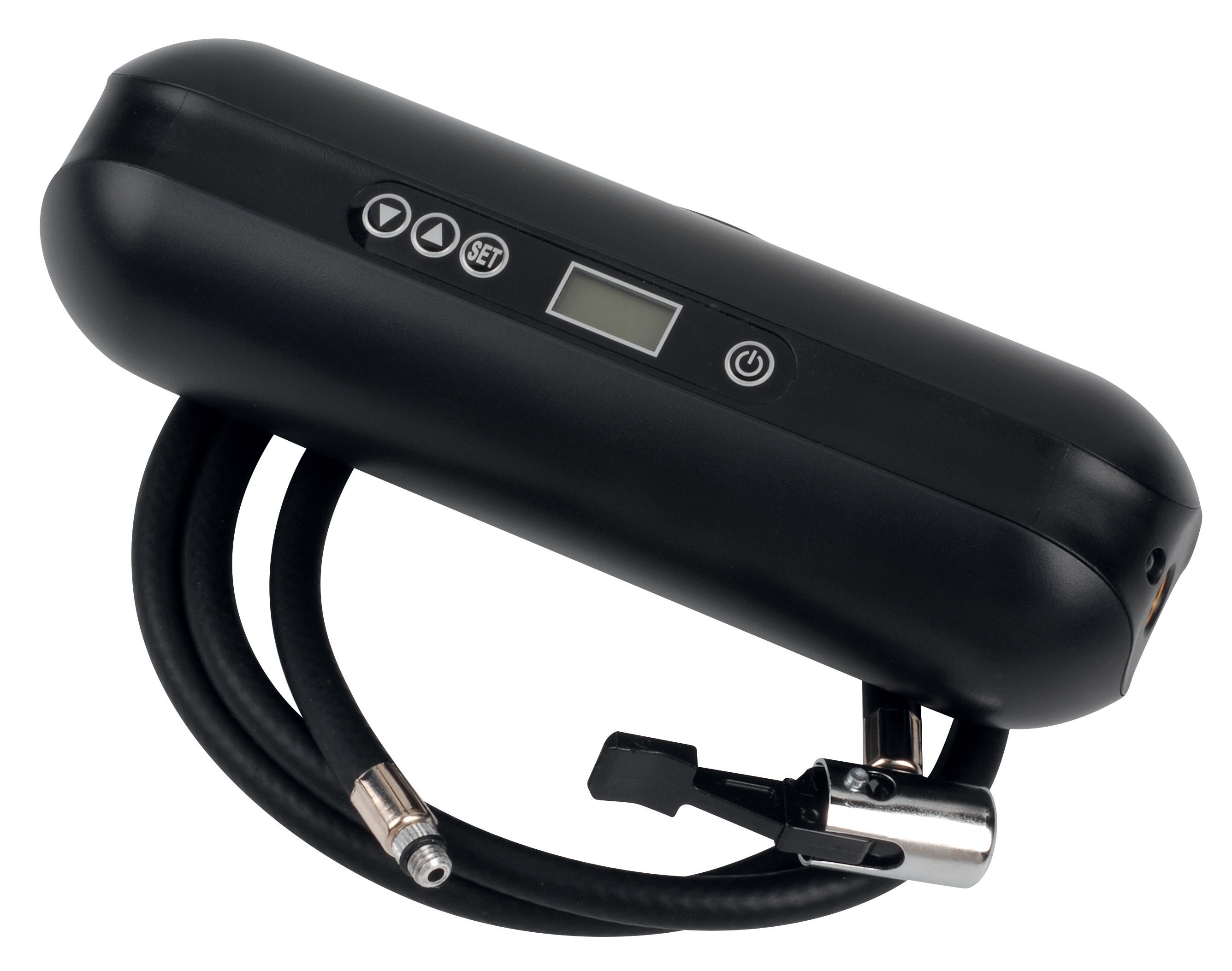
For expansion tank systems using the CBM inflator, implement strainer or settling tanks upstream to minimize sediment reaching pressure transducers. Install isolation ball valves allowing sensor removal without system depressurization—essential for periodic inspection and cleaning.
Flow Probe Maintenance
Flow probes accumulate sediment deposits requiring periodic cleaning. Establish a 12-month inspection schedule, especially for systems with marginal water treatment. The Dwyer MAFS-16 probe can be removed from the ductwork, inspected visually, and cleaned using soft brushes and distilled water if deposits are apparent. Never use compressed air, which can drive particles into sensing openings.
Practical Troubleshooting Decision Tree
When measurement accuracy appears questionable:
1. Verify reference standards are current—compare your handheld instruments against certified standards at least annually.
2. Perform dual-point testing—compare suspect sensor against reference standard simultaneously.
3. If deviation <±1.5% of span: Acceptable; continue monitoring. Increase calibration frequency by 6 months if environmental stress is evident.
4. If deviation ±1.5-3% of span: Schedule calibration service within 4-6 weeks. Until recalibration, document the offset and apply correction factors in control systems if needed.
5. If deviation >±3% of span or response time increased >30%: Remove sensor from service immediately. Either arrange emergency recalibration (24-48 hour turnaround) or replace with spare unit.
6. If insulation resistance <100 megohms: Moisture ingress is present. If sensor is mission-critical, replace immediately; allow failed unit to be professionally dried and tested before returning to inventory.
Working with 3G Electric's technical support team, procurement engineers can arrange on-site calibration verification using portable reference standards, eliminating sensor removal costs and production downtime for non-critical applications.
Documentation and Compliance Considerations
Industrial facilities operating under ISO 9001, pharmaceutical GMP, or environmental permits require documented measurement system analysis (MSA). Maintain calibration certificates and historical drift data for audit purposes. Implement a simple spreadsheet tracking calibration dates, measured deviations, and corrective actions. This documentation demonstrates due diligence in measurement control and protects against regulatory liability.
For critical measurements, conduct annual capability studies—plot 20-30 measurements from stable systems to verify Cpk (capability index) remains >1.33. Declining capability trends warn of measurement system degradation before accuracy failures occur.