
Understanding Measurement & Detection as a Procurement Strategic Asset
Measurement & Detection systems represent far more than simple monitoring tools—they are foundational infrastructure investments that procurement engineers must evaluate through a total cost of ownership (TCO) lens. In Southeast Asia's rapidly industrializing landscape, where supply chain disruptions are frequent and equipment downtime directly translates to revenue loss, the ability to detect anomalies before they cascade into failures becomes a competitive advantage.
With over 35 years of experience distributing industrial equipment across complex regional markets, 3G Electric has observed a fundamental shift in how leading procurement teams approach Measurement & Detection procurement. Rather than treating these systems as afterthought add-ons, forward-thinking organizations now integrate detection capabilities into their equipment specification phase, ensuring interoperability, data standardization, and long-term vendor support from the outset.
The Southeast Asian market presents unique procurement challenges: facilities often span multiple countries with varying regulatory standards, climatic extremes from tropical humidity to seasonal temperature swings, and supply chains vulnerable to component shortages. Measurement & Detection systems must therefore be selected not only for technical accuracy but for reliability under regional environmental conditions, parts availability, and local technical support infrastructure.
Strategic Selection Framework: Aligning Detection Systems with Procurement Objectives
Procurement engineers should evaluate Measurement & Detection systems across five critical dimensions that directly impact organizational outcomes:
Environmental Durability and Regional Compatibility
Southeast Asia's tropical climate presents corrosion, humidity, and temperature cycling challenges that compromise sensitive detection equipment. When evaluating pressure gauge options, specify stainless steel construction explicitly—the Preciman Stainless Steel Vertical Pressure Gauge D63 0/+40Mbar exemplifies this requirement, featuring 63mm dial clarity in high-humidity environments and ±1.6% accuracy that remains stable across seasonal temperature variations. This gauge's copper alloy wetted parts resist corrosion where standard carbon steel alternatives would degrade within 18-24 months of tropical exposure.
Temperature measurement presents similarly critical selection considerations. Industrial processes operating across Southeast Asian manufacturing plants experience ambient temperature swings from 18°C to 45°C, yet many detection probes lack adequate thermal compensation. The Dwyer Probe AVG PT100 OHM RTD L.65 operates across -35.5 to +115.5°C with ±0.6% accuracy at 0°C, providing measurement stability that protects process integrity across seasonal and diurnal temperature variations. The flexible copper capillary construction accommodates installation constraints in retrofit applications common across existing Southeast Asian facilities.
System Integration and Data Standardization
Procurement engineers increasingly confront the challenge of integrating detection systems purchased at different times from different vendors into coherent monitoring architectures. Differential pressure transmitters form the bridge between mechanical sensing and digital system integration. The Dwyer Transmitter 616KD-13V-TC delivers 0–1 IN W.C measurement with standardized 4-20 mA output that integrates seamlessly into existing SCADA and building management systems (BMS) already deployed across Southeast Asian facilities. At only 21 mA maximum power consumption, this transmitter minimizes electrical infrastructure upgrades when retrofitting legacy facilities.
When procurement teams specify transmitters, they should verify that output standards comply with ISA 50.1 (4-20 mA) or HART protocol where advanced diagnostics are required. This standardization prevents downstream integration costs and reduces technical support complexity across multi-facility operations.
Flow Measurement for HVAC System Optimization
HVAC systems consume 40-60% of industrial facility energy budgets across Southeast Asia, yet procurement teams often lack adequate flow measurement visibility that would justify optimized specification. The Dwyer Metal Average Flow Probe MAFS-16 measures static and total pressure across 16 cm probe length, enabling procurement teams to verify contractor commissioning quality and identify degradation patterns before they impact energy costs.
Specifying flow measurement capability during initial procurement discussions with mechanical contractors prevents expensive retrofit costs. A single poorly commissioned air distribution system can increase annual energy costs by 12-18% compared to properly balanced systems—costs that multiply across 10-20 facility networks typical of regional operations.
Expansion System Integrity and Preventive Maintenance
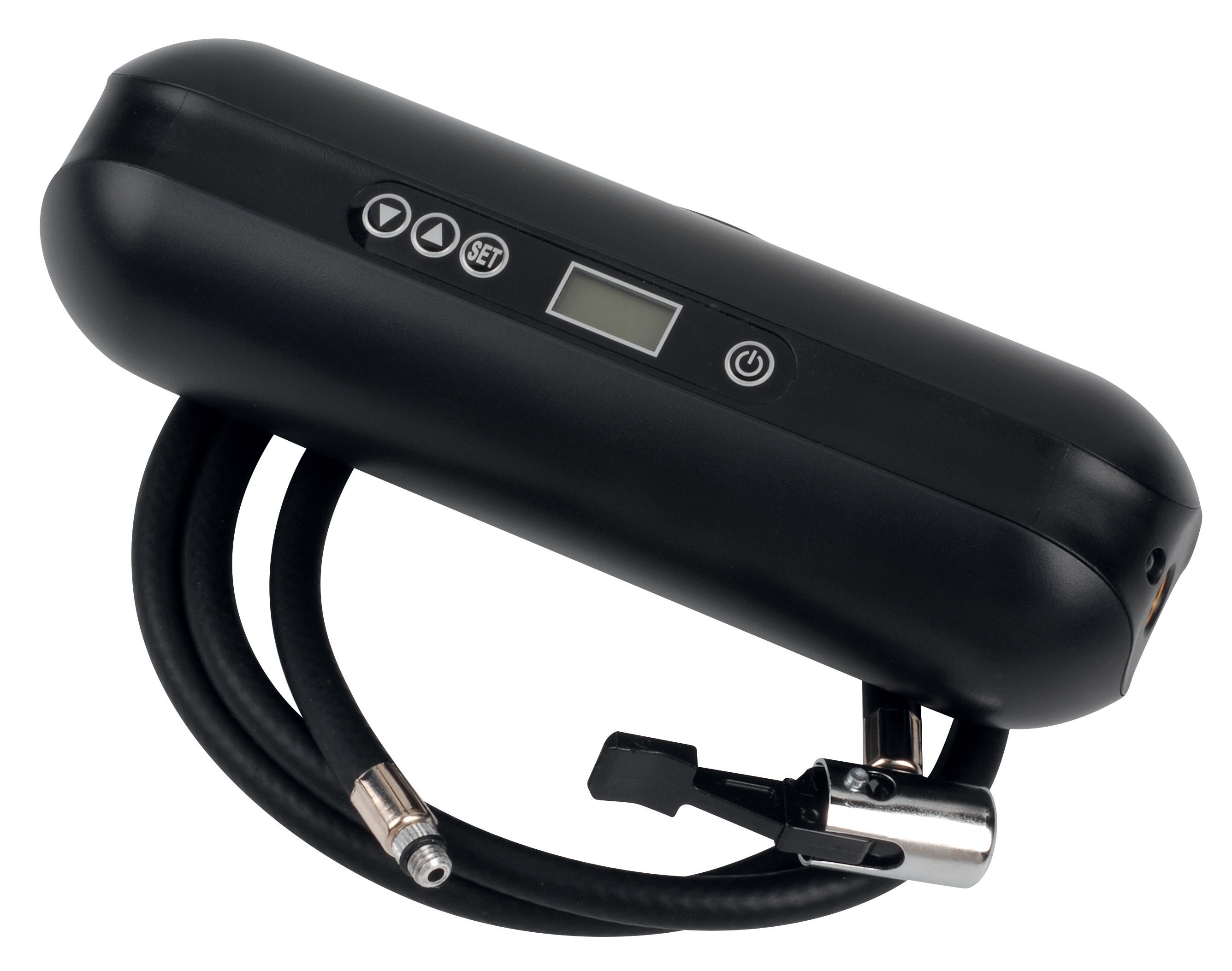
HVAC and heating systems across Southeast Asia operate under thermal stress from rapid daily temperature cycling. Expansion tank pressure maintenance represents a routine but often-overlooked procurement responsibility that prevents catastrophic system failures. The CBM Expansion Tank Inflator Battery 2000 mAH rated to 10.3 bar maximum pressure provides maintenance teams with accurate pressure commissioning across -20 to 60°C operating range, supporting multiple pressure unit displays for teams working across regional standards.
Procurement teams should specify that HVAC maintenance contracts explicitly include quarterly expansion tank pressure verification using calibrated equipment. The 2000 mAH battery capacity ensures field technicians maintain consistent measurement capability across distributed facility networks without recurring battery procurement requirements.
Procurement Implementation: Building Regional Detection Infrastructure
Phased Integration Strategy for Multi-Facility Networks
Southeast Asian organizations typically operate facility networks that developed incrementally over 10-20 year periods, with varying equipment ages and detection system maturity. Rather than attempting comprehensive simultaneous upgrades, procurement engineers should implement phased integration:
Phase 1 - Baseline Assessment (Months 1-3): Conduct facility-by-facility detection capability audit. Identify critical process measurement gaps where detection absence creates operational blind spots. Prioritize HVAC systems, compressed air networks, and thermal management systems where Measurement & Detection capabilities directly reduce energy costs.
Phase 2 - Pilot Implementation (Months 4-6): Select 2-3 representative facilities for detection system installation across heterogeneous equipment base. This pilot phase validates vendor support quality, integrator competency, and measurement data utility before full-scale deployment. Use pilot data to refine specifications and identify regional procurement optimization opportunities.
Phase 3 - Standardized Rollout (Months 7-18): Deploy standardized detection configurations across remaining facilities. With pilot experience established, procurement teams negotiate volume pricing that 3G Electric can leverage as a regional distributor with established supplier relationships across Southeast Asia.
Vendor Evaluation and Regional Support Infrastructure
Procurement engineers must evaluate detection equipment suppliers not only on technical specifications but on regional support infrastructure. Key vendor evaluation criteria include:
- Parts availability: Can replacement components be sourced within 5 business days across Southeast Asia, or do logistics chains extend 4-6 weeks through single distribution points?
- Technical support: Does the vendor maintain regional technical staff who understand local regulatory environments, or do all technical questions route through distant support centers?
- Training capabilities: Will the vendor provide on-site training for maintenance technicians, or do teams require costly international travel for certification?
- Calibration services: Are local calibration facilities available for regulatory compliance verification, or must equipment be returned to vendor facilities for certification?
3G Electric's 35+ years of industrial equipment distribution experience across Southeast Asia positions the company to address these regional procurement complexities. As a distributor with established supplier relationships, 3G Electric understands local regulatory variations, seasonal supply chain dynamics, and technical support availability that procurement engineers must factor into long-term sourcing strategies.
Data Integration and Procurement Analytics
Once Measurement & Detection systems are deployed, procurement teams should leverage measurement data to drive continuous sourcing optimization. Detection data reveals hidden patterns that improve procurement decisions:
- Pressure transient patterns indicate aging equipment requiring preventive replacement before failure
- Temperature trending identifies insulation degradation that increases energy consumption costs
- Flow measurement variance reveals ductwork contamination or component degradation requiring maintenance before system failure
- Differential pressure accumulation tracks filter clogging patterns that inform maintenance interval optimization
Procurement teams that integrate detection data into supplier performance metrics discover that high-quality detection equipment reduces total supply chain costs through improved maintenance planning, extended equipment lifecycles, and reduced emergency procurement events.
Regulatory Compliance and Risk Mitigation Across Regional Standards
Southeast Asia's industrial landscape spans countries with distinct regulatory frameworks—Singapore's stringent building standards, Malaysia's industrial safety requirements, Thailand's environmental regulations, and Vietnam's rapidly evolving compliance landscape. Measurement & Detection equipment must comply with applicable standards in each jurisdiction where facilities operate.
Key compliance considerations include:
- Pressure Equipment Directive (PED): Equipment with pressure ratings above specified thresholds requires CE marking and pressure equipment compliance documentation
- Building codes: Singapore's Building and Construction Authority (BCA), Malaysia's CIDB standards, and equivalent regional authorities specify minimum detection requirements for HVAC system commissioning
- Electrical safety: Equipment operating in industrial environments must comply with IEC 61010 (safety of electrical measurement equipment) or equivalent regional standards
- Environmental monitoring: Increasingly stringent regulations require documented temperature and humidity monitoring for manufacturing environments
Procurement teams should require suppliers to provide compliance documentation for each facility's regulatory jurisdiction. Detection equipment specified for Singapore may not comply with different standards required in other Southeast Asian countries, making regional standardization a complex but essential procurement responsibility.
Long-Term Value Realization and Continuous Improvement
Measurement & Detection procurement represents a three-to-five-year organizational investment that delivers returns through improved operational reliability, reduced energy consumption, and optimized maintenance planning. Procurement engineers should establish success metrics that track:
- Equipment uptime improvement: Baseline current facility downtime and track month-over-month improvements after detection system deployment
- Maintenance cost reduction: Monitor how earlier anomaly detection reduces emergency maintenance events and extends equipment lifecycles
- Energy efficiency gains: Document how detection systems enable HVAC optimization that reduces facility energy costs by 8-15%
- Procurement cycle acceleration: Track how measurement data visibility reduces time required for equipment replacement decisions
Organizations that systematically implement comprehensive Measurement & Detection infrastructure across Southeast Asian facility networks achieve competitive advantages through reduced operational costs, improved equipment reliability, and enhanced maintenance planning that competitors without detection visibility cannot match.