Solenoid Valve Operating Principles & Direct-Acting Design for Industrial Gas Control
Solenoid valves are fundamental control components in industrial gas systems, yet their operational mechanics remain misunderstood by many procurement professionals. Unlike pressure-regulated governors or multifunctional control blocks, solenoid valves rely on electromagnetic actuation to achieve rapid on-off switching, making them essential for safety interlocks, burner ignition circuits, and emergency shutoff applications. This technical explainer examines the core operating principles of direct-acting solenoid valve design, the role of differential pressure in valve function, and how to select appropriate models for specific industrial applications across Global markets. Understanding these mechanisms enables purchase engineers to specify valves that deliver reliable performance, minimize pressure drop, and integrate seamlessly with existing gas regulation systems.
Direct-Acting Solenoid Valve Operating Mechanics
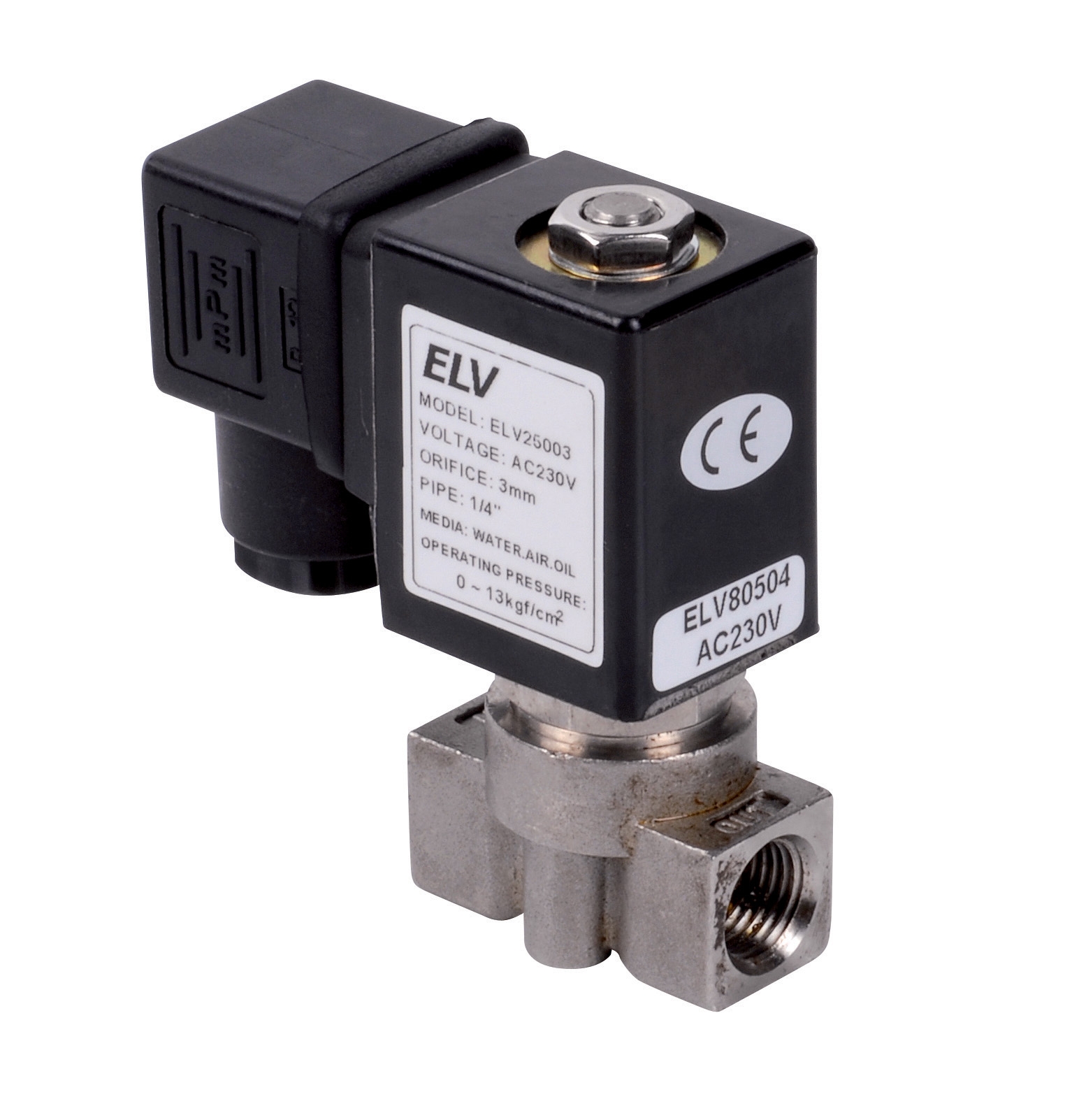
Direct-acting solenoid valves operate through a straightforward electromagnetic principle: when voltage is applied to the solenoid coil, a magnetic field is generated that lifts a plunger against spring tension, opening the valve orifice and allowing flow. When power is removed, the spring returns the plunger to its resting position, closing the valve. This on-off mechanism requires no pilot pressure or external energy sources beyond electrical power, making direct-acting valves inherently simple and fail-safe in many gas control applications.
The critical design parameter in direct-acting valves is the differential pressure rating—the maximum pressure difference between inlet and outlet at which the solenoid can reliably open the valve. A differential pressure of zero (or near-zero) means the valve can open even with equal pressure on both sides; higher differential pressure ratings indicate the solenoid must overcome greater force, requiring stronger electromagnetic actuation. This specification is essential because gas systems operate at varying inlet pressures. If inlet pressure exceeds the valve's differential rating, the solenoid electromagnet lacks sufficient force to lift the plunger, and the valve remains stuck closed—a critical failure mode in safety applications.
The solenoid coil's power consumption (measured in watts or volt-amperes) determines the electromagnetic force available. A low-power coil (4–5 VA, typical in bronze designs) requires minimal electrical infrastructure but works only at low differential pressures. Higher-power designs (25–40 VA) provide stronger actuation for demanding applications. The passage diameter and flow coefficient (Cv value) further determine how much gas flows through the open orifice; larger diameters and higher Cv values enable greater flow rates, reducing backpressure and improving system efficiency.
Technical Specifications & Pressure Differential Requirements
Three representative solenoid valve models illustrate how differential pressure and material selection impact industrial performance:
Bronze Direct-Acting Valve (Viton Seals): The CBM Bronze 3/4" 220V solenoid valve exemplifies a compact, low-power design rated for 10 bar maximum differential pressure. With a Cv value of 7.6, a 20 mm passage diameter, and only 4.5 VA power consumption, this valve is ideally suited for low-pressure gas circuits (pilot lines, ignition circuits, vent applications) where pressure differential remains below 10 bar. The bronze body with Viton seals provides excellent resistance to thermal cycling and minor seal degradation, while the 220V coil voltage aligns with standard industrial electrical infrastructure in European and Global industrial facilities. At maximum differential pressure, the solenoid force is near its limit, so installation should verify that actual system pressure does not exceed 10 bar.
Stainless Steel Multi-Fluid Valve: The CBM stainless steel 2" 230V solenoid valve represents a different design philosophy. Rated for 16 bar maximum differential pressure and constructed from stainless steel, this direct-acting valve is compatible with air, water, fuel oil, and certain gases (depending on seal material). The 230V coil operates at 40 W, significantly higher power than the bronze model, enabling reliable opening across a wider pressure range. The larger 2" connection size and higher differential rating make this valve suitable for main gas shutoff lines or applications where inlet pressure fluctuates. The stainless construction resists corrosion in harsh industrial environments, though maintenance costs and replacement lead times may be higher than bronze alternatives.
Safety Valve (Rapid Closure): The CBM MVD 5100/5 safety valve (230V AC, 25 VA) is a specialized solenoid valve designed for EN 161 burner safety applications. Its <1 second opening time and integrated 1 mm filter mesh provide rapid response to ignition commands while protecting against particulate contamination. Maximum pressure rating is 200 bar, and the valve switches at up to 20 cycles per hour, making it suitable for frequent on-off burner duty. The compact Rp 1 inlet connection integrates directly into control manifolds, and the low ambient temperature minimum (−15 °C) ensures operation in cold industrial environments.
Real-World Application Examples & System Integration
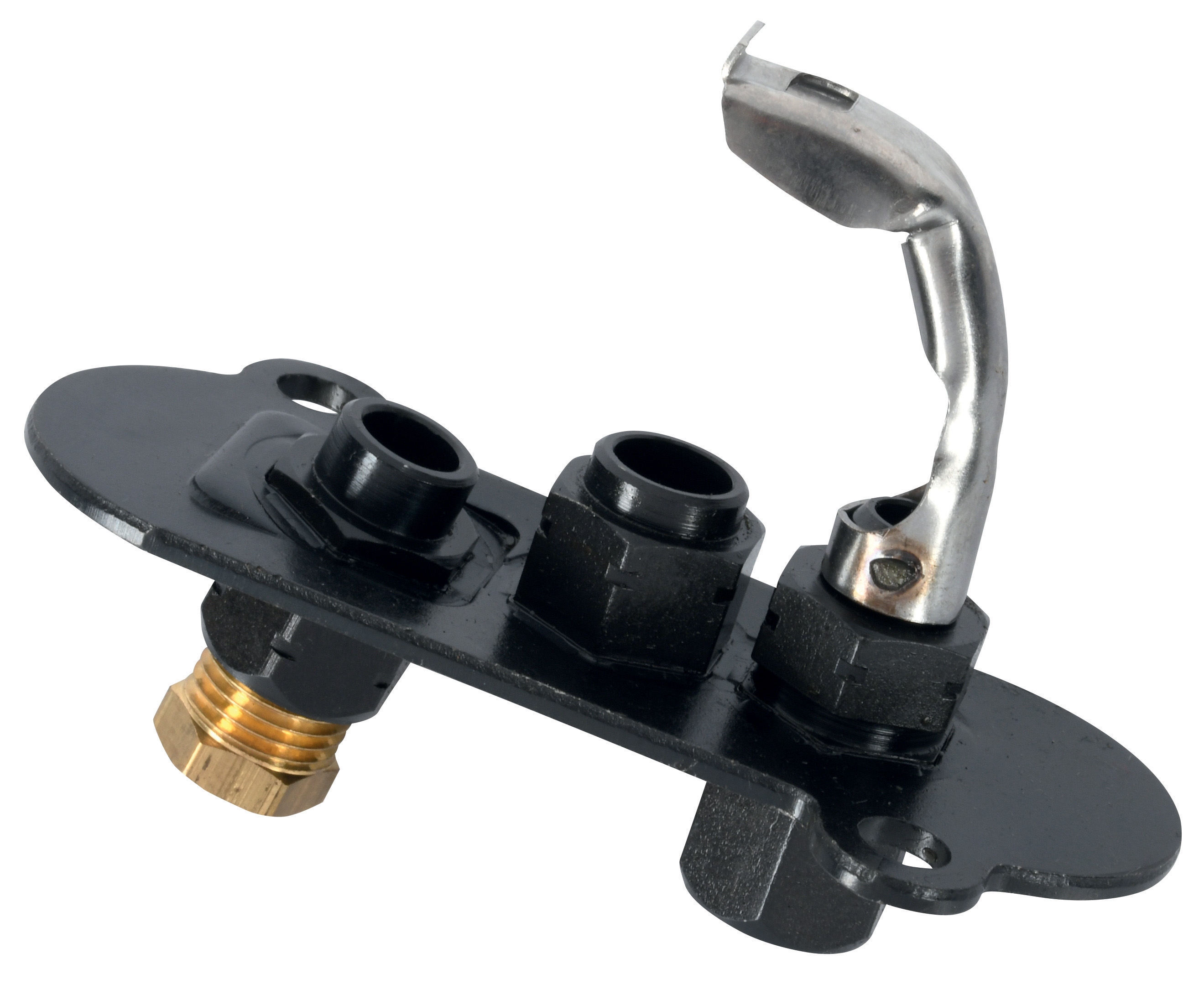
Pilot Light Ignition Circuit: In industrial heating systems, a pilot flame must be reliably ignited before main burner operation. The valve controlling pilot gas flow must open quickly under low pressure (typically 2–5 bar) and close instantly if the flame fails. A CBM single-flame pilot light requires synchronized solenoid valve control. Using the bronze 3/4" solenoid valve (10 bar differential rating) in this circuit is appropriate because pilot pressure is inherently low. The 4.5 VA coil consumes minimal electrical power, reducing infrastructure costs, and the low differential requirement ensures reliable opening even if pilot pressure dips during cold starts. If a higher-pressure pilot system were used, the bronze valve would become unreliable, necessitating the stainless steel 16 bar model or higher.
Main Gas Supply Shutoff: Industrial boilers and process heaters require emergency shutoff valves on the main gas inlet. System pressure at this point can reach 50–150 bar, depending on the gas source and regulator upstream. A solenoid valve rated for only 10 bar differential pressure would fail to open; the stainless steel 16 bar model is still marginal for this duty. Instead, the MVD 5100/5 safety valve, rated for 200 bar, is the appropriate choice. Its integrated filter, rapid response time, and EN 161 certification ensure that loss of electrical power or ignition failure triggers immediate gas shutoff, preventing uncontrolled combustion.
Vent & Purge Functions: Control blocks often include solenoid-operated vent lines to relieve internal pressure during valve shutdown or during the ignition purge cycle. These circuits operate at very low pressure (often <2 bar), making low-differential bronze valves the economical choice. The low power consumption also allows these circuits to use simple relay controls rather than dedicated power supplies.
Selection Criteria & Best Practices for Procurement
Pressure Differential Verification: The most common solenoid valve failure is specification of insufficient differential pressure rating. Before selecting a model, measure or calculate the maximum inlet pressure your system will experience and compare it to the expected outlet pressure (often atmospheric or low back-pressure). The difference is your required differential rating; always select a valve rated at least 1.5× this value to ensure reliable opening under worst-case conditions.
Material & Seal Compatibility: Bronze valves with Viton seals excel in thermal cycling applications but can corrode in salt-spray or highly humid industrial environments. Stainless steel variants resist corrosion but cost more and have longer lead times. For offshore or coastal Global installations, stainless steel is essential; for indoor industrial facilities, bronze is often adequate and more economical.
Power Consumption & Electrical Integration: Low-power valves (4–5 VA) can share electrical circuits with pilot devices but may require robust relay coils to prevent chatter. Higher-power models (25–40 VA) demand dedicated circuits and larger contactors but offer more reliable, repeatable actuation. Verify that your control system's electrical capacity matches the valve's VA rating.
Response Time & Switching Frequency: Safety applications (burner shutoff) require <1 second opening time and rapid closure. Process gas applications may tolerate longer response times. Verify maximum switching cycles (typically 20/h) if your application requires frequent on-off cycles; continuous rapid switching generates coil heat and can shorten service life.
Closing Remarks & Next Steps
Direct-acting solenoid valves are deceptively simple in appearance but demand precise specification based on differential pressure, material compatibility, and electrical integration. Undersizing the differential pressure rating is the leading cause of field failures; oversizing unnecessarily increases cost and electrical load. By anchoring your selection on accurate system pressure measurement and understanding the trade-offs between low-power economy models and higher-power robust designs, you can specify valves that deliver decades of reliable service.
For detailed technical specifications on any of the solenoid valve models discussed—or to evaluate how these components integrate with upstream pressure regulators and downstream gas control systems—contact the procurement specialists at 3G Electric. Our team maintains authoritative technical documentation, pressure-differential design guides, and real-world commissioning expertise across Global industrial markets since 1990. Whether you're upgrading a legacy heating system or specifying a new control architecture, we provide both the component knowledge and application engineering to ensure your gas system operates safely and efficiently.
Reach out to 3G Electric today to discuss your solenoid valve requirements, request technical datasheets, or schedule a pressure differential audit of your existing system. We serve industrial customers across Global markets with rapid delivery, competitive pricing, and authoritative technical support.