Relay-Based vs. Integrated Gas Control Systems: A Technical Comparison for Singapore Industrial Operations
Industrial gas burner control systems in Singapore face a fundamental architectural choice: modular relay-based configurations or integrated multifunctional control blocks. Both approaches deliver flame supervision, pressure regulation, and temperature control, but they differ significantly in implementation complexity, response characteristics, maintenance demands, and operational flexibility. For maintenance teams and service engineers operating across Singapore's diverse industrial sectors—from food processing and textile manufacturing to hospitality and pharmaceutical operations—understanding these distinctions is critical for system selection, troubleshooting, and lifecycle management. This article provides a technical comparison of relay-based and integrated gas control architectures, examining performance specifications, real-world deployment scenarios, and maintenance considerations specific to Singapore's industrial environment.
Architectural Differences: Relay Systems vs. Integrated Blocks
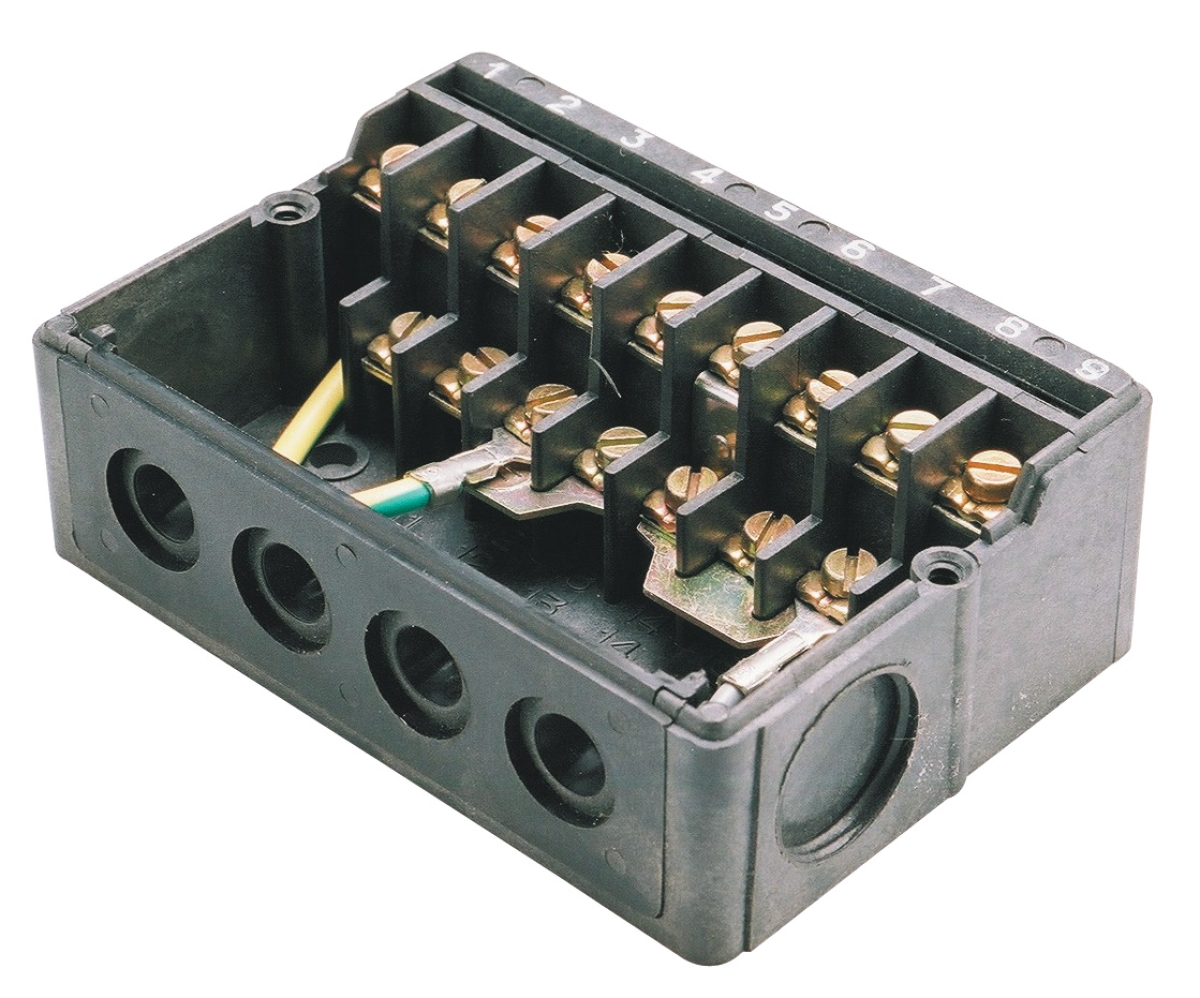
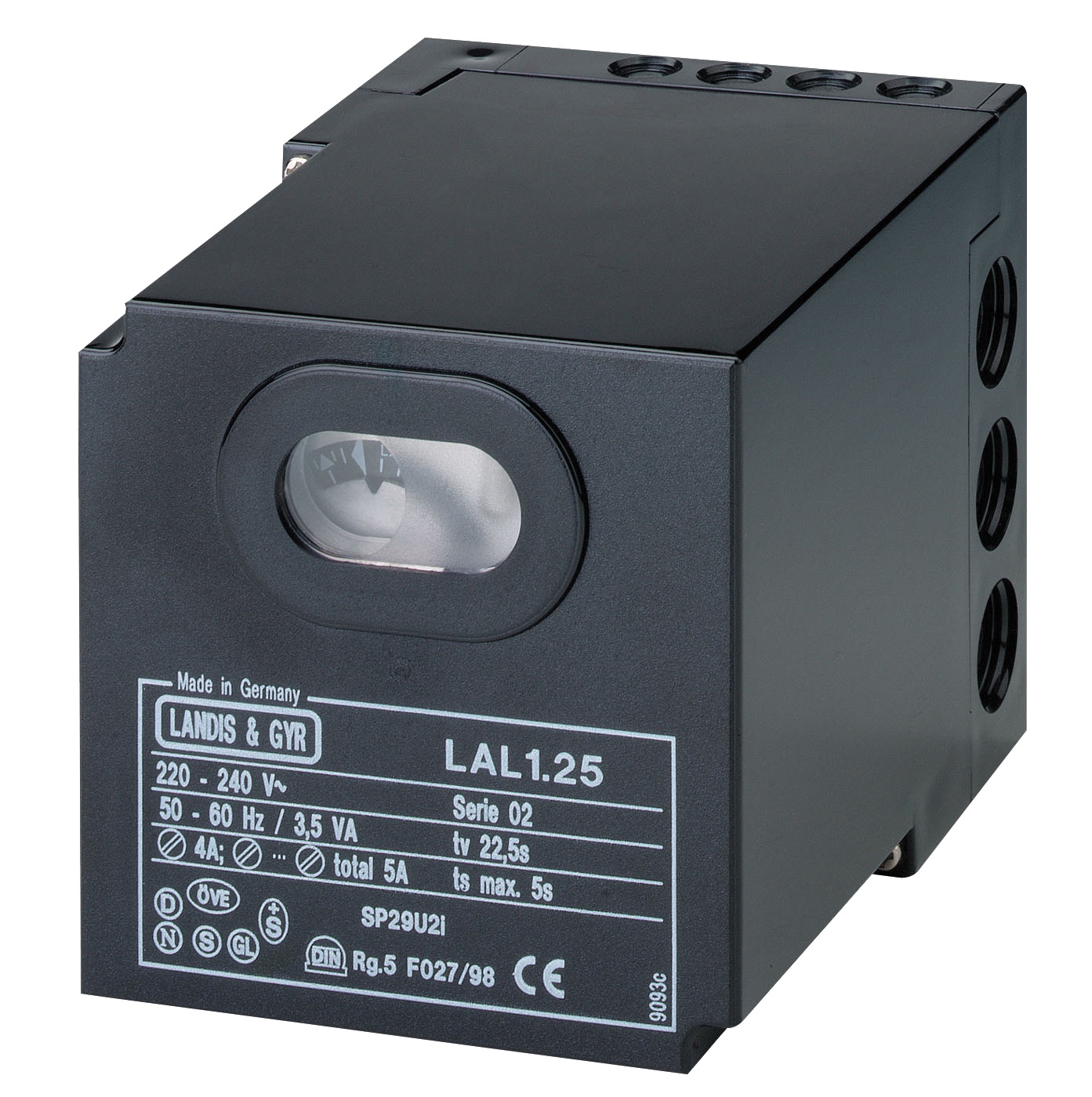
Relay-based gas control systems employ a modular architecture where individual components—flame detection devices, pressure switches, solenoid valve operators, and control relays—are interconnected through electrical circuits to create a complete control function. This distributed approach allows engineers to assemble systems with precise functionality tailored to specific applications. For example, a relay system might combine a CBM LAL 2.14 relay for oil burner control with separate flame detection elements and solenoid operators, enabling configuration flexibility and component replacement without affecting the entire system.
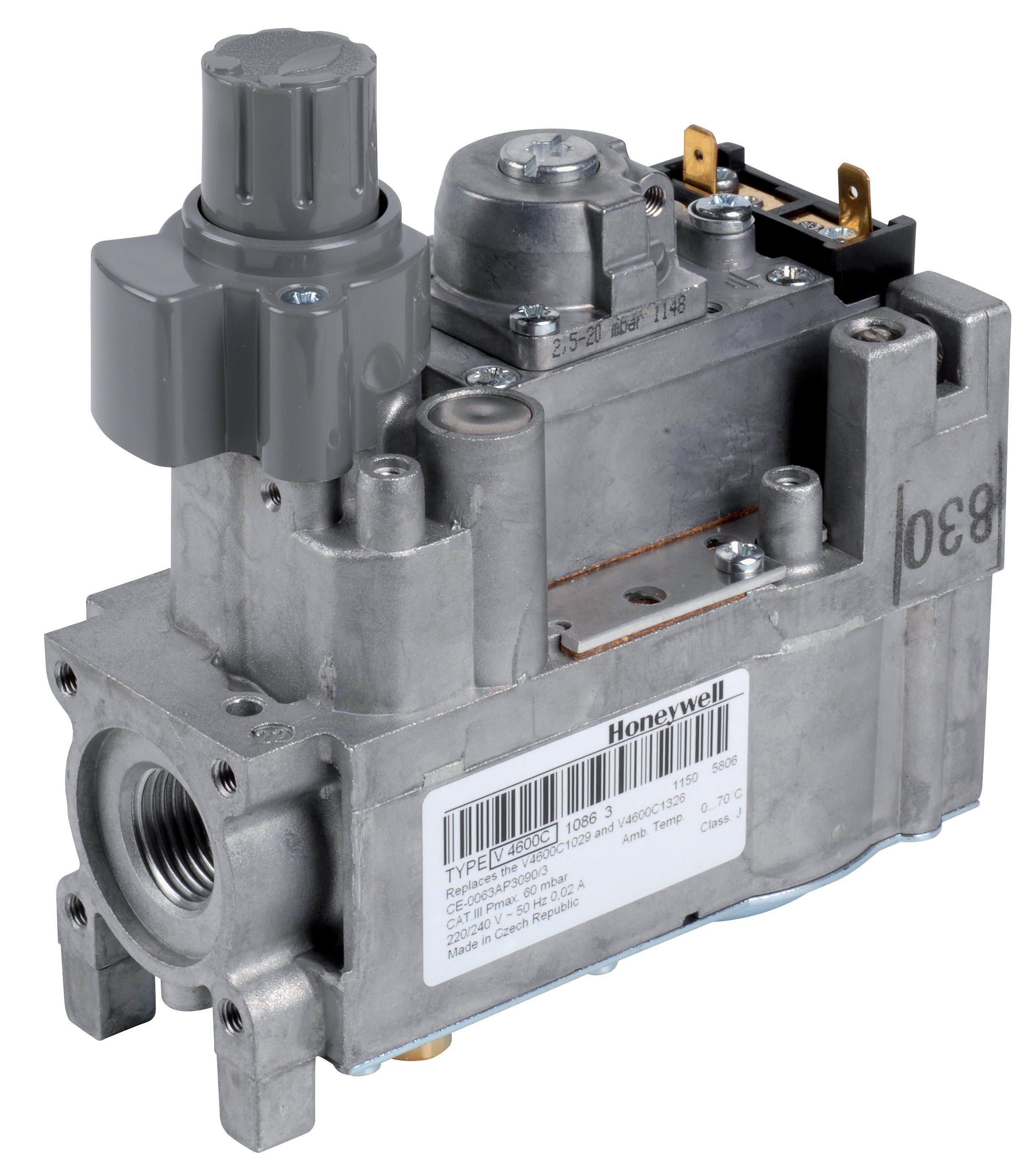
Integrated multifunctional gas control blocks consolidate multiple functions—thermoelectric flame supervision, pressure regulation, temperature control, and gas modulation—within a single compact device. The CBM Minisit 710 gas block exemplifies this approach, incorporating thermoelectric flame supervision, pressure regulation, and temperature control in one unit designed for stoves, boilers, catering equipment, and room heaters. Integrated systems reduce wiring complexity, installation footprint, and potential connection points for failure.
From a control perspective, relay-based systems respond to discrete electrical signals from multiple sensors and switches, making decisions through relay logic and contact closure sequences. Integrated blocks employ internal logic and mechanical/thermoelectric sensing elements that operate with minimal external wiring. This architectural difference affects response time, diagnostic capability, and adaptability to system modifications. Relay systems offer greater granularity for troubleshooting individual component failures, while integrated blocks provide simplified initial setup but potentially more complex failure diagnosis requiring component-level replacement rather than isolated repair.
Technical Performance and Response Characteristics
Response time—the interval between flame loss detection and control response—represents a critical performance metric distinguishing relay-based and integrated systems. Relay-based configurations using modern electronic relays like the CBM SM 592.2 relay for atmospheric and fan-assisted burners achieve response times typically in the 1–3 second range for flame detection and solenoid valve closure. The distributed architecture allows parallel processing: multiple sensors feed information to relays which execute pre-programmed logic sequences. However, response time varies with relay contact configuration, solenoid response characteristics, and wiring impedance.
Integrated gas blocks like the Minisit 710 employ thermoelectric flame supervision through direct thermocouple feedback, delivering response times of 2–5 seconds depending on thermocouple mass and thermal coupling to the flame. The advantage lies in simplicity: a single failure path exists (thermocouple failure), whereas relay systems involve multiple potential failure modes across flame detection sensors, relay contacts, solenoid operators, and interconnecting circuits. Integrated blocks reduce the number of electrical connection points, decreasing intermittent failure risk from corroded contacts or loose terminals—a significant maintenance advantage in Singapore's humid tropical environment where corrosion accelerates component degradation.
Lock-out behavior differs between architectures. Relay-based systems like the CBM VM 41 relay for forced draught burners employ non-volatile lock-outs, requiring manual reset after multiple ignition failures—a safety feature preventing unburned gas accumulation. Integrated blocks incorporate equivalent safety logic internally. From a diagnostic standpoint, relay systems allow technicians to isolate failures: a non-responding solenoid operator, a defective flame sensor, or a stuck relay contact can be individually identified and replaced. Integrated blocks require replacement of the entire unit if internal components fail, affecting maintenance costs and system downtime.
Pressure regulation performance also diverges. Relay systems typically employ separate pressure switches and solenoid-operated regulators, allowing independent adjustment and replacement of regulation elements. Integrated blocks like the Minisit 710 incorporate fixed pressure regulation characteristics calibrated at manufacture, reducing field adjustability but improving consistency and reducing tampering risk—an important consideration for compliance-sensitive industrial operations in Singapore.
Real-World Application Scenarios in Singapore
Singapore's commercial kitchen and catering operations represent a primary application domain for integrated gas control systems. The Minisit 710 block is widely deployed in commercial cooking equipment, boilers, and warming appliances where space is limited and simplified operation is prioritized. Installation requires minimal wiring—thermostat input, solenoid valve output, and power connections—reducing on-site commissioning time and training requirements for kitchen staff. The integrated approach suits high-volume equipment environments where standardization and rapid component replacement minimize operational disruption.
Industrial boiler systems in Singapore's manufacturing sector frequently employ relay-based architectures, particularly those requiring precise burner control, multiple flame detection zones, or sequential operation of multiple burners. A textile manufacturing facility operating a steam boiler might utilize a relay-based system combining CBM CM391.2 relays with multiple flame sensors and pressure switches, allowing independent control of primary and pilot burners with redundant safety supervision. This modular approach facilitates maintenance: a defective flame detection element can be replaced without affecting burner modulation or pressure regulation functions.
Emergency services and standby power operations in Singapore—hospitals, data centers, critical infrastructure—increasingly prefer relay-based systems for their diagnostic transparency and component replaceability. A hospital backup power system using an industrial generator with gas burner heating may employ relay-based controls with redundant flame supervision, allowing technicians to verify each safety function independently and maintain comprehensive maintenance records for regulatory compliance.
Technical Comparison Table
| Parameter | Relay-Based Systems | Integrated Gas Blocks |
|---|---|---|
| Component Count | Multiple modules (relay, solenoid, flame sensor, regulator) | Single integrated unit |
| Typical Response Time | 1–3 seconds (electronic relays) | 2–5 seconds (thermocouple-based) |
| Field Adjustability | High—pressure, temperature, timing adjustable | Low—factory calibrated, limited adjustment |
| Failure Diagnosis | Component-level isolation possible | Entire block replacement typically required |
| Installation Complexity | High—multiple wiring connections, calibration required | Low—minimal wiring, plug-and-play operation |
| Maintenance in Humid Climates | Moderate—multiple contact points prone to corrosion | Low—fewer connection points, reduced corrosion risk |
| Flexibility for Modifications | High—easily reconfigured for different burner types | Low—application-specific, limited reconfiguration |
| Typical Applications | Industrial boilers, multi-burner systems, backup power | Commercial kitchens, small boilers, catering equipment |
| Regulatory Compliance Documentation | Comprehensive—each component separately documented | Simplified—single device certification |
| Cost Profile | Higher initial cost, lower replacement component cost | Lower initial cost, higher block replacement cost |
Maintenance and Support Considerations for Singapore Operations
Singapore's tropical climate presents unique challenges for gas control systems. High humidity, salt air in coastal regions, and rapid temperature fluctuations accelerate corrosion and component degradation. Relay-based systems require more frequent preventive maintenance: relay contact cleaning, solenoid valve inspection, and electrical connection verification. However, this distributed architecture permits targeted maintenance—replacing a corroded solenoid operator without disturbing the flame detection relay or pressure switch. Technicians can maintain a stock of common replacement components, reducing downtime during repairs.
Integrated blocks like the Minisit 710 require less frequent preventive maintenance due to fewer external connections. However, when failure occurs, the entire block typically requires replacement, necessitating system shutdown and complete recommissioning. This characteristic makes integrated systems better suited to operations with reliable spare parts availability and rapid delivery capability—conditions generally met in Singapore due to robust industrial equipment distribution networks like 3G Electric.
For complex industrial applications requiring system modifications—such as transitioning from atmospheric to forced-draught burner operation or adding redundant safety supervision—relay-based systems offer superior flexibility. Engineers can reconfigure control logic, replace individual relays, and integrate new sensors without wholesale system replacement. Integrated blocks are application-specific; major modifications typically require complete system replacement.
Training requirements also differ. Relay-based system maintenance demands deeper technical understanding of control logic, electrical circuits, and component interaction. Integrated block maintenance is simpler but narrower in scope—primarily replacement and basic thermocouple testing. For large industrial facilities in Singapore with dedicated maintenance staff, relay-based systems align with existing skill sets and provide career development opportunities through advanced troubleshooting. For smaller operations or facilities with limited technical staff, integrated blocks simplify operations and reduce training burden.
Selection Criteria for Singapore Industrial Applications
Choose relay-based systems when:
- Multiple burners or burner stages require independent control
- Precise burner modulation and pressure adjustment are critical
- System modifications or adaptations are anticipated
- Redundant safety supervision is mandated by facility standards
- Maintenance personnel have advanced electrical/control training
- Comprehensive diagnostic and troubleshooting capability is required
Choose integrated gas blocks when:
- Simple on/off burner control satisfies application requirements
- Space constraints demand compact equipment
- Rapid installation and commissioning are priorities
- Minimal maintenance staff availability exists
- Standardization across multiple similar appliances is beneficial
- Factory-calibrated operation is preferred over field adjustment
Conclusion and Recommended Next Steps
Relay-based and integrated gas control systems represent distinct architectural approaches, each optimized for different application contexts and operational philosophies. Relay-based configurations deliver superior flexibility, diagnostic capability, and component-level replaceability, making them ideal for complex industrial burner systems where precision control and system adaptability justify higher initial complexity. Integrated multifunctional blocks prioritize simplicity, compact installation, and rapid commissioning, serving commercial and small-scale industrial applications effectively.
For Singapore's maintenance teams and service engineers, the optimal selection depends on specific application requirements, facility maintenance capabilities, anticipated system modifications, and operational criticality. Both approaches maintain equivalent safety standards and performance reliability when properly installed and maintained.
3G Electric's technical team can help your facility evaluate which control architecture aligns with your operational requirements, burner specifications, and maintenance capabilities. We maintain comprehensive stock of both relay-based components—including burner controls and relay systems—and integrated gas control blocks, supported by technical documentation and on-site commissioning expertise. Contact our Singapore office to discuss your specific application and receive recommendations from our authorized industrial equipment specialists serving customers since 1990.