Understanding Pumps & Compressors Failure Modes in Singapore's Climate
With over 35 years of experience serving industrial operations across Asia, 3G Electric has seen firsthand how Singapore's hot, humid climate accelerates pump and compressor failures. Unlike temperate regions, tropical conditions create unique stressors: thermal expansion cycles, moisture ingress, and fouled cooling passages compound standard wear patterns.
The most common failure modes HVAC contractors encounter fall into five categories: cavitation (sudden loss of flow and pressure), seal degradation (oil leakage), motor overload (tripped breakers), noise and vibration (bearing wear), and thermal shutdown (overpressure). Understanding which symptoms point to which root causes is the difference between a 30-minute fix and a full system replacement.
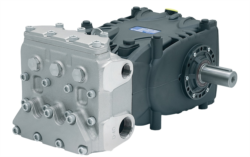
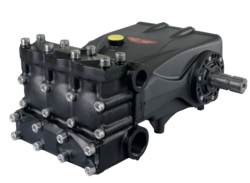
The Italian-engineered Pratissoli KF30 exemplifies precision design—106 L/min flow at 200 bar with 40 kW power delivers reliable performance when properly maintained. Yet even premium equipment fails under neglect. The key is recognizing early warning signs before catastrophic damage occurs.
Diagnostic Framework: From Symptom to Root Cause
Loss of Pressure or Flow Rate
When a contractor reports "the pump just stopped building pressure," the diagnostic sequence matters. First, check inlet conditions: clogged suction strainers are responsible for 40% of apparent pump failures. Singapore's dusty environment and humid conditions accelerate filter fouling. Disconnect the inlet line and verify water flow—if water flows freely, the problem lies elsewhere.
If inlet is clean, measure actual discharge pressure using a calibrated gauge. Many failures are false alarms caused by faulty pressure transducers. Once you confirm genuine pressure loss, check pump speed. A motor running at reduced RPM (often due to soft-start failures or VFD misconfiguration) explains proportional flow reduction. The Interpump AB80 CYL. L running at 550 rpm delivers 75 L/min—if your system shows 50 L/min, measure RPM first before replacing the pump.
Cavitation presents differently. You'll hear grinding or popping sounds coupled with pressure surging. This occurs when inlet pressure drops below vapor pressure, causing dissolved air to form bubbles that collapse violently. Solutions include: increasing suction head, reducing inlet line restrictions, checking one-way valve integrity, and verifying fluid viscosity (thin hydraulic fluid cavitates more readily in hot climates).
Excessive Leakage and Oil Weeping
Small drips under pump housings are normal. When leakage becomes a "puddle by end of shift," seal failure is likely. The diagnostic question: where is oil coming from? Shaft seals typically weep at the motor end; port seals leak at connection points; and housing cracks develop from corrosion or impact.
Test seal integrity by running the pump at idle for 10 minutes. Mark the drip location with tape and measure accumulated volume. Less than 5 mL per hour is acceptable; above 50 mL per hour requires seal replacement. Temperature matters—Singapore's ambient heat thins oils, increasing leakage rates. Measure ambient and fluid temperature; if discharge fluid exceeds 65°C, thermal stress is breaking down seals prematurely.
For the Delta VM1 LL 2.4 delivering 35 L/min at 20 bar in hydraulic circuits, leakage control is critical for system pressure stability. Replace seals before they catastrophically fail and contaminate the entire fluid reservoir.
Motor Overload and Thermal Shutdown
Contractors often call when a motor trips breakers repeatedly. The instinct to reset and retry makes the problem worse. Overload indicates excessive current draw, which means either: the pump is loaded beyond design pressure, the motor bearing is failing, or the motor's cooling path is blocked.
Start by measuring discharge pressure under load. If pressure exceeds the pump's rated maximum (check the nameplate), you've found the culprit. This commonly occurs when relief valves fail to open or when excessive resistance develops in the discharge line (clogged nozzles, kinked hoses). Gradually increase pressure to the rated maximum while monitoring motor current. Current should be proportional to pressure; if 150 bar draws 15 amps but 160 bar draws 25 amps, the pump is cavitating internally and motor is compensating.
If pressure is normal but motor still overheats, check cooling. Motors with cooling fans require clear air intake; dust buildup on Singapore construction sites clogs cooling fins in weeks. Clean the motor housing with compressed air. Verify that motor is not installed in direct sunlight or inside an unventilated enclosure.
The Interpump E1B1614 R*VALVE rated at 4.26 kW and 1450 rpm has minimal thermal margin in tropical conditions. Run at full capacity only during cooler hours (early morning) if thermal trips persist.
Noise, Vibration, and Bearing Wear
Bearing wear produces distinctive signatures. A low-frequency rumble (grinding) suggests roller bearing damage; a high-pitched whine indicates ball bearing preload loss; and a "clunking" on pump startup signals excessive internal clearance. Singapore's humidity accelerates corrosion on bearing races, reducing lifespan significantly.
Place your palm on the pump housing (carefully—it may be hot). Normal vibration feels smooth; bearing wear causes sharp, intermittent pulses. Use a smartphone vibration app as a baseline measurement tool. If vibration suddenly increases 50%, bearing replacement is urgent.
Always replace bearings in pairs (input and output shafts) and use the same bearing type and preload specification as the original. Mixing bearing brands and tolerances creates misalignment and accelerates failure of the replacement bearing.
For the Interpump WS 162 L at 18 L/min and 160 bar, bearing failure cascades quickly. Replace immediately rather than attempting temporary repairs.
High-Temperature Shutdown and Thermal Cycling
Modern pumps include thermal shutdown switches that stop operation above 65-70°C. In Singapore, this triggers frequently during peak cooling demand (afternoon) even with properly sized systems. The issue: insufficient cooler capacity or fouled cooler surfaces.
Measure inlet and outlet temperatures on the hydraulic cooler. A 5-10°C temperature drop indicates normal operation; less than 3°C suggests fouling. Clean cooler fins with compressed air and low-pressure water spray. If temperature drop remains insufficient, cooler bypass may be partially closed or the cooler fan motor may be failing.
Check the thermostat valve controlling flow through the cooler. In hot climates, most of the hydraulic flow should route through the cooler, not bypass it. Verify the valve seats fully in the "cooler" position at 45°C fluid temperature.
Implement a simple preventive practice: record fluid temperature at system start and after 30 minutes of operation. A log showing gradual temperature increases signals cooler performance degradation before thermal shutdown occurs.
Emergency Response Procedures for Active System Failures
Immediate Actions (First 15 Minutes)
When a pump fails during critical operation, panic leads to compound failures. Establish this sequence:
1. Stop the system immediately. Continued operation with low pressure or high temperature accelerates damage exponentially. One minute of operation during cavitation can damage a pump beyond economical repair.
2. Measure three parameters: discharge pressure (using a calibrated test gauge), motor current (with clamp meter), and fluid temperature (infrared thermometer on the discharge line). Record these readings—they're diagnostic gold.
3. Visually inspect for obvious failures: loose hose connections spraying fluid, cracked pump housing, broken coupling, or seized motor.
4. Verify that the system actually lost function. Confirm pressure drop with a second gauge on a different port. A single failed transducer misdiagnoses the problem in 10% of service calls.
Temporary Fixes to Restore Operation
When a full replacement requires days to source (common in Singapore during peak season), temporary solutions restore partial function:
For cavitation: Reduce system flow demand temporarily. Close inlet ball valves slightly to reduce flow, which may allow residual pressure to stabilize. Check suction strainers and replace if clogged. Add hydraulic fluid if the reservoir level is low—cavitation worsens with insufficient fluid. Bleed air from the inlet line if the pump recently lost prime.
For thermal shutdown: Operate during cooler hours only. Reduce flow demand by 20-30% to lower heat generation. Run the cooler fan continuously (remove any thermostat override that stops fan in cool conditions). Add auxiliary cooling or extend cooler lines to a cooler environment if possible.
For pressure loss: Verify the relief valve hasn't drifted open. Measure relief setting with a test gauge; if it opens below the rated pressure, the valve requires service. Do not attempt to adjust the relief valve screw yourself—this requires calibrated equipment and training.
For leakage: Tighten port plugs and hose connections with the system depressurized. Use correct wrench sizes to avoid stripping fittings. Wrap leaking seal areas with emergency sealant tape as a temporary measure, but schedule seal replacement within 48 hours.
Deciding: Repair vs. Replace
The 50% rule guides this decision: if repair cost exceeds 50% of new equipment cost, and the pump is over 5 years old, replacement is economically superior. Singapore's high labor costs (repair technicians charge 2000-3000 SGD per day) make in-country repairs expensive.
3G Electric's 35 years of supplier relationships mean you have multiple options for quick replacement. The Pratissoli KF30 offers excellent availability through our Asia-Pacific network; lead time is typically 5-7 business days for in-stock units, or 3-4 weeks for custom configurations.
For temporary replacement during repair, consider renting a pump from equipment rental companies. A rental unit at 300-500 SGD per day keeps your customer's HVAC system operational while you source and install the permanent repair.
Building a Troubleshooting Toolkit and Knowledge Base
Successful contractors keep four items in their vehicle:
1. Calibrated pressure gauge (0-250 bar range, ±1% accuracy). Inaccurate gauges lead to misdiagnosis in 30% of field calls.
2. Temperature gun (infrared, -20 to 100°C range). Digital thermometers in toolboxes are unreliable for rapid system diagnosis.
3. Vibration baseline measurements logged in a notebook for each customer's system. When a customer reports "the pump sounds different," comparison to your baseline confirms bearing wear early.
4. Spare seals and gaskets for your most common pump models. The Interpump AB80 CYL. L, Interpump E1B1614, and Interpump WS 162 L seal kits cost 150-300 SGD but allow same-day repairs instead of customer wait times.
Maintain a troubleshooting log for each customer account. After resolving failures, document: initial symptoms, diagnostic measurements, root cause, corrective action taken, and whether the fix was temporary or permanent. This log becomes invaluable when customers call with recurring issues—patterns emerge that point to systemic problems (undersized cooler, contaminated fluid, misaligned coupling).
Partner with 3G Electric for technical support. Our regional team has experience with tropical climate pump failures and can advise on system modifications that prevent recurring problems. We maintain inventory of both premium equipment (like the Italian-engineered Pratissoli and Interpump lines) and cost-effective solutions for budget-conscious customers.