Understanding Pumps & Compressors in HVAC Condensate Systems
Condensate pumps are essential components in HVAC systems, particularly in tropical climates where humidity levels exceed 80% year-round. Unlike traditional compressor systems, condensate pumps operate continuously to remove moisture generated by refrigeration cycles. With over 35 years of experience distributing industrial equipment across Southeast Asia, 3G Electric has observed that condensate drainage failures account for approximately 30% of HVAC service calls in Singapore.
When air conditioning units cool air, the refrigerant cycle removes moisture from indoor environments. This condensate—typically 2-15 liters per hour depending on humidity levels and coil efficiency—must be pumped away from the unit. In Singapore's climate, underestimating condensate flow rates is a common specification error that leads to system failures, water damage, and bacterial growth in drain lines.
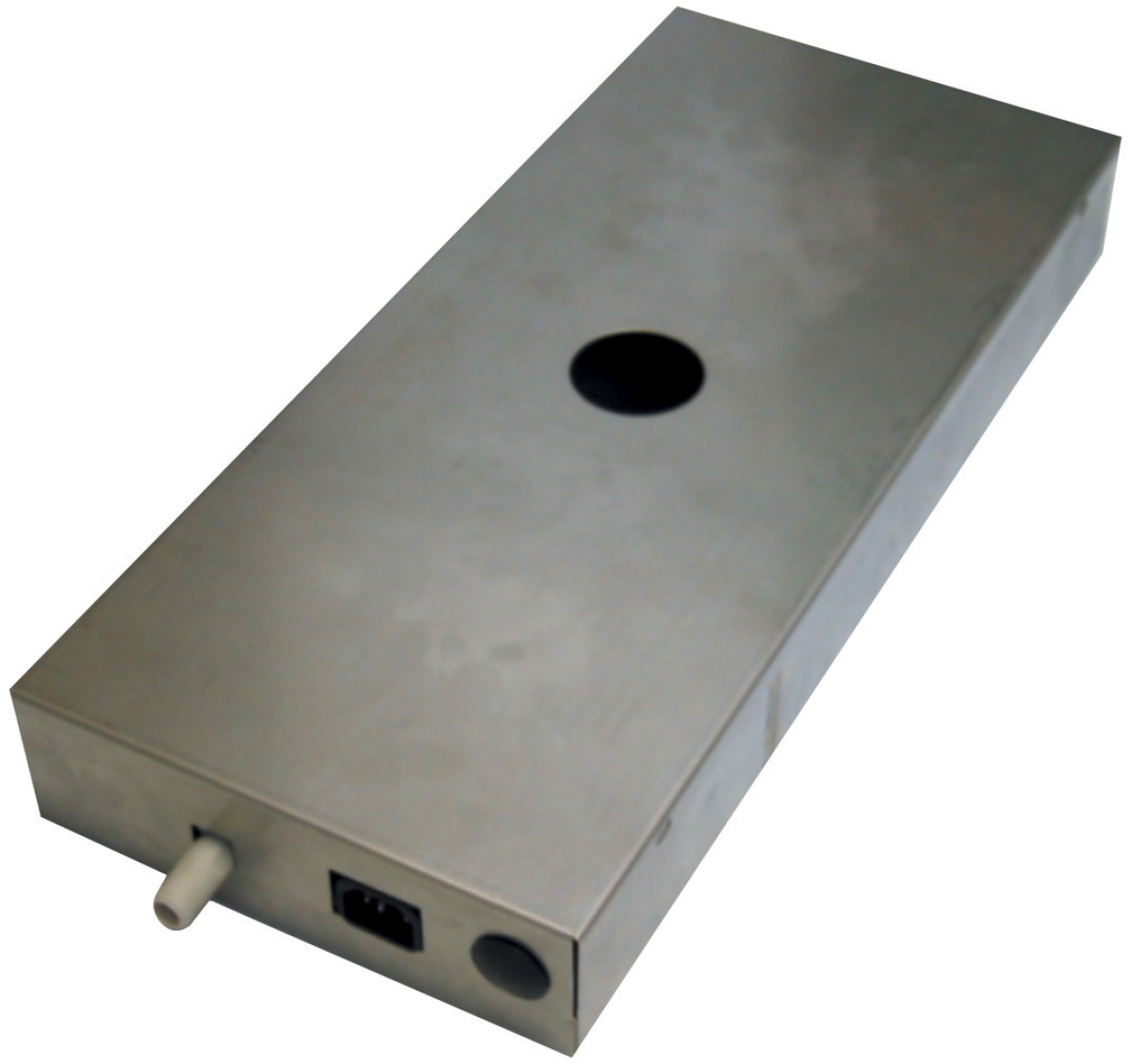
Condensate pumps differ fundamentally from hydraulic or industrial circulation pumps. They operate at low pressures (typically 0.5-2 bar) but require continuous reliability. The Clima Concept Display pump with 5-liter reservoir is engineered for this purpose, delivering 110 L/hr flow rate with 30-meter pumping head capacity—specifications critical for high-rise buildings and rooftop installations common in Singapore's commercial real estate.
Diagnosing Capacity Mismatch and Flow Rate Failures
Problem Identification
Condensate backup occurs when pump capacity falls below actual system generation rates. In Singapore's climate, a typical 5-ton air conditioning unit generates 8-12 liters per hour at peak humidity. Contractors frequently install 5-liter/hour pumps expecting backup capacity from reservoir storage, but tropical storms and sustained high-humidity periods overwhelm undersized units within 30-45 minutes.
Measurement and Calculation
To determine actual condensate generation:
- Measure indoor relative humidity (target: 45-55% for comfort cooling)
- Calculate sensible cooling load: Q = 1.2 × CFM × (T_in - T_out)
- Estimate latent load: Approximately 0.6 liters per hour for every 10°C temperature drop across evaporator coil
- Account for Singapore's baseline outdoor humidity (75-85% during non-monsoon periods, exceeding 95% during Northeast and Southwest monsoons)
A 5-ton unit operating at 18°C supply air temperature in 35°C, 85% RH outdoor conditions will generate 14-18 liters per hour of condensate. Installing anything less than 150 L/hr pump capacity on high-humidity-zone installations is a specification failure.
Testing Procedure
1. Run the HVAC system for 2 hours at design conditions
2. Measure condensate collection in a calibrated container over 15 minutes
3. Multiply by 4 to obtain hourly generation rate
4. Verify pump discharge line flow using a bucket test (measure fill time at discharge outlet)
5. Compare measured pump output to nameplate specifications
6. Document ambient humidity and indoor conditions during testing
If measured flow is 20% below nameplate rating, suspect impeller wear, inlet line restrictions, or float switch calibration errors.
Float Switch Malfunction and Reservoir Overflow
Float Switch Failure Modes
Condensate pump reservoirs include float switches to activate pump operation when water level reaches setpoint (typically 60-80% tank capacity). Float switches fail through three primary mechanisms:
- Mechanical sticking: Mineral deposits from hard water accumulate on float pivot points, preventing free movement. Singapore's water hardness varies by district (50-120 ppm CaCO₃ equivalent), with western areas experiencing higher mineral content from desalination blend sources.
- Electrical contact corrosion: Condensate contains organic material (algae, bacterial biofilm) that corrodes switch contacts, creating intermittent connections. This causes pump operation to occur unpredictably or not at all.
- Magnet degradation: Magnetic float switches lose strength over 3-5 years in humid environments, preventing reliable actuation of internal reed switches.
Manual float switch testing:
1. Isolate pump power supply
2. Manually lift float lever to full "up" position
3. Listen for audible switch click (mechanical switches) or measure continuity across switch terminals with multimeter (should read <5 ohms resistance when float is raised)
4. Lower float to bottom position—continuity should open (read >10 megohms)
5. If no audible click or resistance remains high, float switch requires replacement
For magnetic reed switches, use a small magnet to simulate float position. Hold magnet near switch housing; relay should energize audibly. If no response, the reed switch or magnet has failed.
Overflow Prevention During Maintenance
When float switches malfunction:
- Install manual shutoff valve on pump discharge line
- Verify pump discharge flows to safe drain area (not above electrical components or into adjacent units)
- Install backup overflow outlet near top of reservoir (typically ½-inch connection) with gravity drain to safe location
- Set up temporary manual pumping using small submersible pump if primary unit fails
The Clima Concept 5-liter reservoir pump includes intelligent overload protection that detects prolonged operation without pressure buildup—a key safety feature preventing reservoir overflow from overpumping.
Seasonal Performance Degradation and Biological Fouling
Biofilm Accumulation in Tropical Environments
Singapore's year-round temperatures (23-35°C) create ideal conditions for bacterial and algal growth in condensate systems. Organic deposits reduce flow capacity by 15-40% over 6-12 months, often misdiagnosed as pump failure or capacity reduction.
Warning Signs of Biological Fouling
- Visible slime or dark deposits in condensate drain line
- Black or green discoloration inside pump reservoir
- Musty or foul odor from drain outlets
- Gradual increase in pump runtime to maintain reservoir level (pump runs longer but achieves same drainage)
- Frequent float switch nuisance activations (switches accumulate biofilm, preventing proper closure)
Implement quarterly maintenance procedures:
1. Drain reservoir completely
2. Flush with dilute hydrogen peroxide solution (3% concentration) or enzymatic drain cleaner
3. Use soft brush to remove deposits from pump inlet screens
4. Flush with clean water until discharge runs clear
5. Add copper-sulfate algaecide (follow pump manufacturer dosage) to fresh reservoir water
6. Run pump for 10 minutes to circulate treatment through system
For severe blockages, remove pump discharge line and flush backwards from discharge point to inlet. Use compressed air carefully (max 3 bar) to clear stubborn deposits without damaging internal impeller seals.
Mongoose-type drain line brushes (flexible rod with brush bristles) are effective for clearing biological deposits in horizontal drain runs. In Singapore, where many commercial HVAC units are located on roofs with horizontal drain runs of 5-15 meters, biofilm buildup at the lowest points (water traps) creates permanent blockage zones.
Integration with High-Pressure Industrial Pumps
While condensate pumps operate at low pressure, HVAC systems frequently incorporate high-pressure pump components for:
- Pressurized water-cooled condenser circuits
- Hydronic chilled-water distribution (secondary circuits operating at 3-6 bar)
- Refrigerant liquid line superheating circuits
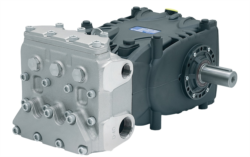
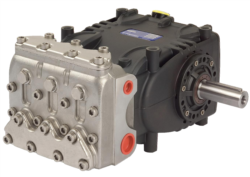
Contractors should verify that high-pressure pump selections do not create upstream restrictions affecting condensate flow. For example, if a condenser water pump (Pratissoli KF30 rated at 106 L/min, 200 bar, 40 kW) is installed on the same manifold as the condensate pump without proper pressure regulation, condensate backpressure can exceed 0.5 bar, reducing effective pump capacity by 40%.
Proper system design isolates condensate pumps to their own reservoir and drainage pathway, with backpressure limited to <0.2 bar at the pump discharge.
Emergency Response Procedures
When condensate system failure occurs:
Immediate Actions (First 30 Minutes)
1. Shut down HVAC system to stop condensate generation
2. Locate pump emergency shutoff valve and close it
3. Manually drain reservoir using drain plug or temporary hose
4. Identify water discharge location and direct to safe drain area
5. Verify no electrical hazards (water contact with electrical panels)
Diagnostic Assessment
- Check for visible blockages in discharge line (use flashlight to inspect line exit point)
- Verify float switch responds to manual manipulation
- Confirm pump motor energizes when float switch is manually activated (listen for motor hum)
- Test pump discharge pressure using low-pressure gauge (<10 bar range) connected to discharge test point
If primary pump fails and replacement is not immediately available:
- Install temporary manual pump (handheld diaphragm pump rated for low pressure) to periodically drain reservoir
- Operate HVAC system with manual drainage every 2-4 hours
- Schedule replacement within 24 hours to prevent water damage
- Document all manual drainage volumes to assess actual system generation rates
With 35 years of experience supplying industrial equipment across tropical climates, 3G Electric recommends maintaining spare condensate pump units on site during monsoon season (June-September and December-February), when humidity peaks and system stress maximizes failure risk.
Specification and Replacement Guidance
When selecting replacement condensate pumps:
- Flow capacity: Size for 150% of calculated peak generation (provides safety margin for fouling and undersized original specification)
- Reservoir volume: Minimum 5 liters for standard installations; 10-15 liters for high-rise buildings where service access is difficult
- Pressure rating: Minimum 2 bar for systems with backpressure potential
- Motor protection: Automatic overload protection (detects dry-running, prevents motor burnout)
- Float switch type: Magnetic reed switches preferred over mechanical switches in Singapore humidity (superior corrosion resistance)
The Clima Concept Display pump meets these specifications with intelligent overload protection and 110 L/hr capacity suitable for commercial HVAC applications up to 8-ton cooling load.
For specialized applications requiring hazardous-area compliance or high-pressure integration, pumps such as the Interpump W2035 L ATEX (35 L/min at 200 bar, 13.23 kW) provide robust construction, though these are typically oversized for standard condensate service.
Proper troubleshooting, seasonal maintenance, and right-sized component selection ensure condensate systems operate reliably in Singapore's demanding tropical climate.