How to Measure and Monitor Pressure Systems: A Practical Guide for Industrial Professionals
Pressure measurement is one of the most critical functions in industrial facilities worldwide. Whether you're managing compressed air systems, hydraulic lines, HVAC installations, or expansion tanks, accurate pressure monitoring directly impacts system efficiency, equipment longevity, and workplace safety. This guide walks you through the fundamentals of pressure measurement, the tools you'll need, and practical steps to implement effective monitoring in your facility. By understanding these principles, industrial professionals across Global operations can reduce downtime, prevent costly failures, and maintain compliance with safety standards.
Understanding Pressure Measurement Fundamentals
Pressure is defined as force applied per unit area, typically measured in bar, PSI (pounds per square inch), or mbar. In industrial applications, pressure monitoring serves multiple critical purposes: it validates system performance, detects leaks or blockages, confirms proper operation of safety devices, and provides early warning of equipment degradation. Different systems require different measurement ranges and accuracies. For example, low-pressure pneumatic systems might require gauges accurate to ±1.6% of full scale, while high-pressure hydraulic systems demand greater precision.
The glycerin-filled pressure gauge is a cornerstone instrument in industrial measurement. Glycerin serves a specific purpose—it dampens needle oscillation caused by pressure pulsations and vibration, which is common in dynamic systems. This damping effect extends gauge life and improves readability by preventing rapid needle flutter. All-stainless steel construction ensures durability in corrosive environments, while the dial size (typically 50mm, 63mm, or 100mm) determines readability from different distances. Understanding these design choices helps you select the right gauge for your application and interpret readings reliably.
Modern pressure measurement goes beyond mechanical gauges. Digital multimeters and specialized detection instruments now provide enhanced diagnostics, data logging, and integration capabilities that mechanical gauges cannot match. A comprehensive approach combines reliable mechanical pressure gauges for direct system indication with digital tools for troubleshooting, verification, and trend analysis.
Essential Tools for Pressure Measurement and System Diagnostics
Selecting the right measurement instruments depends on your system requirements and operating environment. The CBM Glycerin stainless steel pressure gauge vertical D50 0/+4bar exemplifies the precision instrument needed for low-pressure applications. With a 50mm dial and G1/4 connection, this gauge fits compact spaces while remaining clearly readable. The glycerin-filled design makes it ideal for systems with vibration or pressure pulsations, common in compressors and pumps. When selecting a gauge, match the pressure range to your system's maximum operating pressure—oversizing leads to poor resolution, while undersizing risks damage.
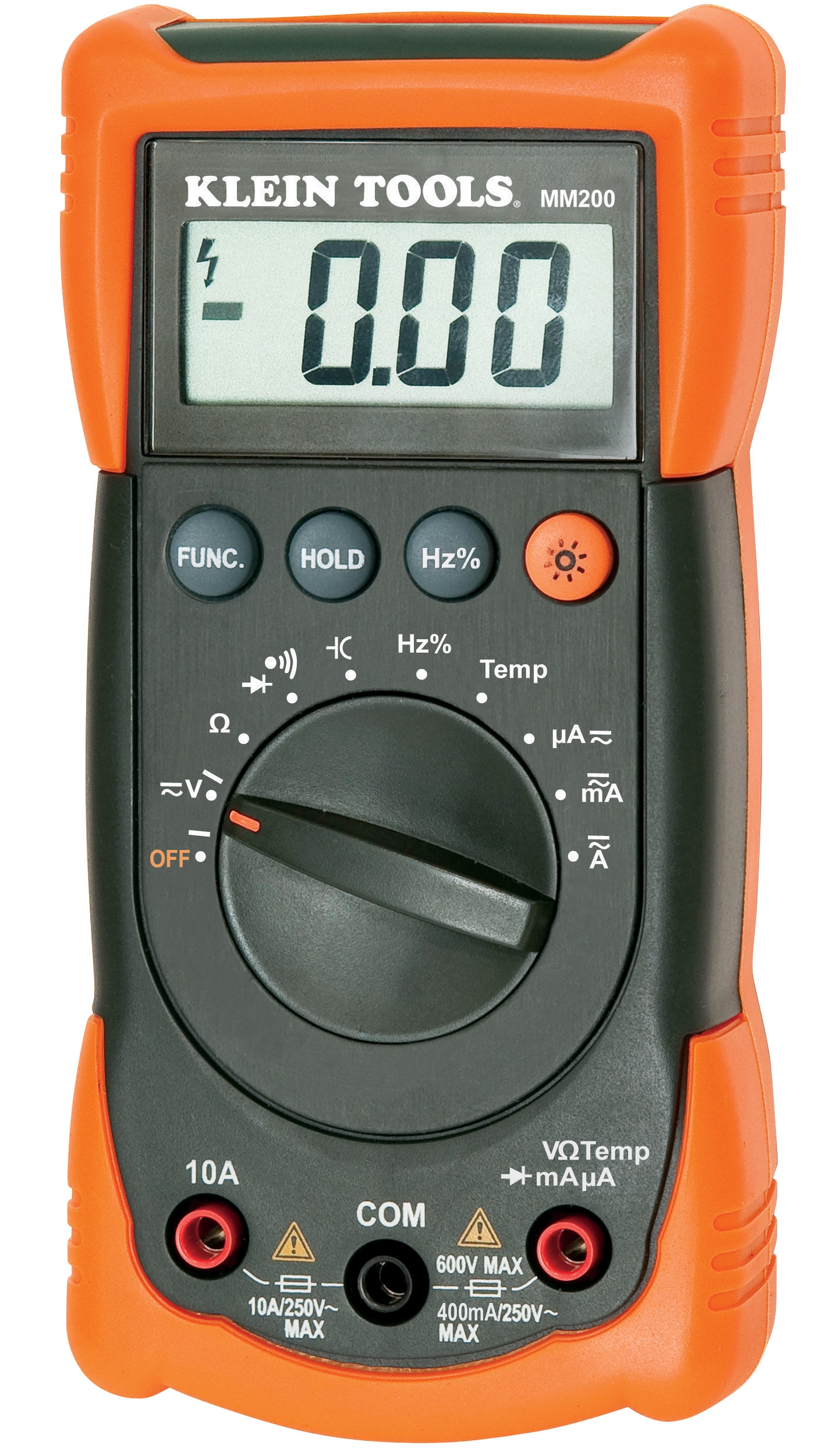
For systems requiring broader diagnostics beyond simple pressure reading, the CBM Automatic multimeter MM420 provides multiple measurement capabilities including voltage, current, and resistance testing. This tool becomes invaluable during troubleshooting—you can verify electrical connections to pressure transducers, test sensor circuits, and diagnose why automated pressure monitoring systems may be displaying errors. The multimeter's automatic range selection reduces operator error and accelerates diagnostics.
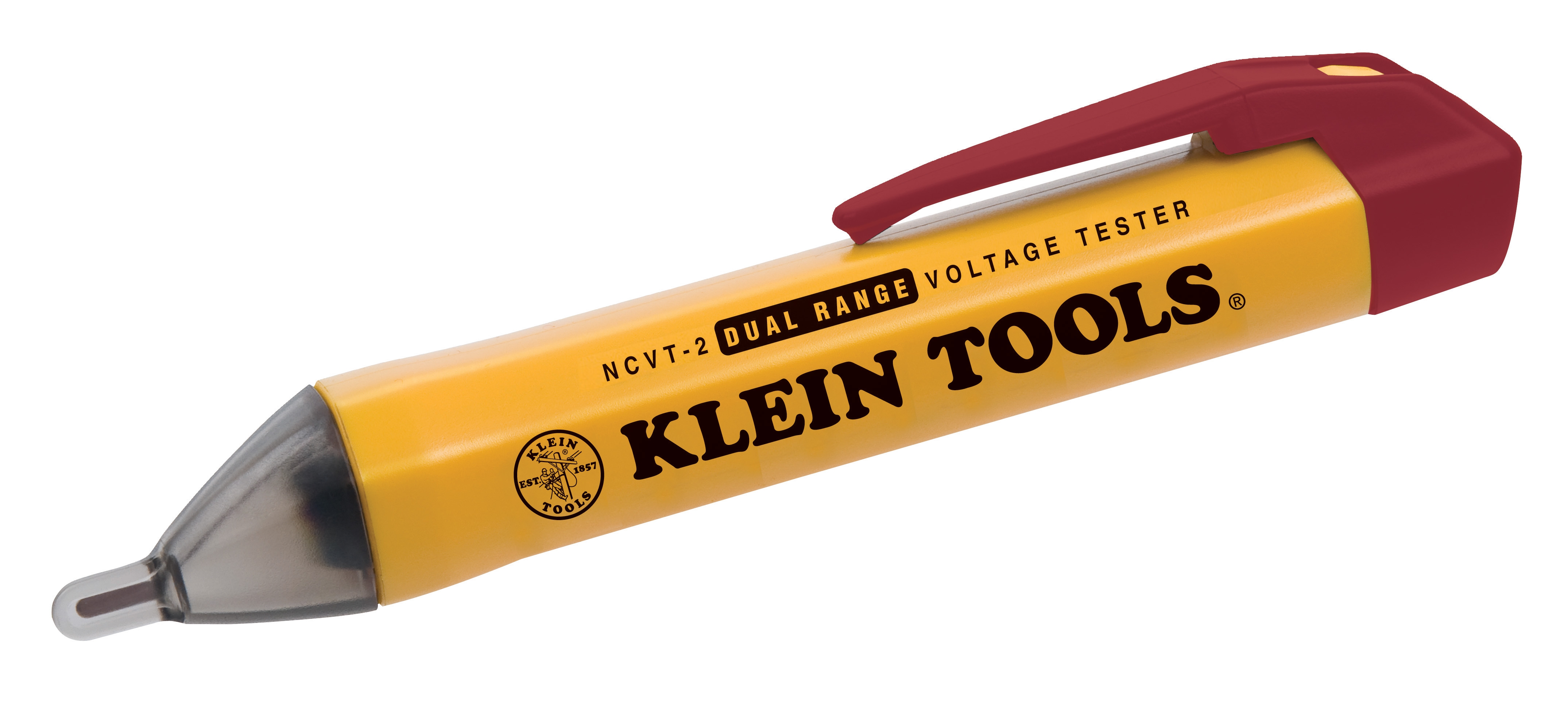
Safety verification demands specialized tools. The CBM Non-contact voltage detector allows you to verify electrical safety before touching gauge connections, especially important in facilities with automated pressure monitoring systems. This detector identifies live circuits without direct contact, protecting technicians from shock hazards. For facilities using infrared thermography to monitor heated systems in conjunction with pressure gauges, the CBM Type K thermocouple high temperature accessory enables simultaneous temperature and pressure correlation, revealing system imbalances that pressure alone might not indicate.
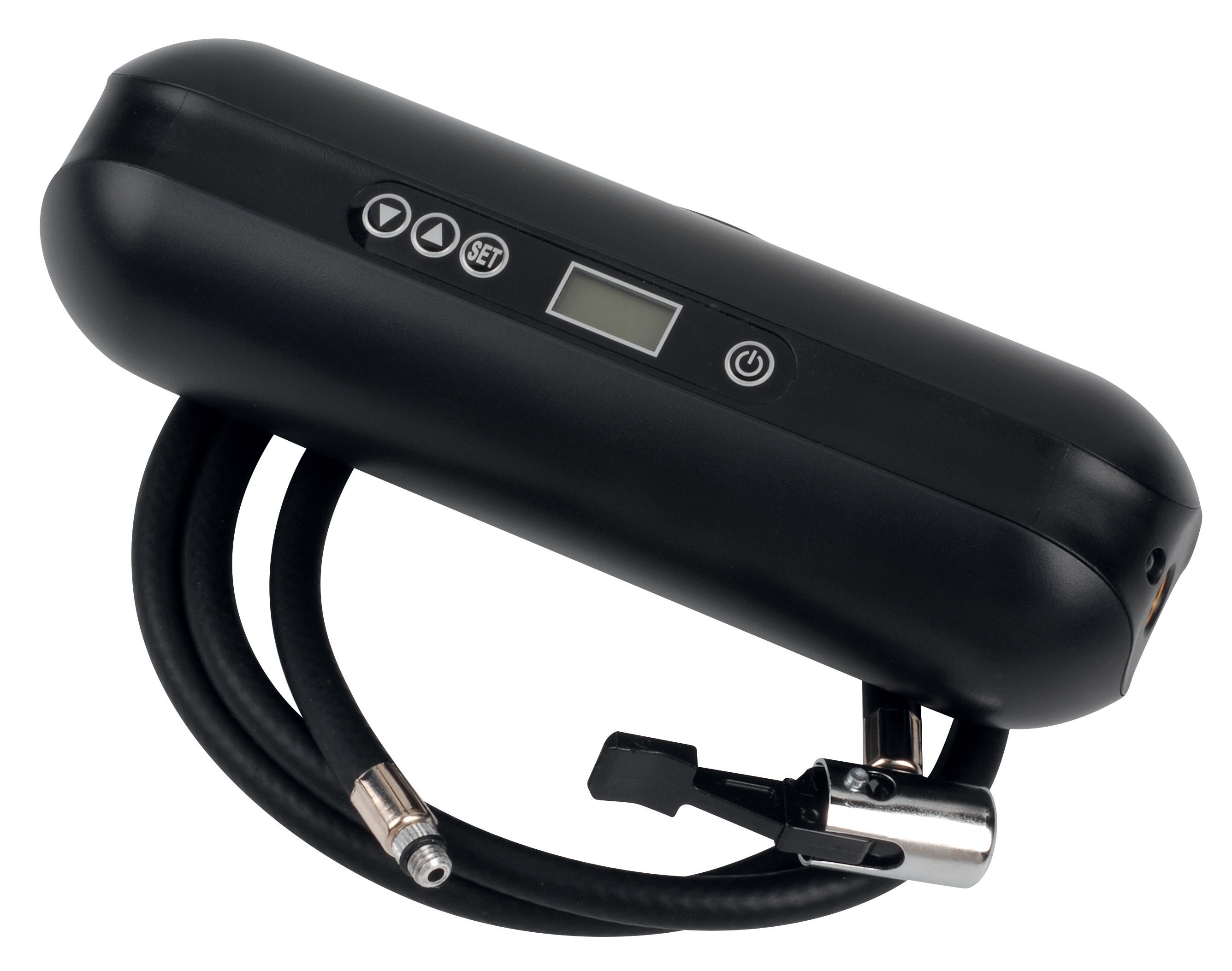
Expansion tank systems require specialized measurement tools. The CBM Expansion tank inflator battery 2000 mAH provides digital pressure display and automatic shutoff once target pressure is reached. This tool prevents over-pressurization, which is a leading cause of expansion tank failure. Its 1-meter hose reaches tanks in confined spaces, and USB/car charger compatibility ensures functionality across diverse facility environments.
Step-by-Step Pressure Measurement Process
Step 1: System Preparation and Safety Assessment
Before connecting any measurement device, ensure the system is stable and safe. De-energize electrical components if working near proximity sensors or automated shutoff valves. Wear appropriate PPE—pressure systems can store significant energy. Verify the gauge's pressure range matches your system using design documentation or nameplate specifications. Never use a gauge rated lower than your system's maximum working pressure.
Step 2: Connection and Baseline Reading
Connect your measurement gauge using the appropriate fitting (G1/4, G1/2, etc.) and ensure connections are hand-tight, then use a wrench for final sealing. Never over-torque—this damages seals. Allow 30 seconds for the system to stabilize before recording readings. Glycerin-filled gauges may show slight needle movement during this settling period—this is normal damping behavior. Record baseline pressure under normal operating conditions for future comparison.
Step 3: Verification with Digital Tools
If your system includes pressure transducers or electronic sensors, cross-verify mechanical gauge readings using your measurement and detection equipment. Use your multimeter to confirm sensor voltage output corresponds to the mechanical gauge reading. This correlation validates both instruments and builds confidence in your monitoring data.
Step 4: Trend Documentation
Record pressure readings at consistent intervals—daily for critical systems, weekly for others. Plot these readings to identify trends. Gradual pressure decline often indicates slow leaks. Sudden drops suggest acute failures. Pressure spikes may indicate blockages downstream. This trending data informs maintenance schedules and helps predict failures before they occur.
Selection Criteria and Best Practices for Industrial Environments
Environment and Material Selection: In corrosive environments—chemical plants, marine facilities, or salt-fog exposure—all-stainless steel construction is non-negotiable. Glycerin-filled gauges with stainless bodies resist corrosion far better than painted steel alternatives. For high-vibration applications like compressor rooms, glycerin damping is essential; without it, gauge needles flutter and become unreadable within months.
Pressure Range Matching: Select gauges where your typical operating pressure sits in the middle 50% of the dial range. This maximizes accuracy and readability. A 0-10bar gauge reading 4bar is more accurate and reliable than a 0-100bar gauge reading the same 4bar. When expansion tank systems operate around 2.5bar, the specialized inflator with digital display becomes more appropriate than a mechanical gauge alone.
Maintenance and Calibration: Pressure gauges drift over time. Establish annual calibration schedules for critical monitoring points. Keep spare gauges on hand—a failed gauge on your primary system should be replaceable immediately. Document all readings and maintenance actions for regulatory compliance and trend analysis. Train all relevant staff on proper gauge reading technique and when to escalate abnormal readings.
Integration with Automation: Modern facilities increasingly use electronic pressure sensors with automated data logging. However, redundancy matters—maintain mechanical gauges as independent verification. This protects against sensor failures and provides operator confidence in system status through direct visual indication, regardless of automation system health.
Closing Remarks and Next Steps
Effective pressure measurement is foundational to industrial reliability and safety. By understanding gauge selection, mastering measurement techniques, and implementing systematic monitoring with proper detection and measurement tools, you position your facility for optimal performance. Whether you manage compressed air systems, hydraulic applications, HVAC networks, or expansion tanks, the principles outlined here apply globally across industrial sectors.
3G Electric has been serving industrial facilities since 1990 with distribution of trusted measurement and detection equipment. Our technical team can help you assess your current monitoring practices, recommend appropriate gauges and digital tools for your applications, and provide guidance on implementation. Contact 3G Electric today to discuss your facility's pressure measurement needs and discover how upgrading your monitoring infrastructure can reduce downtime and extend equipment life.