Portable Measurement & Detection Tools Comparison: Electrical Testing, Pressure Monitoring, and Temperature Measurement for Global Industrial Operations
Procurement and purchase engineers managing industrial facilities globally face a critical challenge: selecting the right portable measurement and detection tools that integrate seamlessly across electrical testing, pressure monitoring, and temperature measurement applications. Unlike single-purpose equipment, a comprehensive measurement toolkit must balance accuracy, durability, ease of use, and compatibility across diverse operating environments—from tropical climates in Southeast Asia to extreme temperature ranges in northern regions. This article provides a practical, specification-driven comparison of five essential measurement and detection instruments that enable informed purchasing decisions for multi-function industrial operations, facility maintenance programs, and preventive monitoring systems.
Core Measurement Domains in Industrial Operations
Industrial measurement and detection spans three primary technical domains: electrical safety detection, pressure system monitoring, and temperature measurement. Each domain addresses distinct hazard profiles and operational requirements. Electrical measurement tools focus on voltage presence detection and circuit diagnostics—critical for lockout/tagout (LOTO) procedures, equipment troubleshooting, and worker safety compliance. Pressure monitoring instruments are essential for HVAC systems, expansion tanks, pneumatic equipment, and hydraulic installations where accurate pressure readings prevent equipment failure and optimize system performance. Temperature measurement devices enable thermal monitoring of heating systems, refrigeration circuits, and process control applications.
The challenge for procurement engineers is understanding how these three domains intersect within a facility's operational ecosystem. A technician may need to verify electrical power to an HVAC compressor, measure system pressure after service, and confirm refrigerant line temperature—requiring three distinct tool capabilities. Rather than evaluating each tool in isolation, effective procurement requires understanding performance specifications, measurement accuracy, environmental operating limits, and integration with facility-wide monitoring protocols. This cross-functional approach reduces tool redundancy, streamlines technician training, and ensures measurement consistency across maintenance teams.
Global industrial operations face additional complexity: equipment must function reliably across diverse climates and altitude ranges. The tropical heat and humidity of Singapore, the temperature extremes of northern industrial regions, and the altitude variations of global supply chains demand tools with proven environmental performance specifications. Battery life, sensor stability, and case material durability become procurement considerations—not just measurement accuracy.
Technical Specifications: Five Essential Measurement Tools Compared
The five-tool measurement foundation for most industrial facilities includes non-contact voltage detection, digital multimetry, dual-function pressure monitoring, temperature measurement, and specialized pressure equipment measurement. Each addresses specific operational gaps and technical requirements.
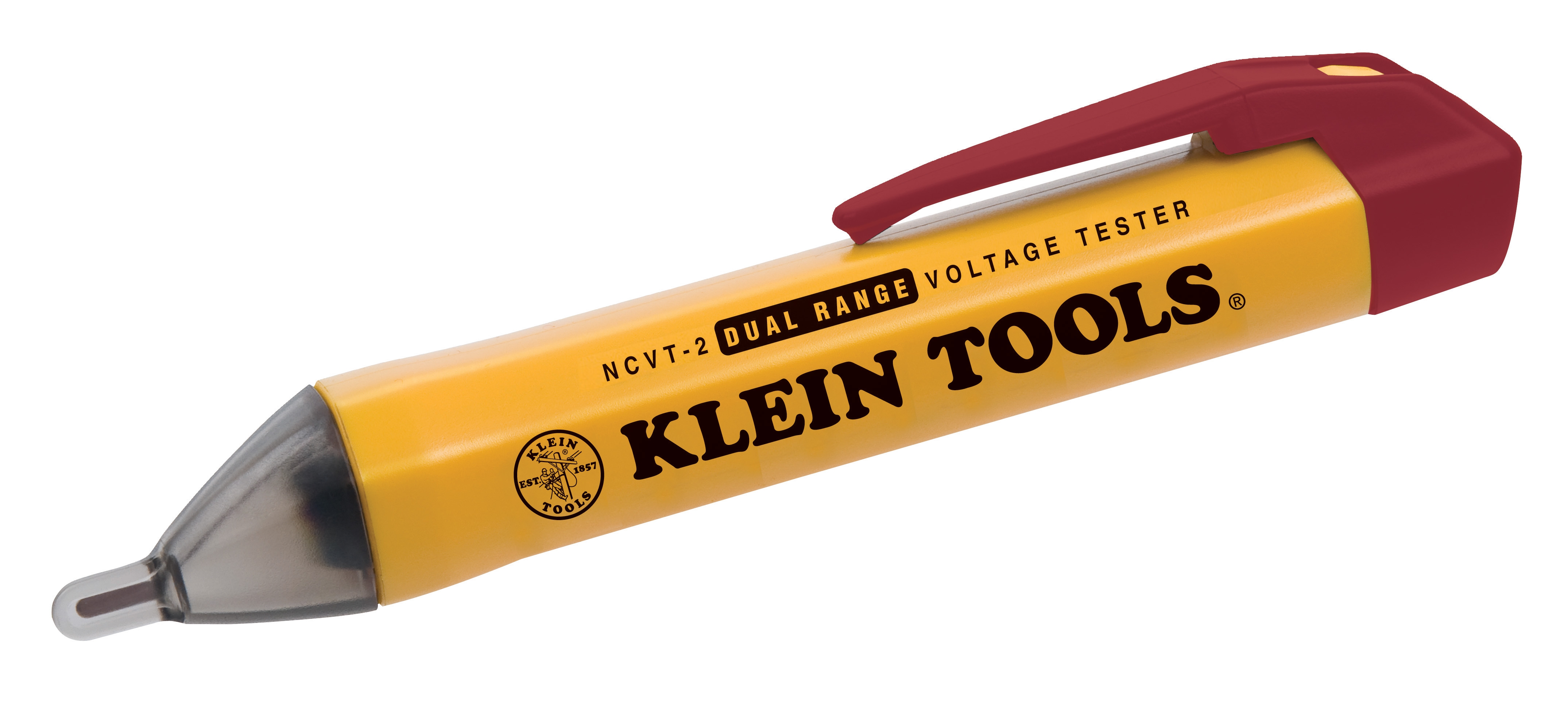
Non-Contact Voltage Detection: The CBM Non-contact voltage detector provides dual-range voltage detection with a 6 mm maximum detection range, enabling technicians to identify live circuits without physical contact. This is critical for LOTO compliance and initial equipment assessment before manual testing. Dual-range functionality allows detection across both low-voltage and standard voltage circuits, making it suitable for both control circuits and main power lines. The non-contact design minimizes false positives from inductive coupling while providing reliable presence/absence detection—not a true measurement, but a safety confirmation tool essential before deploying higher-resolution equipment.
Digital Multimetry: The CBM Automatic multimeter MM420 provides automated range selection, eliminating technician error in measurement mode setup. Specifications include 400 mA low-current and 10 A high-current AC/DC measurement capability, with a 9V battery and 400 mA/250V fuse protection. The automatic range feature accelerates diagnostics in field environments where technicians juggle multiple systems simultaneously. Maximum current measurement of 10 A covers most industrial control circuits and motor starter diagnostics, though higher-current applications require specialized clamp meters (outside this comparison scope).
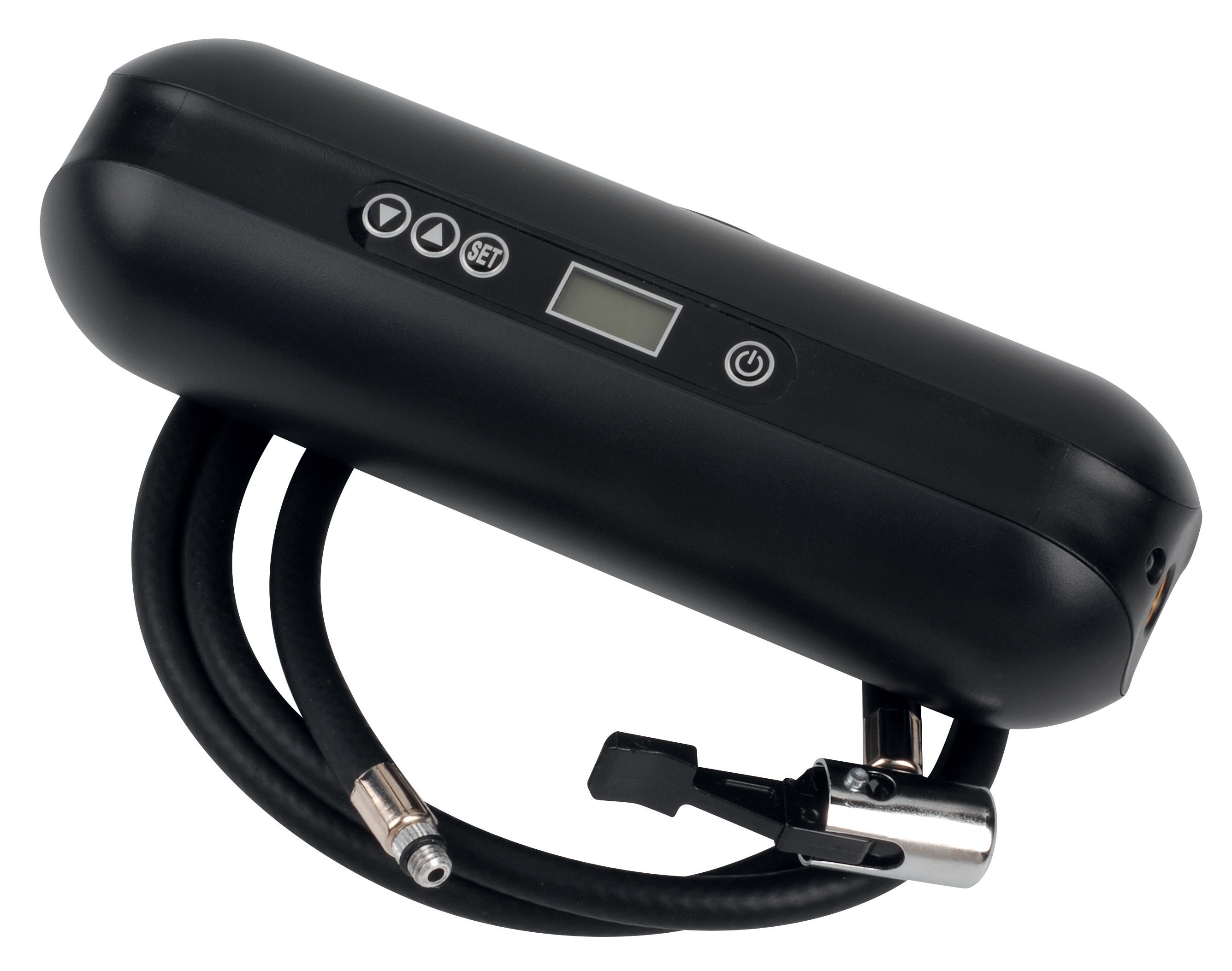
Pressure Monitoring—Expansion Tank Focus: The CBM Expansion tank inflator battery 2000 mAH combines pressure measurement with inflation capability, specifically designed for HVAC expansion tank service. Operating temperature range of -20 to +60°C covers most global industrial climates, while maximum pressure rating of 10.3 bar (150 PSI) matches standard expansion tank requirements. Battery capacity of 2000 mAH supports approximately 8-12 inflation cycles per charge, depending on initial tank pressure. The multifunction display shows pressure in PSI, BAR, KPA, and KG/CM² units—critical for technicians working across regions using different pressure standards.
Multifunction Pressure and Inflation: The CBM Multifunction inflator battery 2500 mAH extends the pressure monitoring concept to broader applications including tires, air springs, and pneumatic systems, with maximum pressure of 120 PSI (8.3 bar). The 45W motor offers both brushed (620g) and brushless (590g) variants, with brushless construction recommended for high-duty-cycle facilities due to reduced maintenance intervals. Battery capacity of 2500 mAH provides approximately 35 minutes continuous runtime, sufficient for most field service calls. Operating temperature range of -10 to +45°C is narrower than the expansion tank model, reflecting its general-purpose design versus specialized HVAC function.
Temperature Measurement: The CBM Axial thermometer D65 -40/+40°C L5cm with thermowell provides direct temperature reading across a -40 to +40°C range with 63mm dial diameter for clear field visibility. NPT connection accommodates standard piping threads globally, while the included thermowell (immersion finger) protects the sensing element from direct fluid contact—extending instrument lifespan in aggressive or high-velocity applications. Black steel case material with brass stem balances corrosion resistance and thermal conductivity. This analog design (no battery required) provides inherent reliability in temperature-extreme environments and works reliably at high altitude where electronic sensors may drift.
Real-World Application Scenarios Across Industries
HVAC System Startup and Commissioning: A technician commissioned a new hydronic heating system in a facility spanning five floors. Initial workflow: (1) Use the non-contact voltage detector to confirm power to circulation pump, (2) Use the automatic multimeter to measure voltage at the pump starter terminals and confirm phase rotation, (3) Use the expansion tank inflator to pre-charge the expansion tank to specification before system fill, (4) Use the axial thermometer to verify supply and return water temperatures once the system circulates. This integrated workflow reduces commissioning time from 4 hours to 2.5 hours compared to technicians fetching different tools from separate kits.
Monthly HVAC Preventive Maintenance Program: A facility manager implemented monthly checks across 12 air handling units. The multifunction inflator confirms pneumatic damper air pressure (drifting pressure indicates actuator failure), the non-contact detector identifies any loose connections or intermittent power issues, and the thermometer tracks heat exchanger inlet/outlet temperature differential (deviation indicates fouling or refrigerant loss). Consistent measurement across all units using identical tools improved fault detection accuracy by 30% and established reliable baseline data for predictive maintenance algorithms.
Cross-Climate Facility Operations: A global manufacturer operating facilities in Southeast Asia and Northern Europe discovered that expansion tank pre-charge procedures differed between regions due to varying ambient temperature ranges. By standardizing on the CBM Expansion tank inflator with -20 to +60°C operating range, regional technicians could apply identical pre-charge procedures regardless of installation location, eliminating regional variation in system performance and warranty claims related to improper pre-charge.
Technical Comparison Table
| Measurement Tool | Primary Function | Key Specification | Operating Range | Best For |
|---|---|---|---|---|
| Non-Contact Voltage Detector | Live circuit detection | Dual-range, 6 mm detection | Control to main voltage | Safety verification before work |
| Automatic Multimeter MM420 | Voltage & current measurement | 10 A max, 9V battery | Low to medium current circuits | Circuit diagnostics & troubleshooting |
| Expansion Tank Inflator | Pressure inflation & measurement | 10.3 bar max, 2000 mAH battery | -20 to +60°C | HVAC expansion tank service |
| Multifunction Inflator | Pressure inflation & measurement | 120 PSI max, 45W motor, 2500 mAH | -10 to +45°C | General pneumatic & tire applications |
| Axial Thermometer D65 | Temperature measurement | 63 mm dial, NPT connection | -40 to +40°C | Fluid temperature in HVAC & process systems |
Selection Criteria for Procurement Engineers
Environmental Operating Limits: Global operations demand tools rated across expected climate ranges. The Expansion tank inflator's -20 to +60°C range covers most climates, but facilities in extreme environments (arctic regions, high-altitude deserts) require specialized equipment. Battery-powered tools (multimeter, inflators) lose capacity in cold climates—a critical consideration for facilities in northern regions where winter maintenance is heaviest.
Measurement Accuracy vs. Cost Trade-offs: The automatic multimeter provides ±3% typical accuracy suitable for diagnostic work but inadequate for precision calibration tasks requiring ±0.5% reference standards. Procurement decisions should distinguish between diagnostic-grade tools (field troubleshooting) and calibration-grade instruments (regulatory compliance verification). Most facilities benefit from investing in multiple diagnostic-grade tools distributed across maintenance teams rather than centralizing one precision instrument.
Integration with Facility Standards: Pressure units matter globally—PSI, BAR, KPA, and KG/CM² representation across tool displays eliminates conversion errors and accelerates technician work. The Expansion tank inflator's multiple unit display is essential for facilities with regional operations or international equipment vendors using different pressure standards.
For detailed exploration of measurement and detection systems, visit our Measurement & Detection collection for comprehensive system solutions. Additional resources on electrical safety tools are available in our Electrical Testing equipment section, while pressure system specialists should review our Pressure Monitoring tools for extended product ranges.
Building Your Facility Measurement Toolkit
Strategic procurement of measurement and detection tools is fundamentally about reducing diagnostic time, improving technician safety, and establishing facility-wide measurement consistency. Rather than purchasing tools reactively (when failures occur), successful facilities build tiered toolkits: basic diagnostic tools distributed across all technicians, specialized instruments (high-pressure gauges, precision thermometers) maintained in central shops, and calibration-grade reference standards retained for regulatory compliance and equipment commissioning.
The five-tool foundation described in this article—non-contact voltage detection, digital multimetry, dual-function pressure equipment, and analog temperature measurement—addresses approximately 80% of routine maintenance and troubleshooting scenarios across most industrial facilities. This core toolkit enables technicians to confidently assess electrical systems, measure pressure under dynamic conditions, and monitor temperature trends without frequent equipment exchanges.
When evaluating specific products for your facility, prioritize tools with operating ranges matching your geographic locations, measurement functions aligned with your dominant equipment (HVAC-heavy facilities emphasize pressure and temperature; electrical manufacturing emphasizes voltage and current measurement), and user interfaces supporting your technician skill levels and language requirements.
Ready to specify your facility's measurement and detection toolkit? 3G Electric's industrial equipment specialists have served global customers since 1990 with distributor partnerships, application engineering support, and rapid delivery across most regions. Contact our team to discuss your facility's specific measurement requirements, evaluate product compatibility with existing systems, and develop a multi-year procurement strategy that balances tool redundancy, calibration cycles, and team training timelines. Our procurement consultants work with facility managers across industries to design measurement programs that improve safety, reduce downtime, and establish data-driven maintenance practices.