Pilot Lights vs. Flame Detection Systems: A Technical Comparison for Singapore Industrial Operations
When specifying controls and safety equipment for gas burner systems in Singapore, industrial professionals face a critical decision: should you implement a traditional pilot light system or invest in advanced flame detection technology? Both approaches serve the essential function of monitoring combustion in gas and dual-fuel burners, yet they operate on fundamentally different principles and deliver distinct performance characteristics. This technical comparison examines the core differences, operational specifications, and real-world applications to help you make an informed selection for your facility.
Understanding Pilot Light Systems and Flame Detection Technology
Pilot light burners represent the foundational approach to flame monitoring in industrial heating systems. These devices maintain a small, continuous flame that serves as both a visual indicator of burner readiness and a heat source for thermocouples. The pilot light generates sufficient energy to keep a thermocouple at operating temperature, which in turn maintains electrical continuity in the control circuit. When the main burner ignites, the pilot flame transitions from its primary function to a secondary monitoring role, typically verified through a flame rod or ionization electrode.
In contrast, flame detection systems—particularly UV and infrared sensors—operate independently of pilot flames and detect the primary burner flame directly. These sensors convert optical radiation from combustion into electrical signals that the control system interprets as confirmation of flame presence. Modern burner control systems increasingly integrate these technologies to eliminate reliance on pilot lights entirely, particularly in applications requiring rapid response times or precise flame monitoring.
The fundamental technical advantage of flame detection sensors lies in their responsiveness and independence. A UV cell such as the CBM Cell QRA 10C responds to ultraviolet radiation emitted during combustion in microseconds, compared to the thermal lag inherent in thermocouple-based pilot light detection. Additionally, flame detection systems function regardless of ambient temperature fluctuations, whereas pilot light performance can degrade in extreme thermal environments.
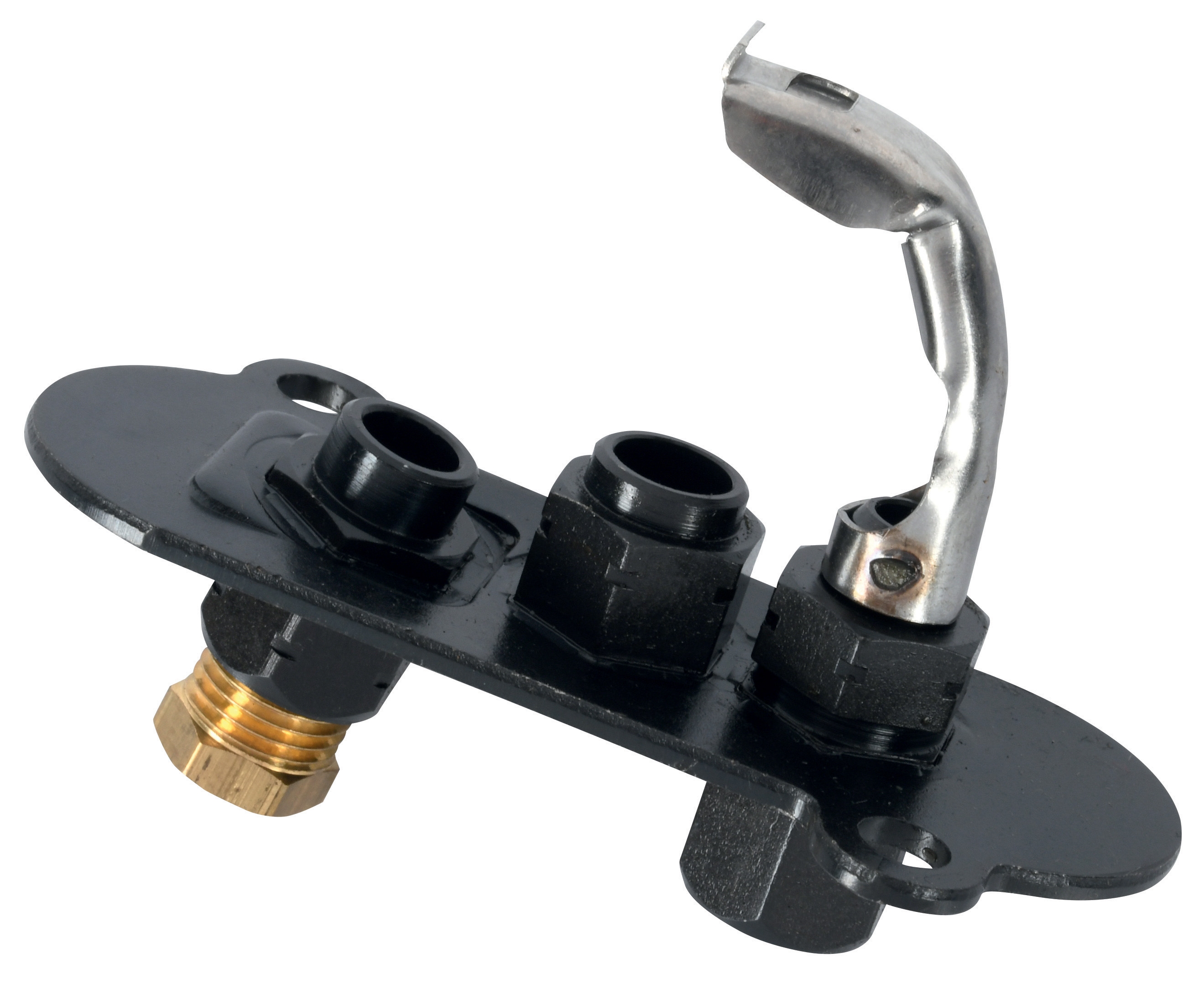
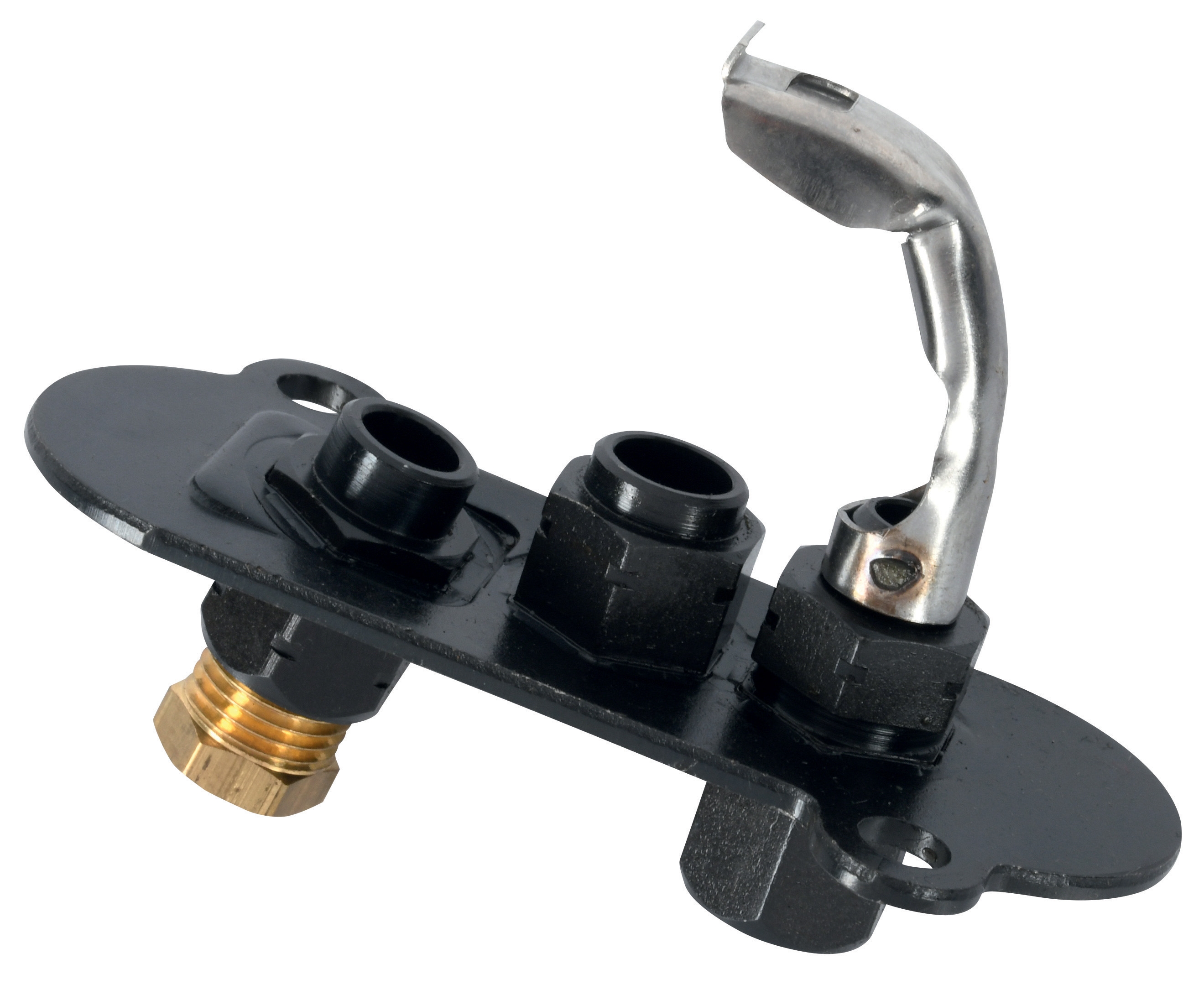
Pilot light systems, however, maintain significant advantages in simplicity, cost-effectiveness, and proven reliability across decades of industrial deployment. SIT-manufactured pilot burners—such as the CBM Universal Pilot Light 1 Flame 3 Positions—deliver robust performance with minimal maintenance requirements. These units incorporate aluminium oxide igniter plugs that withstand thermal shock and impact, ensuring consistent operation across varying load conditions.
Technical Specifications and Performance Characteristics
To properly compare these technologies, we must examine their technical performance against standardized parameters. Pilot light burners, particularly SIT-manufactured models used across industrial applications in Singapore and internationally, demonstrate exceptional corrosion resistance and silent operation—critical factors in food processing, pharmaceutical manufacturing, and hospitality sectors where noise considerations impact facility operations.
The CBM Pilot Light 2 Flames 0140015 exemplifies modern pilot burner design, featuring rapid thermocouple substitution capability that minimizes maintenance downtime. These units pass turn-down testing with wide margins, meaning they maintain stable combustion across fuel supply pressure variations—a critical performance metric in facilities with fluctuating gas supply conditions.
Temperature performance specifications reveal important operational boundaries. The CBM Thermocouple Safety document indicates maximum operating temperatures at the target tip reaching 815°C for Q334A configurations and 730°C for Q385A designs, with orifice assembly limits at 340°C. These thermal boundaries directly inform system design decisions, particularly in high-temperature industrial processes such as metallurgical heating, ceramic firing, and chemical processing.
UV flame detection systems offer superior response characteristics in demanding applications. The CBM Cell QRA 10C provides broadband ultraviolet sensing suitable for gas and oil burner applications, with detection response times measured in tens of milliseconds—approximately 100-1000 times faster than thermally-coupled pilot light systems. This responsiveness proves essential in safety-critical applications where rapid flame-out detection prevents hazardous fuel accumulation.
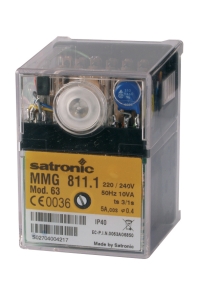
The CBM Relay TMG 740-3 63.55 represents integrated control systems designed specifically for high-efficiency gas and mixed-fuel burners operating in intermittent duty cycles. This automatic burner control coffret accommodates multiple flame detection approaches—ionization electrodes, UV cells, or infrared oscillation detectors—demonstrating the modular design philosophy that defines modern burner control technology in Singapore facilities.
Real-World Application Examples and Selection Criteria
Industrial facilities across Singapore deploy both pilot light and flame detection systems based on specific operational requirements. Small commercial kitchens, bakeries, and food service operations frequently utilize pilot light systems due to their inherent simplicity and minimal electrical dependency. A single thermocouple—such as the CBM SIT INT.1000 9x1 0270400—provides continuous burner status indication without sophisticated control electronics, making pilot light systems attractive for retrofit applications and facilities with limited electrical infrastructure.
Conversely, industrial process heating applications—chemical reactors, industrial ovens, steam generators—increasingly mandate flame detection systems. These applications demand rapid flame-out response to prevent dangerous conditions. Manufacturing facilities in Singapore's petrochemical and refining sectors typically specify UV-based detection systems integrated with automated control systems featuring servo motors and solenoid valves for precise flame management.
High-efficiency burner systems present a hybrid scenario. Modern installations often employ pilot lights for operational verification while incorporating UV detection for primary flame monitoring and safety confirmation. This dual-technology approach maximizes safety margin while preserving the diagnostic benefits of continuous pilot flame visibility. The CBM Motorized Valve integration with control relays facilitates this layered safety architecture, allowing independent fuel supply management for pilot and main flame circuits.
Regulatory compliance considerations significantly influence technology selection in Singapore. Facilities subject to Singapore Standards (SS) and international safety codes increasingly mandate independent flame monitoring systems for insurance and certification purposes. Facilities processing hazardous materials or operating in classified areas typically cannot rely solely on pilot light detection, necessitating certified UV or infrared sensor integration.
Comparative Performance Table
| Performance Parameter | Pilot Light Systems | UV Flame Detection |
|---|---|---|
| Response Time | 500-2000 ms (thermal lag) | 10-50 ms (optical) |
| Maximum Operating Temperature | 730-815°C (tip) | 600°C (sensor envelope) |
| Installation Complexity | Low (simple thermocouple) | Moderate (optical alignment) |
| Maintenance Frequency | 12-24 month intervals | 6-12 month intervals |
| Fuel Type Compatibility | Gas, oil, dual-fuel | Gas, oil, dual-fuel |
| Corrosion Resistance | Excellent (proven) | Very good (modern coatings) |
| Cost Profile | Lower initial cost | Higher initial cost |
| Safety Certification | Standard industrial | Enhanced/classified area |
Making the Selection: Decision Framework for Singapore Facilities
The optimal choice between pilot light and flame detection systems depends on integrating technical specifications with operational context. For existing installations undergoing maintenance or small-scale expansions, upgrading pilot light assemblies using proven products like the CBM Universal Pilot Light 1 Flame 3 Positions offers cost-effective reliability with minimal disruption. The rapid thermocouple substitution capability ensures minimal downtime during scheduled maintenance.
New system installations, particularly in safety-critical applications or facilities subject to enhanced regulatory oversight, warrant investment in modern flame detection systems. These technologies integrate seamlessly with contemporary control architectures incorporating servo motors (MT 4002 B series) and motorized valves (VK65F31T5A93D, SKU: KRO07015) for sophisticated flame management.
Hybrid approaches merit serious consideration for facilities requiring maximum safety margin combined with operational flexibility. Integrating both pilot light monitoring and UV-based primary flame detection—supported by systems such as the CBM Relay TMG 740-3—provides redundant safety while preserving the diagnostic advantages of visible pilot flame operation.
Conclusion and Professional Guidance
Pilot light burners and modern flame detection systems represent distinct approaches to industrial burner safety, each with legitimate applications across Singapore's diverse industrial landscape. Pilot lights excel in simplicity, proven reliability, and cost-effectiveness, while UV and infrared detection systems deliver superior response times and enhanced safety certification for demanding applications.
The decision framework should evaluate your facility's specific requirements: thermal environment, response time demands, regulatory compliance obligations, and maintenance capacity. Both technologies, when properly specified and maintained, deliver excellent service records across decades of industrial operation.
3G Electric specializes in comprehensive controls and safety solutions for Singapore industrial facilities. Our technical team possesses extensive experience specifying and supporting both pilot light and modern flame detection architectures. Whether you're optimizing existing burner systems or designing new high-efficiency installations, we can guide your selection with data-driven recommendations tailored to your operational context. Contact our Singapore facility today to discuss your burner control requirements and explore the complete range of industrial controls and safety products we stock from leading manufacturers.