How to Monitor and Maintain Pressure Gauges on Industrial Pumps & Compressors in Singapore
Pressure gauges are critical instruments that provide real-time visibility into the operational health of industrial pumps and compressors. For industrial professionals in Singapore managing complex fluid handling and compression systems, accurate pressure monitoring directly impacts system safety, component longevity, and energy efficiency. This technical guide walks you through the essential procedures for monitoring pressure gauges, identifying measurement deviations, performing preventive maintenance, and troubleshooting common pressure-related issues. Whether you operate industrial pumps and compressors in food processing, manufacturing, hydraulics, or general industrial applications, understanding pressure gauge maintenance ensures your systems operate within specified parameters and prevents costly downtime.
Why Pressure Gauge Monitoring Matters in Industrial Operations
Pressure gauges function as the diagnostic window into your pump and compressor systems. They measure the force exerted by fluids or gases, typically displayed in bar, MPa, or PSI units. In industrial applications across Singapore, pressure measurements serve multiple critical functions: confirming that systems operate within design specifications, detecting component degradation, validating system performance under load, and providing early warning signals of impending equipment failures.
The relationship between pressure and system health is direct and quantifiable. When a pump or compressor operates beyond its rated pressure specification, mechanical stress increases exponentially, accelerating wear on seals, bearings, and internal components. Conversely, pressure readings below specification indicate potential issues such as seal leakage, internal wear, or insufficient prime. Accurate gauge readings enable technicians to distinguish between normal operational variation and genuine system anomalies requiring intervention.
In Singapore's tropical climate, environmental factors compound these challenges. High ambient temperatures affect fluid viscosity and system thermal expansion. Humidity and salt-laden air in coastal industrial areas accelerate gauge corrosion. Vibration from adjacent machinery and thermal cycling stress gauge mechanisms. Professional pressure gauge monitoring and maintenance accounts for these environmental variables, ensuring measurements remain reliable despite tropical operating conditions.
Beyond diagnostics, pressure monitoring directly links to energy efficiency and cost control. Systems operating with excessive pressure waste energy through heat generation and component friction. Regular gauge verification confirms that pressure relief systems function correctly, preventing energy waste while protecting equipment from overpressurization damage. For industrial facilities operating 24/7, the investment in systematic pressure monitoring delivers measurable returns through extended component life and reduced energy consumption.
Understanding Pressure Specifications and Operating Ranges for Industrial Pumps
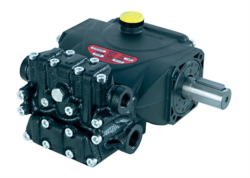
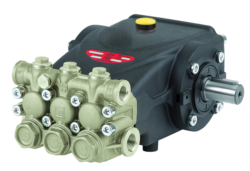
Industrial pumps operate across distinct pressure classes, each designed for specific applications. Understanding your equipment's rated pressure specification forms the foundation of effective monitoring. Consider the Interpump PUMP E3B2515I R, which operates at 250 bar (25 MPa / 3625 PSI) with a flow rate of 15 L/min at 1450 rpm. This high-pressure unit represents the upper range for many industrial fluid transfer applications, including hydraulic systems, pressure washing, and specialized industrial cleaning operations.
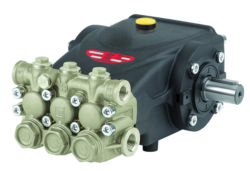
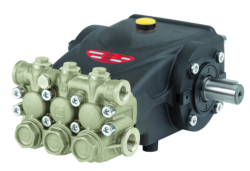
Mid-range pressure equipment like the Interpump PUMP E3C1515 L operates at 150 bar (15 MPa / 2175 PSI) with 15 L/min flow capacity, serving general industrial transfer applications where moderate pressure and reliable flow are primary requirements. Lower-pressure systems such as the Interpump PUMP E3C1021 DX rated at 100 bar (10 MPa / 1450 PSI) with 21 L/min capacity handle bulk fluid transfer, circulation, and applications prioritizing volume over pressure intensity.
Each pressure class carries specific design implications. High-pressure equipment like the 250 bar Interpump models uses reinforced internal components, precision-machined passages, and specialized sealing materials capable of withstanding sustained elevated pressures. Mid-range 150 bar systems balance pressure capability with component durability and operational cost. Lower-pressure, higher-flow systems optimize for volume capacity while using less specialized materials.
When monitoring these systems, your baseline pressure reading must account for the pump's design specification, not arbitrary industrial norms. A correctly functioning 250 bar pump should consistently deliver pressure readings near 250 bar under load—not 180 bar or 220 bar. Similarly, a 100 bar system should operate predictably near its 100 bar rating. Deviations of more than 10-15% from rated specification warrant investigation. Understanding this pressure classification framework enables you to distinguish normal operational variation from genuine system degradation requiring maintenance or component replacement.
Step-by-Step Pressure Gauge Monitoring Procedure
Step 1: Establish Baseline Measurements
Document the normal operating pressure of each pump and compressor system under standard load conditions. Record pressure readings during startup, under load, and during shutdown sequences. These baseline measurements create your reference standard for comparing future readings. Maintain a logbook—digital or physical—recording date, time, operator, pressure reading, system load condition, ambient temperature, and any observable anomalies.
Step 2: Perform Daily Visual Inspections
Before relying on pressure data, visually inspect the gauge itself. Check for physical damage to the gauge casing, needle misalignment, or fluid accumulation inside the gauge crystal. Verify gauge mounting security and confirm no leakage occurs around gauge connections. Look for corrosion on the gauge body or fittings, particularly in coastal Singapore environments. Document any visible wear or damage in your maintenance log.
Step 3: Take Daily Pressure Readings Under Consistent Conditions
Record pressure readings at the same operational point each day—typically 30 minutes after system startup under normal load conditions. This consistency enables meaningful trend analysis. Compare today's reading to yesterday's reading and to your established baseline. Pressure readings should remain within 5% of baseline under identical load conditions.
Step 4: Analyze Pressure Trends Over Time
Track pressure readings using simple trend analysis: gradually rising pressure over weeks or months suggests internal component wear, seal degradation, or flow restriction requiring maintenance. Sharp pressure spikes indicate possible blockages or relief valve malfunction. Erratic, unstable readings suggest gauge accuracy issues or system instability requiring investigation.
Step 5: Schedule Gauge Calibration Quarterly
Remove gauges from service quarterly and send them to a certified calibration facility. Tropical environmental exposure in Singapore accelerates gauge mechanism wear. Calibration verifies that gauge readings match actual system pressure within ±2% accuracy. Uncalibrated gauges may display readings 15-20% off actual system pressure, creating false diagnostic conclusions.
Best Practices for Pressure Gauge Selection and Maintenance
Gauge Specification Matching
Select pressure gauges rated for pressures 1.5 to 2 times your system's maximum operating pressure. A pump rated at 250 bar requires a gauge rated for at least 375-500 bar. This specification margin prevents gauge overpressurization and provides a safety buffer. Gauge accuracy class should be ±1.6% (Class 1.6) or better for systems requiring reliable diagnostics. Industrial pressure gauges in Singapore must withstand tropical temperature extremes (28-32°C ambient) and humidity levels exceeding 80%. Specify stainless steel gauge bodies and glycerin-filled gauges for vibration-heavy environments.
Environmental Protection
In Singapore's coastal and humid industrial environments, install gauge isolating valves and snubber fittings upstream of pressure gauges. Snubbers reduce pressure spikes and vibration transmitted to gauge mechanisms, extending gauge lifespan 3-5 years. Isolating valves enable gauge removal for servicing without depressurizing entire systems. Apply protective gauge covers in dusty environments or areas exposed to salt spray.
Documentation and Records
Maintain detailed records of all pressure measurements, calibration dates, and maintenance actions. Document any component replacements, seal replacements, or repairs performed on pumps and compressors. This historical data enables predictive maintenance decisions: if pressure began rising three months after seal replacement, a seal quality issue may exist. Documentation also provides compliance evidence for ISO 9001 or other quality certifications common in Singapore manufacturing.
Training and Competency
Ensure operators and maintenance technicians understand the specific pressure specifications of equipment they manage. Provide training on reading analog and digital gauges, recognizing abnormal pressure patterns, and documentation procedures. Competent personnel recognize that a sudden 30 bar pressure increase in a 250 bar system warrants investigation, while a 5 bar variation is normal operational drift.
Common Pressure Gauge Issues and Troubleshooting
Gradual Pressure Decline
Progressive pressure loss over weeks or months typically indicates internal seal wear or external leakage. Inspect visible connections for drips or wetness. Listen for hissing sounds indicating high-pressure leakage. If no external leakage appears visible, internal seal degradation is likely, requiring pump servicing or seal replacement. This is particularly common in high-pressure systems like the Interpump PUMP E3B2515 L operating continuously at 250 bar.
Fluctuating or Erratic Pressure Readings
Gauge needles that swing wildly or jump unpredictably may indicate a faulty gauge requiring replacement. However, also check for system instability: air entering the system, cavitation at pump inlet, or relief valve chatter. Bleed air from system filling points and verify adequate inlet pressure exists at pump suction.
Pressure Higher Than Specification
If pressure consistently exceeds rated specifications (e.g., a 150 bar system reading 165 bar), verify that relief valves function correctly. A blocked or stuck relief valve cannot discharge excess pressure, forcing the system into overpressure condition. Relief valve testing requires specialized equipment; contact your equipment supplier in Singapore for relief valve service.
Zero or Very Low Pressure Readings
No pressure when the system should be operating may indicate complete seal failure, a disconnected gauge, or a blocked gauge isolating valve. Verify the gauge isolating valve is fully open. Check that the system prime is adequate and inlet conditions meet pump specifications. If pressure remains zero with these checks complete, the pump requires internal inspection.
Integrating Pressure Monitoring into Preventive Maintenance Programs
Systematic pressure monitoring forms the cornerstone of equipment reliability in Singapore industrial operations. By establishing baseline measurements, performing daily inspections, tracking pressure trends, and scheduling regular calibration, you transform pressure gauges from passive indicators into active diagnostic tools that predict component failures before they impact production.
The investment in professional pressure monitoring—documented readings, calibrated instruments, trained personnel, and systematic trending—delivers measurable returns: extended equipment life, reduced unplanned downtime, improved energy efficiency, and compliance with industry standards. For industrial facilities operating diverse pump and compressor equipment across multiple pressure classes, implementing these monitoring practices ensures safe, efficient, reliable operations.
Whether you operate high-pressure systems like the Interpump E3B series, mid-range equipment, or lower-pressure high-flow applications, pressure gauge monitoring remains non-negotiable. The small investment in systematic monitoring prevents the catastrophic costs of equipment failure, environmental incidents, or safety hazards resulting from undetected pressure anomalies.
Getting Support for Pressure Gauge Maintenance in Singapore
At 3G Electric, we understand that industrial professionals in Singapore require reliable pumps and compressors supported by accessible expertise. Since 1990, we've partnered with Singapore's industrial sector, supplying quality equipment and supporting comprehensive maintenance programs. If you're uncertain about your pressure gauge specifications, need calibration resources, or require guidance on monitoring procedures for your specific equipment configuration, our team is ready to assist.
Contact 3G Electric to discuss your pressure monitoring requirements, arrange gauge calibration services, or explore equipment upgrades that enhance your system's diagnostic capabilities and operational reliability. Our technical experts can review your current monitoring procedures and recommend improvements tailored to your facility's specific applications and tropical environmental conditions.