Modulating vs. Fixed-Output Gas Burners: A Practical Comparison for Singapore's Industrial Operations
Plant managers and operations directors across Singapore increasingly face a critical equipment decision: should your facility invest in modulating gas burners or stick with traditional fixed-output models? This distinction directly impacts fuel consumption, maintenance costs, and operational flexibility—factors that determine your facility's profitability over a 10-15 year equipment lifecycle. Modulating burners adjust flame intensity based on real-time demand, while fixed-output burners operate at full capacity regardless of load. For industrial operations in Singapore's competitive manufacturing and processing sectors, understanding these differences is essential to making informed capital equipment decisions that align with your facility's thermal demands and energy efficiency targets.
Understanding the Core Difference: Modulation vs. Fixed-Output Combustion
At the heart of this comparison lies a fundamental operational principle: how a burner responds to varying thermal loads. A fixed-output burner operates as a simple on-off device—it either runs at full capacity or it shuts down completely. This binary operation made sense decades ago when industrial processes ran continuously at steady state. However, modern manufacturing, steam generation, and process heating rarely maintain constant thermal demand throughout the operating day.
Modulating burners, by contrast, use proportional control systems—typically PID (Proportional-Integral-Derivative) controllers—to continuously adjust flame intensity based on monitored load conditions. When your boiler needs 40% of maximum heat output, a modulating burner delivers approximately 40% capacity. This creates a stepped or smooth transition between minimum and maximum firing rates, following actual demand rather than forcing the system to cycle on and off repeatedly.
The efficiency implications are substantial. Fixed-output burners experience significant cycling losses—the repeated heat loss during startup, ramp-up, and shutdown cycles. A burner that runs at full capacity for 2 minutes, shuts down for 3 minutes, then restarts consumes more fuel per unit of useful heat output than one that runs at 50% capacity continuously. Additionally, modulating systems reduce temperature overshoot in the furnace or boiler, which means less makeup air heating and lower chimney losses. For industrial facilities in Singapore operating 16-24 hours daily, these efficiency gains compound substantially across quarterly and annual operating costs.
Technical Implementation: How Modulation and Control Systems Work in Practice
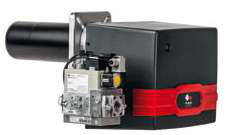
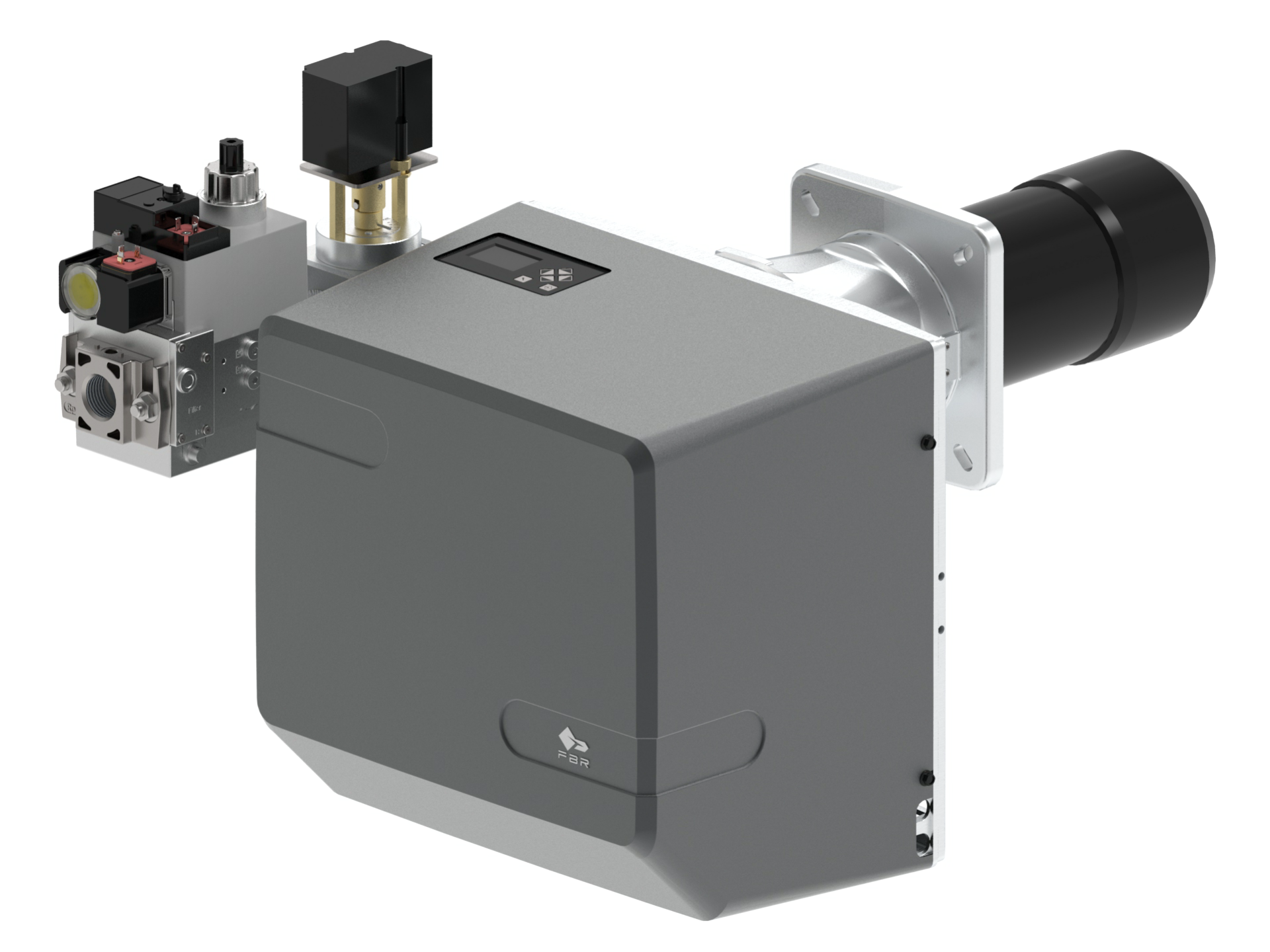
The FBR GAS X5 modulating burner exemplifies modern modulation technology. This unit features a die-cast aluminum body with a high-pressure fan capable of handling fuel pressures from 27-33 mbar for natural gas and LPG, with a motor rated at 370W. The burner supports power outputs ranging from a minimum of 69.8 kW to a maximum of 349 kW—a 5:1 turn-down ratio that allows this single unit to serve multiple operational scenarios without oversizing the equipment.
Modulation capability depends on three integrated subsystems working in concert: the combustion head (which maintains stable flame across the full operating range), the pressure regulation system (which ensures consistent fuel delivery at varying rates), and the control relay network. The CBM Relay SM 592.2 represents the electronic intelligence layer for atmospheric and fan-assisted burners operating in intermittent mode. These electronic control systems include non-volatile lockout functions, preventing restart attempts after a safety shutdown until manual reset occurs—a critical safeguard for unattended industrial equipment.
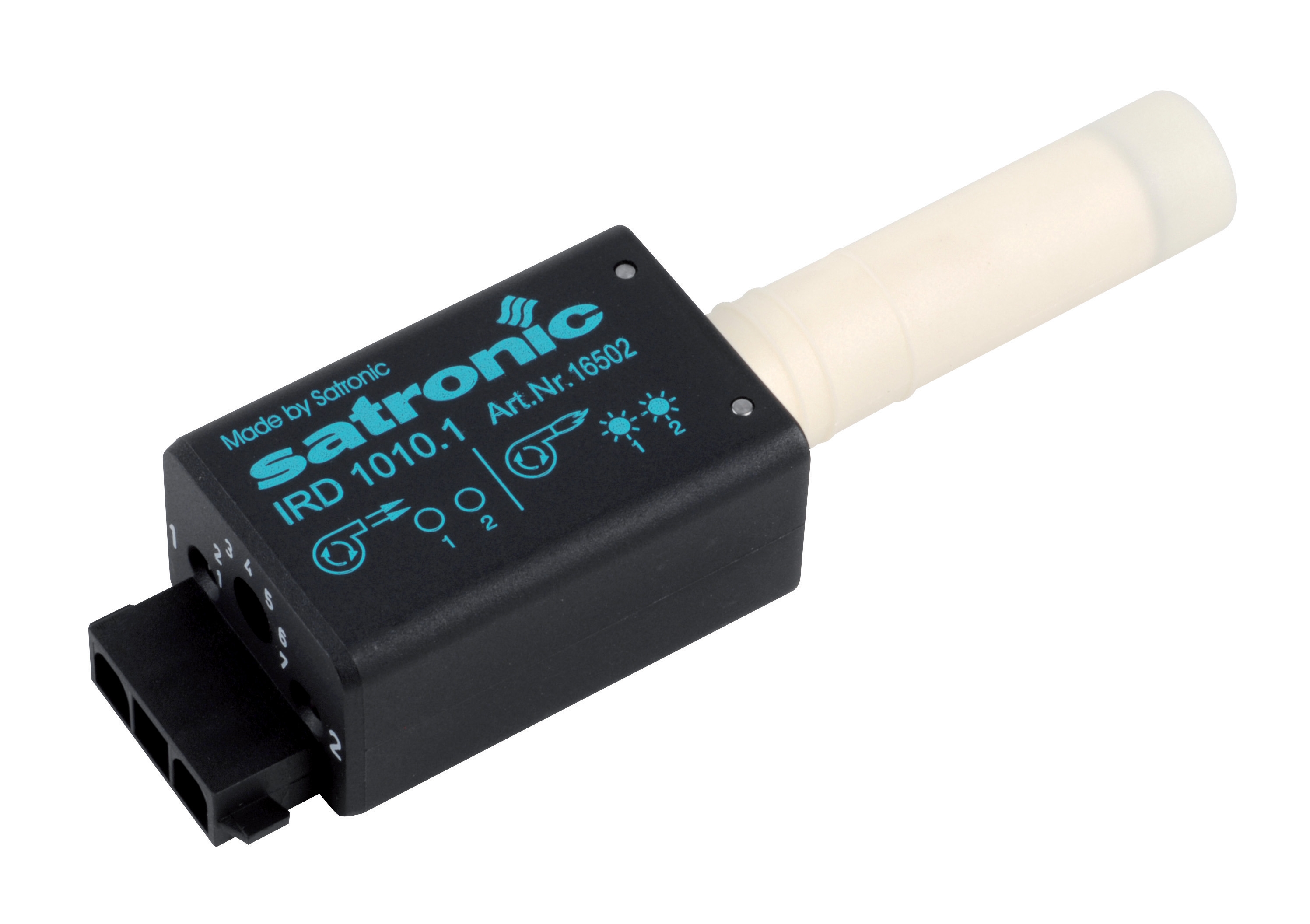
For facilities requiring flame supervision—essential for compliance with Singapore's industrial safety standards and best practices—the CBM IRD 1010 infrared flame detector provides continuous monitoring of combustion quality. This blue-cell detector monitors fuel flame characteristics and integrates with the control relay to trigger immediate shutdown if flame is lost. Paired with the CBM Base for GE 733 control systems, these components create a fully supervised combustion system where modulation occurs only under confirmed flame presence—eliminating unsafe fuel spillage scenarios.
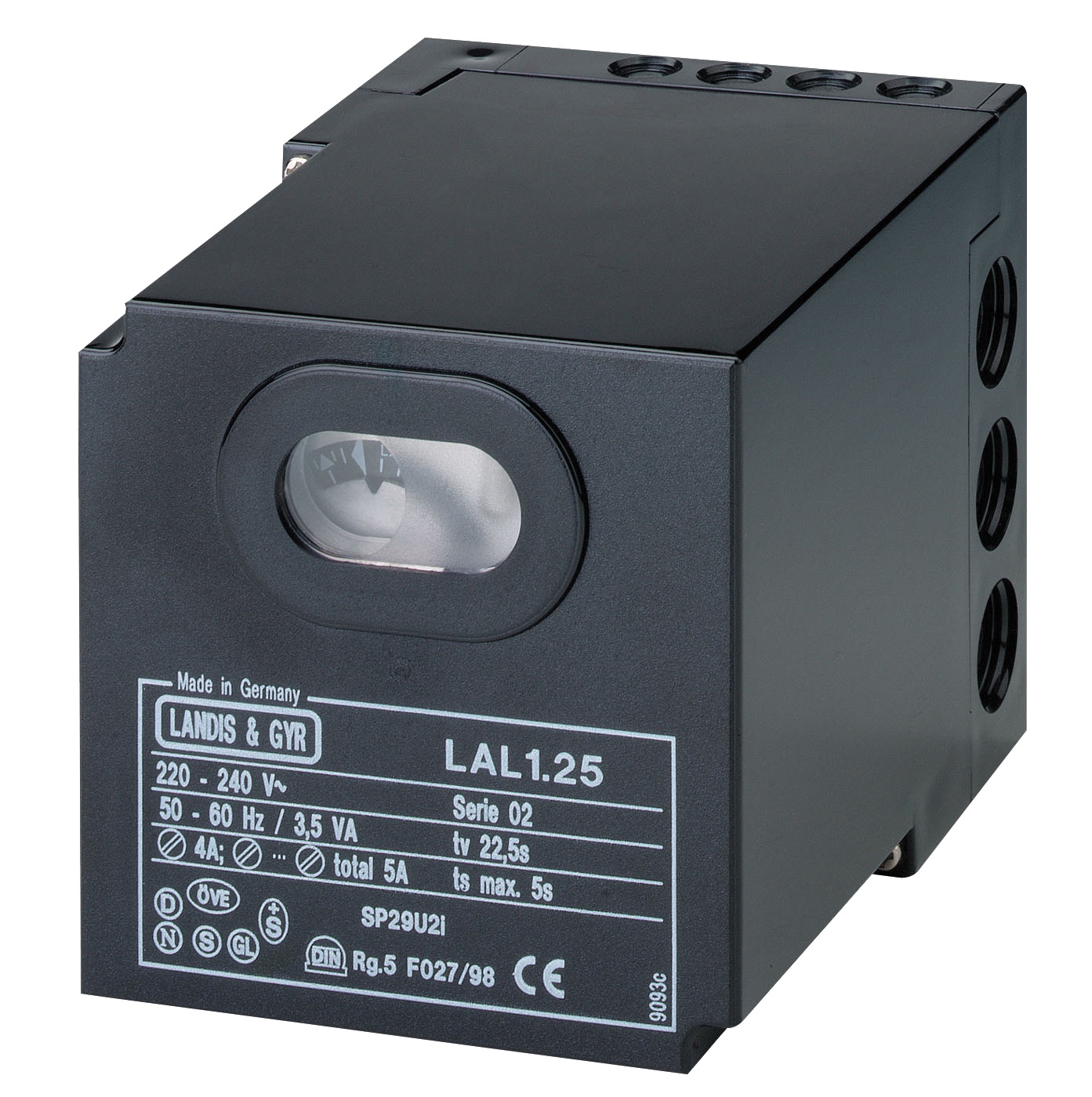
The CBM Relay LAL 2.14 offers an alternative control architecture optimized for oil burner applications, but the fundamental control principles apply across fuel types: real-time load sensing feeds demand signals to proportional control valves that adjust fuel flow accordingly. This closed-loop approach maintains tighter temperature control and reduces energy waste compared to fixed-output systems.
Real-World Application Scenarios in Singapore's Industrial Sector
Steam Generation Facilities: A textile processing plant in Singapore's Jurong Industrial Estate operates boilers that generate 12 tonnes of steam per hour during peak production but only 3-4 tonnes per hour during shift changes and product changeovers. Installing a modulating burner system reduced fuel consumption during light-load periods by 28% compared to their previous fixed-output equipment, translating to approximately SGD 45,000 in annual fuel cost savings. The modulating system prevented the excessive cycling that had previously reduced burner lifespan to 6 years; their new system is now entering year 9 with minimal maintenance beyond annual inspection.
Process Heating Applications: A food processing facility requiring consistent 200°C air at varying batch sizes benefits from modulation's ability to prevent temperature overshoot. Fixed-output equipment would heat the air to 240°C, then shut down, allowing temperature to drop to 180°C before restarting. The modulating system maintains 200-205°C with 96% of full capacity utilization, improving product quality and reducing raw material losses from temperature fluctuations.
Intermittent-Duty Operations: Chemical manufacturers using batch processes gain substantial safety and efficiency benefits from modulating burners with integrated control relays. The non-volatile lockout feature prevents dangerous automatic restart if pressure fluctuations occur during the batch cycle, while the modulation capability allows the system to respond proportionally to demand changes within a batch rather than cycling on and off repeatedly.
Comparative Performance: A Technical Framework for Selection
| Performance Metric | Fixed-Output Burner | Modulating Burner (PID) | Relevance to Singapore Operations |
|---|---|---|---|
| Thermal Efficiency Range | 82-86% (averaged across cycles) | 86-92% (steady operation at load) | 3-5% efficiency gain directly reduces fuel spend on 24/7 operations |
| Turn-Down Ratio | 1:1 (full capacity only) | 5:1 to 10:1 (69.8 kW to 349 kW for FBR X5) | Single burner serves multiple facility scenarios; reduces capital equipment cost |
| Cycling Losses per Hour | 8-12 cycles typical; 2-3% fuel waste | Continuous proportional operation; <0.5% waste | Compounds to SGD 15,000-30,000 annual savings on 24/7 operations |
| Temperature Stability | ±8-12°C swing around setpoint | ±1-2°C variance | Critical for product quality in food, chemicals, textiles; reduces scrap losses |
| Burner Lifespan | 6-8 years (cycling wear) | 12-15 years (steady operation) | Lower lifecycle cost; fewer replacement disruptions to production schedules |
| Control System Complexity | Simple relay, minimal components | PID controller, flame supervision relay, proportional valve | Slightly higher upfront cost offset by efficiency and reliability gains |
| Maintenance Interval | Annual cleaning and inspection | Annual inspection; proportional valve calibration every 2-3 years | Planned maintenance; fewer emergency shutdowns in production |
Selecting Between Modulating and Fixed-Output: Key Decision Factors
Your facility should prioritize modulating burners if: (1) your thermal load varies by more than 20% across a typical operating day, (2) you operate continuously (16+ hours daily), (3) product quality depends on temperature stability within ±2°C, or (4) your facility's energy costs represent more than 12% of operating expenses. For most Singapore industrial operations, these conditions apply. Modulating systems in the 70-350 kW range, like the FBR GAS X5, typically achieve ROI within 3-5 years through fuel cost reduction alone, before accounting for reduced maintenance and improved product quality.
Fixed-output burners remain appropriate only for truly continuous single-load operations (rare in modern facilities) or temporary/backup equipment where capital cost minimization is the overriding concern. Even seasonal operations with 6-month duty cycles benefit from modulation due to reduced startup wear and improved ramp-up efficiency.
Integration with Singapore's Industrial Compliance Framework
Modern modulating burners paired with supervised control systems meet Singapore's Pressure Equipment Safety Directive (PESD) requirements and align with energy efficiency standards promoted by the Economic Development Board. The combination of the CBM control relay systems and flame detection technology creates documented proof of safe combustion operation—essential for facility audits and insurance compliance. Unlike older fixed-output systems, modulating equipment provides real-time data logging through integrated controllers, supporting predictive maintenance programs and demonstrating due diligence in equipment management.
Whether you're upgrading an aging boiler system, expanding production capacity, or commissioning a new process line in Singapore, the decision between modulating and fixed-output burner technology should rest on careful analysis of your actual thermal load profile, not assumptions about equipment "simplicity" or legacy practices. Modern modulating combustion technology has become sufficiently reliable and cost-effective that it represents best practice for the vast majority of industrial operations in Singapore's competitive manufacturing environment.
Ready to evaluate modulating vs. fixed-output options for your facility? Contact 3G Electric's technical team in Singapore to discuss your specific application requirements. Our equipment specialists can analyze your thermal load data, calculate projected efficiency gains, and recommend the optimal burner and control system configuration for your operation. With over 30 years of experience distributing industrial combustion equipment, we can guide you through the selection process and coordinate installation with minimal production disruption. Browse our complete burner and control system inventory, or reach out directly to discuss your project timeline and capital planning requirements.