Modulating Gas Burners vs. On-Off Controls: Technical Comparison for Industrial Combustion Efficiency
Industrial combustion engineers face a critical decision when specifying burner systems: should they invest in modulating (proportional) control technology or deploy traditional on-off burner systems? This choice directly impacts operational efficiency, fuel consumption, and equipment lifespan. For procurement and purchase engineers evaluating burners and combustion equipment, understanding the technical differences between modulating and on-off controls is essential to justifying capital expenditure and calculating true lifecycle costs. This article explains the engineering principles behind both approaches, compares their real-world performance characteristics, and provides a framework for selecting the appropriate control strategy for your industrial application.
Modulating vs. On-Off Control: Core Technical Differences
On-off burner systems operate in a binary state: the burner is either running at full capacity or shut down completely. When the combustion chamber temperature drops below a setpoint, the burner ignites at full power and runs continuously until the temperature rises above the upper setpoint, at which point the burner shuts off entirely. This creates temperature oscillation and cycling stress on equipment. Conversely, modulating burner control systems adjust fuel and air flow continuously across a range—typically from 20% to 100% of maximum capacity—to match the instantaneous heating demand. This proportional response is typically managed through PID (Proportional-Integral-Derivative) logic, which measures the deviation from setpoint and adjusts burner output smoothly rather than abruptly.
The efficiency implications are substantial. On-off systems waste energy during the ramp-down phase when they shut off prematurely, and they experience startup losses each time the burner re-ignites. Modulating systems operate near the instantaneous load requirement, minimizing cycling losses and reducing overall energy consumption by 10–25% depending on duty cycle profile. Additionally, modulating burners generate more stable flames, produce lower emissions due to consistent combustion conditions, and subject mechanical components to significantly less thermal stress. The flame in a modulating system remains consistently within the optimal efficiency window rather than surging and collapsing with on-off cycling.
From a control systems perspective, on-off burners require simple thermostatic switches or basic relays, while modulating systems integrate electronic control modules, flame detection sensors, airflow monitoring, and closed-loop feedback systems. This complexity increases initial equipment cost but delivers measurable operational savings and enhanced safety through continuous combustion monitoring.
Modulating Burner Technology and Control Components
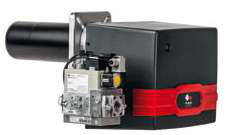
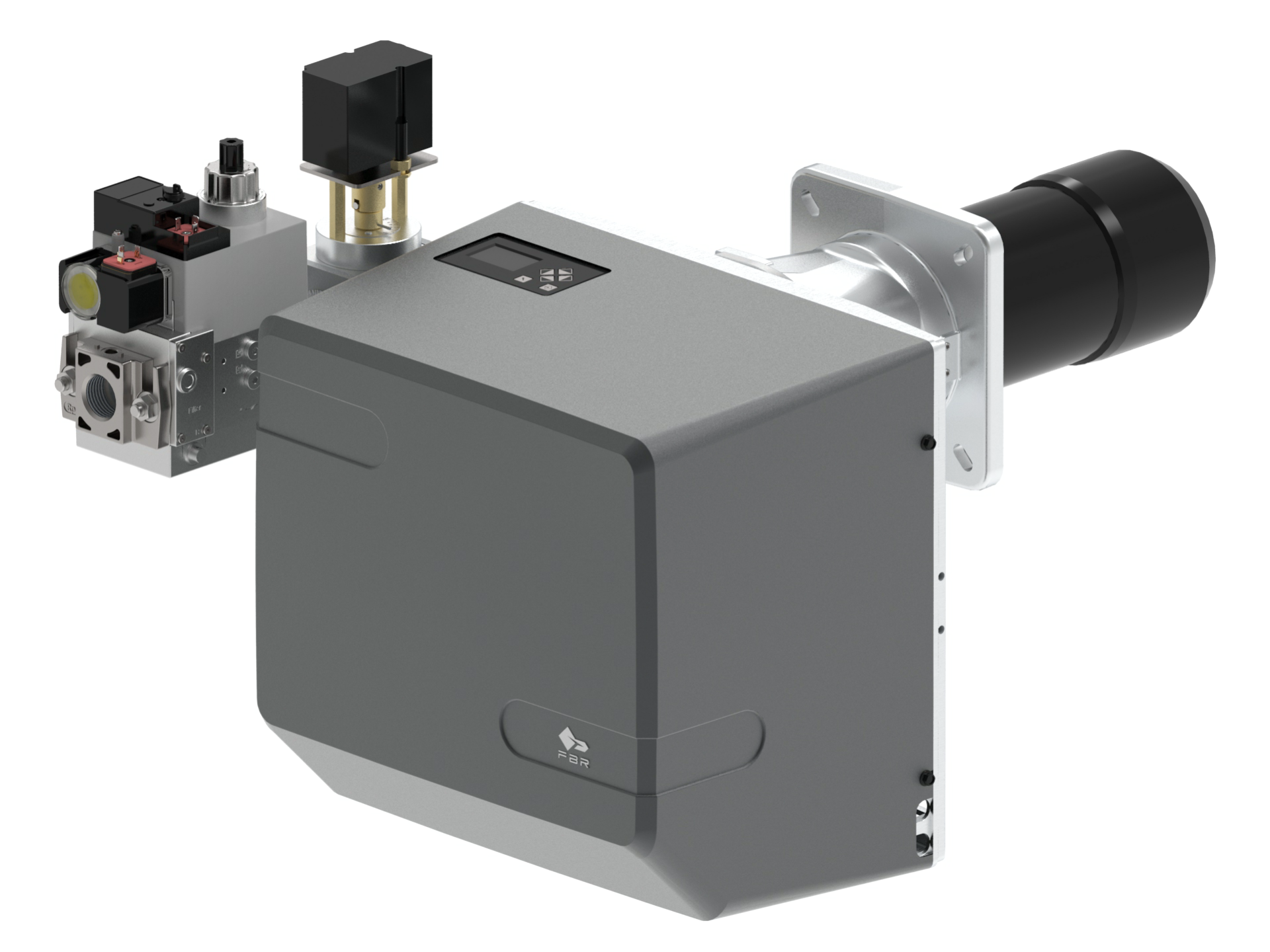
Modern modulating gas burners achieve proportional control through a combination of hardware and electronic management. The FBR BURNER GAS X5/MF exemplifies this technology—equipped with an optional modulation kit and flame probe, it delivers PID-modulated output across its operating range. The burner features a high-pressure fan with electronic speed control, allowing real-time adjustment of combustion air volume. Simultaneously, a modulating gas valve adjusts fuel flow proportionally, maintaining stoichiometric balance across all load points. The combustion head incorporates fixed geometry optimized for flame stability at multiple power levels, and the die-cast aluminum body provides both structural rigidity and thermal stability during load transitions.
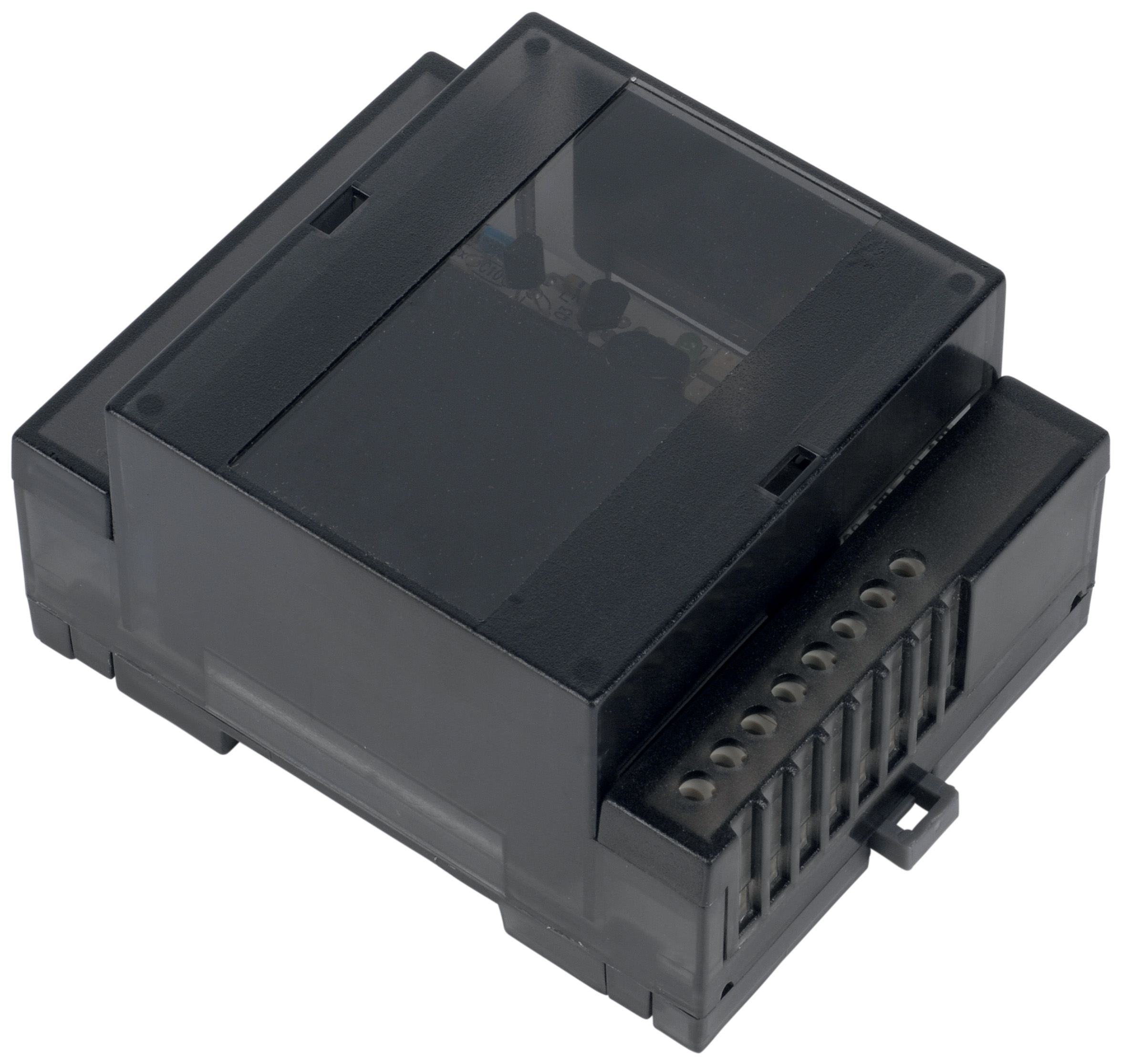
Supporting this hardware is a sophisticated control architecture. The CBM Relay CM391.2 30.5 1.2 represents the class of automated gas burner control systems designed specifically for intermittent operation with modulating capability. These electronic control modules perform non-volatile lock-out functions, meaning if flame is lost or safety limits are exceeded, the system safely shuts down and requires manual reset—preventing unsafe restart without operator intervention. The control relay continuously monitors flame presence, air pressure, and temperature feedback to adjust the modulating valve position in real time.
Flame detection is critical to modulating control integrity. The CBM IRD 1010 blue cell infrared flame detector monitors the fuel flame spectrum (800–1100 nm) and can be mounted in any position, providing robust feedback even in dusty industrial environments. This detector supplies a continuous electrical signal to the control module proportional to flame intensity, allowing the system to confirm stable combustion and adjust output accordingly. The CBM Flame relay CF1 serves as an alternative ionization-based detection method, offering a rated load capacity of 1 A at 250 VAC and mechanical endurance exceeding 15 million operations—suitable for high-cycle applications.
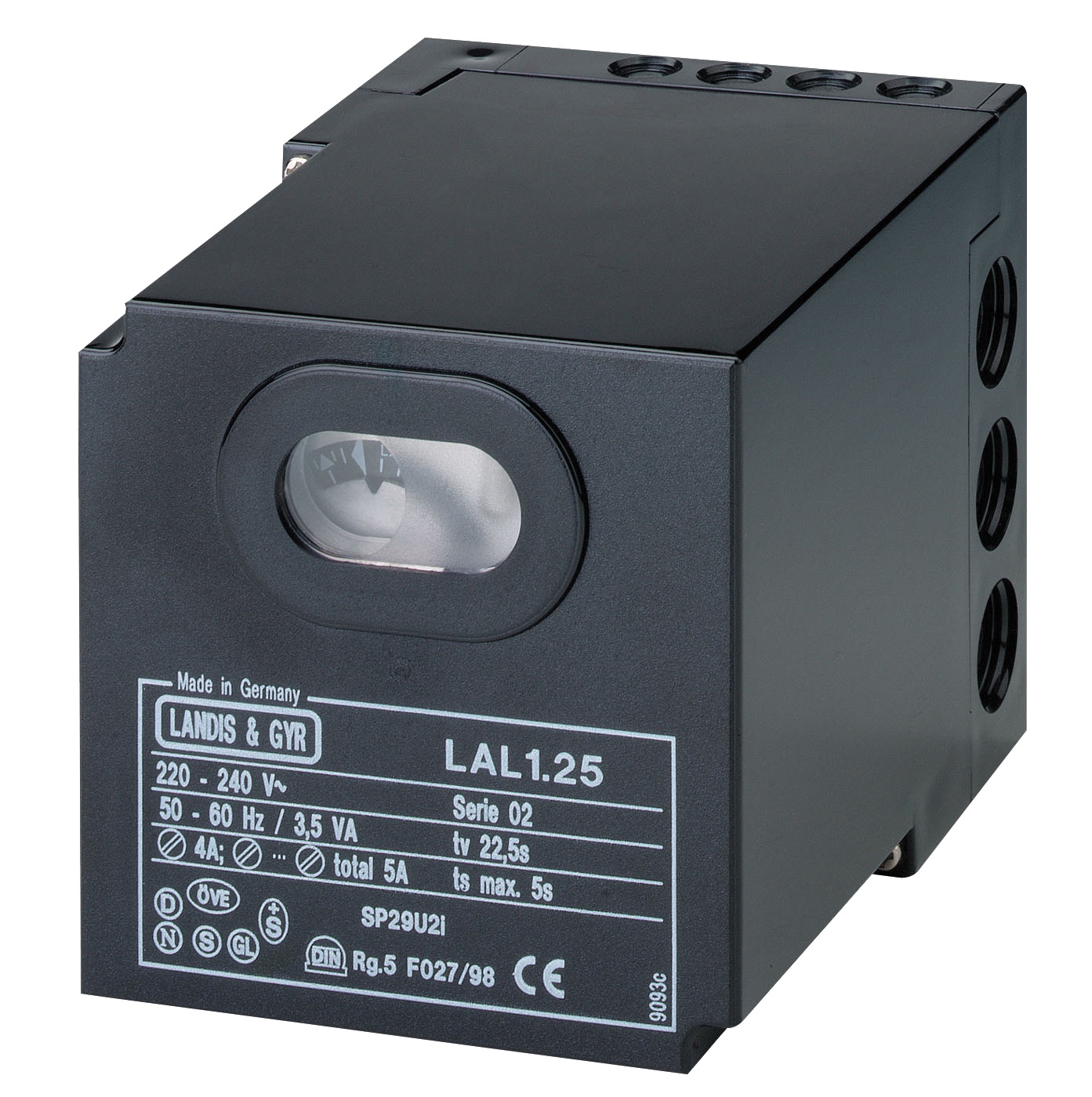
In contrast, on-off systems typically rely on simpler flame detection (often a single bimetallic switch or basic photocell) and use the CBM Relay LAL 2.14 class of safety controls, which monitor flame presence but do not modulate output. These relays are fully adequate for on-off duty, but they lack the proportional control capability needed for load-following operation.
Real-World Application Examples: When Modulating Control Delivers Value
Industrial Boiler Systems: A steam boiler serving a textile manufacturing plant experiences variable demand throughout production shifts. With an on-off burner, the boiler cycles continuously between idle and full fire, cycling every 3–5 minutes. Steam pressure swings ±5 bar, requiring operators to manually adjust setpoints. A modulating system reduces pressure swing to ±0.5 bar, stabilizes outlet temperature, and reduces fuel consumption by approximately 18% while improving product quality through consistent heat delivery.
Process Heating Furnaces: Metal annealing furnaces require stable temperature maintenance across chambers. On-off burners create hot spots and temperature gradients. Modulating control adjusts burner output proportionally to maintain uniform chamber temperature within ±3°C, improving product consistency and reducing scrap rates. Additionally, modulating burners ramp down slowly during cool-down phases, reducing thermal shock and extending refractory lifespan.
Commercial Kitchen Equipment: High-volume cooking operations with varying demand benefit from modulating burners that adjust flame intensity based on load. On-off systems waste significant energy during light-load periods (breakfast service) and cycle excessively, while modulating burners remain in their optimal efficiency band throughout service hours.
Selection Criteria: On-Off vs. Modulating Control
Choose on-off burner control when: Load is relatively constant (minimal variation in demand), run-time is short or intermittent, initial capital cost is the dominant constraint, application does not require precise temperature control, and duty cycle is less frequent than 3–4 cycles per hour. Industrial heat-treating, occasional-use drying, and batch processing favor on-off simplicity.
Choose modulating burner control when: Load varies significantly during operation, the system runs extended hours with continuous duty, energy efficiency directly impacts operating margins, precise temperature or pressure control is required for product quality, emissions must be minimized, and thermal stress on equipment should be reduced. Continuous boiler systems, process heating furnaces, and comfort heating systems justify modulating investment.
Financial Decision Framework: Calculate the payback period by comparing the modulating burner's additional capital cost against estimated annual fuel savings. For systems running over 2,000 hours per year with variable load, modulating systems typically achieve payback within 2–4 years while delivering operational benefits beyond energy savings.
Conclusion and Next Steps
Modulating gas burner control systems represent an evolution in combustion technology, delivering measurable improvements in efficiency, emissions, equipment longevity, and process control. While on-off systems remain appropriate for specific applications, most modern industrial and commercial installations benefit from proportional control capability. When evaluating burner system specifications, procurement engineers should request modulation kit compatibility and flame detection sensor options, allowing future system upgrades without major hardware replacement.
3G Electric specializes in supplying both traditional on-off burner controls and advanced modulating combustion systems from leading manufacturers, supported by technical expertise in control system integration. Contact our team to discuss your specific application requirements—whether you're upgrading an existing on-off system or designing a new combustion installation, we can provide the equipment and engineering guidance to optimize efficiency and performance.