
Understanding Measurement & Detection Requirements in Southeast Asia's Industrial Environment
Southeast Asian industrial facilities face unique environmental challenges that directly impact Measurement & Detection equipment performance. High humidity, temperature fluctuations, and corrosive coastal air require precision instruments rated for extended operating ranges and material durability.
With over 35 years of experience distributing industrial equipment across multiple regions, 3G Electric recognizes that effective Measurement & Detection systems in Southeast Asia must address three critical layers: differential pressure monitoring for system efficiency, temperature sensing for thermal stability, and flow measurement for capacity verification. These components work interdependently—a pressure transmitter alone cannot diagnose why a cooling system underperforms if temperature data is absent, and flow probes provide incomplete diagnostics without accurate pressure baselines.
Industrial professionals in Southeast Asia increasingly demand integrated Measurement & Detection approaches that reduce troubleshooting time while improving predictive maintenance accuracy. This regional focus emphasizes rapid diagnosis in facilities operating 24/7 across diverse climates, from air-conditioned manufacturing plants in Malaysia to open-loop cooling systems in Thailand's industrial zones.
Differential Pressure Transmitters: Precision Measurement for System Diagnostics
The Dwyer Transmitter 616KD-13V-TC represents the foundation of modern Measurement & Detection in HVAC and industrial thermal management. This differential pressure transmitter measures 0–1 IN W.C (inch water column), a standard range for monitoring pressure drops across filters, coils, and ductwork in Southeast Asian facilities.
Key specifications for tropical applications include:
- Power consumption: 21 mA maximum, critical for battery-powered or remote monitoring installations
- Process connections: Barbed design for 3–5 mm tubing, enabling flexible installation in confined spaces common in retrofitted Southeast Asian plants
- Measurement range: 0–1 IN W.C provides sensitivity for detecting subtle efficiency losses before system failure
The Dwyer 616KD-13V-TC excels in Southeast Asian environments because it eliminates mechanical pressure gauges requiring frequent recalibration in humid conditions. Electronic transmitters maintain calibration stability across seasonal temperature swings—critical in regions experiencing monsoon-driven humidity variations from 40% to 95% relative humidity.
Practical deployment in Southeast Asian facilities shows that differential pressure transmitters integrated with building management systems (BMS) reduce filter replacement cycles by 15-20% compared to manual pressure gauge monitoring. Facility managers can program alerts when pressure drop indicates 70% filter saturation, preventing sudden system shutdowns during peak operational periods.
The 21 mA power consumption enables loop-powered operation, allowing installers to avoid additional wiring in existing Malaysian, Thai, and Indonesian manufacturing plants where cable routing costs exceed equipment costs. This efficiency directly reduces implementation time and reduces facility downtime during installation.
Temperature Sensing Probes: RTD Technology for Tropical Thermal Management
Accurate temperature Measurement & Detection forms the critical second pillar of integrated diagnostics. The Dwyer Probe AVG PT100 OHM RTD L.65 AVG-21241 delivers the precision and reliability required for Southeast Asian cooling systems operating under variable load conditions.
Specifications for regional applications:
- Sensor type: PT100 OHM RTD (Resistance Temperature Detector) with ±0.6% accuracy at 0°C
- Operating range: -35.5°C to +115.5°C, covering both refrigerated spaces and ambient outdoor conditions in tropical regions
- Physical design: Flexible copper capillary construction for installation in tight HVAC ductwork and pipe configurations
- Mounting: Flange clips for rapid installation in retrofit applications common throughout Southeast Asia
PT100 RTD probes outperform thermistors in Southeast Asian industrial environments because resistance-based measurement eliminates the non-linear response problems that plague thermistors in extreme humidity. When cooling systems operate at part-load during monsoon seasons, RTD probes maintain ±0.6% accuracy where thermistor accuracy can drift to ±2-3%.
Integration with the Dwyer differential pressure transmitter creates a comprehensive Measurement & Detection system: pressure drop indicates filter or coil loading while temperature differential across coils confirms refrigerant flow and heat exchange effectiveness. A facility experiencing pressure rise without corresponding temperature change signals potential blockages, enabling technicians to diagnose problems in 30 minutes rather than 4-hour troubleshooting cycles.
Southeast Asian pharmaceutical and food processing facilities particularly benefit from RTD-based Measurement & Detection because regulatory documentation requires temperature stability records. PT100 probes interface directly with data loggers and regulatory-compliant monitoring systems, eliminating manual recording errors that plague analog thermometer-based operations.
Flow Measurement and Pressure Gauging: Real-Time System Capacity Verification
Complete Measurement & Detection requires understanding actual volumetric flow rates through distribution systems. The Dwyer Metal Average Flow Probe MAFS-16 measures static and total pressure across 16 cm of probe length, enabling calculation of average velocity and actual airflow capacity in HVAC systems.
Flow probe advantages in Southeast Asian facilities:
- Measurement principle: Velocity pressure differential across probe length, not requiring disturbing primary system components
- Integration: Static pressure taps connect to differential pressure transmitters for continuous flow monitoring
- Installation: 16 cm probe length fits within standard 200–250 mm ductwork common in Malaysian and Thai industrial HVAC systems
- Material durability: Metal construction resists corrosion from salt air in coastal Indonesian and Philippine facilities
When integrated with differential pressure transmitters and RTD probes, flow measurement completes the Measurement & Detection picture. A cooling system showing adequate pressure drop and temperature change but reduced flow indicates fouling within the duct system or damper blockages—problems invisible to pressure-only or temperature-only monitoring.
Practical Southeast Asian examples demonstrate the value: a Bangkok manufacturing facility discovered that flow measurement revealed 20% actual airflow loss compared to design specifications. Pressure and temperature readings appeared acceptable because the system was over-sized; only flow measurement quantified the efficiency loss. Subsequent duct cleaning and damper adjustment restored design capacity, reducing cooling energy consumption by 18%.
Mechanical pressure gauges like the Preciman Stainless Steel Vertical Pressure Gauge D63 0/+40Mbar G1/4 serve as verification instruments and emergency backups when electronic systems require maintenance. The 63 mm dial size provides readable measurements even in poorly lit Southeast Asian industrial spaces, and stainless steel construction withstands coastal salt air that degrades conventional carbon steel gauges within 12-18 months.
System Maintenance and Expansion: Supporting Long-Term Measurement & Detection Infrastructure
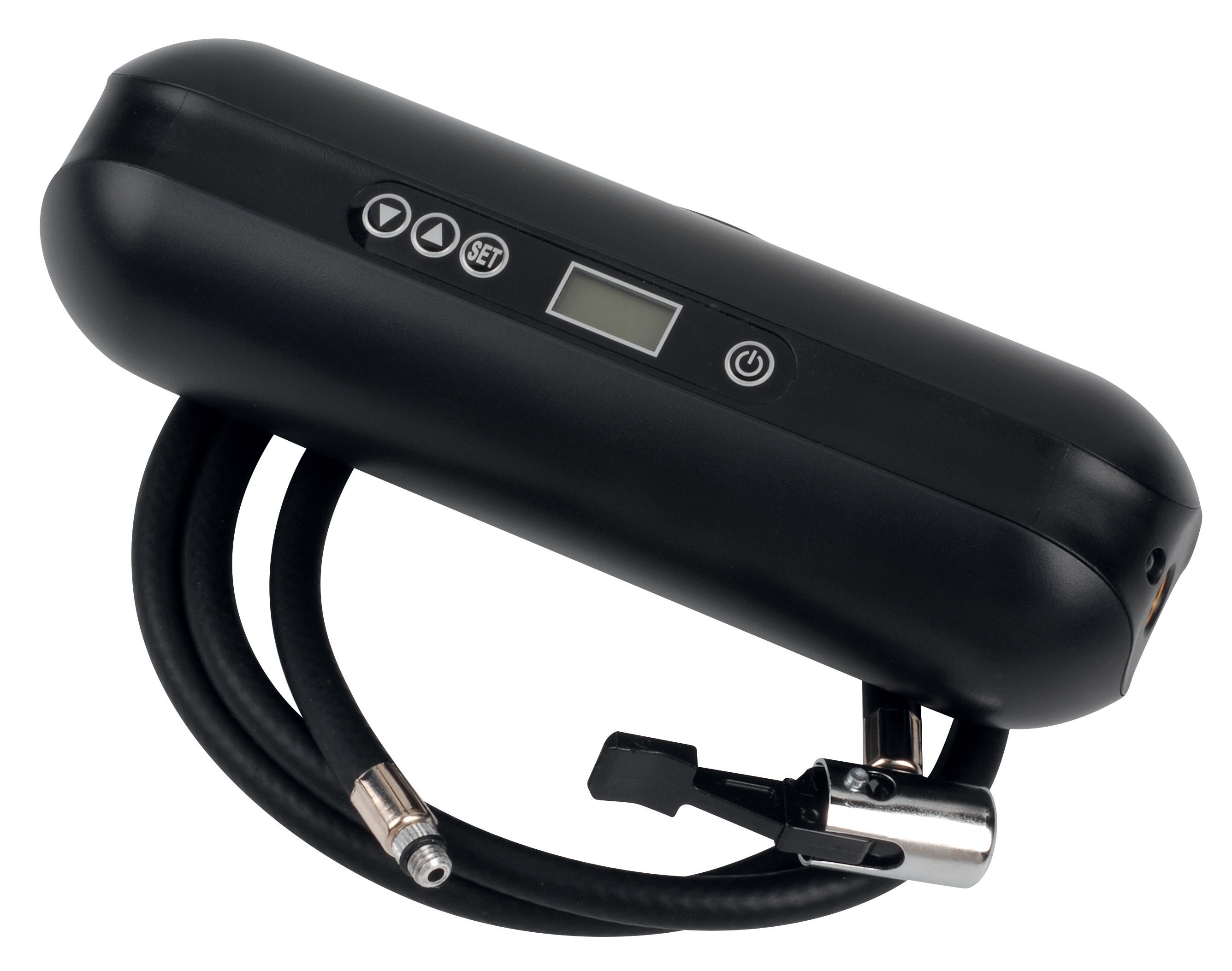
Expansion tank management directly impacts measurement accuracy in pressurized thermal systems throughout Southeast Asia. The CBM Expansion Tank Inflator Battery 2000 mAH addresses a critical but often-overlooked Measurement & Detection maintenance requirement: proper pre-charge pressure in expansion tanks.
Expansion tank pre-charge significance:
- Pressure range: 10.3 bar maximum, supporting closed-loop heating and cooling systems common in Southeast Asian commercial facilities
- Temperature operation: -20°C to +60°C, covering seasonal variations and equipment storage conditions
- Battery capacity: 2000 mAH enables 8-12 inflation cycles per charge, adequate for scheduled maintenance programs
- Multiple pressure units: Supporting BAR, PSI, and local measurement conventions across different Southeast Asian countries
Incorrect expansion tank pre-charge pressure directly affects all downstream Measurement & Detection readings. Under-charged tanks force hydraulic pressure higher, causing transmitter calibration drift. Over-charged tanks reduce system flexibility, creating pressure spikes that damage sensors. Scheduled pre-charge verification using the CBM inflator maintains the stable pressure baseline essential for accurate differential pressure, temperature, and flow measurements.
Facilities implementing quarterly expansion tank maintenance using the 2000 mAH CBM inflator reduce pressure transmitter recalibration frequency by 40%, directly lowering diagnostic equipment costs and reducing measurement uncertainty.
Integrated Measurement & Detection Strategy for Southeast Asian Industrial Excellence
Selecting Measurement & Detection equipment requires understanding how individual instruments create diagnostic capability when integrated. Pressure transmitters alone diagnose system load but not efficiency. Temperature probes alone indicate thermal status but not capacity. Flow probes alone quantify distribution but not driving forces.
3G Electric's 35+ years of experience supplying industrial equipment emphasizes that comprehensive Measurement & Detection combines these technologies within a unified framework. Southeast Asian facility managers increasingly recognize that initial capital investment in integrated systems—differential pressure transmitters, RTD temperature probes, flow measurement probes, mechanical gauge backups, and maintenance equipment—delivers rapid return through improved diagnostic speed and predictive maintenance accuracy.
Regional standards across Malaysia, Thailand, Indonesia, and the Philippines increasingly require documented measurement verification. Electronic Measurement & Detection systems integrated with building management systems and data loggers provide the audit trails and regulatory documentation that manual gauge-based approaches cannot match.
As Southeast Asian industrial facilities expand automation, Measurement & Detection equipment must support Industry 4.0 integration. Dwyer transmitters with 4-20 mA output, RTD probes with direct BMS connections, and pressure gauges with electronic verification capability position facilities for future technology adoption while solving current operational challenges.
The practical choice for Southeast Asian industrial professionals involves selecting Measurement & Detection equipment rated for regional environmental extremes, integrating pressure, temperature, and flow measurement capability, and maintaining mechanical backup systems for verification and emergency operation. This comprehensive approach transforms reactive troubleshooting into predictive maintenance excellence.