Understanding Measurement & Detection Equipment Categories
Measurement & Detection encompasses a broad spectrum of instruments essential for industrial operations, from temperature monitoring to electrical diagnostics. As a procurement engineer, your primary challenge involves selecting the right tools that balance accuracy, durability, cost-efficiency, and compatibility with existing systems across multiple facilities or regions.
The measurement and detection landscape has evolved significantly over the past three decades. At 3G Electric, our 35+ years of experience distributing industrial equipment globally has taught us that successful procurement requires understanding not just individual product specifications, but how different instruments work together within your operational ecosystem. Unlike general equipment suppliers, we've witnessed how measurement and detection technologies have shifted from purely analog instruments to hybrid systems combining traditional reliability with modern digital capabilities.
Procurement decisions in this category directly impact maintenance schedules, compliance reporting, and operational safety. An inadequate thermometer selection in a critical cooling system can lead to downtime. A substandard multimeter might compromise electrical safety diagnostics. The cost of replacement and recalibration often exceeds the initial purchase difference, making informed comparison essential.
Comparing Temperature Measurement & Detection Solutions
Temperature monitoring represents one of the most frequent measurement needs across industrial facilities. Your procurement strategy must account for different applications: HVAC systems, expansion tanks, process equipment, and immersion vessels each require distinct approaches.
Thermometer Type Selection Framework:
When comparing temperature instruments, consider these critical variables:
- Measurement Range Requirements: Different applications demand different scales. Expansion tank monitoring typically requires -40°C to +40°C ranges, while industrial immersion applications may only need 0°C to +50°C. Over-specifying range adds unnecessary cost; under-specifying creates safety blind spots.
- Physical Configuration: Axial thermometers like the CBM Axial Thermometer D65 -40/+40°C L5cm with thermowell suit compact spaces with straightforward mounting requirements. Vertical thermometers such as the CBM Green Vertical Thermometer D80 -30/+50°C L10cm with thermowell provide better visibility from distance and work effectively in tall equipment configurations.
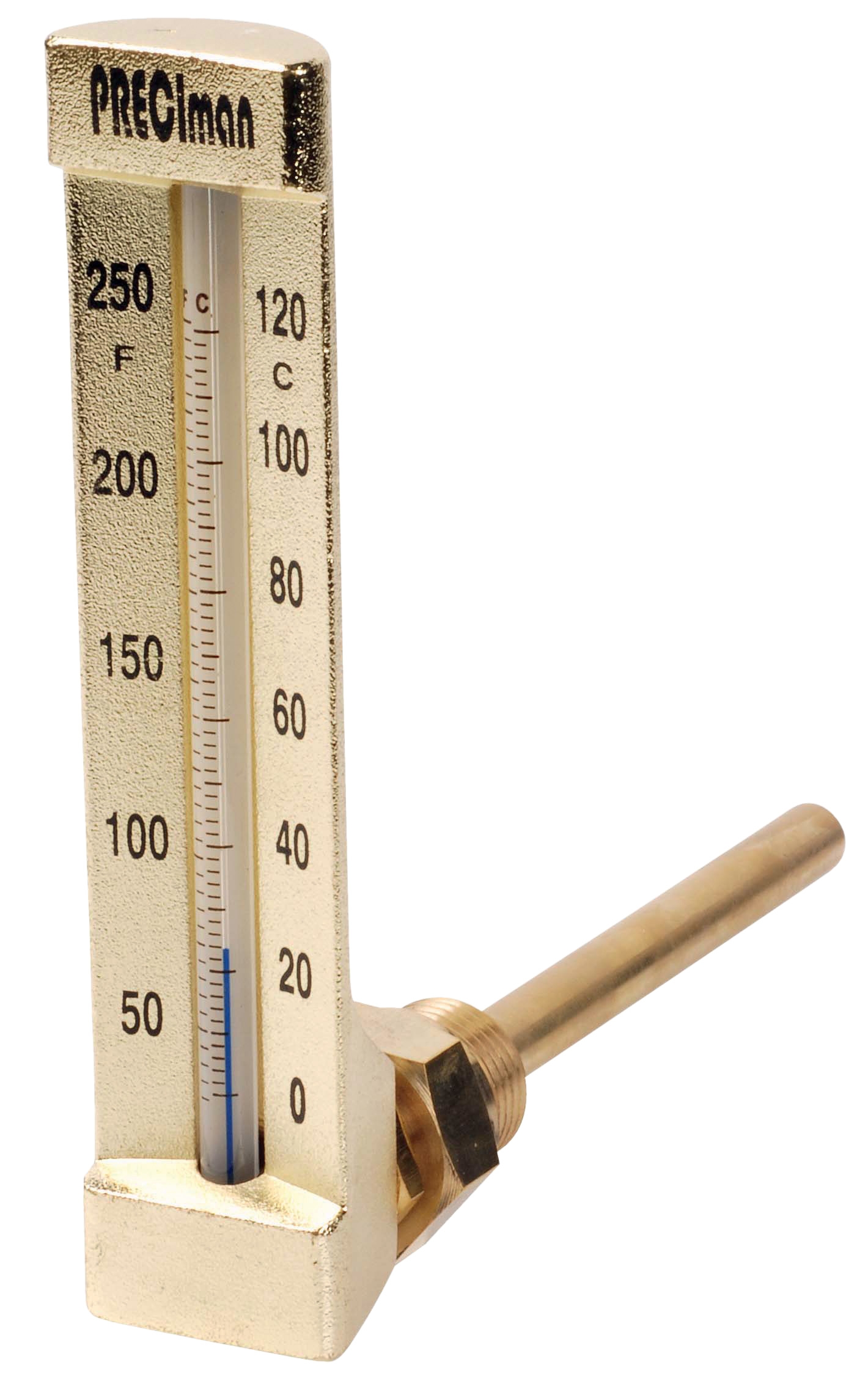
- Immersion Depth: The CBM Industrial Thermometer 0/+50°C Immersion 63 Right Angle Height 150 represents a different category entirely—designed for direct fluid contact with specific angle requirements. This immersion-style instrument delivers faster response times but requires different installation planning than surface-mounted alternatives.
When evaluating thermometers across suppliers, establish these comparison criteria: response time (critical for active process monitoring), accuracy tolerance (±1°C vs. ±2°C affects compliance documentation), thermowell durability (corrosion resistance in specific environments), and standardization across your facility network. A procurement strategy that standardizes on compatible thermowell sizes reduces replacement inventory and training requirements—practical value that extends beyond unit cost.
The thermowell component deserves particular attention in your comparisons. While not always visible in basic product specifications, thermowell material selection determines longevity in corrosive environments. Stainless steel vs. brass thermowells, for instance, significantly impacts total cost of ownership when facilities operate in chemical or maritime environments.
Electrical Measurement & Detection Systems Comparison
Electrical diagnostics and system monitoring form the second critical pillar of industrial measurement and detection. Unlike temperature measurement, electrical diagnostics require active instruments with sophisticated capabilities.
Multimeter Selection for Procurement:
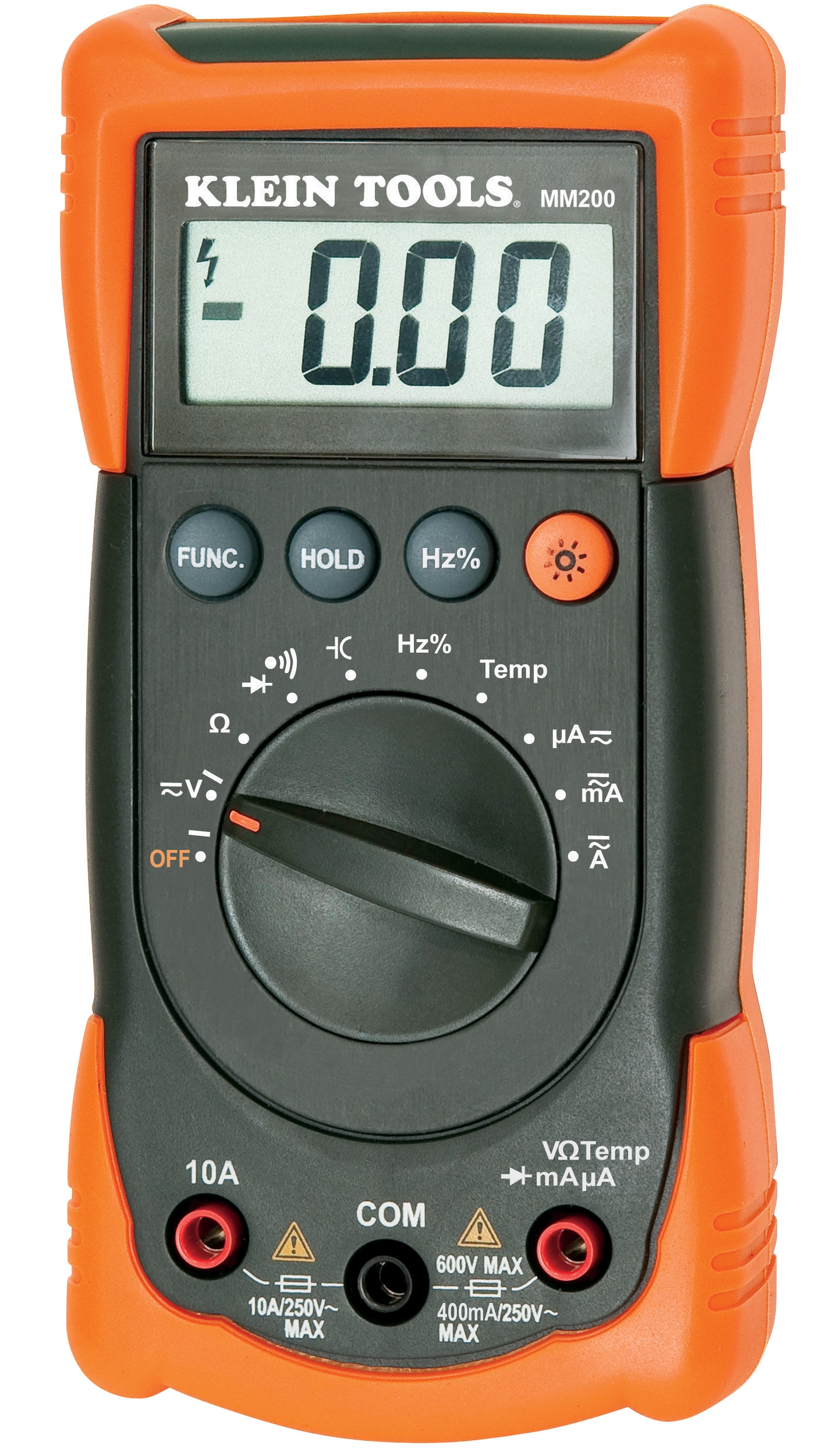
The CBM Automatic Multimeter MM420 exemplifies modern electrical measurement technology. When comparing multimeters for your operations, procurement engineers should evaluate:
- Automatic vs. Manual Range Selection: The MM420's automatic ranging capability reduces operator error and accelerates troubleshooting. Manual-range competitors require technician experience to select appropriate measurement scales. For global operations with varying skill levels, automatic functions justify premium pricing through reduced misdiagnosis rates.
- Measurement Capabilities: Compare standard voltage/current/resistance functions against advanced features like capacitance measurement, frequency analysis, or temperature input capability. Identify which features your maintenance teams actually require versus nice-to-have specifications that inflate cost.
- Safety Ratings: All multimeters carry CAT ratings (CAT I-IV) indicating voltage categories they safely measure. Your procurement specifications should mandate minimum CAT III for industrial environments. This appears as a line-item specification but fundamentally affects warranty and liability implications.
- Data Logging and Documentation: Modern electrical measurement instruments increasingly offer USB connectivity, memory functions, or Bluetooth capability. Procurement teams must weigh initial cost against downstream value: Can your facilities leverage data logging for predictive maintenance? Does connectivity integrate with existing maintenance software?
A comprehensive multimeter costs considerably more than basic analog meters, yet preventive electrical diagnostics often prevent catastrophic failures costing thousands. Establish clear comparison frameworks: calculate the cost per diagnostic test over 5-year equipment lifecycle. Factor in calibration requirements—digital multimeters typically require annual calibration; analog instruments need less frequent checks. Over an equipment lifespan, total procurement cost diverges significantly from unit purchase price.
System Integration: Measurement & Detection for Pressure and Temperature Control
Many industrial systems require integrated measurement and detection solutions combining multiple instrument types. Expansion tank systems exemplify this integration requirement.
Understanding Expansion Tank Measurement Ecosystems:
Expansion tanks in closed-loop HVAC and heating systems require coordinated measurement and detection:
1. Temperature Monitoring: Thermowell-equipped thermometers track fluid temperatures, providing baseline operational data.
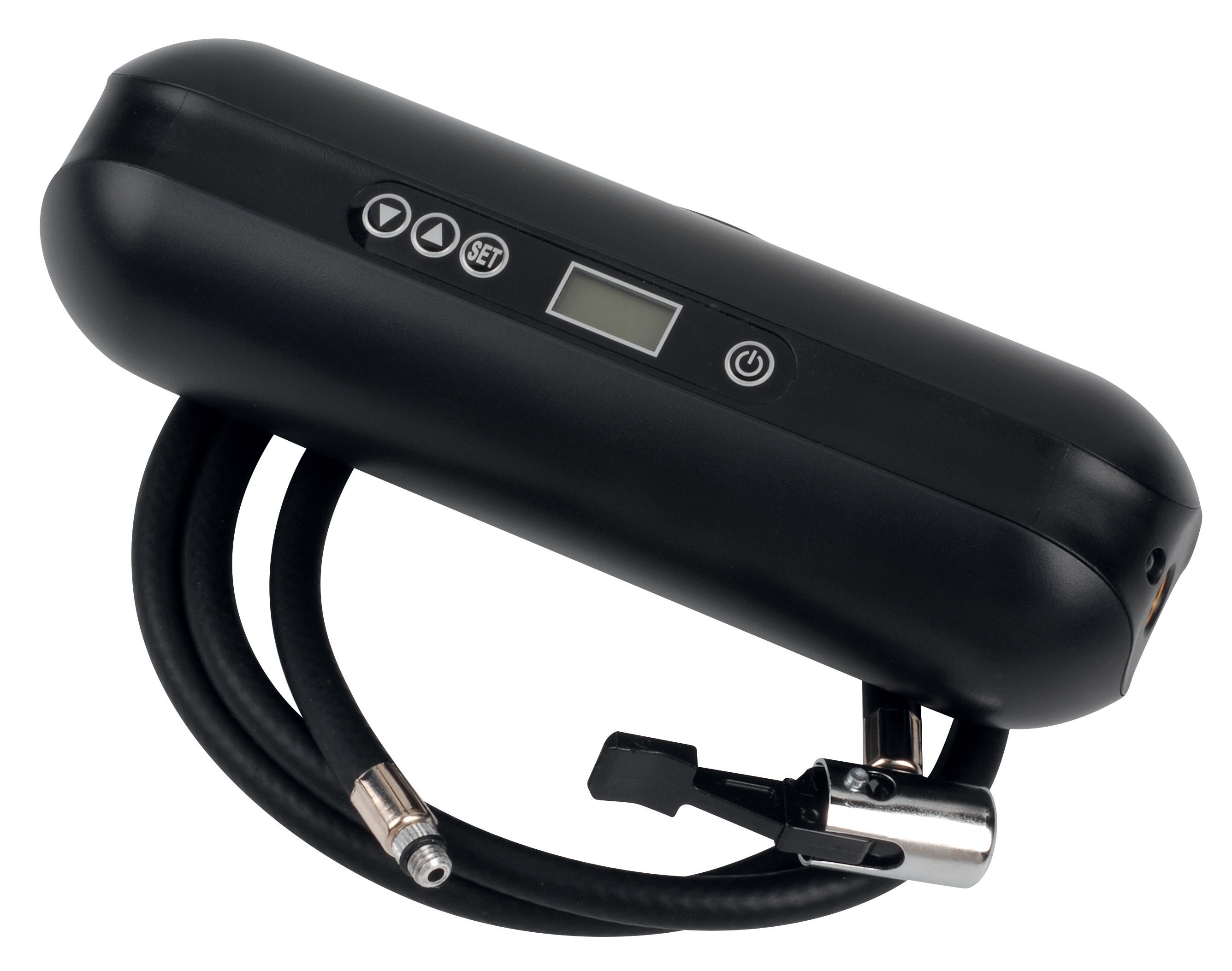
2. Pressure Assessment: When systems underperform, technicians must distinguish between temperature and pressure issues. The CBM Expansion Tank Inflator Battery 2000 mAH enables pressure diagnostics by allowing field charging and measurement without facility downtime.
3. Electrical System Health: Multimeters verify pump operation and control circuit function, eliminating mechanical failures from consideration.
Procurement Strategy for Integrated Systems:
Forward-thinking procurement engineers should view these instruments not as independent purchases but as coordinated toolkit components. Standardizing on compatible brands and measurement ranges across your facility network delivers several advantages:
- Technician Training Efficiency: When field teams encounter standardized equipment globally, training requirements decrease, and troubleshooting acceleration improves.
- Spare Parts Inventory Optimization: Standardization allows centralized inventory management. Instead of maintaining multiple thermowell sizes, brands, or multimeter models, procurement consolidates stock.
- Troubleshooting Documentation: Standard equipment enables documented troubleshooting procedures that apply across all facilities. Comparison becomes straightforward: "If expansion tank temperature reads X and pressure reads Y, the problem is..."
- Supplier Relationship Value: Consolidating purchases with a specialized distributor like 3G Electric creates negotiating power for volume discounts while ensuring consistent product quality and availability across global operations.
When implementing integrated measurement systems, develop procurement specifications in this sequence:
1. Audit existing equipment across all facilities to identify standards already in place
2. Identify gaps where current tools cannot adequately diagnose problems
3. Evaluate complete solutions (not individual instruments) against operational requirements
4. Establish compatibility matrices showing which instruments work together
5. Create procurement contracts that cover initial equipment plus planned expansion
This structured approach prevents common mistakes: procurement engineers sometimes purchase the cheapest thermometer without considering that incompatible thermowells create replacement chaos later, or selecting multimeters based on feature lists rather than actual technician workflows.
Making Your Measurement & Detection Procurement Decision
Measurement and detection equipment procurement decisions extend beyond comparing unit prices. Your role as procurement engineer involves optimizing total cost of ownership, standardization benefits, and long-term operational excellence.
Decision Framework for Global Procurement:
When evaluating measurement and detection solutions across suppliers and regions, apply this prioritization:
- Identify Non-Negotiable Requirements: Measurement range, accuracy tolerances, safety certifications, and regulatory compliance form your baseline. Products failing these criteria exit consideration regardless of cost advantages.
- Compare Feature Relevance: Not every advanced feature adds operational value. A thermometer with digital display costs more than analog but requires batteries—valuable in some applications, unnecessary overhead in others. Align features with actual usage patterns.
- Evaluate Total Cost of Ownership: Consider not just unit price but calibration costs, replacement intervals, training time, and compatibility with existing systems. A 15% more expensive thermometer that lasts 50% longer and requires less maintenance becomes the cost-effective choice.
- Standardization Benefits: Procurement engineers in global organizations should strongly weight standardization value. The intangible benefits—reduced training, faster troubleshooting, smaller inventory—often exceed tangible unit cost differences.
- Supplier Reliability: At 3G Electric, our 35+ years serving industrial procurement teams globally means we understand that supplier consistency matters as much as product specifications. When you need measurement and detection equipment across multiple regions and time zones, reliable sourcing becomes operational necessity, not luxury.
Your procurement decisions directly enable operational success. Inadequate measurement and detection capabilities create blind spots that lead to failures, safety issues, and unplanned downtime. Strategic procurement choices in this category deliver measurable operational excellence.