Introduction to Maintenance & Service for High-Pressure Fluid Delivery Systems
Maintenance & Service of high-pressure fluid delivery systems represents one of the most critical responsibilities for industrial maintenance teams worldwide. These systems power critical operations across manufacturing, agriculture, construction, and municipal applications, making their reliability essential for productivity and safety.
At 3G Electric, our 35+ years of experience distributing industrial equipment globally has shown us that preventive maintenance is the cornerstone of system longevity. High-pressure systems operate under extreme conditions—elevated pressures, temperature fluctuations, and continuous fluid circulation—that accelerate component wear and degradation. Without proper Maintenance & Service protocols, even small issues escalate into catastrophic failures that halt production and create safety hazards.
This guide equips your maintenance team with practical, field-tested procedures for servicing high-pressure fluid systems. Whether you manage a single installation or multiple global facilities, these systematic approaches will extend equipment life, reduce unplanned downtime, and improve overall system performance.
Section 1: Nozzle Inspection and Service Protocol
Flat jet nozzles are precision-engineered components that deliver pressurized fluid with exact spray patterns and angles. Over time, erosion, cavitation, and particulate buildup degrade nozzle performance, reducing spray efficiency and system pressure response.
Visual Inspection Procedures
Begin your Maintenance & Service routine with weekly visual inspections:
- Examine the nozzle outlet for erosion patterns, cracks, or material loss
- Check for discoloration indicating heat stress or chemical degradation
- Look for crystalline deposits or hardened residue blocking the spray opening
- Verify mounting connections are tight and show no leakage signs
- Document findings with photos to track degradation over time
For systems using CBM Flat jet nozzle HP 1/4"M BSPT index 25 angle 15°, maintain specific attention to the spray angle geometry. Index 25 nozzles require precise 15-degree angles for optimal performance in high-pressure applications.
Cleaning and Restoration
When inspection reveals buildup or partial blockage:
1. Isolate the system and depressurize completely using properly labeled isolation valves
2. Remove the nozzle using appropriately sized wrenches (avoid over-torquing, typically 15-25 Nm)
3. Soak the nozzle in compatible solvent for 30-60 minutes to loosen deposits
4. Use soft brass brushes or wooden picks to gently remove debris—never use steel implements that scratch precision surfaces
5. Rinse thoroughly with clean fluid matching your system specification
6. Inspect the internal orifice with magnification to confirm complete clearance
7. Reinstall with new sealing components (washers, O-rings) to prevent leakage
For high-index applications like CBM Flat jet nozzle HP 1/4"M BSPT index 055 angle 15°, which handle finer spray patterns in precision operations, inspect more frequently—every 2-4 weeks in continuous-duty applications.
Replacement Indicators
Schedule nozzle replacement when:
- Erosion exceeds 10% of original dimensions
- Spray pattern becomes inconsistent despite cleaning
- Internal orifice shows irreversible damage
- Pressure drop across the nozzle increases >15% from baseline
- Age exceeds 18-24 months in harsh operating environments
Section 2: Fluid Reservoir and Monitoring System Maintenance
The reservoir serves as your system's health indicator. Contaminated or improperly maintained fluid causes catastrophic component failure, while proper reservoir care extends component life by 40-60%.
Reservoir Fluid Management
Implement a systematic fluid inspection schedule:
- Weekly visual checks: Observe fluid color and transparency. Darkening indicates thermal degradation; cloudiness suggests water contamination
- Monthly lab analysis: Test fluid samples for viscosity, acid number, water content, and particle count using ISO 4406 standards
- Quarterly deep cleaning: Drain 25-30% of reservoir fluid and replace with filtered, spec-matched replacement
- Semi-annual full flush: In contaminated environments, drain completely, clean internal surfaces with lint-free cloths, and refill with filtered fluid
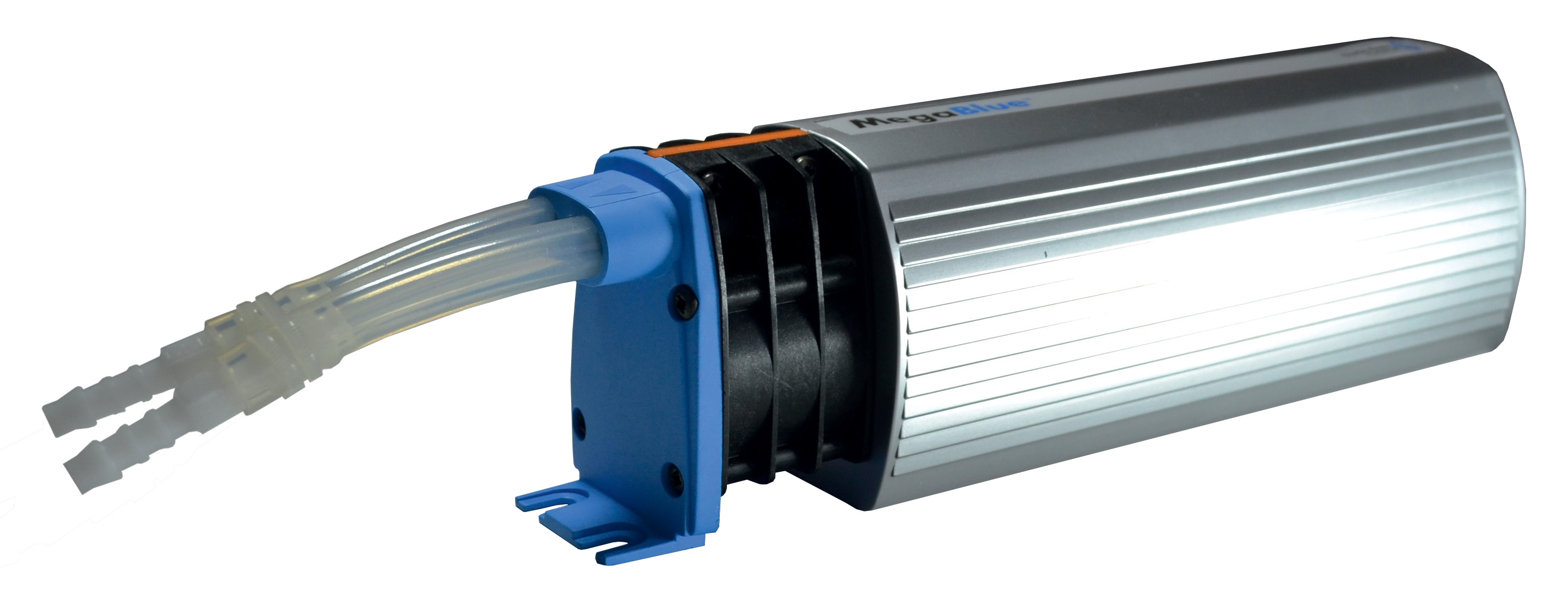
The CBM Megablue reservoir alarm + shut-off X87-813 provides critical system protection by monitoring fluid conditions and preventing operation under unsafe parameters. Service this device:
- Monthly: Test alarm activation by manually triggering level sensors (follow manufacturer protocol)
- Quarterly: Verify shut-off valve operation by isolating the system and confirming valve closure
- Semi-annually: Replace internal sensor membranes susceptible to fluid degradation
- Annually: Recalibrate threshold settings according to your specific system requirements and operating conditions
Document all alarm tests with date, technician name, and results. This creates accountability and provides evidence of proper maintenance for safety audits.
Reservoir Structural Integrity
Physical reservoir condition directly impacts system reliability:
- Inspect welds quarterly for stress cracks, particularly around mounting points
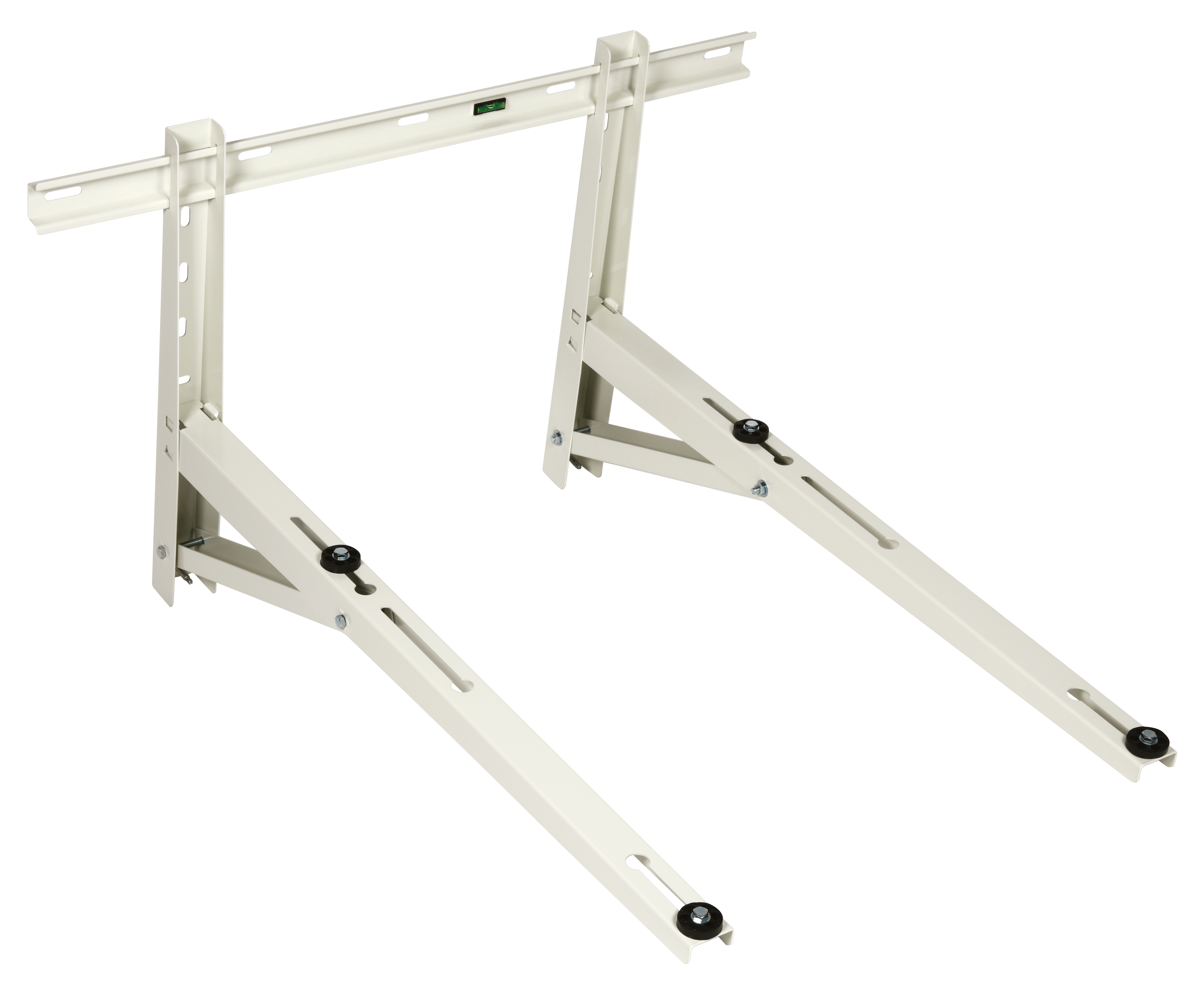
- Check the CBM Wall bracket 1000 for corrosion, loose fasteners, or load-bearing cracks
- Verify bracket anchorage to support structures with torque wrench verification (typically 40-60 Nm per fastener)
- Test structural deflection under full operating pressure—should not exceed 0.5mm at midspan
- Apply protective coating annually to bracket surfaces showing corrosion initiation
Section 3: Expansion Tank and Pressure Regulation Maintenance
Expansion tanks absorb pressure spikes and thermal expansion, protecting downstream components from catastrophic pressure surges. Proper Maintenance & Service of these systems prevents costly failures and extends equipment life significantly.
Pre-Charge Inspection and Adjustment
Expansion tanks require specific pre-charge pressure—typically 80-90% of minimum system operating pressure. Over-charged or under-charged tanks lose effectiveness:
1. Isolate the expansion tank from the main system using isolation valves
2. Depressurize completely and allow the tank to cool to ambient temperature (wait minimum 2 hours after system shutdown)
3. Connect a calibrated pressure gauge to the tank's pre-charge valve
4. Record baseline pressure—compare to specification on the tank nameplate
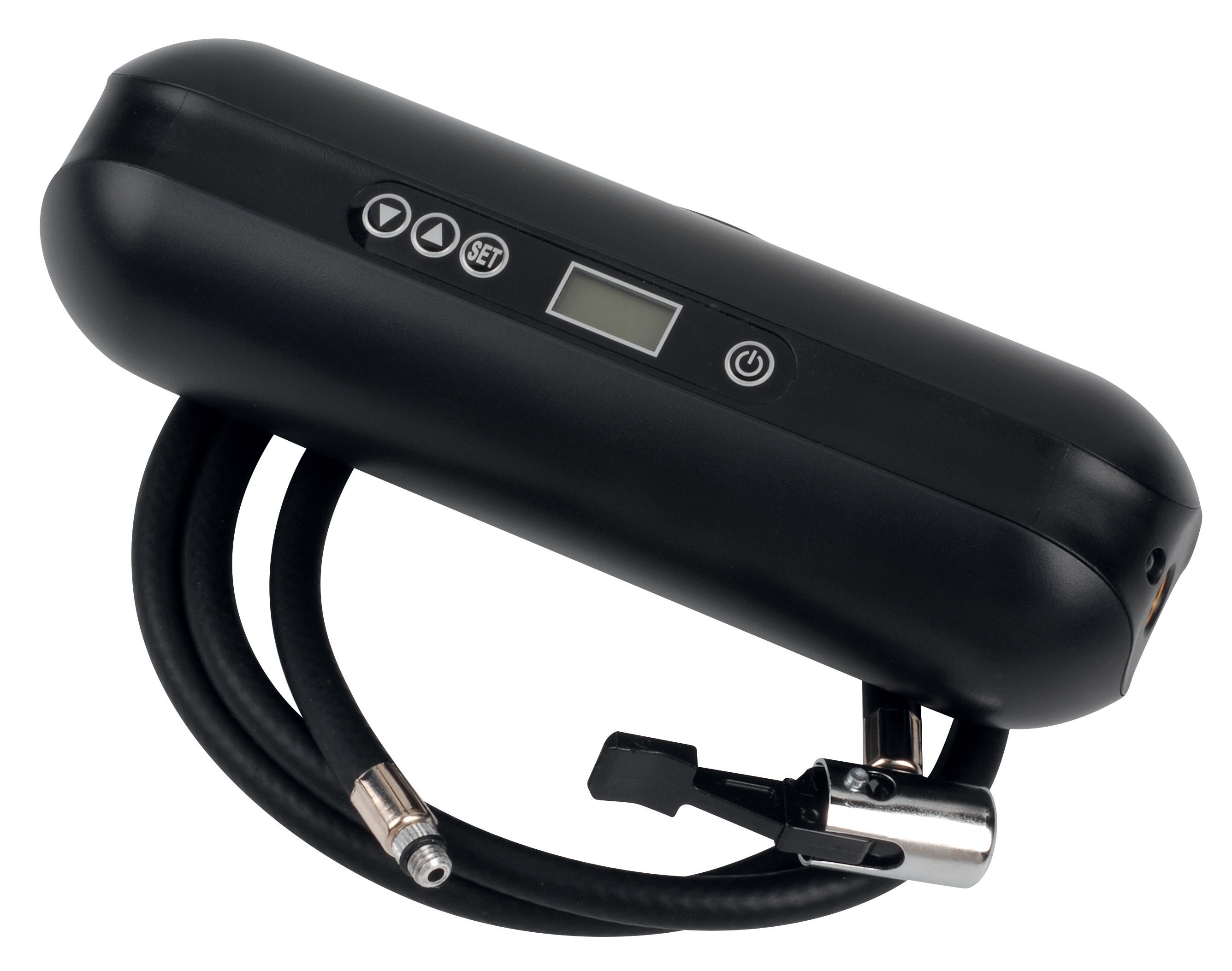
5. If pressure is low, use the CBM Expansion tank inflator battery 2000 mAH to restore correct pre-charge pressure
6. Document all adjustments with date, pressure readings (before/after), and technician identification
Using the Battery-Powered Inflator
The 2000 mAH battery provides sufficient power for multiple charge cycles:
- Charge the battery fully before each service session (4-6 hour charge time)
- Connect the inflator hose securely to the pre-charge valve using the appropriate adapter
- Set the desired pressure using the digital display (reference system documentation for correct values)
- Activate the inflation cycle—typical charging takes 5-15 minutes depending on pressure differential
- Recheck final pressure with independent gauge to verify accuracy
- Store the inflator in a protective case away from temperature extremes
The flexible diaphragm separates pre-charge gas from system fluid. Diaphragm failure causes loss of expansion cushioning:
- If pre-charge pressure cannot be maintained after inflation, diaphragm rupture is likely
- Schedule immediate tank replacement—repair is not practical on most industrial tanks
- Before replacement, drain system fluid completely to prevent environmental contamination
- Label and photograph the failed tank location for documentation
- Install replacement tank with new isolation valves to prevent future access issues
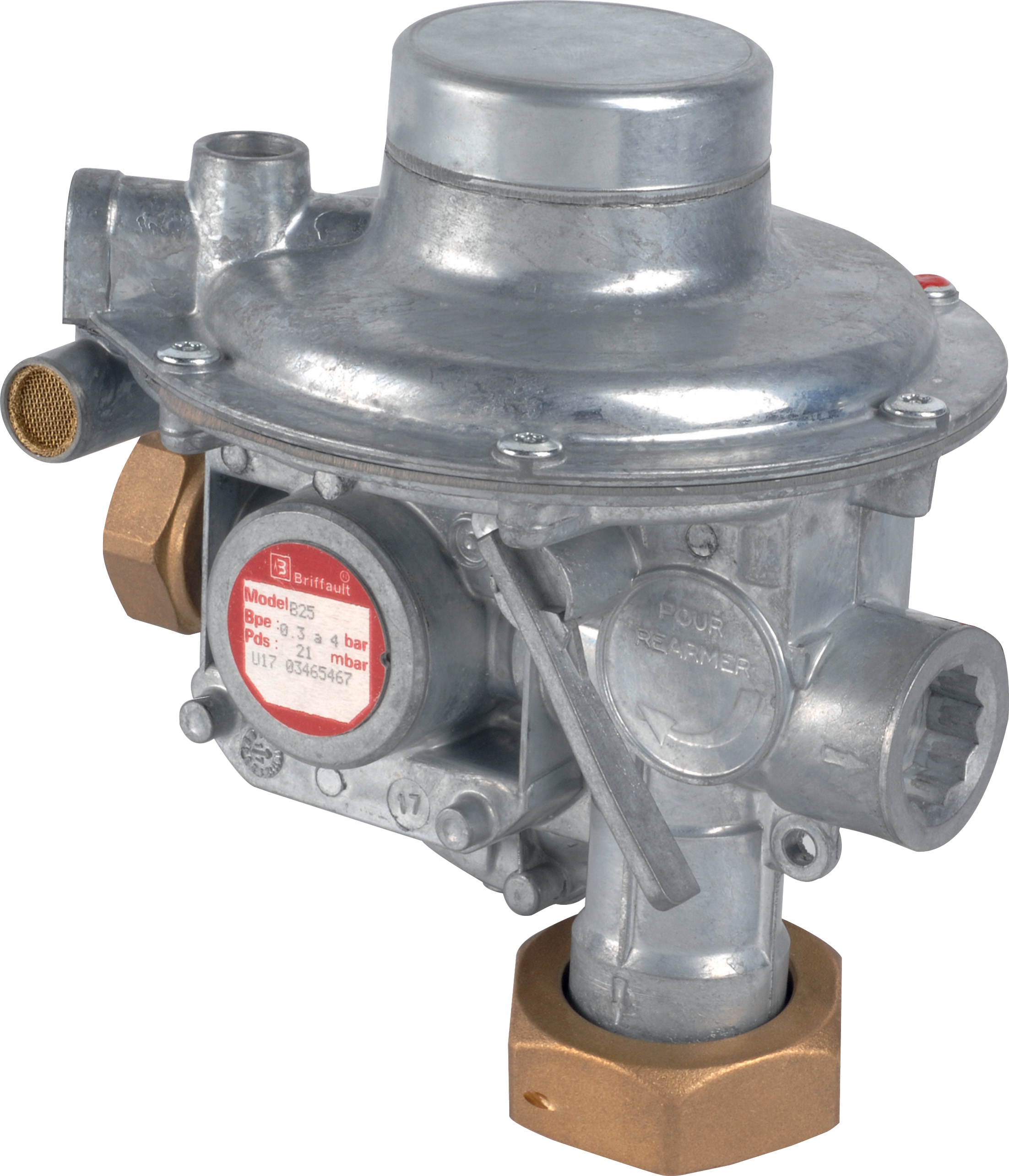
Regulators maintain consistent downstream pressure despite upstream fluctuations:
- Weekly: Test regulator response by monitoring downstream pressure while observing upstream fluctuations
- Monthly: Clean regulator strainer element—replace if flow restriction increases 15% from baseline
- Quarterly: Verify regulator pilot port lines are clear and deliver pilot pressure without obstruction
- Semi-annually: Inspect diaphragm and valve seat for erosion—replace regulator if erosion exceeds 10% of original dimensions
Section 4: Systematic Documentation and Compliance
Proper documentation transforms reactive maintenance into predictive maintenance, enabling your team to identify patterns and prevent failures before they occur.
Maintenance Record Requirements
Maintain detailed records for each system component:
- Asset register: Component identification, installation date, serial number, and location
- Service history: Date performed, work description, parts replaced, technician name, and hours required
- Performance metrics: Pressure readings, temperature data, fluid analysis results, and alarm test outcomes
- Spare parts inventory: Stock levels, supplier information, and reorder thresholds for critical components
- Compliance documentation: Certification records, safety inspection results, and regulatory audit evidence
Track metrics over time to identify degradation patterns:
- Plot pressure drop trends across nozzles—increasing rates indicate approaching replacement
- Monitor fluid analysis results for viscosity changes—predict fluid replacement before contamination causes failures
- Track pre-charge pressure stability—gradual loss indicates diaphragm degradation requiring tank replacement
- Correlate alarm activation frequency with system operating parameters—identify environmental factors accelerating wear
This data-driven approach reduces maintenance costs by 25-35% while improving equipment reliability and safety.
Training and Competency
Based on 35+ years supporting global operations, 3G Electric recognizes that maintenance team competency is critical:
- Provide annual hands-on training on your specific system configuration
- Create laminated reference cards for each maintenance procedure
- Establish peer review processes where experienced technicians validate newer team member work
- Document competency certifications for regulatory compliance
- Encourage cross-training to maintain capability when team members are unavailable
Conclusion
Maintenance & Service of high-pressure fluid delivery systems demands systematic procedures, quality components, and disciplined documentation. By implementing these practices, your maintenance team will dramatically improve equipment reliability, extend component life, and create safer working environments across your global operations.
3G Electric stands ready to support your maintenance efforts with quality replacement components, technical expertise, and reliable service. Our 35+ years of experience serving industrial operations worldwide ensures you receive guidance grounded in real-world conditions and proven best practices.