Industrial Pumps vs. Gas Regulation Systems: A Technical Comparison for Singapore Plant Operations
Plant managers and operations directors in Singapore face critical decisions when selecting core industrial equipment. Whether you're managing hydraulic systems, heating applications, or gas distribution networks, understanding the differences between industrial pumps and gas regulation systems is essential for optimizing facility performance and safety. This comparison examines the technical capabilities, applications, and selection criteria for both equipment classes, helping you make informed procurement decisions for your operation.
Understanding Industrial Pumps and Gas Regulation Systems
Industrial pumps and gas regulation systems serve fundamentally different purposes in manufacturing and facility operations, yet both are critical to production success. Industrial pumps move fluids under pressure—whether hydraulic oil, water, or coolant—delivering precise flow rates and pressure levels required for machinery operation, cooling systems, and material transfer. Gas regulation systems, by contrast, control the pressure and flow of gaseous fuels (natural gas, LPG, or specialty gases) for combustion equipment, heating systems, and process applications.
The distinction extends beyond function to design philosophy. Pumps are engineered for continuous or intermittent fluid transfer with emphasis on displacement volume (measured in liters per minute) and pressure rating (measured in bar or MPa). Gas regulators, meanwhile, focus on pressure reduction and safety—taking inlet pressures from gas supply lines and reducing them to working pressures suitable for burners, instruments, or process equipment while maintaining absolute safety through integrated relief and safety features.
In Singapore's industrial landscape, where space efficiency and equipment reliability are paramount, understanding these differences helps facilities avoid specification errors, unnecessary oversizing, and compatibility issues. Many operations actually require both technologies working in concert—pumps for hydraulic actuation of valve systems, and regulators for fuel gas supply to heating or combustion equipment.
Industrial Pump Specifications and Performance Characteristics
Modern industrial pumps are specified around four primary parameters: displacement (flow rate in L/min), pressure rating (bar or MPa), power consumption (kW or hp), and rotational speed (rpm). The Pratissoli KF30 represents entry-level industrial pump capability, delivering 106 L/min flow at 200 bar pressure using 40 kW power input. This compact unit weighs 72 kg and suits applications requiring moderate flow with controlled pressure—typical for cooling systems, material transfer, or secondary hydraulic circuits in manufacturing equipment.
For demanding applications, the Pratissoli KSR28 steps performance significantly higher: 110 L/min flow at 250 bar pressure, consuming 55 kW and weighing 102 kg. The KSR28 operates across variable rotational speeds (1500/1800/2200 rpm), providing flexibility for different duty cycles and energy optimization strategies. This flexibility is particularly valuable in Singapore facilities where electric utility costs and cooling requirements influence operational efficiency.
Heavy-duty operations requiring maximum displacement and pressure select the Pratissoli MW40, which delivers 211 L/min at 210 bar using 85 kW power and weighing 264 kg. The MW40 represents industrial-grade performance for high-volume applications such as large injection molding equipment, press systems, or centralized hydraulic networks serving multiple production lines.
For compact, space-constrained applications, the Interpump PUMP E1D1808 offers a specialized solution: just 8 L/min at 180 bar consuming 2.72 kW and weighing only 5 kg. This gear pump suits high-pressure applications requiring minimal footprint—instrument supply lines, pilot control circuits, or portable hydraulic equipment. All industrial pumps require supporting infrastructure: flexible couplings for motor connection, filtration systems for fluid cleanliness, and pressure relief valves for system protection.
Gas Regulation System Design and Safety Integration
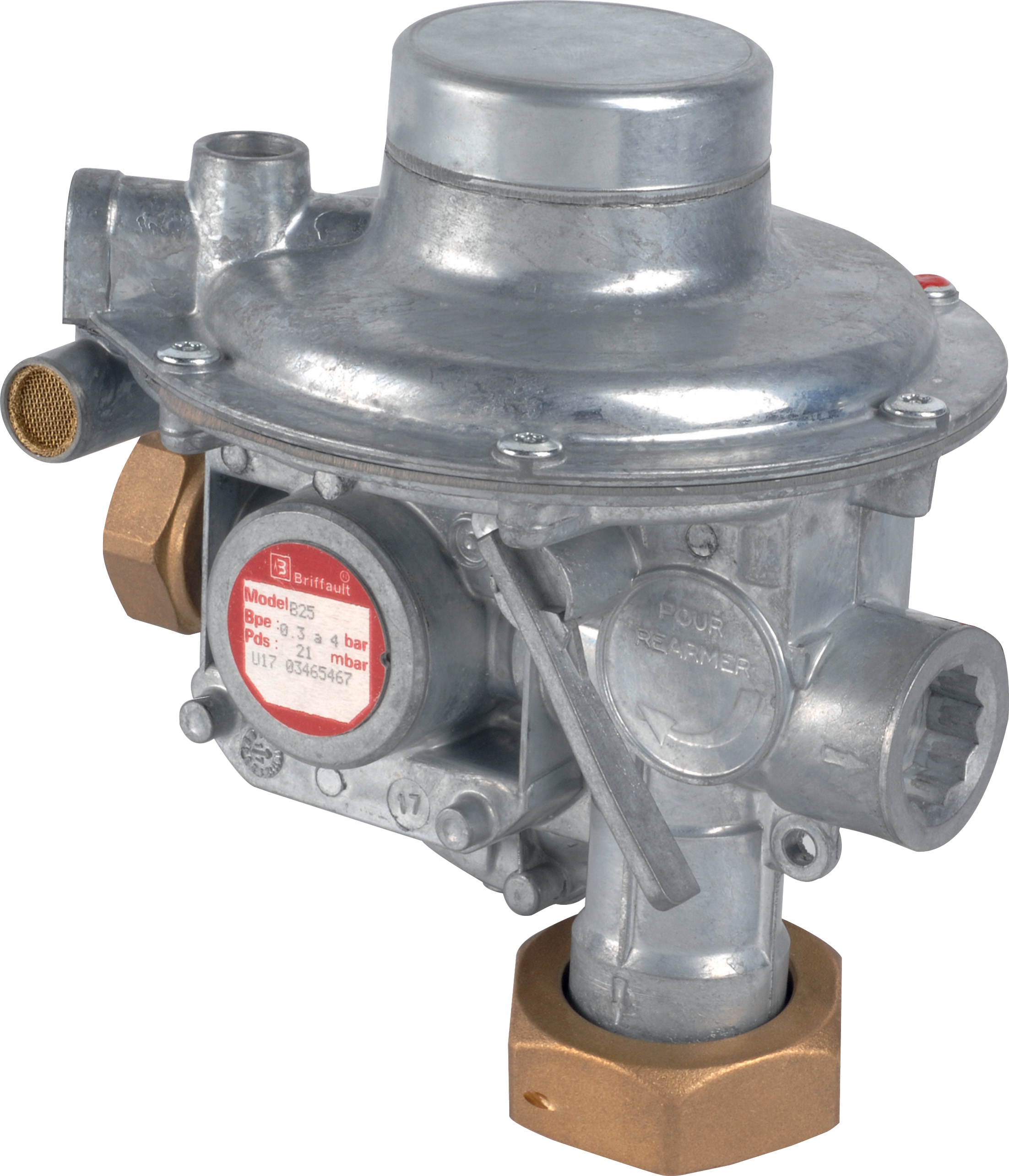
Gas regulation systems operate on entirely different principles. The Francel B25/37mb is a laboratory and industrial gas pressure regulator delivering precisely 37 mbar outlet pressure from variable inlet sources. It features a 10 mm vent size for safety relief and accepts either sphero-conical or flat inlet connections, with flat meter outlet joint for reliable instrumentation interfaces. This design suits applications requiring accurate, consistent pressure for analytical equipment, pilot burners, or precision gas distribution in process control systems.
The Dungs MBZRDLE 405 B01 S52 represents industrial-grade gas valve control, operating at 220-230V AC (50-60 Hz) with G 1/8 DIN ISO 228 threaded connection. This solenoid-operated valve integrates into automated gas supply systems where electrical signals control fuel gas delivery to burners or industrial furnaces. The electrical operation, standardized connections, and pressure-rated design make it essential for intermittent or modulating combustion control systems.
Gas regulation systems integrate tightly with burner control equipment. The Brahma Relay CM 31 TW30/TS10 is an electronic gas burner control module for atmospheric and fan-assisted burners, featuring non-volatile safety lock-out with manual reset, inbuilt ignition devices, and two independent safety contacts on gas valve output. The Kromschroder Relay BCU 570WC1F1U0K1-E supports direct ignition and intermittent or continuous pilot ignition modes, compliant with EN 746-2 and EN 676 standards for unlimited-power modulating burners.
Comparative Applications in Singapore Facilities
Hydraulic-Driven Production Systems: A manufacturing facility operating CNC injection molding equipment or industrial presses requires the Pratissoli KSR28 or Pratissoli MW40 pump as the core hydraulic power source. These pumps generate the high-pressure fluid necessary to actuate cylinders, valves, and proportional control systems. Flow rate selection depends on cycle speed and valve positioning requirements—faster cycles demand higher L/min displacement.
Industrial Combustion and Heating: Facilities using gas-fired boilers, furnaces, or process heaters require a coordinated system combining the Francel B25/37mb pressure regulator to reduce main supply pressure to burner operating range, a Dungs solenoid valve to control fuel delivery, and burner control relays (Brahma or Kromschroder units) to manage ignition and flame supervision. Temperature control for heating systems integrates the TG double immersion aquastat for setpoint management and safety cutout.
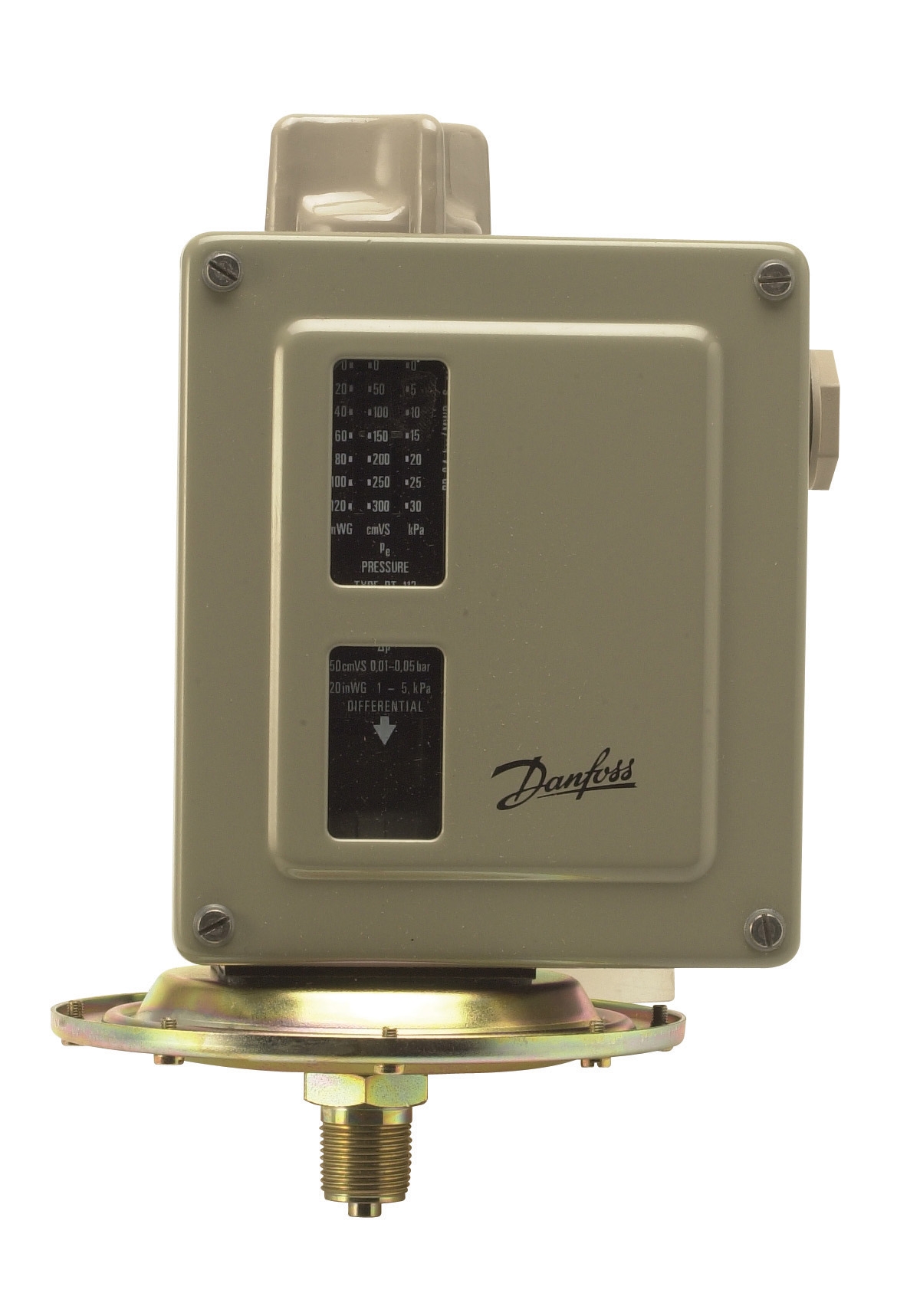
Auxiliary Systems and Process Control: Smaller operations like diagnostic laboratories, analytical equipment rooms, or quality control facilities use the compact Interpump PUMP E1D1808 for pilot circuits and sample transfer, paired with precision gas regulators like the Francel B25/37mb for instrument supply. Pressure monitoring throughout these systems uses the Danfoss Pressure Switch RT 5 for automated safety shutdown and system protection.
Selection Criteria and Decision Framework
| Selection Factor | Industrial Pumps | Gas Regulation Systems |
|---|---|---|
| Primary Function | Fluid transfer and pressure generation | Pressure reduction and fuel gas control |
| Key Performance Metric | Flow rate (L/min) and pressure (bar) | Outlet pressure accuracy and safety relief |
| Power Input | Electric motor (2.72–85 kW typical) | Electrical solenoid or manual mechanical |
| Maintenance Interval | 500–2,000 hours (fluid/filter changes) | Annual inspection; no routine fluid changes |
| Cost Range (Indicative) | Mid to high (depends on displacement/pressure) | Low to mid (passive regulation lower cost) |
| Space Requirements | Varies widely (5–264 kg units available) | Compact; integrates into piping |
| Typical Application | Hydraulic power for machinery, cooling transfer | Fuel gas delivery to burners, instruments |
| Control Integration | Requires relief valve + filter + coupler | Integrates with burner control relays |
| Regulatory Compliance | ISO 4413 (hydraulic safety), CE marking | EN 746-2, EN 676, EN 161 (gas safety) |
| Temperature Sensitivity | High (fluid viscosity changes with temperature) | Moderate (pressure output relatively stable) |
For plant managers evaluating equipment selection: Start by identifying your primary functional need. If moving liquids under pressure is essential—cooling loops, hydraulic actuation, material transfer—an industrial pump is non-negotiable. Select displacement (L/min) based on circuit cycle time and actuator speed requirements. Pressure rating should match your system design, with 200–250 bar being standard for most manufacturing applications. Power consumption directly affects operating cost, so matching pump displacement to actual demand prevents energy waste.
For gas-dependent operations, regulatory compliance takes absolute priority. All gas regulation and burner control equipment must meet applicable Singapore standards and international safety directives (EN 746-2 for burner controls, EN 161 for solenoid valves, EN 676 for safety requirements). Select gas regulators based on inlet pressure range, desired outlet pressure accuracy, and vent capacity. Burner control relays must match your burner type (atmospheric vs. fan-assisted) and ignition strategy (direct, intermittent pilot, or continuous pilot).
Many Singapore facilities operate both systems in parallel. A manufacturing plant might use the Pratissoli MW40 pump for primary production machinery while simultaneously deploying gas regulation systems for facility heating, process furnaces, or emergency backup generators. Understanding how these systems interact—where pump-driven hydraulics actuate valves that control gas flow, for example—prevents specification conflicts and ensures coordinated equipment procurement and maintenance planning.
Implementation Best Practices for Singapore Operations
Successful industrial equipment deployment requires attention to local conditions and operational realities. Singapore's tropical climate, with high ambient temperatures and humidity, influences pump fluid selection (cooling requirements increase) and demands more frequent maintenance intervals for all equipment exposed to moisture. Facilities should specify pumps with enhanced sealing and regulators rated for the higher ambient temperatures typical of Southeast Asia.
Electric utility costs in Singapore are significant operational factors. Variable-speed pumps like the Pratissoli KSR28 (available at 1500/1800/2200 rpm configurations) allow matching motor speed to actual production demand, reducing energy consumption during partial-load operation. For heating systems, the TG double immersion aquastat and TG Airstat 2 thermostats enable precise temperature control, preventing unnecessary fuel gas consumption.
Preventive maintenance planning should account for equipment specialization. Industrial pumps require routine fluid analysis, filter changes, and coupling inspection every 500–1,500 operating hours depending on duty cycle. Gas regulation systems require annual safety inspection and functional testing of relief mechanisms, with solenoid valves tested for electrical continuity and seal integrity. Coordinating these maintenance activities with production scheduling prevents unexpected downtime.
Finally, ensure all equipment sourced through your distributor carries proper certification documentation, technical manuals in English, and readily available spare parts support within Singapore or regional distribution networks. The choice between equipment options ultimately depends on application specifics, but the decision framework outlined here provides the technical foundation for confident procurement.
Conclusion and Next Steps
Industrial pumps and gas regulation systems represent distinct but equally essential technology categories for Singapore manufacturing and industrial operations. Pumps generate and transfer pressurized fluids for mechanical work; regulators safely control gaseous fuel delivery. Each technology category requires specialized knowledge for proper specification, installation, and maintenance.
The comparison framework presented here—evaluating pump displacement and pressure against regulatory outlet pressure and safety features, understanding maintenance requirements and compliance standards—provides plant managers with structured decision criteria. Whether you're specifying a new production line, upgrading heating infrastructure, or implementing facility expansions, selecting the right equipment from the start prevents costly retrofits and operational disruptions.
The expert team at 3G Electric has served Singapore's industrial sector since 1990, providing equipment specification support, technical documentation, and reliable supply chains for all major industrial equipment brands. Contact us to discuss your specific application requirements—our engineers will help you navigate the complete selection process, ensuring your facility receives equipment precisely matched to operational demands.