Industrial Pump Selection for High-Pressure Applications in Singapore: A Technical Guide
Selecting the correct industrial pump is one of the most critical decisions HVAC contractors and installers make in Singapore. Unlike domestic systems, industrial applications demand pumps that can handle sustained high-pressure environments, precise flow control, and reliability in tropical climates. Many contractors struggle with the technical specifications—pressure ratings, displacement, rotation speeds, and dimensional constraints—that determine whether a pump will perform adequately or fail prematurely. This guide demystifies the selection process by focusing on the technical parameters that matter most in real-world installations across Singapore's diverse industrial sector.
Understanding Pump Performance Parameters in Industrial Applications
Industrial pumps operate in a fundamentally different context than standard HVAC equipment. The key performance metrics—measured in bar (pressure), litres per minute (flow), and kilowatts (power)—determine whether a pump can sustain operation under demanding conditions. When evaluating pumps for Singapore industrial applications, contractors must consider not only peak performance specifications but also continuous duty ratings, which reflect what a pump can deliver hour after hour without thermal degradation.
Pressure rating is the first critical parameter. Industrial applications in Singapore frequently require pumps capable of 250 bar (3,625 psi) or higher. This pressure rating must accommodate both normal operating conditions and occasional pressure spikes from system transients. Flow capacity, measured in litres per minute, determines how quickly a system reaches operational temperature or achieves circulation in large-volume applications. A pump delivering 15 L/min operates efficiently in medium-scale industrial heating and cooling systems, making it suitable for many Singapore installations where space constraints favour compact equipment.
Power consumption bridges performance and economics. A pump rated at 7.13 kW (9.7 hp) represents the input energy required to deliver specified flow at rated pressure. Understanding this relationship helps contractors calculate total system efficiency and project operating costs—a critical factor when explaining lifecycle economics to clients in Singapore's competitive industrial market. Rotation speed (measured in rpm) affects noise levels and system stability; lower rotation speeds typically produce quieter operation and smoother flow characteristics essential in sensitive industrial environments.
Technical Specifications and Real-World Application Matching
The Interpump E3B2515I pump exemplifies the specifications contractors encounter when specifying equipment for Singapore industrial systems. This pump delivers 15 L/min at 250 bar maximum pressure, with a continuous power requirement of 7.13 kW. At 1,450 rpm, it operates quietly enough for installation in proximity to occupied spaces—a practical advantage in Singapore's dense urban industrial zones. The compact dimensional profile (265 mm length) enables integration into space-constrained equipment rooms common in retrofitted facilities.
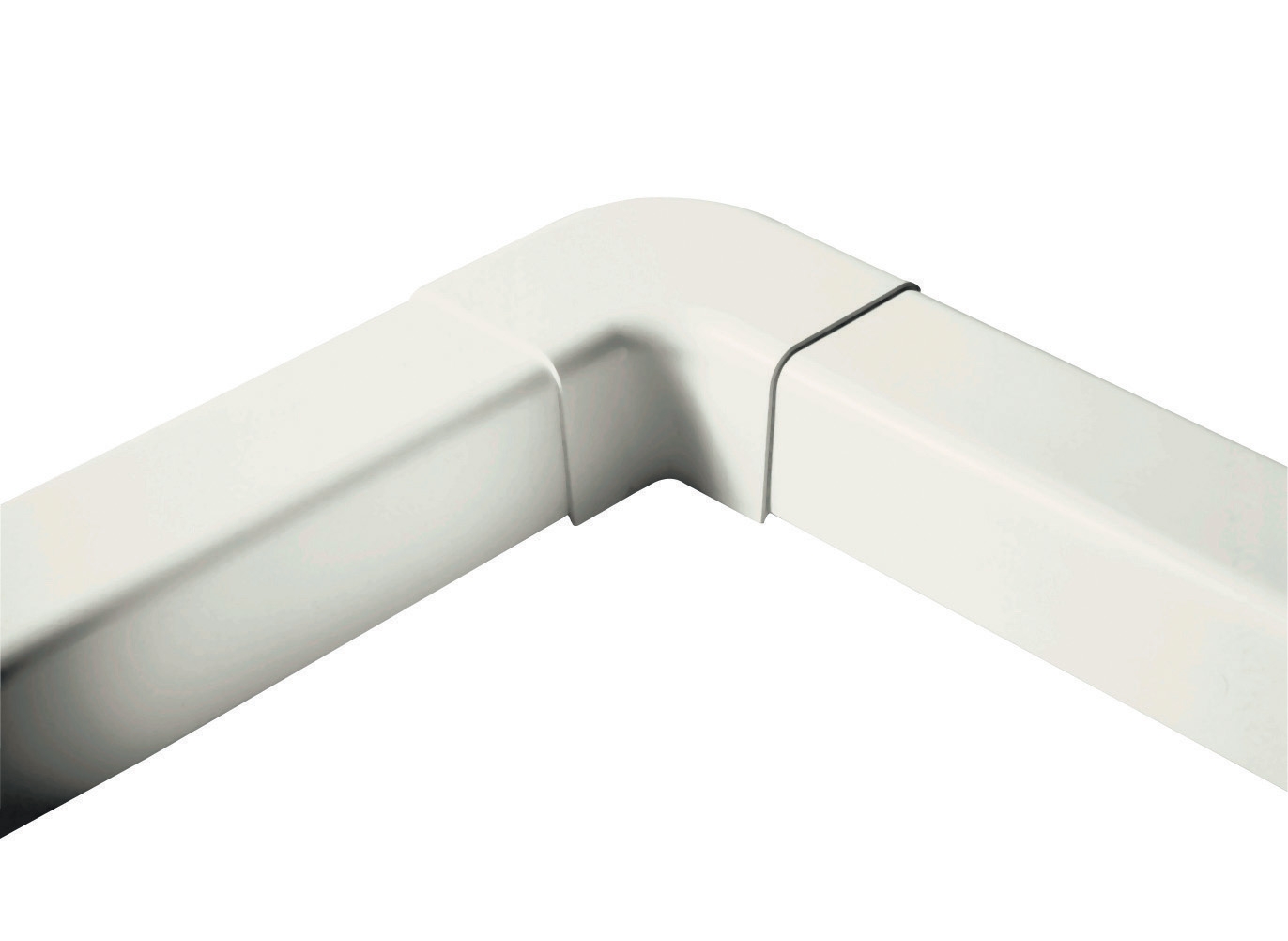
System integration requires more than just pump selection. The CBM flat elbow 90° fitting (60 mm) represents the kind of seemingly minor component that profoundly affects system performance. Proper piping geometry reduces turbulence, minimizes pressure drop, and prevents cavitation—a destructive phenomenon where pressure drops below vapour pressure, creating vapour bubbles that collapse with violent force. In high-pressure systems like those found in Singapore's petrochemical, food processing, and pharmaceutical facilities, cavitation can rapidly destroy pump internals.
The Interpump E3B2515 L variant provides left-rotation capability, essential when system geometry requires counter-clockwise pump orientation. This flexibility simplifies installation logistics in retrofitted systems where pump location may be constrained by existing equipment. Similarly, the Interpump E3B1515 with RS500H gearbox enables speed reduction and torque increase—critical when lower-speed operation is required for process precision or noise control in sensitive industrial environments.
Pressure gauges like the CBM glycerin stainless steel pressure gauge (0-4 bar) provide essential system monitoring. Glycerin-filled gauges dampen pressure pulsations inherent in pump discharge, producing stable needle movement that improves readability and extends gauge lifespan in industrial applications. The G1/4 connection standard enables integration into most piping systems throughout Singapore without requiring custom adapters.
Real-World Application Examples in Singapore's Industrial Sector
Singapore's industrial landscape includes diverse applications where pump selection directly impacts operational success. In food processing facilities along the Jurong waterfront, high-pressure washdown systems require pumps that maintain consistent 200+ bar pressure while handling caustic cleaning solutions. The 250 bar rating of the Interpump E3B series pumps provides safety margin against pressure spikes while the compact dimensions fit into equipment rooms where space comes at premium cost.
Pharmaceutical manufacturing in the Tuas biomedical cluster demands ultra-reliable circulation systems where any unplanned downtime causes millions in lost production. Specifying pumps with established track records—like the Interpump range—and pairing them with professional installation reduces failure risk. The 1,450 rpm rotation speed minimizes heat generation, extending fluid life and reducing maintenance frequency—a significant cost factor when system fluid costs exceed SGD 500 per litre.
Chemical processing facilities require pumps that handle thermal expansion in enclosed systems. This is where understanding the relationship between pressure rating and system safety becomes critical. A 250 bar pump provides approximately 60% safety margin above the typical 150 bar operating pressure in closed-loop thermal systems, accommodating thermal expansion while preventing relief valve opening during normal transients. This margin has prevented countless system failures in Singapore's petrochemical sector.
Selection Criteria and Best Practices for Singapore Installations
When selecting pumps for industrial applications in Singapore, contractors should follow a structured evaluation process. First, determine the actual system operating pressure—not the pump's maximum rating. If your system operates at 150 bar, a 250 bar pump provides necessary safety margin without oversizing cost penalties. Second, verify that the specified flow rate (15 L/min in the Interpump examples) matches system circulation requirements. Undersized pumps cause sluggish system response; oversized pumps waste energy and generate unnecessary heat.
Third, assess installation constraints: available space, required rotation direction, noise sensitivity, and ambient temperature. Singapore's tropical climate means interior equipment spaces can exceed 45°C, reducing pump efficiency and requiring larger cooling capacity. Fourth, specify compatible monitoring equipment. The CBM glycerin pressure gauge provides continuous system pressure visibility, while non-contact voltage detectors ensure safe electrical troubleshooting. Finally, plan maintenance access: ensure the pump location permits filter changes, seal inspections, and bearing lubrication without major system disassembly.
Documentation and commissioning complete the selection process. Contractors should record the selected pump model, configuration (rotation direction, gearbox if applicable), and pressure/flow settings. This documentation proves invaluable when troubleshooting future problems or planning system upgrades. Commission the system by gradually increasing pressure, monitoring temperature rise, and verifying all pressure relief settings function correctly.
Integrating Pumps with Broader System Architecture
Industrial pump selection never occurs in isolation. High-pressure pumps must integrate seamlessly with burner systems, circulation networks, and control instrumentation common in Singapore's manufacturing plants. Understanding these integration points prevents costly compatibility problems that emerge only during commissioning.
For contractors specifying complete systems, 3G Electric's technical team can help match pump specifications to your system architecture, verify compatibility with existing equipment, and recommend monitoring solutions that provide early warning of performance degradation. Whether you're upgrading a facility in Jurong Industrial Estate or commissioning a new installation in the Tuas Biomedical Park, proper pump selection determines long-term reliability and operating cost performance.
Ready to specify the right pump for your industrial application? Contact 3G Electric's technical team to discuss your system requirements, review detailed specifications, and receive recommendations tailored to your Singapore installation. Our engineers have decades of experience with industrial pump applications across petrochemicals, food processing, pharmaceuticals, and manufacturing—and we're committed to helping you make selections that deliver reliable performance for years to come.