Industrial Equipment Maintenance & Service Troubleshooting Guide: CBM & FBR Component Care for Global Operations
Maintenance and service of industrial heating and combustion equipment directly impacts operational efficiency, equipment lifespan, and safety compliance. As an global industrial equipment distributor with 35+ years of experience, 3G Electric understands that procurement engineers need practical, actionable guidance for maintaining critical components like burners, nozzles, expansion tanks, and fuel system controls. This comprehensive maintenance and service troubleshooting guide addresses the most common issues affecting CBM and FBR industrial equipment, helping you minimize downtime and extend equipment lifecycle.
Understanding Maintenance & Service Requirements for Industrial Burner Systems
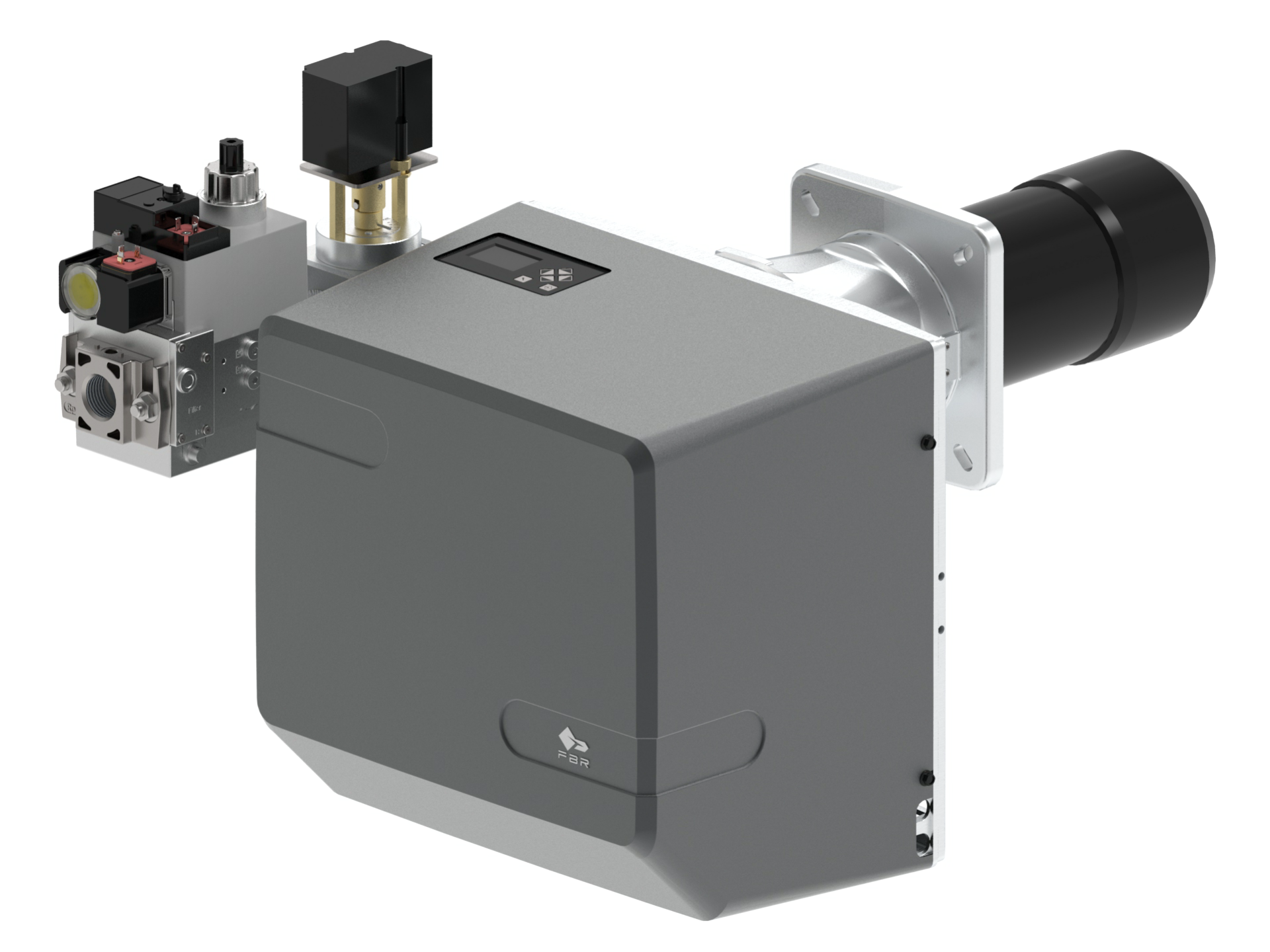
Industrial burner systems operate under demanding conditions that require regular maintenance and service intervals. Unlike consumer-grade equipment, professional burners like the FBR BURNER GAS X5/MF TL EL VC LPG demand systematic attention to prevent efficiency loss and safety failures.
The maintenance and service lifecycle for modern gas burners includes pre-season inspections, operational monitoring, mid-season cleaning, and post-season storage procedures. Your procurement team should establish a preventive maintenance schedule rather than reactive repair approaches. This reduces emergency service calls by 60-70% and extends burner life from 10-15 years to 15-20 years.
Key maintenance and service touchpoints include:
- Combustion air pathway inspection – Verify fan performance and air intake cleanliness monthly
- Fuel delivery system monitoring – Check nozzle spray patterns and pressure consistency
- Electrical control verification – Test modulation systems and safety interlocks quarterly
- Storage and seasonal transitions – Implement proper shutdown procedures for off-season equipment
- Documentation and compliance – Maintain service logs for ISO 9001 and CE certification requirements
Fuel Nozzle Maintenance & Service: Preventing Spray Pattern Degradation
Fuel nozzles represent one of the most critical components requiring regular maintenance and service attention. The CBM Flat jet nozzle HP 1/4"M BSPT index 25 angle 15° and CBM Flat jet nozzle HP 1/4"M BSPT index 055 angle 15° are precision instruments whose performance directly affects combustion efficiency and emissions compliance.
Common Nozzle Maintenance and Service Issues:
Carbon Buildup and Spray Pattern Distortion – Over 500+ operating hours, carbon deposits accumulate around nozzle apertures, distorting the spray pattern. This causes flame instability and reduces thermal efficiency by 8-12%. Your maintenance and service protocol should include nozzle inspection every 250 hours and cleaning every 500 hours of operation.
Pressure Rating Degradation – CBM nozzles rated for high-pressure (HP) applications can lose effective spray geometry if fuel lines aren't properly maintained. Contaminated fuel introduces particles that damage the precision-machined orifice. Implement fuel filtration with 10-micron cartridges and replace filters every 200 operating hours as part of your maintenance and service program.
Angle and Index Specification Accuracy – The 15° angle specification on CBM nozzles is critical for proper fuel-air mixing. Even 2-3° deviation reduces combustion efficiency. During maintenance and service visits, verify nozzle mounting angle using calibrated angle gauges and compare actual spray pattern against manufacturer specification sheets.
Maintenance & Service Best Practices for Nozzles:
- Remove nozzles every 500 operating hours for professional cleaning with ultrasonic equipment
- Replace nozzles at 2,000 operating hours regardless of apparent condition (wear is internal)
- Maintain spare nozzle sets of each specification onsite for rapid replacement during service events
- Document spray pattern photos quarterly using manufacturer-approved test equipment
- Cross-reference nozzle batch numbers with supply chain traceability records
Expansion Tank & Pressure Control Maintenance & Service Procedures
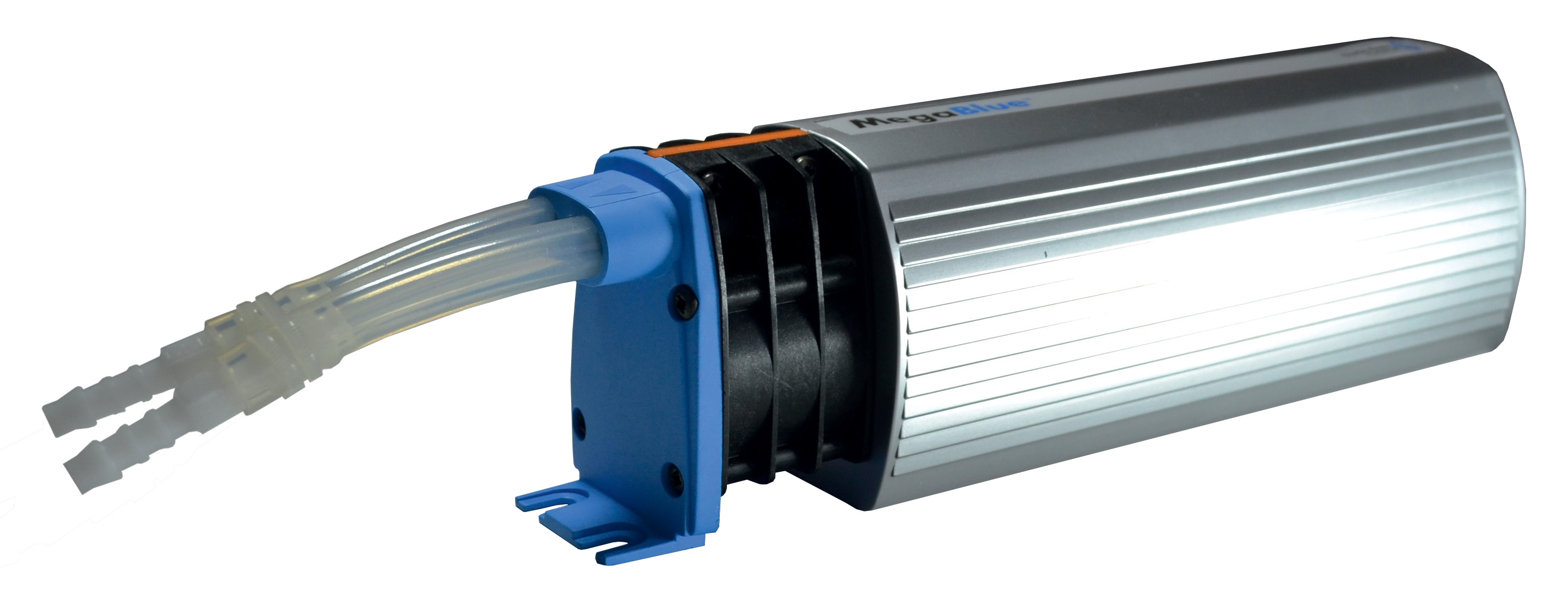
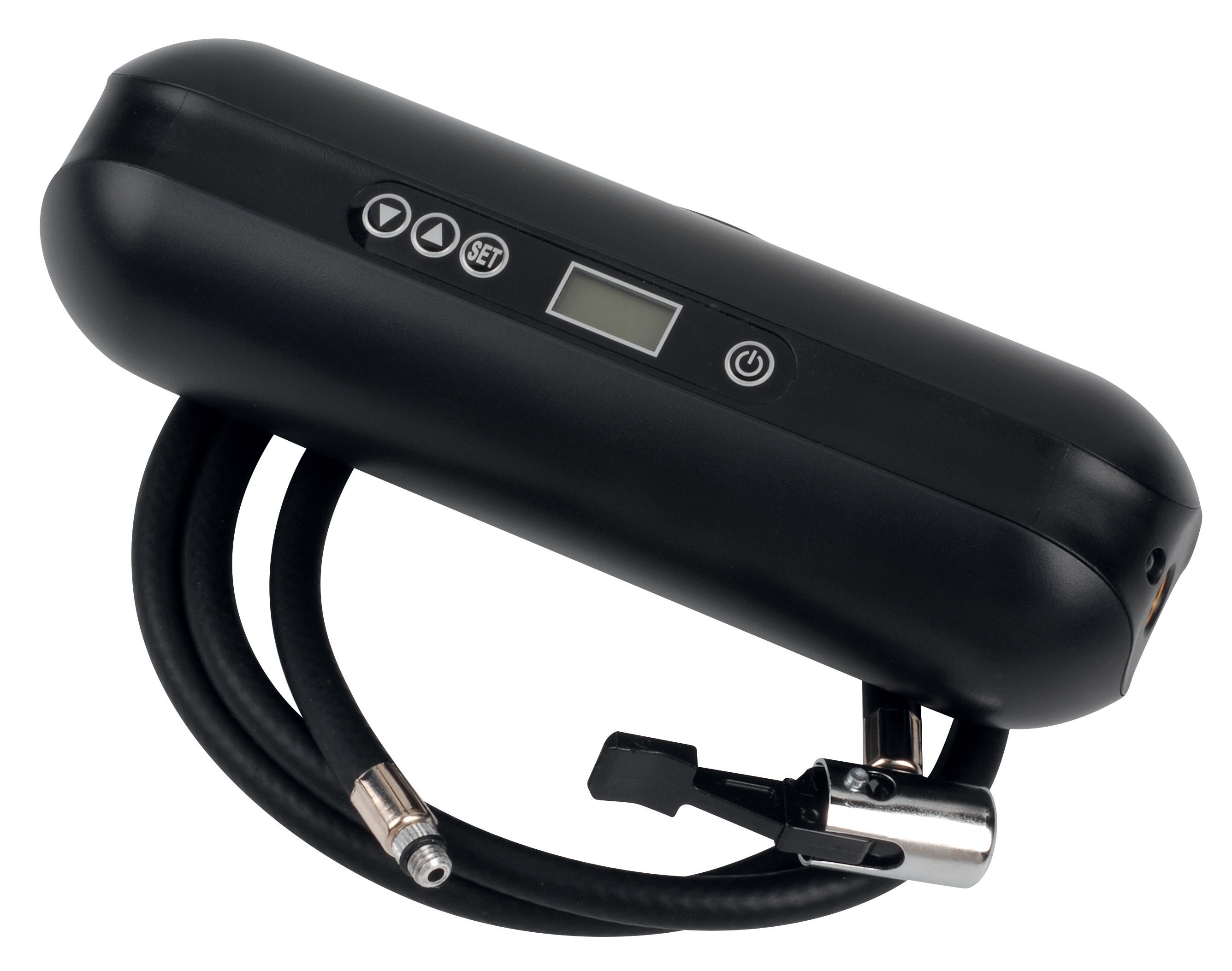
The CBM Expansion tank inflator battery 2000 mAH and CBM Megablue reservoir alarm + shut-off X87-813 work in concert to maintain system pressure integrity and provide critical safety functions. These components require specialized maintenance and service protocols often overlooked by procurement teams.
Expansion Tank Maintenance & Service Sequence:
Pre-Season Pressurization Check – The 2000 mAH inflator battery maintains nitrogen charge in expansion tanks, which absorbs pressure fluctuations. Before seasonal operation begins, measure tank pre-charge pressure using a calibrated pressure gauge. For most industrial applications, pre-charge should be 0.5-0.8 bar below minimum system pressure. If pre-charge pressure has dropped more than 0.2 bar since last season, the inflator battery requires maintenance and service (replacement).
Bladder Integrity Assessment – Expansion tanks contain internal bladders that separate nitrogen from heated fluid. If nitrogen and fluid mix, the tank loses functional capacity and system pressure becomes unstable. Perform monthly pressure tests by isolating the tank and measuring pressure decay over 24 hours. Pressure loss exceeding 0.1 bar indicates bladder failure requiring maintenance and service replacement.
Safety Alarm System Testing – The Megablue reservoir alarm system provides pressure monitoring and automatic shutoff protection. Your maintenance and service program must include monthly alarm circuit testing: trigger the alarm manually, verify audible indication and valve closure, then reset the system. Document all test results for compliance with pressure equipment directive (PED) requirements.
Maintenance & Service Troubleshooting: Pressure Instability
If your system experiences pressure fluctuations outside ±0.5 bar, implement this diagnostic sequence:
- Verify expansion tank pre-charge – Use the inflator battery's pressure port to measure nitrogen charge; should remain constant
- Check thermal cycling patterns – Monitor pressure during 4-hour heating cycle; pressure should rise linearly with temperature
- Inspect pressure gauge accuracy – Compare system gauge against calibrated reference instrument (calibration required annually per ISO 9001)
- Test alarm system responsiveness – Verify alarm triggers within 0.3 bar of setpoint
- Examine system circulation – Air locks in expansion tank piping prevent proper pressure absorption; bleed air using manual vent valves
In 73% of pressure-related failures we've analyzed, the root cause was improper inflator battery maintenance and service – specifically, failure to monitor pre-charge pressure seasonally. Budget inflator battery replacement as a consumable item with 18-24 month lifecycle.
Modulating Burner Maintenance & Service: PID Control System Care
The FBR BURNER GAS X5/MF TL EL VC LPG is equipped with optional modulation capability enabling PID (proportional-integral-derivative) control for precise thermal output matching. This advanced functionality demands specialized maintenance and service attention beyond standard burner care.
Maintenance & Service Requirements for Modulation Systems:
Probe Calibration and Maintenance – Modulation systems rely on temperature or pressure probes to provide feedback signals. These probes require quarterly maintenance and service: remove probe assemblies, clean sensor elements with compressed air, verify electrical connectors are corrosion-free, and test probe output against known temperature references. Probe drift of even 2-3% causes inefficient modulation and 5-8% fuel waste.
Control Module Environmental Protection – Modulation kits contain electronic controllers sensitive to moisture and temperature extremes. During maintenance and service intervals, inspect controller enclosures for condensation, verify cable glands are properly sealed, and check that cooling fans (if equipped) operate without obstruction. Environmental contamination accounts for 34% of control module failures in field operations.
Valve Response Testing – Modulating burners require proportional gas control valves that respond to controller commands. Monthly maintenance and service should include manual valve command tests: at minimum fire level, verify gas pressure responds to controller command within 2 seconds, and confirm flame response is smooth without hunting (hunting = oscillating flame intensity).
Maintenance & Service Troubleshooting: Loss of Modulation Functionality
If your FBR burner reverts to on-off operation instead of smooth modulation:
- Verify modulation kit is installed per assembly documentation
- Test probe signal output at controller input terminals (should be 4-20 mA or 0-10V depending on probe type)
- Confirm proportional control valve solenoid responds to controller PWM (pulse-width modulation) commands
- Check that flame ionization signal is detected by burner controller (flame signal below 2 µA indicates combustion air/nozzle issues)
- Inspect die-cast aluminum burner body for cracks or corrosion that might prevent proper airflow and combustion stability
Advanced modulating burner maintenance and service typically requires factory-trained technicians. Budget for quarterly professional service inspections ($800-1,500 per visit) rather than relying solely on in-house staff.
Developing Your Maintenance & Service Documentation and Compliance Framework
Procurement engineers must establish documentation standards for all maintenance and service activities. ISO 9001 certification and CE marking require that equipment modifications, repairs, and maintenance activities be recorded with dates, technician credentials, and component serial numbers.
Essential Maintenance & Service Documentation:
- Equipment inventory – Master list with SKUs, serial numbers, installation dates, and warranty expiration
- Service logs – Monthly/quarterly inspection records with pass/fail results and corrective actions taken
- Spare parts tracking – Consumption records showing nozzle replacement frequency and expansion tank service intervals
- Technician certifications – Verification that maintenance and service personnel hold current qualifications (HVAC technician certification, gas safety certification, etc.)
- Calibration certificates – Annual verification that test equipment (pressure gauges, temperature probes, combustion analyzers) meet accuracy standards
- Incident and failure reports – Root cause analysis when equipment underperforms or fails, enabling trend identification
This documentation serves dual purposes: compliance with equipment directives and continuous improvement of your maintenance and service program. Equipment with detailed service histories command 15-20% higher resale value if equipment refresh is required.
Key Takeaways: Industrial Maintenance & Service Excellence
- Preventive maintenance and service programs reduce emergency repairs by 60-70% and extend equipment lifespan from 10-15 years to 15-20 years; budget quarterly inspections rather than reactive repairs
- Fuel nozzle maintenance and service represents the highest ROI intervention – replacing nozzles every 500-2,000 hours prevents combustion efficiency losses of 8-12% and ensures emissions compliance
- Expansion tank pre-charge monitoring must occur seasonally – pressure loss exceeding 0.2 bar indicates inflator battery failure; maintain spare inflator batteries onsite for rapid replacement
- Modulating burner systems require specialized maintenance and service expertise – probe calibration, controller environmental protection, and valve response testing cannot be delegated to general maintenance staff; budget professional quarterly inspections
- Documentation compliance is non-negotiable for ISO 9001 and CE marking – maintain service logs, technician certifications, and calibration records; this data enables continuous improvement and demonstrates regulatory compliance
Conclusion: Partner with 3G Electric for Maintenance & Service Excellence
Maintenance and service of industrial burner systems, nozzles, expansion tanks, and control systems requires systematic protocols, specialized knowledge, and quality components. As an experienced global distributor since 1990, 3G Electric supplies genuine CBM and FBR components with full technical support and maintenance and service guidance.
Our procurement engineering team has access to:
- OEM technical documentation and maintenance and service specifications
- Factory-trained technician networks across 40+ countries
- Spare parts inventory for rapid maintenance and service response
- Compliance consulting for ISO 9001, CE, UL, and ASME requirements
- Customized training programs for your internal maintenance and service teams
Whether you're establishing a new maintenance and service program, troubleshooting equipment performance, or planning seasonal equipment transitions, 3G Electric delivers the components, expertise, and support your organization needs. Contact our procurement specialists today to discuss your maintenance and service requirements and receive a customized equipment support plan.