Controls & Safety Systems for Industrial Burners: A Complete Technical Guide for Singapore Operations
Industrial burner control systems represent one of the most critical safety investments for manufacturing facilities across Singapore. These systems automatically manage fuel supply, monitor flame presence, and execute emergency shutdowns—all within milliseconds. Whether you operate a small commercial heating system or a large-scale industrial boiler installation, understanding the architecture of burner controls and safety devices is essential for regulatory compliance, operational efficiency, and personnel protection. This comprehensive guide explores the technical foundations, component interactions, and practical selection criteria for controls and safety systems in industrial environments.
The Architecture of Modern Burner Control Systems
Contemporary industrial burner control systems operate on a hierarchical principle: detect operating conditions, process signals through logic devices, and execute controlled responses. At the foundation sits the flame detection system, which continuously monitors whether the burner is operating normally. Unlike simple on/off switches, flame detectors employ sophisticated sensing technologies including ultraviolet (UV) cell detection, infrared flame sensing, and ionization electrode methods. Each detection method serves different fuel types and operating environments.
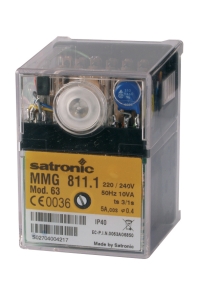
The control relay serves as the intelligent core of the system. These devices receive signals from flame detectors, temperature sensors, and pressure switches, then make real-time decisions about fuel valve operation. A modern burner control relay like the CBM TMG 740-3 control relay manages intermittent duty applications for both gas and mixed fuel burners with multiple combustion heads. The relay evaluates flame presence continuously—typically every 0.5 to 1.0 seconds—and maintains a fail-safe posture: if flame is lost or not proven within the safety interlock window, fuel supply cuts immediately.
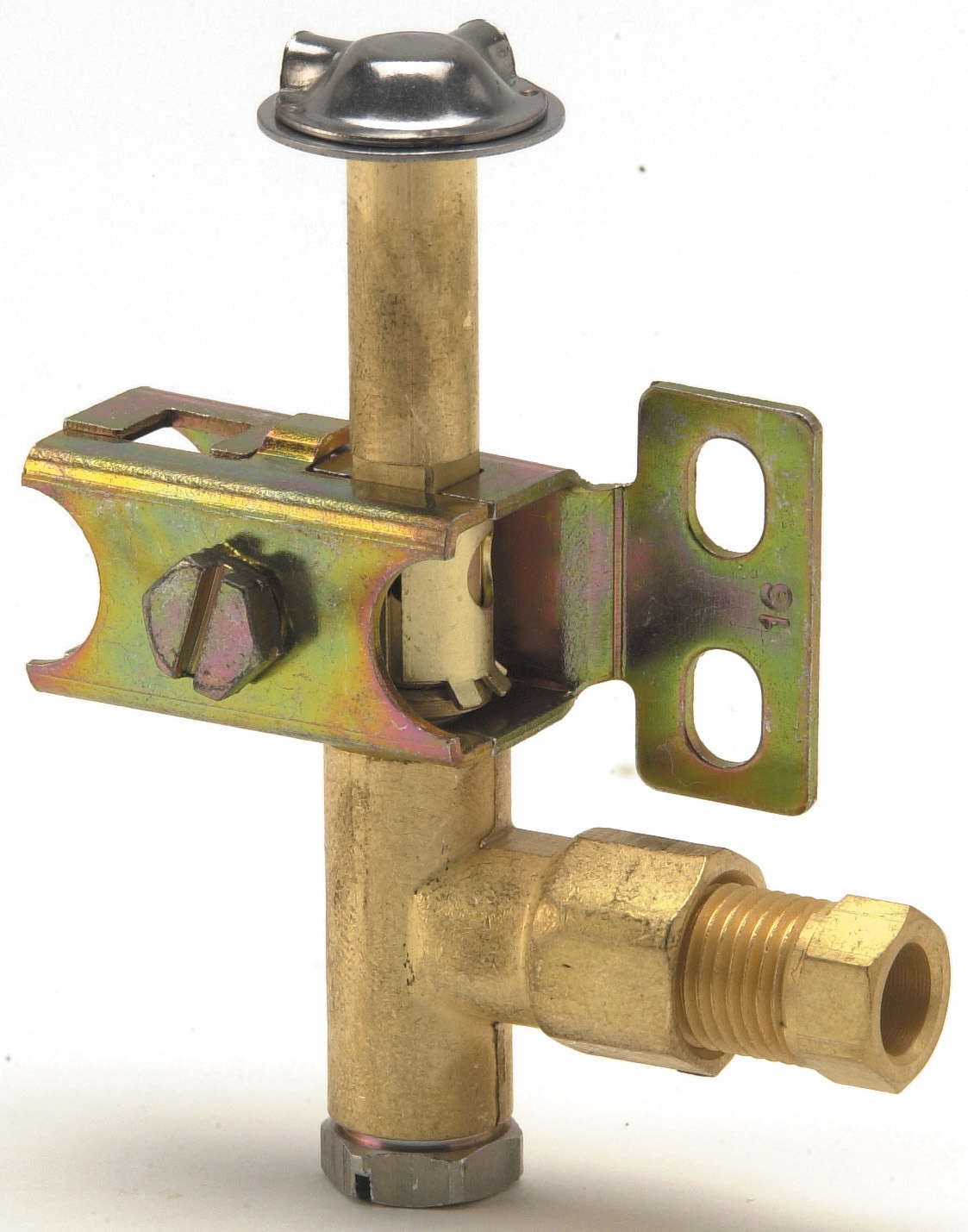
The pilot burner and thermocouple assembly functions as the safety verification chain. The pilot flame is continuously maintained by a dedicated fuel supply. The thermocouple—typically a bimetallic device generating approximately 20-30 millivolts when heated by the pilot flame—signals to the control relay that the pilot light is operational. Modern thermocouples used in SIT pilot-burner systems demonstrate exceptional thermal durability: targets withstand temperatures up to 815°C at the tip, with orifice assemblies rated to 340°C. The thermocouple must be matched precisely to the pilot burner type; mismatches result in inadequate voltage generation and system lockouts.
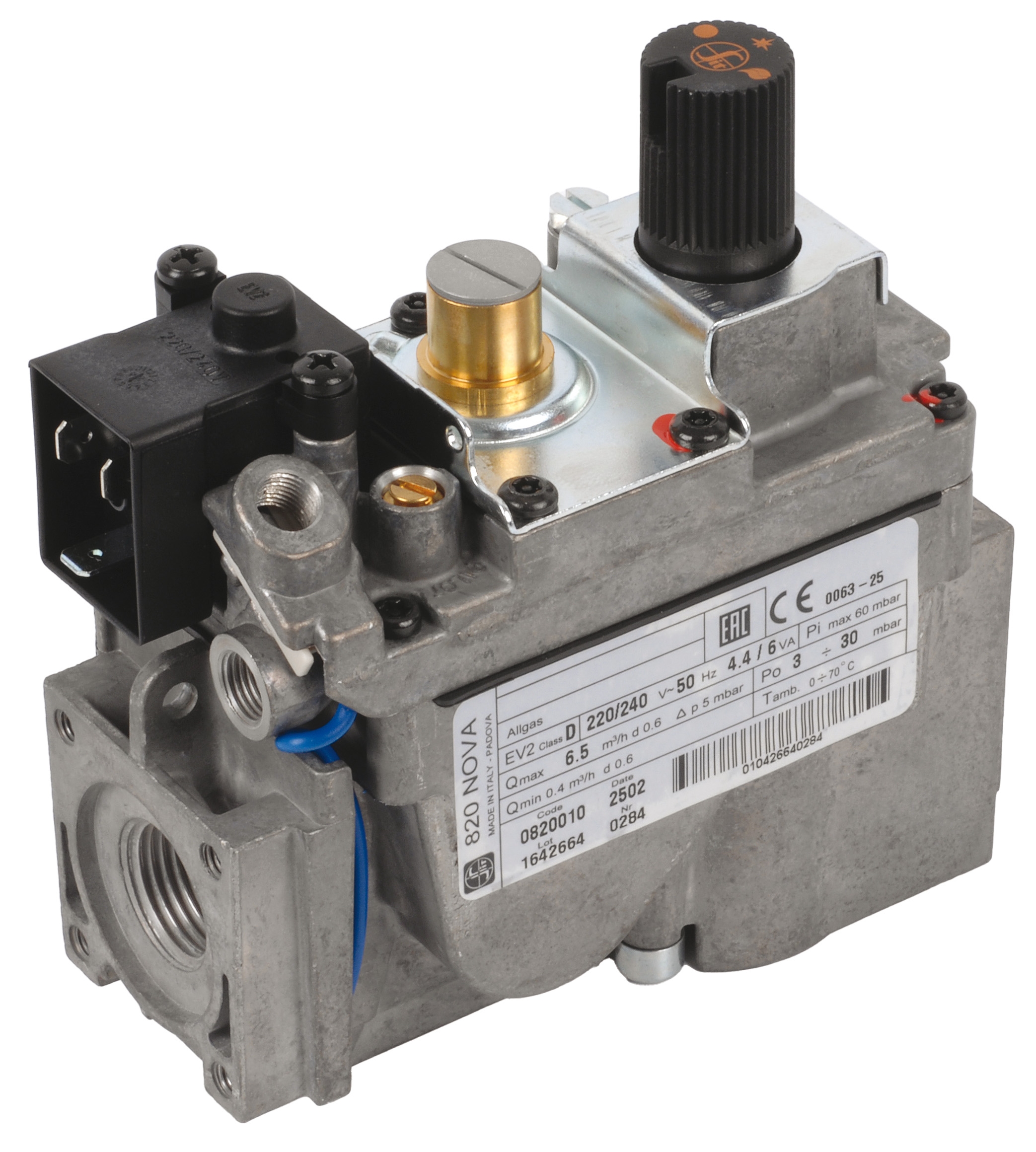
Safety interlocks represent the final architectural layer. Motor-driven damper controls, solenoid gas valves, and motorized butterfly valves respond to relay commands. The solenoid valve—such as the CBM VAS 125R/NW fast gas solenoid valve—maintains a sealed state during pilot establishment and only permits main burner fuel flow once flame detection is proven and maintained. These valves operate at pressures up to 500 mbar, with integrated flow adjustment preventing the need for external restrictors.
Key Control and Safety Components: Technical Specifications
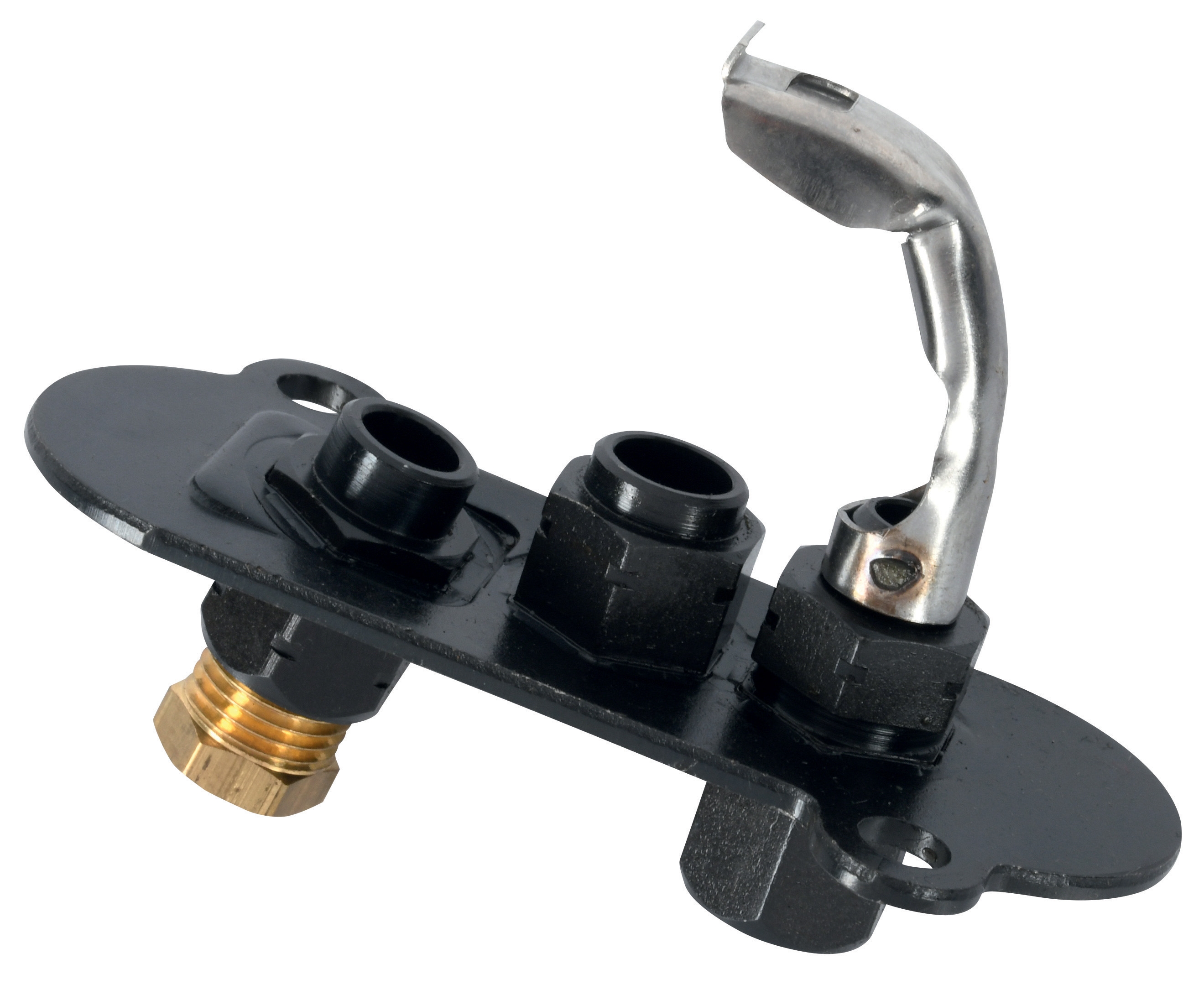
Understanding individual component specifications enables proper system design and troubleshooting. The pilot light assembly forms the safety chain's weakest link. Universal pilot lights such as the CBM Universal pilot light 1 flame 3 positions offer configuration flexibility for retrofit applications. SIT pilot-burners provide exceptional operational characteristics: they operate at extremely low noise levels, exhibit superior corrosion resistance (critical in Singapore's humid tropical environment), and facilitate rapid thermocouple substitution without complete disassembly. The 3-position design accommodates ON, OFF, and PILOT operating modes, with thermocouple replacement achievable in under five minutes.
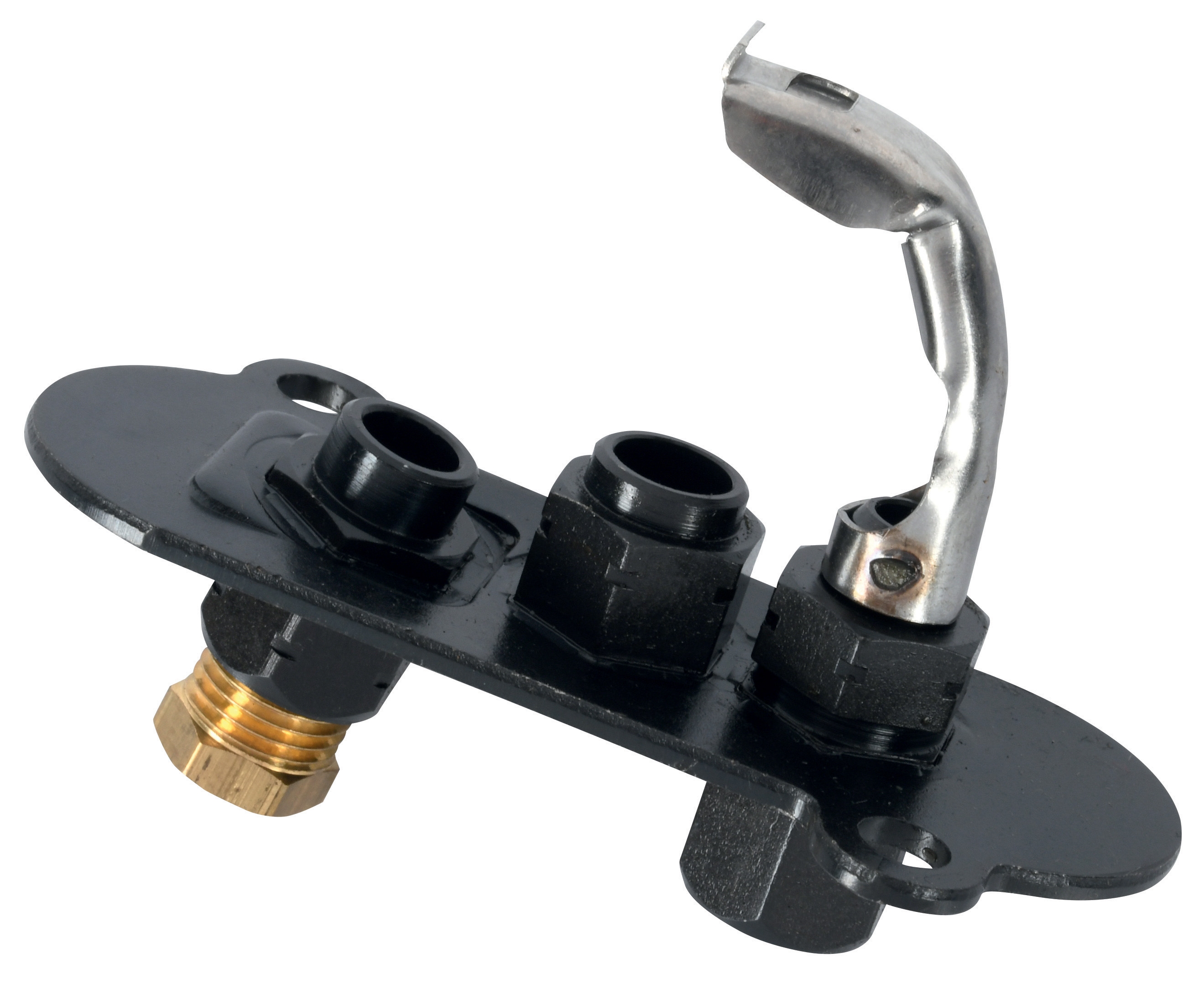
The 2-flame pilot light configuration provides redundant flame generation for critical applications. Dual-flame pilots generate approximately 40% higher heat energy at the thermocouple junction, improving signal reliability in vibration-prone industrial environments. This configuration proves particularly valuable in marine and offshore applications where vibration and thermal cycling stress single-flame pilots.
Flame detection cells represent the sensory organs of safety systems. The CBM QRA 10C UV flame detection cell monitors ultraviolet radiation signatures from the flame. UV cells respond within 2-4 seconds to flame loss, providing rapid shutdown capability. These cells excel in applications with stable flame geometry and minimal external UV interference. The QRA series operates across wide ambient temperature ranges and demonstrates excellent corrosion resistance in industrial atmospheres.
Thermostat controls manage temperature setpoints and switching. The CBM RT 107 thermostat provides unipolar contact switching based on bulb temperature. These devices find application in space heating, process temperature control, and boiler protection circuits. RT series thermostats accommodate differential and neutral zone configurations, enabling precise temperature band control without hunting or cycling.
Servo motor damper controls regulate air supply to the burner. The CBM MT 4002 B servo motor powers air dampers and butterfly valves with rated torque delivering 1.5 Nm maximum at 6-second 90-degree rotation time. Operating across 220-240V AC or 110V AC (50/60 Hz), these motors function reliably between -15°C and +60°C ambient temperatures, with relative humidity tolerance to 90% at 40°C. Integrated microswitches facilitate valve position feedback to the control relay.
The control relay base provides standardized mounting and electrical interface. The CBM Base for MA 86 and CBM Base for MA 40-50-55 accept modular relay components, simplifying field upgrades and maintenance procedures. These bases integrate terminal blocks rated for industrial voltage and current loads, with polarized connectors preventing installation errors.
Real-World Application Examples: Singapore Industrial Context
Singapore's industrial sector encompasses petrochemical processing, marine engineering, food manufacturing, and district heating systems—each with distinct control and safety requirements. Consider a medium-capacity boiler installation in a petrochemical facility: the burner operates intermittently, cycling between full fire and pilot-only states multiple times daily. The control system must prove pilot flame presence within 4 seconds of startup, establish main burner flame within 10 seconds, and respond to flame loss with fuel cutoff within 2 seconds. A TMG 740-3 relay paired with dual UV flame detection and thermocouple safety switching delivers this performance profile reliably.
Marine and offshore applications demand exceptional reliability. Vessel fuel oil heaters operate in vibration-intensive environments with thermal cycling between ambient deck temperatures and heated fuel lines. A dual-flame pilot light configuration (BLO10260) paired with UV cell detection (QRA 10C) provides redundancy: if vibration causes temporary pilot flame flutter, the 2-flame design maintains sufficient thermocouple signal continuity to prevent nuisance shutdowns, while UV cell detection confirms main burner flame independently.
Food processing facilities require precise temperature control with safety interlocks. A food dryer utilizing indirect-fired heating implements thermostat control (RT 107) for inlet air temperature, servo motor damper control (MT 4002 B) for combustion air regulation, and fast-response solenoid valve control (VAS 125R/NW) for fuel supply. This integrated approach maintains drying chamber temperatures within ±5°C while maintaining full safety functionality.
Selection Criteria and Best Practices for Controls & Safety Systems
Fuel Type Compatibility: Different fuels require different control strategies. Natural gas burners tolerate wider pressure variations than LPG systems. The CBM relay portfolio addresses both intermittent duty (pilot-proved ignition) and continuous duty (standing pilot) applications. Verify fuel type compatibility with component technical documentation—thermocouple designs, for instance, are fuel-specific.
Flame Detection Method: UV cell detection suits applications with stable flame geometry and minimal external UV sources. Ionization electrode detection provides good performance in natural gas applications but requires careful electrode gap maintenance. Infrared flame sensing offers multi-fuel flexibility but demands regular optical window cleaning in dusty environments.
Response Time Requirements: Safety standards (such as EN 298 for gas burner control systems) mandate flame loss response within specified timeframes—typically 2-4 seconds. Dual-detection systems (UV cell + thermocouple) provide faster proven response than single-method systems.
Environmental Conditions: Singapore's tropical climate—high humidity, salt spray in coastal areas, and elevated ambient temperatures—demands corrosion-resistant components. SIT pilot-burner construction specifically addresses corrosion resistance. Motor ratings should accommodate ambient temperatures to 50°C+ with humidity to 90%.
Maintenance Accessibility: Pilot light designs enabling rapid thermocouple replacement (under 5 minutes without disassembly) reduce downtime during maintenance cycles. Modular relay bases simplify component replacement and troubleshooting.
For industrial facilities across Singapore requiring expert guidance on burner control system specification, installation, and commissioning, 3G Electric provides comprehensive technical support backed by nearly 35 years of industrial equipment distribution experience. Our technical team can evaluate your specific application requirements and recommend integrated control solutions combining flame detection, relay logic, and safety interlocks optimized for your operational context. Contact 3G Electric today to discuss your controls and safety system requirements, or explore our complete controls and safety product portfolio to identify components matching your specifications.