Industrial Applications of Gas Valves and Solenoid Valves in Singapore: A Comprehensive Technical Guide
Gas valves and solenoid valves are critical control components in Singapore's diverse industrial landscape, from energy generation to manufacturing and food processing. These electromagnetic and mechanical devices regulate fluid and gas flow with precision, enabling safe, efficient operations across multiple sectors. Understanding their technical specifications, operational characteristics, and application requirements is essential for industrial professionals managing equipment systems. This comprehensive guide explores the fundamental principles, technical implementations, real-world applications, and selection criteria that ensure optimal performance in demanding Singapore industrial environments.
Understanding Gas Valves and Solenoid Valves: Core Technical Principles
Solenoid valves operate on electromagnetic principles, converting electrical signals into mechanical motion to control fluid or gas flow. When voltage is applied to the solenoid coil, a magnetic field generates force that moves an internal plunger, opening or closing the valve passage. This electromechanical conversion enables remote operation, precise timing control, and integration with automated systems—critical advantages in modern industrial applications.
Gas valves specifically manage gaseous media flow in burner systems, heating applications, and pneumatic equipment. Unlike liquid-handling valves, gas valves must account for lower density fluids, different pressure characteristics, and specific safety requirements mandated by Singapore regulations. The CBM ELV and ELK solenoid valve coil series exemplifies this specialization, with models designed for specific pressure ranges and medium types.
Pressure rating represents a fundamental specification distinguishing valve types and applications. Low-pressure systems (typically 200-600 mbar) suit pneumatic tools and gas burners, while medium-pressure applications (1-10 bar) serve hydraulic circuits and oil supply systems. High-pressure applications exceeding 500 bar demand specialized construction with reinforced sealing components and robust body materials. The solenoid valve selection process begins with understanding your system's operating pressure, flow requirements, and fluid medium compatibility.
Temperature stability and coil voltage specifications equally impact valve performance. Standard industrial solenoid coils operate at 230V AC or 24V AC, with the latter providing enhanced safety in hazardous environments. Response time—typically 50-200 milliseconds for quality industrial solenoid valves—determines suitability for time-critical applications. Singapore's tropical climate demands corrosion-resistant materials; stainless steel bodies and non-ferrous internal components ensure longevity in humid conditions.
Technical Specifications and Product Implementation in Industrial Systems
The CBM Coil 1930.1814 230V VML represents a practical implementation for medium-pressure gas valve applications, specified for 2½-3" valve sizes operating at 200 mbar nominal pressure. The 230V AC supply aligns with Singapore's standard industrial electrical infrastructure, simplifying integration into existing control systems. This configuration suits natural gas distribution, liquefied petroleum gas (LPG) systems, and low-pressure pneumatic applications common in manufacturing facilities across the island.
[PRODUCT_IMAGE:ELK26121]
For enhanced safety in hazardous or explosive atmospheres—increasingly common in Singapore's chemical and petrochemical sectors—the CBM Coil 24V AC for ELV7 series provides certified compliance with ATEX directives. The reduced voltage minimizes ignition risk while maintaining reliable electromagnetic force for valve actuation. This coil supports multiple valve sizes (2, 4, 6, and 8-port configurations), offering flexibility across different equipment architectures.
[PRODUCT_IMAGE:ELV93006]
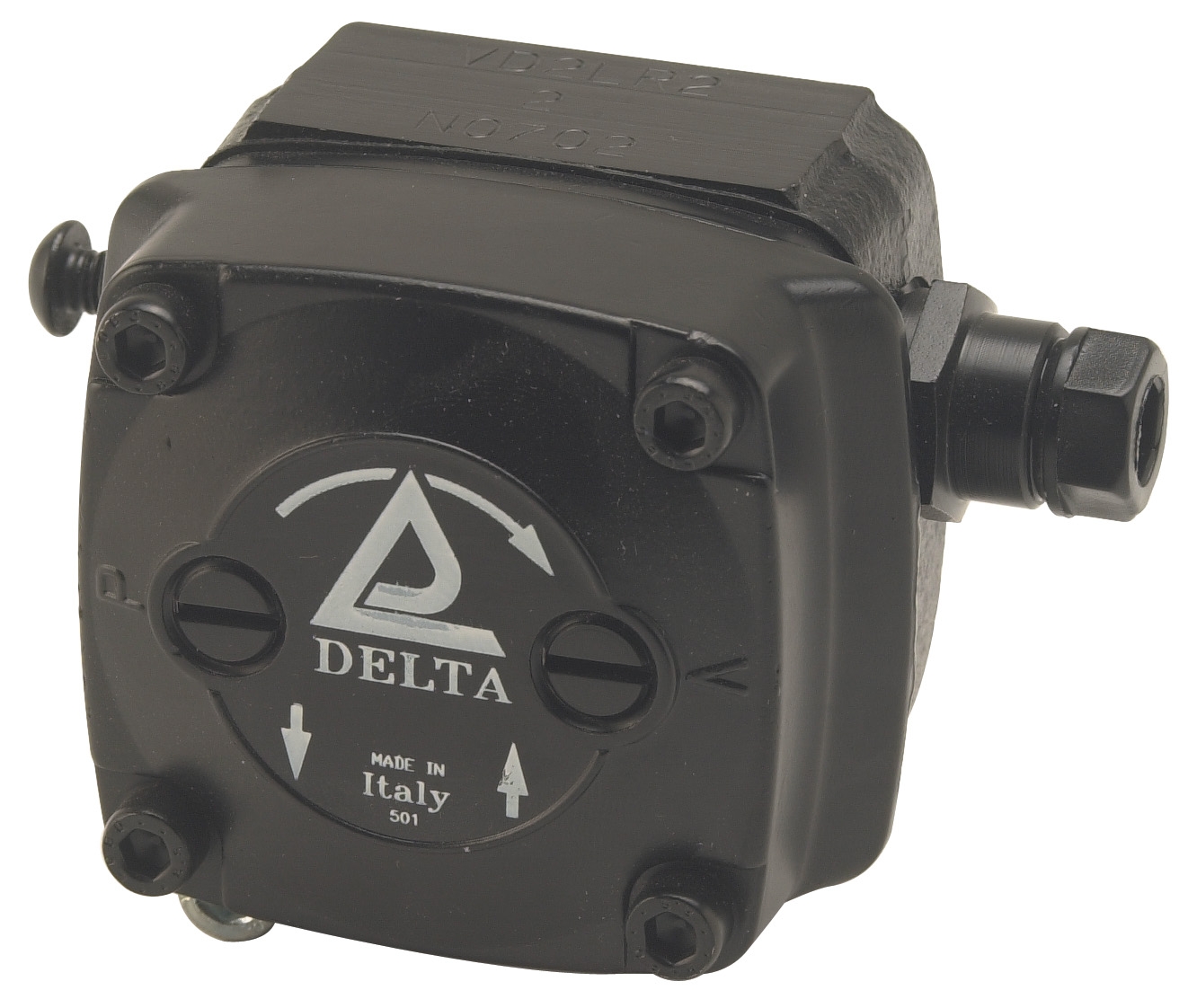
Oil supply and burner fuel systems demand specialized components addressing viscosity, temperature, and pressure stability. The CBM VD2 LR-2.2 low-pressure pump exemplifies engineering designed specifically for oil burner applications. Manufactured to EN 225 international standards, this pump integrates seamlessly with modulating burner controls, pressure regulators, and fuel delivery systems. Key features include high suction capability (supporting one or two-pipe fuel systems), self-priming functionality, and reliable pressure maintenance—essential for consistent burner operation in industrial heating applications throughout Singapore.
[PRODUCT_IMAGE:ALI05012]
High-pressure applications require premium-grade equipment. The Interpump PUMP 5015 R ATEX delivers 15 L/min flow at 500 bar (50 MPa / 7250 psi) with 20 horsepower (14.7 kW) capacity. ATEX certification ensures safe operation in explosive gas atmospheres, critical for Singapore's compliant industrial facilities. At 1450 RPM operational speed, this pump provides stable pressure delivery for high-pressure cleaning, hydraulic systems, and specialized industrial processes requiring precision and safety.
[PRODUCT_IMAGE:W05015EX-000]
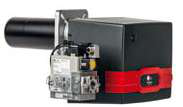
The FBR X GAS XP 60 CE TC EVO burner represents integrated system design where multiple components function cohesively. Specified for 250 mm nozzle diameter with maximum 630 kW and minimum 232 kW output, this burner operates on three-phase electrical supply. Integration with appropriate solenoid valve coils, pressure monitoring equipment, and fuel delivery pumps creates complete combustion systems meeting Singapore's industrial and commercial heating demands.
[PRODUCT_IMAGE:002345_41]
Real-World Industrial Applications in Singapore's Manufacturing and Energy Sectors
Singapore's petrochemical refineries extensively employ high-pressure solenoid valves controlling process gas flow, emergency shutoff systems, and hazardous material containment. A 500 bar Interpump pump system combined with appropriate solenoid valve control enables rapid response to process upsets, protecting equipment and personnel. ATEX-certified components ensure regulatory compliance in classified hazardous areas where explosive gas or vapor concentrations may exist.
Food and beverage processing facilities utilize low-pressure gas valves in cooking equipment, pasteurization systems, and packaging machinery. The CBM 200 mbar solenoid valve coil operates reliably in these environments, responding to programmed control sequences that manage burner ignition, flame modulation, and safety shutoff. Stainless steel valve construction resists corrosive food processing environments and simplifies cleaning requirements.
Commercial heating and hot water systems throughout Singapore employ oil burners equipped with the CBM VD2 LR-2.2 pump and complementary solenoid valve control. These systems heat office buildings, hotels, and industrial facilities, with integrated pressure regulation ensuring stable combustion across varying load conditions. Self-priming capabilities prove essential in tropical climates where high ambient temperatures and humidity affect fuel oil characteristics.
Compressed air systems in electronics manufacturing, pharmaceutical production, and precision machining facilities rely on solenoid-controlled pneumatic valves managing tool operation, process actuation, and safety interlocks. The 24V AC low-pressure solenoid coil design provides inherent safety in cleanroom and controlled environments while supporting rapid valve switching critical for high-speed automated processes.
Selection Criteria and Best Practices for Industrial Applications
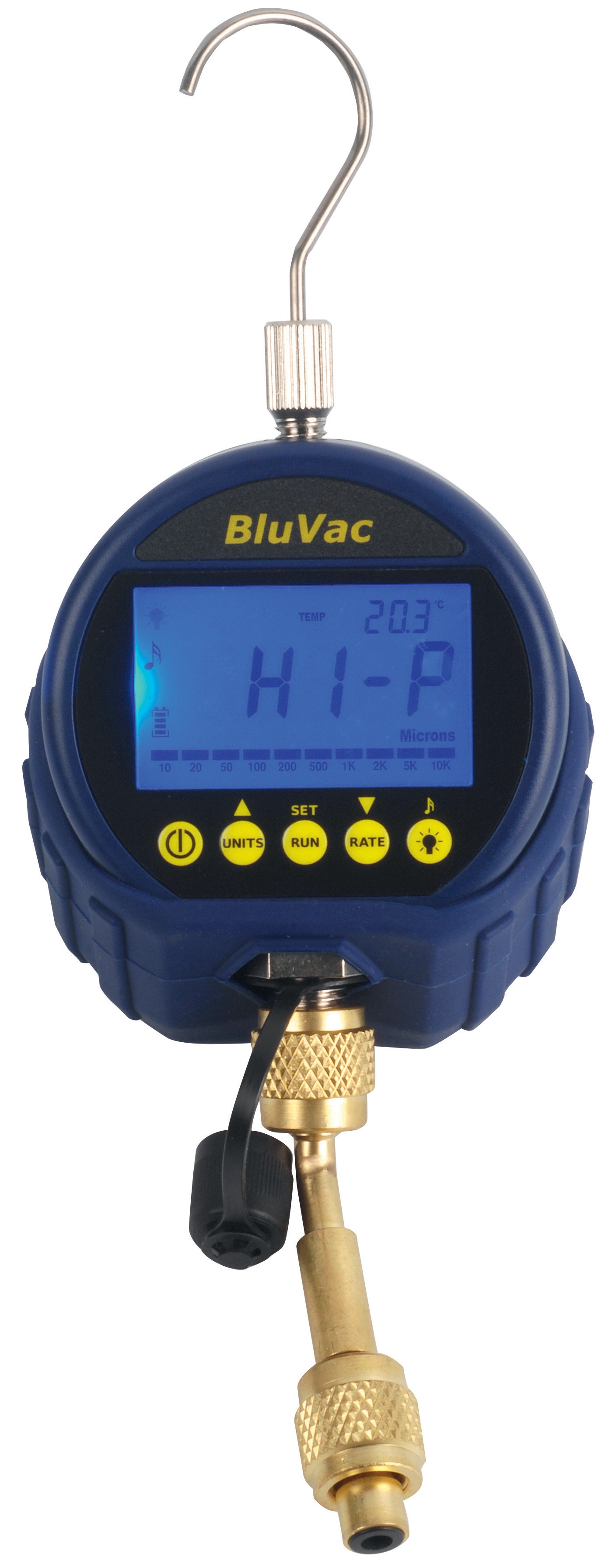
Begin valve selection by documenting system operating pressure, normal flow requirements, and maximum surge pressures. Cross-reference these specifications against manufacturer datasheets to ensure adequate safety margins—typically 75-80% of valve rated pressure represents safe continuous operation. Pressure monitoring equipment, such as the CBM stainless steel manometer measuring 0-400 mbar on D63 gauge, provides essential feedback validating system performance and detecting component degradation.
Fluid medium compatibility demands careful analysis. Solenoid valves designed for compressed air differ fundamentally from those handling mineral oil, synthetic hydraulic fluid, or liquefied gases. Seal materials, internal geometry, and pressure compensation mechanisms vary accordingly. Specify gas valve solutions explicitly matching your fluid medium to prevent seal deterioration, leakage, and system failure.
Electrical supply characteristics significantly impact reliability. 230V AC standard industrial supply suits most applications, while 24V AC provides superior performance in hazardous areas, noisy electrical environments, and safety-critical interlocks. Coil response time—measured from voltage application to plunger movement completion—typically ranges from 50-200 milliseconds. High-speed applications (such as emergency shutdown systems) may require response time specifications below 100 milliseconds.
Environmental factors inherent to Singapore's tropical climate necessitate corrosion-resistant materials. Stainless steel bodies, non-ferrous internal components, and protective coatings extend component lifespan in humid, salt-laden coastal environments. Regular maintenance protocols including visual inspection, electrical continuity testing of coil windings, and functional flow verification ensure sustained system reliability.
Integration with modern automation control systems enables predictive maintenance, remote monitoring, and optimized equipment operation. Solenoid valve coils with standardized electrical connections facilitate retrofit into legacy systems while supporting advanced Industry 4.0 implementations across Singapore's manufacturing base.
Conclusion and Expert Support from 3G Electric Singapore
Effective industrial system operation depends critically on component selection, proper installation, and ongoing maintenance of gas valves and solenoid valve control systems. Understanding technical specifications—pressure ratings, flow capacities, response times, and environmental resilience—enables informed decisions that enhance safety, efficiency, and equipment longevity. Whether managing low-pressure pneumatic applications, high-pressure hydraulic circuits, or integrated burner systems, Singapore industrial professionals benefit from comprehensive technical knowledge and access to quality industrial equipment.
3G Electric has served Singapore's industrial sector since 1990, providing authorized distribution of premium gas valves, solenoid valve coils, pumps, and complementary equipment from respected manufacturers. Our technical team understands Singapore's specific operational demands—tropical climate challenges, regulatory compliance requirements, and diverse industrial applications. We offer product selection guidance, technical documentation, installation support, and maintenance consultation ensuring your industrial systems perform reliably.
Contact 3G Electric today to discuss your specific application requirements, obtain detailed technical specifications, or explore solutions for gas valve control, oil supply systems, or high-pressure equipment integration. Our expertise and extensive inventory ensure rapid access to quality industrial components supporting Singapore's manufacturing, energy, and processing industries.