Pump Selection and Sizing for Industrial Applications in Singapore: A Technical Guide
Selecting the correct pump for industrial applications requires understanding multiple technical parameters beyond simple capacity requirements. For Singapore-based industrial facilities operating in tropical climates with stringent electrical standards, pump selection becomes even more critical. Whether you're managing oil supply systems, pressure-dependent processing operations, or fuel delivery applications, the wrong pump choice can result in system inefficiency, equipment damage, and costly downtime. This guide walks industrial professionals through the essential technical considerations for pump selection, featuring real-world performance data from industry-standard equipment available through 3G Electric's inventory.
Understanding Pump Performance Specifications and Selection Parameters
Industrial pump selection depends on four primary technical parameters: flow rate (measured in litres per minute or US gallons per minute), pressure capacity (in bar or MPa), power consumption (in kilowatts or horsepower), and operational speed (in RPM). These specifications must align with your system's actual requirements rather than theoretical maximums.
Flow rate represents the volume of fluid the pump delivers per unit time. In Singapore's industrial sector, typical applications range from 8 L/min for small-scale hydraulic systems to 15+ L/min for larger fuel delivery and processing applications. Undersizing flow capacity creates system bottlenecks and reduces operational efficiency, while oversizing increases power consumption and operating costs unnecessarily.
Pressure rating indicates the maximum working pressure the pump can sustain safely. This specification directly correlates with the application type: low-pressure oil supply systems operate at 90–150 bar, medium-pressure applications at 200–300 bar, and high-pressure specialist applications at 500+ bar. The Interpump PUMP 5015 R ATEX, for example, operates at 500 bar (50 MPa), making it suitable for high-demand industrial processes requiring precise pressure control and ATEX compliance for potentially hazardous environments.
Power consumption must be evaluated against your facility's electrical infrastructure. Singapore's industrial standard supply is 415V/50Hz three-phase for larger equipment, though some installations use 220V single-phase for smaller systems. The pump's rated power in kilowatts directly affects operating costs and requires adequate motor sizing and electrical distribution capacity. Rotation regime (typically 1450 RPM or 3400 RPM for industrial applications) determines the pump's displacement and efficiency characteristics.
Featured Products and Their Technical Specifications for Industrial Applications
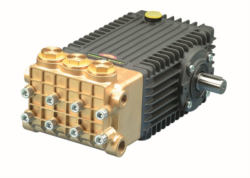
The Interpump PUMP 5015 R ATEX represents a high-specification solution for demanding industrial environments. With a flow capacity of 15 L/min (3.96 US GPM) at 500 bar (50 MPa / 7250 psi), this pump delivers 20 hp (14.7 kW) at 1450 RPM. Its compact footprint—351.5 × 242.5 × 195.5 mm—combined with a 19.5 kg weight makes it suitable for space-constrained installations while maintaining exceptional pressure delivery. The ATEX certification indicates suitability for potentially explosive atmospheres, a critical requirement in certain manufacturing and petrochemical facilities across Singapore.
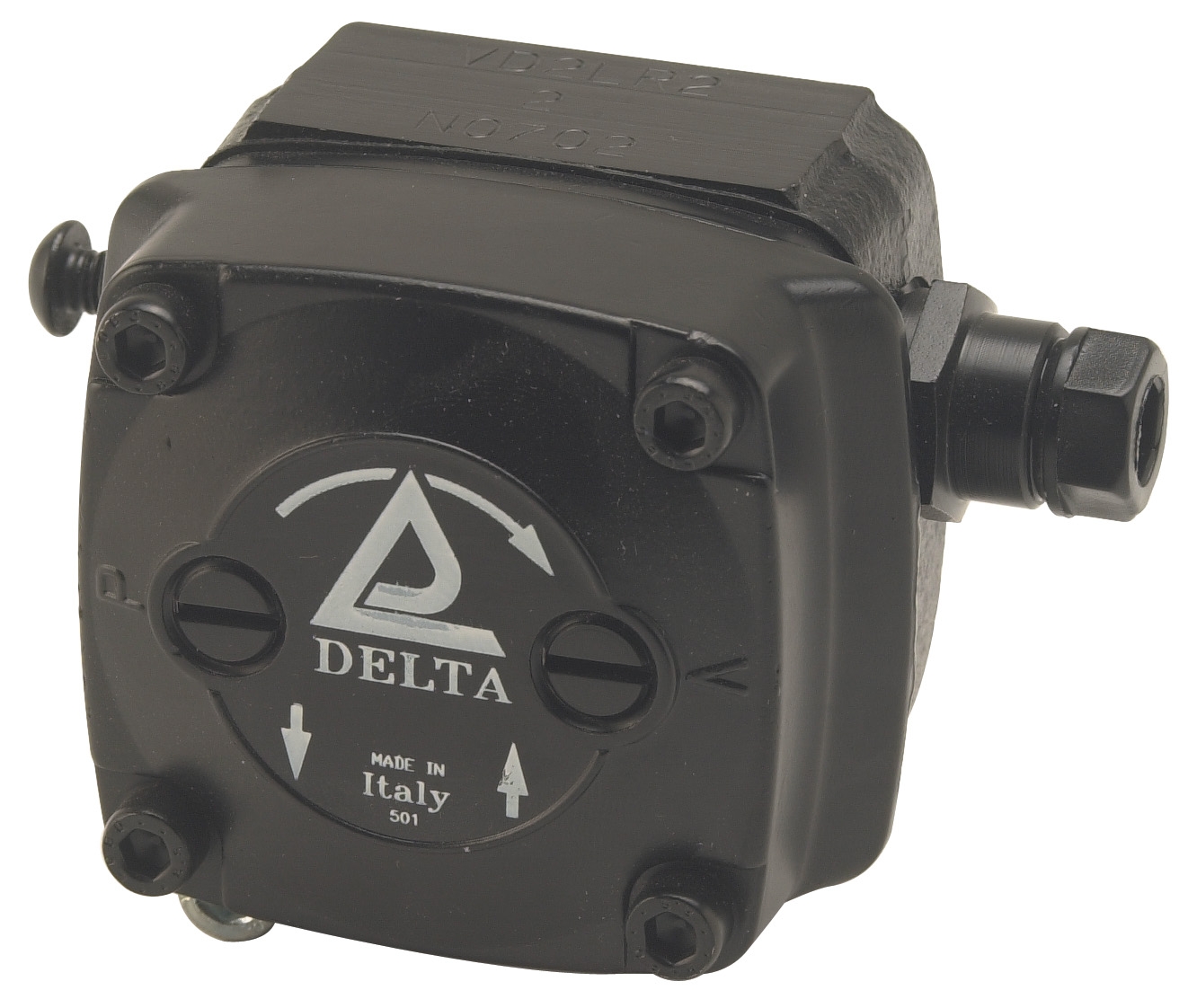
For oil supply and fuel delivery applications, the CBM VD2 LR-2.2 low-pressure pump offers a purpose-built solution compliant with international standards (EN 225). This fuel unit features high suction capability, self-priming functionality, and reliable pressure regulation—essential characteristics for oil burner systems and fuel distribution networks. The pump's compact design and standard mounting flange allow retrofit installation in existing systems without requiring complete reconfiguration. Its low-pressure operating range makes it ideal for two-pipe fuel systems commonly found in Singapore's industrial heating and process applications.
Complementing these primary pumps, solenoid valve coils ensure precise flow control and system protection. The CBM Coil 1930.1814 230V VML operates at 230V AC and handles pipe sizes from 2.5" to 3" at 200 mbar, making it suitable for medium-sized gas and oil control applications. For smaller valve requirements, the CBM Coil 24V AC for ELV7 series provides low-voltage actuation at 24V, reducing electrical load and improving safety in sensitive environments. These coils integrate with solenoid valve systems to provide automated flow control essential in modern industrial operations.
The Interpump TSX 15.150 415/50 MULTIREG99*TOTAL STOP bridges pump and control system requirements, offering 15 L/min flow at 150 bar (15 MPa) with maximum pressure capability to 180 bar. At 44.5 kg, this integrated system combines pressure regulation and flow control in a single unit, reducing component complexity and footprint in confined equipment rooms—a common constraint in Singapore's dense industrial facilities.
Real-World Application Examples in Singapore Industrial Settings
Oil supply systems for industrial heating represent a primary use case for medium-pressure pumps across Singapore's manufacturing sector. A typical installation serving multiple burners requires 90–150 bar delivery with flow rates between 8–15 L/min depending on aggregate heating load. The CBM VD2 LR-2.2 pump excels in this application, providing self-priming capability essential for systems drawing fuel from underground tanks during initial startup and managing pressure regulation automatically as demand varies throughout operational hours.
High-pressure cleaning and surface preparation systems in shipyards, marine facilities, and industrial processing plants demand equipment capable of sustained 500+ bar operation. The Interpump PUMP 5015 R ATEX delivers these requirements while meeting ATEX standards for facilities processing flammable materials—critical compliance in petrochemical distribution hubs and fuel handling operations throughout Singapore's port and industrial zones.
Gas burner control systems, such as those integrated with the FBR X GAS XP 60 CE TC EVO metano burner (_41), require precise valve actuation and pressure monitoring. These systems typically operate at 200–600 mbar with solenoid valve control, demanding low-pressure solenoid coils operating at standard industrial voltages (230V or 24V) for reliable modulation during startup, operation, and shutdown phases. The integration of pressure regulation, solenoid control, and flow measurement creates robust, automated systems reducing operator intervention and improving safety margins.
Selection Criteria and Best Practices for Singapore Industrial Facilities
System Requirement Analysis: Before selecting pump equipment, document three critical parameters: peak flow requirement (in L/min), working pressure (in bar), and system type (continuous vs. intermittent). Add 15–20% safety margin to theoretical calculations to accommodate real-world fluid properties and temperature variations in tropical Singapore climates.
Electrical Infrastructure Compatibility: Verify your facility's electrical supply capacity. Most industrial installations in Singapore support 415V/50Hz three-phase supply; however, older facilities or tenant spaces may offer only 220V single-phase. Select pumps with compatible power ratings to avoid costly electrical distribution upgrades. The CBM solenoid coils available in both 230V and 24V versions provide flexibility for retrofitting existing control systems.
Environmental and Compliance Factors: Singapore's tropical climate demands attention to fluid degradation, thermal management, and material compatibility. Stainless steel components (such as the CBM manometer assemblies) resist corrosion from humidity and salt air exposure common in coastal and marine industrial areas. ATEX-certified equipment becomes mandatory in facilities processing petrochemicals or operating in explosive atmospheres.
Supplier Support and Service Availability: Select equipment from established distributors maintaining local inventory and technical support capacity. Downtime in industrial operations costs significantly; access to spare parts, replacement equipment, and technical guidance directly impacts your operational resilience. 3G Electric maintains comprehensive inventory of gas valves, pump components, and control systems, providing same-day availability for critical failures.
Closing and Call to Action
Pump selection extends far beyond matching horsepower to application requirements. Technical precision in evaluating flow rates, pressure ratings, electrical compatibility, and environmental factors determines system efficiency, reliability, and total cost of ownership. Singapore's demanding industrial environment—combining tropical climate challenges, dense facility spacing, and rigorous safety standards—requires equipment selected by professionals who understand these nuances.
The products featured in this guide represent only a portion of specialized equipment available for industrial applications. Each facility presents unique requirements that demand customized analysis and specification. 3G Electric's team of industrial equipment specialists has served Singapore's manufacturing, processing, and energy sectors since 1990, providing technical consultation, equipment supply, and application support for oil supply systems, gas valve applications, and complete industrial automation solutions.
Contact 3G Electric today for technical consultation on your specific pump selection requirements. Our specialists will analyze your system specifications, recommend equipment matched to your facility's electrical infrastructure and environmental conditions, and ensure seamless integration with existing equipment. Whether you're designing new systems or upgrading legacy installations across Singapore, our expertise and local inventory support your operational success.