How to Set Up and Maintain HVAC Vacuum Pump Systems for Industrial Applications Globally
Vacuum pumps are critical components in HVAC/R (Heating, Ventilation, Air Conditioning, and Refrigeration) system installation and maintenance. These devices remove air and moisture from refrigeration circuits, a process essential for system longevity and efficiency. Maintenance teams and service engineers working across industrial applications must understand the technical requirements, proper setup procedures, and ongoing maintenance protocols to ensure optimal performance. This guide provides data-driven guidance on selecting, installing, operating, and maintaining industrial-grade vacuum pump systems, with specific reference to global best practices and equipment specifications.
Understanding Vacuum Pump Fundamentals in HVAC Systems
A vacuum pump's primary function is to evacuate non-condensable gases and moisture from sealed HVAC systems before refrigerant charging. This evacuation process, known as evacuation or pulling a vacuum, prevents acid formation, ice crystal formation at expansion devices, and system degradation. The effectiveness of a vacuum pump is determined by several key performance indicators: flow rate (measured in liters per minute), ultimate vacuum achievable (measured in microns), and pumping speed at different pressure levels.
For industrial applications globally, vacuum pumps must be capable of reaching deep vacuum levels—typically below 500 microns—within reasonable timeframes. The choice between rotary vane, rotary screw, or reciprocating designs depends on system size, required evacuation speed, and operational environment. Industrial-grade pumps designed for continuous duty in tropical climates or harsh environments require robust construction, reliable oil management systems, and corrosion-resistant components. Understanding these fundamentals allows maintenance teams to select appropriate equipment and troubleshoot evacuation issues effectively, ensuring HVAC systems operate at peak efficiency and maintain design lifespan.
Technical Specifications and Equipment Selection for Vacuum Systems
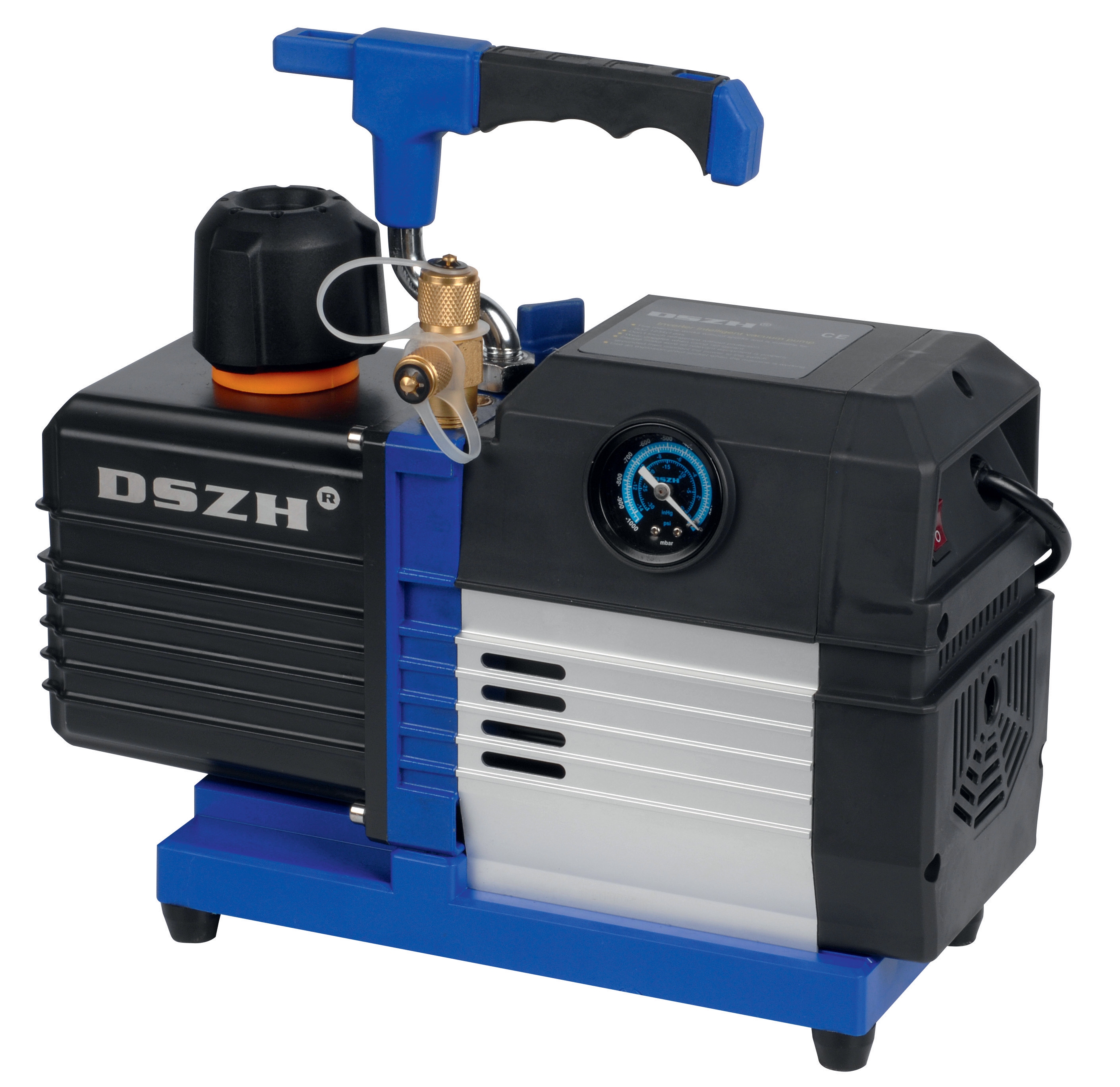
When selecting a vacuum pump for industrial HVAC applications, several critical specifications must align with your system requirements. Flow rate is the most important metric—measured in liters per minute (L/min)—it determines how quickly a system can be evacuated. The CBM Vacuum pump 71 L/MIN delivers a flow rate of 71 liters per minute with inlet ports supporting both 1/4" and 3/8" connections, accommodating various system sizes and configurations. This capacity is suitable for medium to large commercial HVAC installations, industrial refrigeration systems, and multiple sequential evacuations without extended cool-down periods.
The pump's oil capacity of 600 milliliters is engineered to handle extended operational cycles while maintaining proper lubrication and heat dissipation. In tropical industrial environments—particularly in Singapore and similar climates—proper oil management becomes critical. High-quality vacuum pump oil prevents oxidation, maintains viscosity stability, and extends component lifespan. Additional equipment required for a complete vacuum system includes manifold gauges for pressure measurement and system monitoring. The CBM Glycerin stainless steel pressure gauge vertical D50 0/+4bar G1/4 provides accurate pressure reading with glycerin-filled design that dampens pressure fluctuations, ensuring stable gauge readings during dynamic evacuation operations. The stainless steel construction resists corrosion in industrial environments.
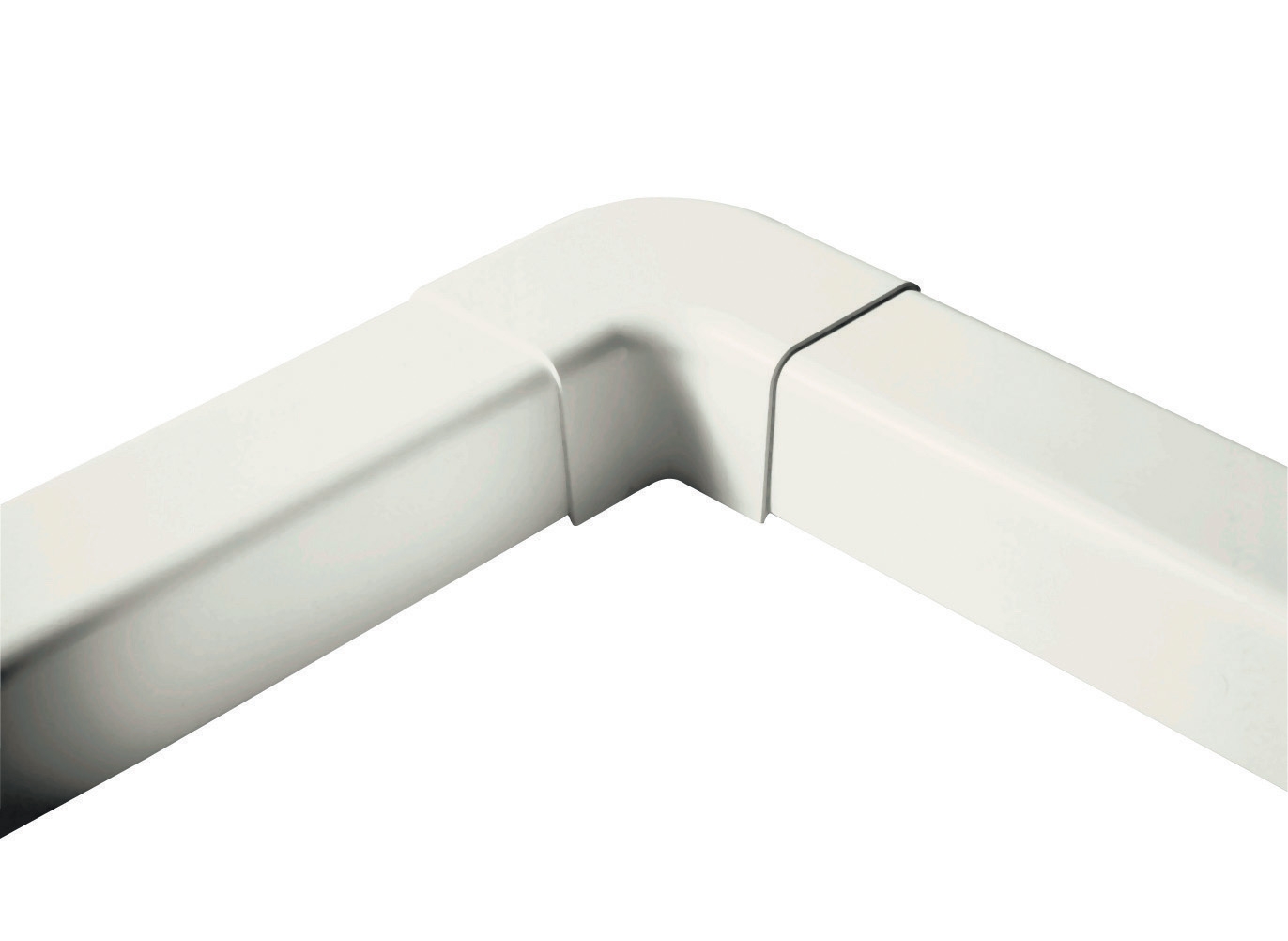
Piping connections require low-profile components to minimize dead space in evacuation lines. The CBM Flat elbow 90° 60mm reduces fitting profile height, allowing closer proximity of gauge connections and reducing the volume of air that must be evacuated—critical for achieving deep vacuum levels efficiently. These technical specifications work together to create a high-performance, reliable vacuum system suitable for demanding industrial HVAC applications.
Step-by-Step Vacuum Pump Setup and Operation Procedure
Step 1: Pre-Operation Inspection
Before each use, inspect the vacuum pump for leaks, damage, and oil level. Check that the pump's inlet and outlet ports are clear and free from debris. Verify all hose connections are secure and undamaged. For the CBM Vacuum pump 71 L/MIN model, confirm oil level is at the maximum mark—low oil reduces cooling efficiency and can cause premature wear.
Step 2: System Connection and Leak Detection
Connect the vacuum pump to the HVAC system via properly rated hoses, starting with the inlet connection to the system's service port. Install your pressure gauges—the CBM stainless steel pressure gauge should be positioned where you can monitor evacuation progress continuously. Before starting the pump, perform a dry-run pressure check to identify any system leaks. Connect the pump without running it; if pressure rises, a system leak exists and must be repaired.
Step 3: Evacuation Procedure
Start the pump and allow it to run continuously. Monitor pressure readings on your gauge. Initial evacuation typically reaches 500 microns within 15-30 minutes depending on system size. Continue evacuation until pressure stabilizes at or below 500 microns. For critical systems, perform a triple evacuation: evacuate to 500 microns, break vacuum with dry nitrogen, then repeat twice more to ensure complete moisture removal.
Step 4: Post-Evacuation Verification
Shut down the pump and observe pressure readings for 5-10 minutes. If pressure holds steady (no rise), the system is properly evacuated. If pressure rises, system leaks or residual moisture remain—repeat evacuation. Always record evacuation start time, end time, final pressure, and ambient conditions in your maintenance log.
Maintenance and Performance Optimization Best Practices
Proper maintenance extends vacuum pump lifespan and ensures consistent performance. Oil changes are essential—change vacuum pump oil after every 8-10 hours of operation, or monthly for units in regular use. Contaminated oil reduces pumping efficiency and introduces moisture into systems. Use only manufacturer-specified vacuum pump oil; incompatible oils can damage seals and reduce performance. Store oil in sealed containers away from moisture and direct sunlight.
For troubleshooting evacuation problems, use diagnostic tools like the CBM Automatic multimeter MM420 to verify electrical connections and motor function. If your pump runs but evacuation is slow, likely causes include: contaminated oil requiring immediate change, blocked inlet requiring filter cleaning, or a micro-leak in system connections. Always verify system integrity with soap-bubble testing before assuming pump malfunction. In high-temperature industrial environments, allow the pump to cool for 15-20 minutes between consecutive evacuations to prevent oil degradation and thermal stress.
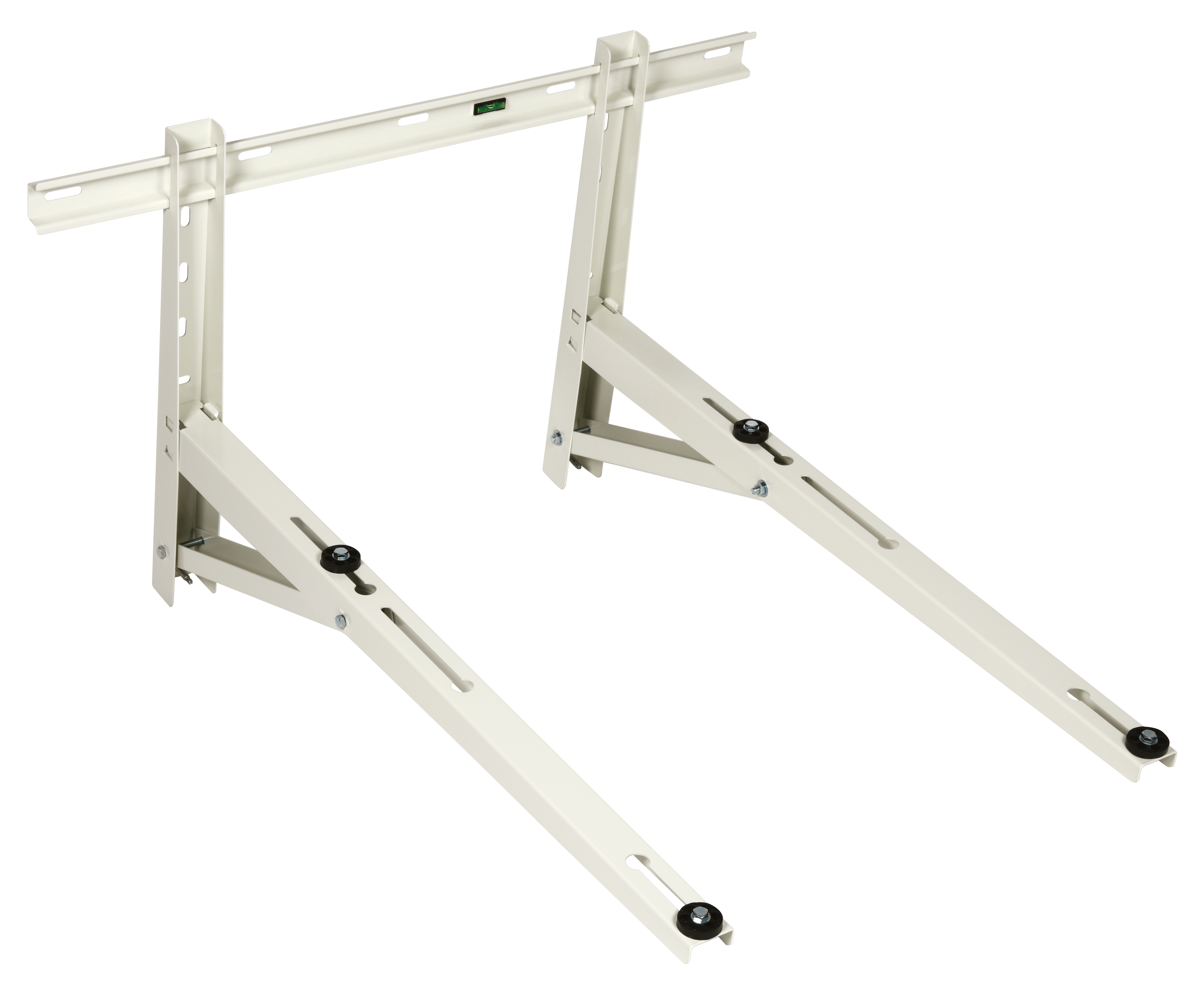
For equipment mounting in service bays or permanent installations, securely fasten the pump using appropriate wall-mounted supports. The CBM Wall bracket 1000 provides robust mounting with 200 kg load capacity, accommodating vacuum pumps with associated manifolds and gauges. Ensure proper ventilation around the pump exhaust outlet—vacuum pumps exhaust heated, oil-saturated air that should not recirculate into service areas or contaminate clean equipment.
Global Industrial Environment Considerations
Industrial HVAC applications vary significantly across different geographic regions and climate zones. In tropical environments like Singapore and similar regions, high ambient humidity and temperature extremes demand robust equipment and accelerated maintenance schedules. Humidity increases moisture contamination risk in evacuated systems, making rigorous evacuation procedures non-negotiable. Similarly, high ambient temperatures stress pump cooling systems—ensure adequate ventilation and consider extending cool-down periods between operations.
Across industrial sectors globally—including manufacturing facilities, data centers, pharmaceutical production, and food processing—vacuum pump systems must operate reliably in demanding conditions. Equipment specifications must account for local electrical standards, available compressed air quality, and water service characteristics. Maintenance team training on local climate impacts, available replacement parts, and regional technical support ensures uninterrupted operations. Building relationships with qualified industrial equipment distributors who understand your geographic market and climate challenges is essential for consistent system performance and rapid support during emergencies.
Quality Measurement and Diagnostic Tools
Accurate vacuum measurement is fundamental to successful HVAC system commissioning. While analog gauges provide visual feedback, digital measurement tools offer greater precision and enable documented records. For electrical diagnostics on pump motor circuits and control systems, the CBM Automatic multimeter MM420 delivers reliable measurements across AC/DC voltage, current, and resistance ranges. This compact, battery-powered tool is essential for troubleshooting electrical issues in field conditions.
Maintain calibration records for all measurement equipment. Pressure gauges should be verified annually against certified standards; temperature sensors and multimeters should be field-checked against known references quarterly. Documented measurement integrity protects system warranty claims and provides evidence of proper commissioning procedures for facility audits or compliance verification.
Conclusion and Next Steps
Proper vacuum pump setup and maintenance are fundamental to HVAC system reliability and longevity. By understanding core technical specifications, following structured evacuation procedures, and implementing consistent maintenance protocols, maintenance teams can achieve optimal results across diverse industrial applications worldwide. Equipment selection should prioritize flow rate, oil capacity, connection compatibility, and operational environment suitability.
Whether you're commissioning new HVAC systems, maintaining existing equipment, or troubleshooting evacuation challenges, having the right tools—including high-capacity vacuum pumps, accurate pressure gauges, and diagnostic instruments—ensures professional results. Explore our complete range of HVAC tools and equipment or review precision measurement instruments for your specific application requirements.
For technical guidance on selecting the right vacuum pump system for your industrial applications, pressure measurement solutions, or mounting hardware for equipment installations, contact 3G Electric's technical team. Our specialists understand industrial equipment requirements across global markets and can recommend solutions tailored to your facility's climate, system specifications, and operational demands. Browse our industrial pump inventory to find equipment matching your technical specifications.