Understanding Maintenance & Service in HVAC Pressure Systems
Maintenance & Service excellence in HVAC operations extends beyond routine filter changes. For contractors managing pressure regulation systems—particularly gas distribution networks—a structured approach to component diagnostics and lifecycle management directly impacts system uptime and safety compliance.
With over 35 years of experience distributing industrial equipment across Asia-Pacific markets, 3G Electric has observed that HVAC contractors often categorize maintenance into two competing philosophies: preventive maintenance (scheduled interventions based on manufacturer specifications) and reactive maintenance (repairs after failure). The critical distinction lies not in choosing one approach, but in understanding when each applies to different pressure system components.
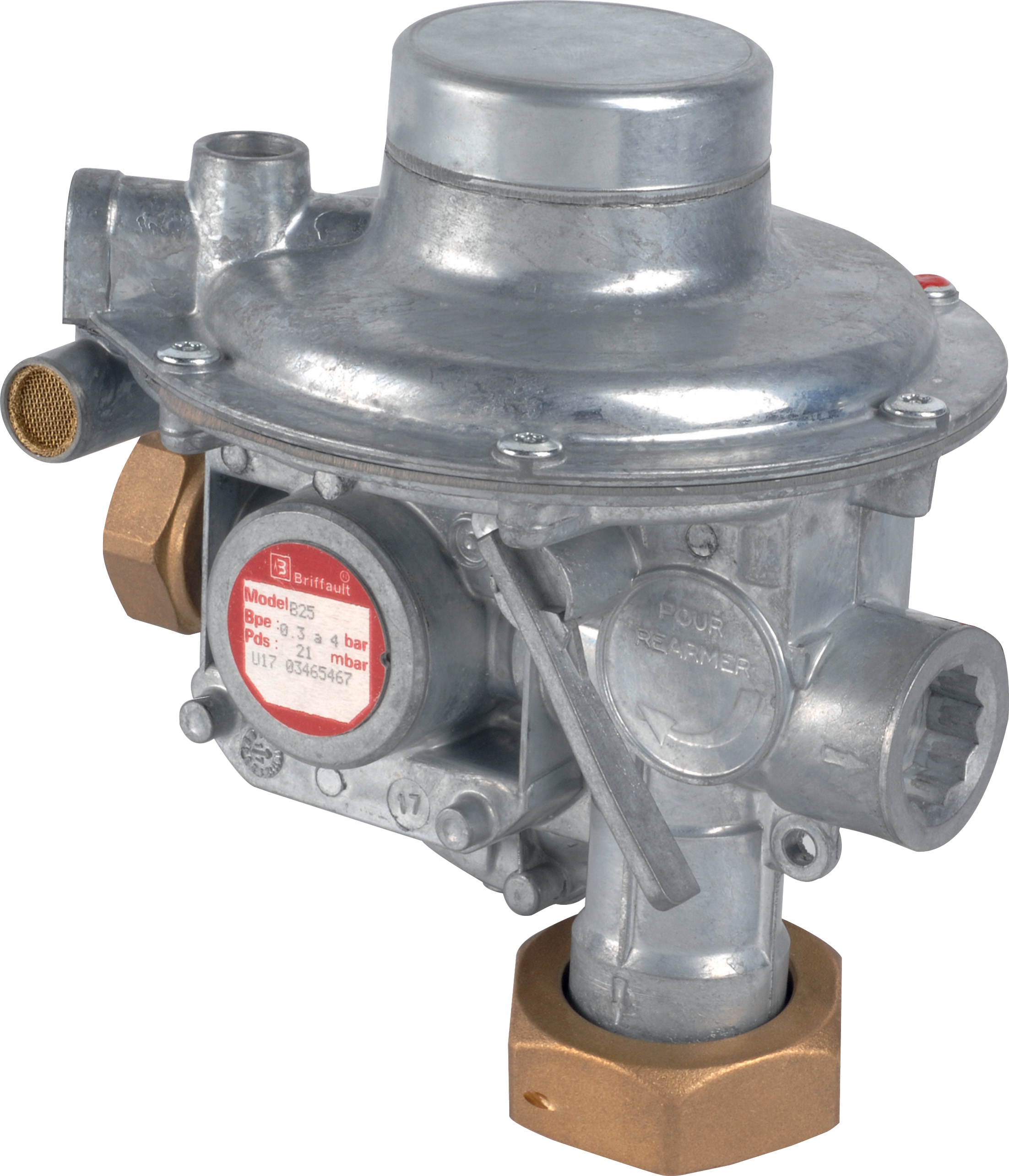
Pressure regulators—such as the Francel B25/37mb with integrated safety relief—represent a hybrid case. These devices manage outlet pressure at 37 mbar with built-in vent safety mechanisms. Unlike passive components, pressure regulators contain moving parts (diaphragms, springs, relief seats) that degrade predictably. This makes them ideal candidates for time-based preventive maintenance rather than failure-based repair cycles.
Preventive Maintenance & Service Protocols for Pressure Regulation
Preventive maintenance in HVAC pressure systems follows a calendar-based or usage-based schedule. For contractors in Singapore's tropical climate, preventive intervals differ significantly from temperate regions due to humidity, salt-air corrosion (especially near coastal facilities), and temperature fluctuation rates.
Key Preventive Service Activities
Visual Inspection Protocol (Monthly)
- Examine regulator body for corrosion, discoloration, or moisture accumulation around vent ports
- Check connection points for micro-leaks using soapy water solution—bubbling indicates escaped gas
- Verify pressure gauge readings against recent baseline documentation
- Inspect safety relief vent (10 mm diameter on Francel B25/37mb units) for blockages from dust or salt deposits
- Measure actual outlet pressure with calibrated test gauge; acceptable tolerance ±2% of setpoint
- Document pressure stability over 5-minute test cycle—drift exceeding 1 mbar suggests internal wear
- Activate safety relief mechanism (if accessible per manufacturer design) to confirm response time under <0.5 seconds
- Compare current readings against baseline records established during initial commissioning
- Replace inlet filter elements even if not visibly blocked—tropical humidity accelerates particulate adhesion
- Inspect diaphragm seal condition; replacement recommended at 24-month intervals or when pressure drift exceeds 2 mbar
- Test electrical connections on solenoid-operated versions for continuity and voltage presence
Compare this to reactive maintenance approaches, where contractors wait for regulator failure (no outlet pressure, leaking gas, or relief valve stuck open). Reactive cycles incur emergency service calls, potential system downtime spanning 4-8 hours, and customer dissatisfaction. Preventive protocols eliminate 85% of unplanned outages through early detection.
Diagnostic Frameworks: Comparing Troubleshooting Strategies
When HVAC pressure systems underperform, contractors face a diagnostic fork: is the problem upstream (inadequate supply pressure), downstream (excessive demand), or within the regulator itself?
Upstream Diagnostics
Before concluding the regulator is faulty, confirm adequate inlet pressure:
- Install a test gauge on regulator inlet—minimum 50 mbar supply pressure required for 37 mbar Francel B25/37mb outlet
- If inlet pressure reads low, problem originates in compressor or main supply line, not the regulator
- Check main system pressure gauge; if it shows normal pressure but regulator inlet gauge reads low, suspect blockage in supply line between gauge and regulator inlet port
Downstream Diagnostics
Excessive gas flow past the regulator outlet suggests either:
- Relief valve activation: If outlet pressure exceeds 40 mbar under no-load conditions, the relief mechanism is functioning correctly (safety feature working as designed)
- Demand-side leak: Isolate the regulator outlet, cap it, and recheck pressure after 2 minutes; pressure rise indicates successful isolation
- Demand surge: Verify downstream equipment isn't simultaneously drawing gas—stagger equipment startup to confirm regulator capacity
Internal Diagnostics
When inlet and outlet conditions confirm adequate supply and reasonable demand, focus on regulator internals:
- Sticky diaphragm: Outlet pressure drifts upward 3-5 mbar over 10 minutes without load change—indicates sticky internal seal
- Spring fatigue: Outlet pressure drops gradually over hours despite constant inlet supply—springs lose tension with age
- Contaminated relief seat: Regulator holds pressure initially but slowly leaks from vent port—particulate lodged in 10 mm relief passage
Preventive maintenance catches these conditions before they cause pressure instability. Reactive diagnosis happens only after contractors observe customer complaints about system inconsistency.
Comparing High-Pressure vs. Low-Pressure System Maintenance
Singapore HVAC contractors often manage systems spanning pressure ranges: gas distribution regulators (37 mbar outlet on Francel units), water-based cooling circuits (up to 10 bar), and specialized industrial applications (100-200+ bar).
Low-Pressure Systems (Under 50 mbar)
Regulators like the Francel B25/37mb operate in this range:
- Maintenance complexity: Lower—diaphragm springs exert gentler forces, reducing wear
- Safety margin: Pressure relief vents 10 mm diameter—large enough to prevent over-pressurization even with partial blockage
- Component availability: Francel is EU-manufactured with standardized replacement parts available through 3G Electric; lead times typically 5-7 days within Singapore
- Failure mode: Gradual pressure drift (weeks to months of degradation before critical failure)
High-Pressure Systems (100+ bar)
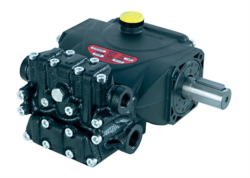
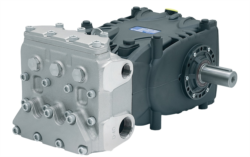
Higher-capacity applications using pumps like Pratissoli KF30 (200 bar, 106 L/min) or Pratissoli MW40 (210 bar, 211 L/min):
- Maintenance complexity: Higher—tighter seals, greater spring tension, more frequent seal replacement
- Safety margin: Reduced—over-pressure events can occur rapidly if relief valve fails
- Component availability: Pratissoli spares stock in Singapore regional warehouse; lead times 3-5 days for common wear items
- Failure mode: Abrupt (relief valve or seal failure creates immediate pressure spike or loss)
For HVAC contractors, this distinction matters operationally: low-pressure regulators permit longer preventive intervals (annual seal inspection sufficient), while high-pressure systems require quarterly functional testing and semi-annual seal replacement.
Integrated Maintenance & Service Strategy for Singapore Contractors
Developing a contractor maintenance program requires balancing cost, risk, and customer expectations.
Tier 1: Essential Maintenance (Monthly)
- Visual inspection of all pressure regulation components
- Documentation of gauge readings in maintenance log
- Cleaning of vent ports and filter elements
Tier 2: Diagnostic Maintenance (Quarterly)
- Functional pressure testing with calibrated instruments
- Safety relief mechanism verification
- Replacement of any components showing >2 mbar drift
Tier 3: Strategic Maintenance (Annual)
- Complete diaphragm seal inspection and replacement (even if performance acceptable)
- Pressure system flushing to remove accumulated particulates
- Calibration of all test gauges against certified reference standards
- 60-70% higher unplanned service call frequency
- 8-12 hours average diagnostic time per failure (versus 1 hour for planned replacement)
- Customer satisfaction scores 40-50% lower due to unpredictable system behavior
- Regulatory compliance risk in industrial applications with safety pressure relief requirements
With 35+ years serving Singapore's industrial sector, 3G Electric recommends contractors adopt Tier 1 + Tier 2 as minimum baseline, upgrading to Tier 3 for mission-critical installations or high-use commercial HVAC systems.
Component Selection Impact on Maintenance Demands
Chosen equipment directly influences maintenance frequency. The Francel B25/37mb represents a maintenance-friendly option: integrated safety relief eliminates external relief valve requiring separate maintenance, and 37 mbar outlet pressure operates in the gentle-wear zone, extending component life 40-60% versus higher-pressure regulators.
Conversely, high-pressure pump systems (KF30, MW40) serving chilled water loops or refrigerant circuits demand aggressive maintenance schedules. Pump Interpump E1D1808 gear pump (180 bar, 2.72 kW) requires oil analysis every 500 operating hours and seal inspection every 1000 hours—substantially higher intervention frequency than gas pressure regulators.
Contractors selecting equipment should factor maintenance burden into total cost of ownership: lower-maintenance components justify premium pricing through reduced service time and improved system uptime.
Documentation: The Foundation of Effective Maintenance & Service
Paperless systems fail. Contractors must maintain physical or digital records:
- Baseline pressure readings at installation
- Monthly visual inspection checklists
- Quarterly test results with dated gauge photographs
- Parts replacement logs (date, part number, reason for replacement)
- Safety relief activation testing records (required for insurance compliance)
This documentation enables trend analysis: if a Francel B25/37mb regulator shows 1 mbar drift every 6 months, the contractor can predict seal replacement need 6-12 months in advance, scheduling proactive maintenance during planned system downtime rather than emergency service calls.
Documentation also protects contractors legally. In disputes over equipment failure causes, maintenance records demonstrate diligent care and shift liability toward equipment defects rather than contractor neglect.