High-Pressure Pumps in Singapore: Industrial Pump Comparison Guide for HVAC & Condensate Applications
Industrial facilities across Singapore rely on specialized pumping systems to maintain operational efficiency, particularly in HVAC and condensate management applications. Selecting the appropriate high-pressure pump involves evaluating multiple technical parameters—flow rate capacity, head pressure ratings, material compatibility, and installation flexibility. This comprehensive comparison examines the range of industrial pump solutions available through 3G Electric, with detailed technical specifications to guide your equipment procurement decisions.
Understanding High-Pressure Pump Classifications and Performance Parameters
High-pressure pumping systems are categorized by their operational capacity and primary application. In industrial settings, particularly within HVAC systems common to Singapore's climate-controlled facilities, condensate water pumps serve a critical function: removing accumulated condensation from air conditioning units to prevent water damage and system failure.
The performance of any industrial pump is defined by three primary metrics: flow rate (measured in liters per hour), head pressure (vertical lift capability), and power consumption (measured in watts or kilowatts). Flow rate determines how much liquid the pump can move per unit time—essential for sizing applications. Head pressure indicates the maximum vertical distance the pump can lift liquid against gravity, critical when condensate must be pumped multiple floors or against system resistance. Power consumption affects operational costs and electrical infrastructure requirements.
Industrial pump selection also requires consideration of duty cycle (continuous vs. intermittent operation), liquid composition (pure water vs. chemically treated condensate), and installation constraints (space availability, orientation requirements, connection standards). Singapore's high-humidity tropical climate places substantial demand on HVAC condensate systems, making proper pump sizing and maintenance essential to prevent costly downtime in commercial buildings, data centers, and manufacturing facilities.
Adaptation rings and connection kits represent another critical category of industrial pump infrastructure. These components ensure compatibility between pumps and existing piping systems, mechanical fixtures, and equipment mounts. Proper adaptation solutions prevent leaks, vibration transmission, and installation delays—factors that directly impact total cost of ownership.
Technical Specifications: Comparing CBM Condensate and Adaptation Pump Systems
The CBM product line offers multiple condensate pump models engineered for different industrial scales and pressure requirements. Understanding the technical differentiation between models enables precise equipment matching to facility demands.
The CBM Condensate Pump GO 10 represents an entry-level solution with a maximum flow rate of 16 liters per hour and rated for standard head pressures typical of low-rise building applications. This model utilizes an ID 5/8'' connection standard, common in many existing Singapore commercial HVAC installations. Its compact form factor and electrical efficiency make it suitable for retrofit projects where space constraints limit equipment footprint.
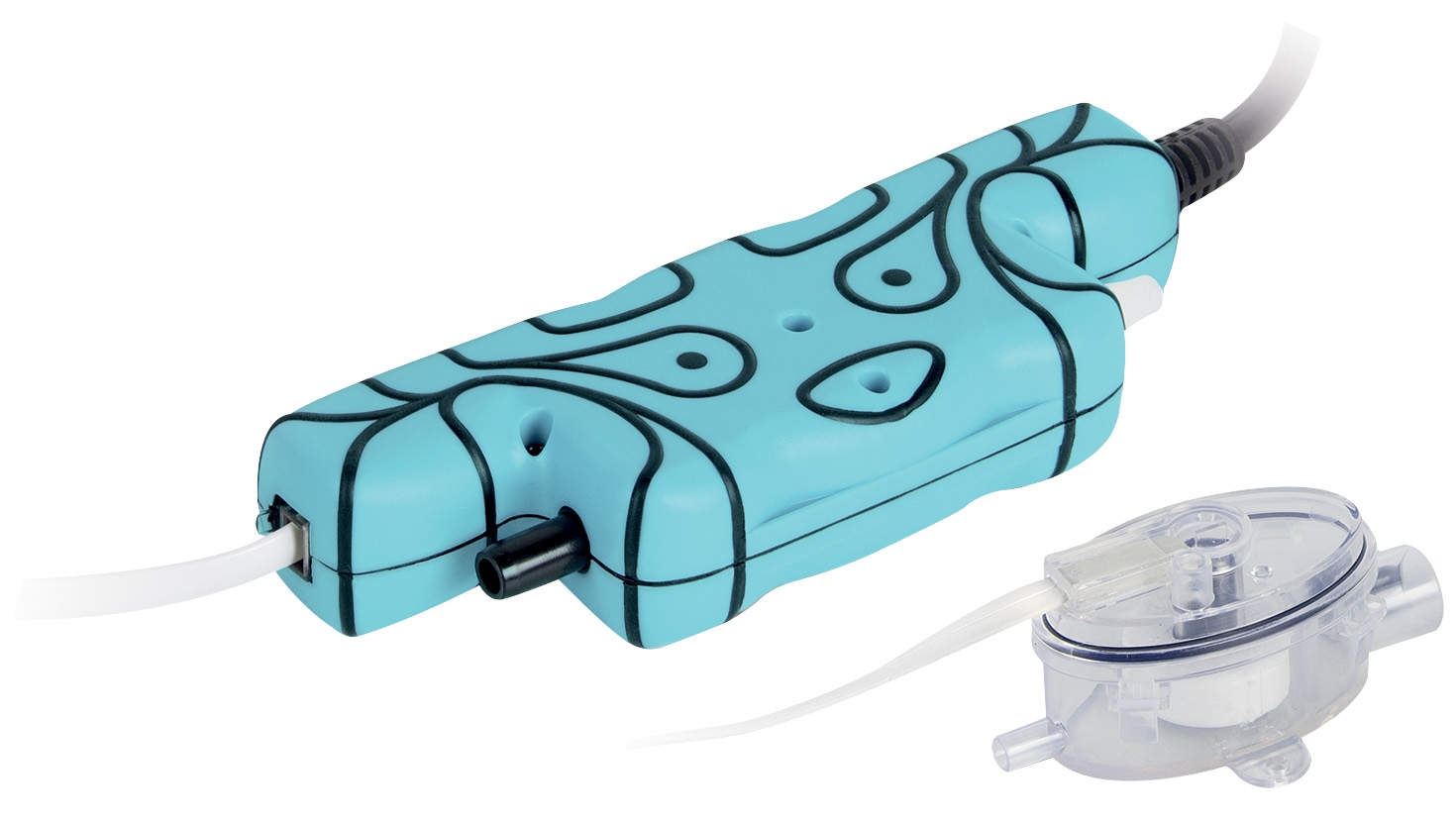
For mid-range applications, the CBM Condensate Pump TATTOO 10 and CBM Condensate Pump FREEZY offer enhanced performance characteristics. The TATTOO series includes three capacity variants (TATTOO 5, TATTOO 10, and TATTOO 16), allowing selection based on precise flow requirements. These pumps feature flexible installation orientation—they can be mounted either left or right beneath air conditioning units, accommodating diverse facility layouts common in Singapore's dense urban environment.
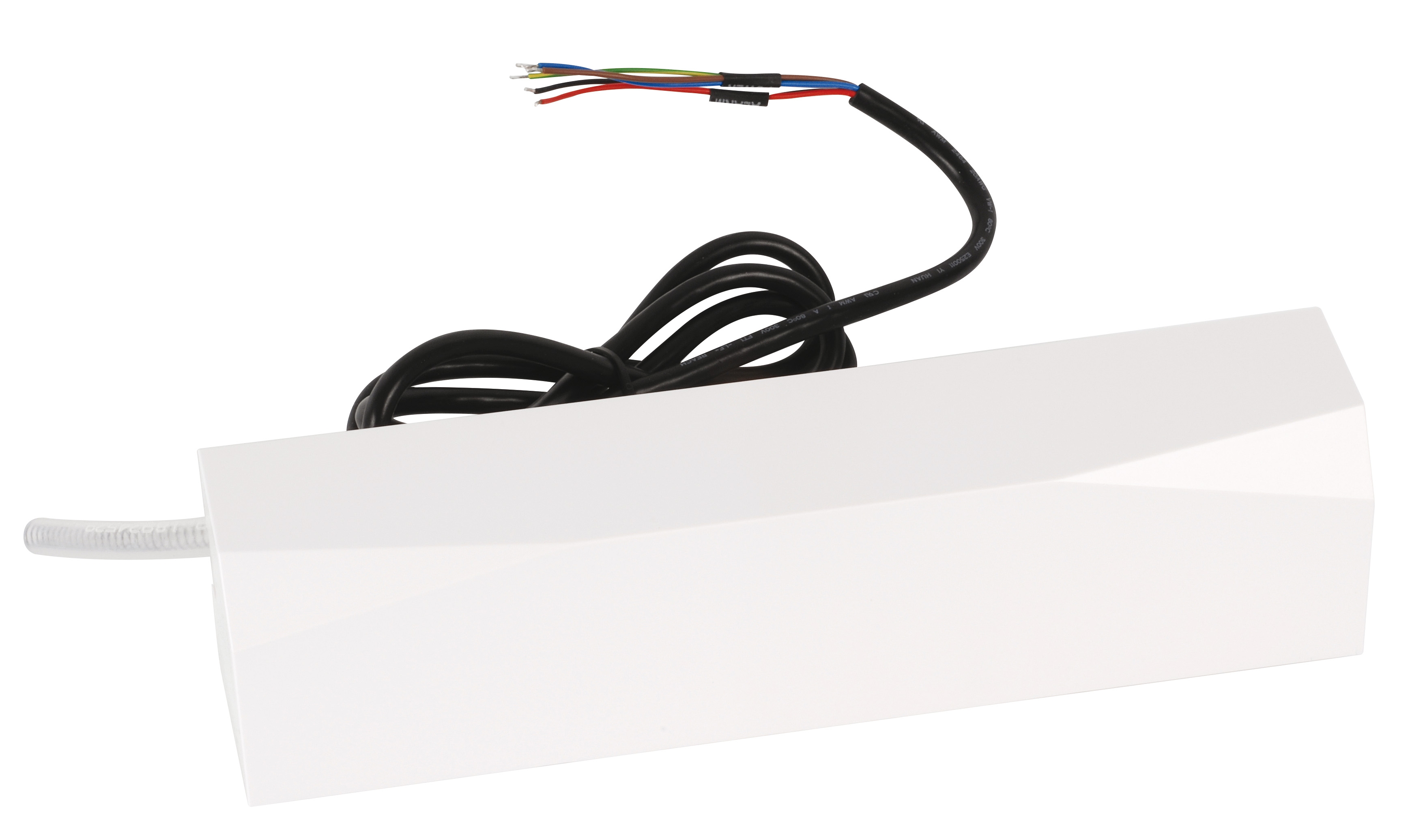
The CBM Condensate Pump FW 45 delivers higher capacity performance, with maximum flow rates reaching 45 liters per hour and sustained performance across elevated head pressures (0-16 meters). This model suits larger building complexes, industrial cooling systems, and applications requiring continuous operation without capacity degradation.
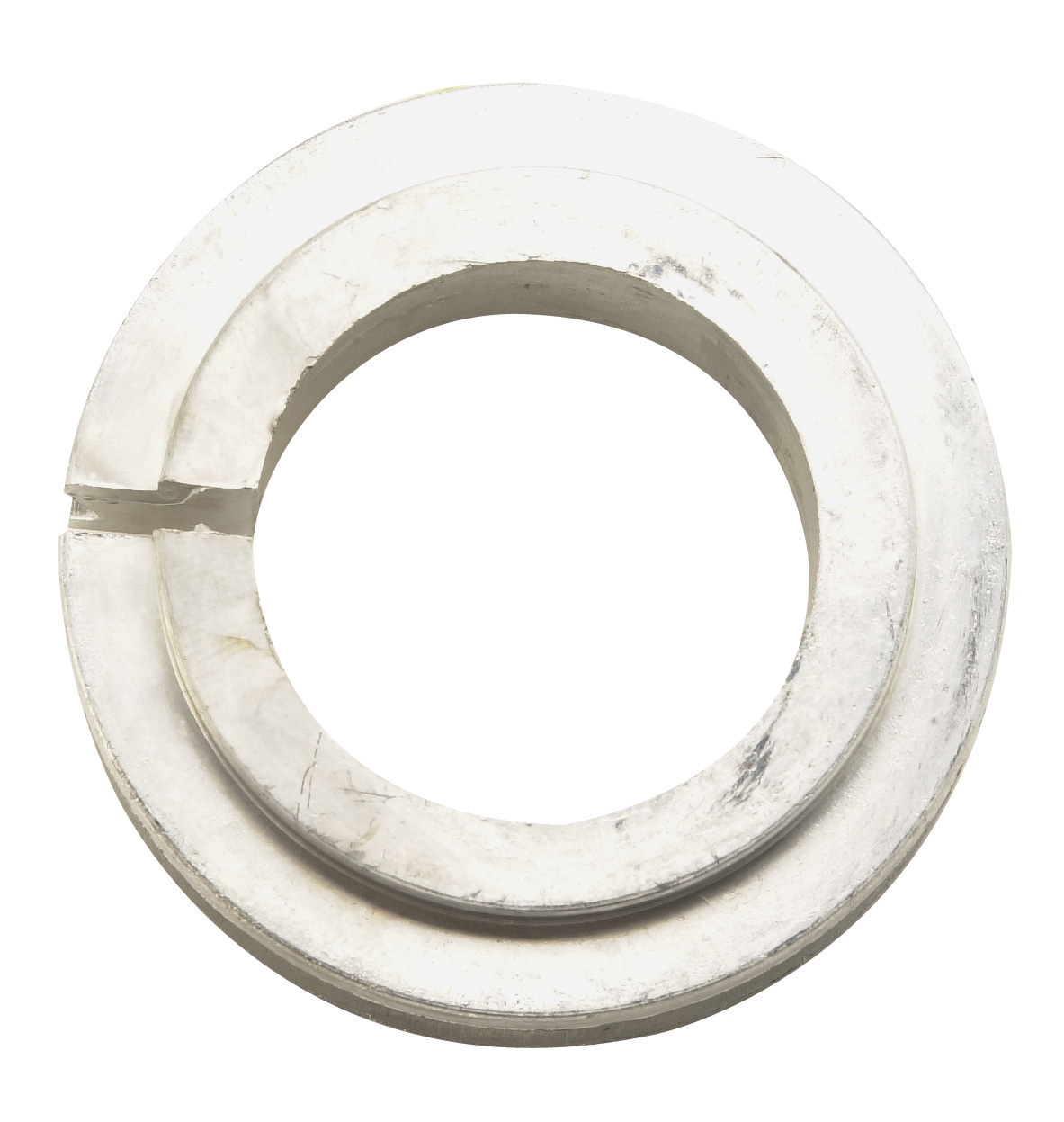
Supporting these primary pump units, the CBM adaptation kit line ensures seamless integration with existing infrastructure. The CBM Adaptation Kit D.17-D.22, CBM Adaptation Kit D.20-D.32, and CBM Adaptation Kit D.17-D.20 with Gaskets standardize connections between differing pipe diameters. Gasket inclusion ensures leak-free operation under sustained pressure conditions. The CBM Adaptation Ring 32/54 provides mechanical coupling between non-standard connection points, essential when retrofitting equipment into legacy HVAC systems. The CBM Non-Return Valve D.6mm prevents reverse flow—a critical safety component in condensate applications where backflow could damage pump internals.
Real-World Application Examples in Singapore Industrial Settings
Singapore's commercial real estate sector presents diverse condensate management challenges. High-rise office complexes with rooftop HVAC systems require pumps capable of sustained high-head operation. A 35-story commercial tower in the Central Business District might deploy the FW 45 system across multiple zones, with adaptation kits ensuring compatibility between legacy piping (installed during initial construction) and modern pump units during equipment replacement cycles.
Data centers and server farms throughout Singapore require redundant condensate management. These facilities often operate HVAC systems 24/7 at maximum capacity, demanding pumps with proven reliability and minimal maintenance. The CBM FREEZY and TATTOO series serve these applications effectively, with flexible mounting enabling installation in constrained server room environments.
Manufacturing facilities processing temperature-sensitive materials—pharmaceuticals, semiconductors, precision electronics—depend on precise climate control. Condensate accumulation represents a contamination risk and corrosion vector. Installing properly-sized CBM pump systems with integrated non-return valves prevents backflow contamination, protecting both HVAC equipment and product quality. Facilities in the Jurong Industrial Estate and Changi Business Park frequently specify these systems during capital equipment planning.
Hospital and laboratory environments in Singapore have stringent requirements for condensate handling due to potential microbial growth and chemical contamination risks. The flexibility of CBM adaptation kits allows installation of appropriately-sized pumps even when original equipment specifications are unavailable or when system upgrades are necessary during facility renovations.
Technical Comparison Table: CBM Pump Models by Capacity and Application
| Pump Model | Max Flow Rate (l/h) | Max Head Pressure (m) | Recommended Application Scale | Installation Flexibility |
|---|---|---|---|---|
| GO 10 | 16 | 9 | Small buildings, single units | Fixed mounting |
| TATTOO 5 | 8-10 | 5 | Compact units, low-capacity zones | Left/right mounting |
| TATTOO 10 | 12-14 | 6-7 | Medium commercial systems | Left/right mounting |
| FREEZY | 14-16 | 7-8 | Large building zones | Left/right mounting |
| FW 45 | 45 | 16 | Large facilities, high-rise buildings | Fixed mounting |
| TEP 8l/h (7.5kW) | 8 | Heavy-duty applications | Industrial/continuous duty | Integrated installation |
Selection Methodology: Begin by calculating your facility's condensate generation rate based on HVAC system capacity and ambient humidity. Measure the vertical distance from the lowest condensate collection point to the discharge location. Match this head pressure requirement to pump specifications, then add 20% safety margin. Verify connection compatibility using provided adaptation kits. For Singapore facilities with legacy equipment, consult technical documentation or contact our sales team to confirm adaptation ring specifications before procurement.
Adaptation Solutions and System Integration Considerations
Modern industrial pump procurement extends beyond the primary pump unit. Adaptation infrastructure determines installation success and long-term reliability. The CBM adaptation kit line addresses the reality of diverse equipment standards across Singapore's aging commercial real estate base.
When replacing failed pump units in existing installations, matching original connection specifications prevents costly retrofitting. However, facility modernization often presents opportunities to upgrade to superior capacity models using appropriate adaptation components. For example, upgrading from a GO 10 to a TATTOO 10 system might require the D.17-D.20 adaptation kit if original piping specifications differ from the new unit's connection diameter.
The integrated gasket approach within CBM adaptation kits ensures pressure-rated sealing at connection points. Standard compression fittings without proper gasketry frequently develop micro-leaks under sustained operation, creating maintenance costs and potential water damage to facility infrastructure—a critical consideration in Singapore's dense urban environment where water intrusion affects adjacent properties.
Closing Recommendations and Next Steps
Selecting appropriate industrial pumps and compressors requires balancing technical specifications against facility constraints and operational demands. The CBM condensate and adaptation pump systems distributed through 3G Electric provide proven solutions spanning low-capacity retrofit applications through large-scale industrial operations across Singapore.
For detailed specification matching, facility load calculations, or technical clarification regarding connection standards and adaptation requirements, contact the technical sales team at 3G Electric. Our engineers can review your HVAC system documentation, assess head pressure requirements, and recommend optimal pump configurations with appropriate adaptation solutions. With three decades of industrial equipment distribution experience throughout Singapore, 3G Electric delivers not just products but application expertise—ensuring your condensate management systems operate reliably while minimizing total cost of ownership. Reach out today for a complimentary system assessment and equipment recommendation.