Understanding Gas Valve & Regulation Systems in Southeast Asian Environments
Gas valves and regulation equipment operate under demanding conditions across Southeast Asia's industrial facilities. High humidity, tropical temperatures, and salt-laden coastal air create corrosion risks that differ significantly from temperate climates. Drawing on 35+ years of experience as a global industrial equipment distributor, 3G Electric understands these regional challenges and helps procurement engineers select and maintain systems that perform reliably despite environmental stressors.
Gas regulation systems maintain precise pressure control across laboratory, manufacturing, and industrial applications. In Southeast Asia, where ambient temperatures frequently exceed 35°C and humidity levels reach 80-95%, standard valve components can degrade faster than manufacturers' typical specifications predict. Procurement engineers must account for these environmental factors during system design, component selection, and maintenance planning.
Diagnosing Common Performance Issues in Tropical Climates
Humidity-Related Valve Degradation
Southeast Asian facilities experience persistent moisture exposure that accelerates internal corrosion in gas regulation equipment. Moisture ingress occurs through vent ports, connection points, and relief valve channels. Early warning signs include:
- Inconsistent outlet pressure readings that fluctuate 5-15% from set points
- Sluggish pressure response during load changes
- Audible hissing or chattering sounds from relief valves
- Visible corrosion on external brass or steel components
- Relief valve that "sticks" in the open or closed position
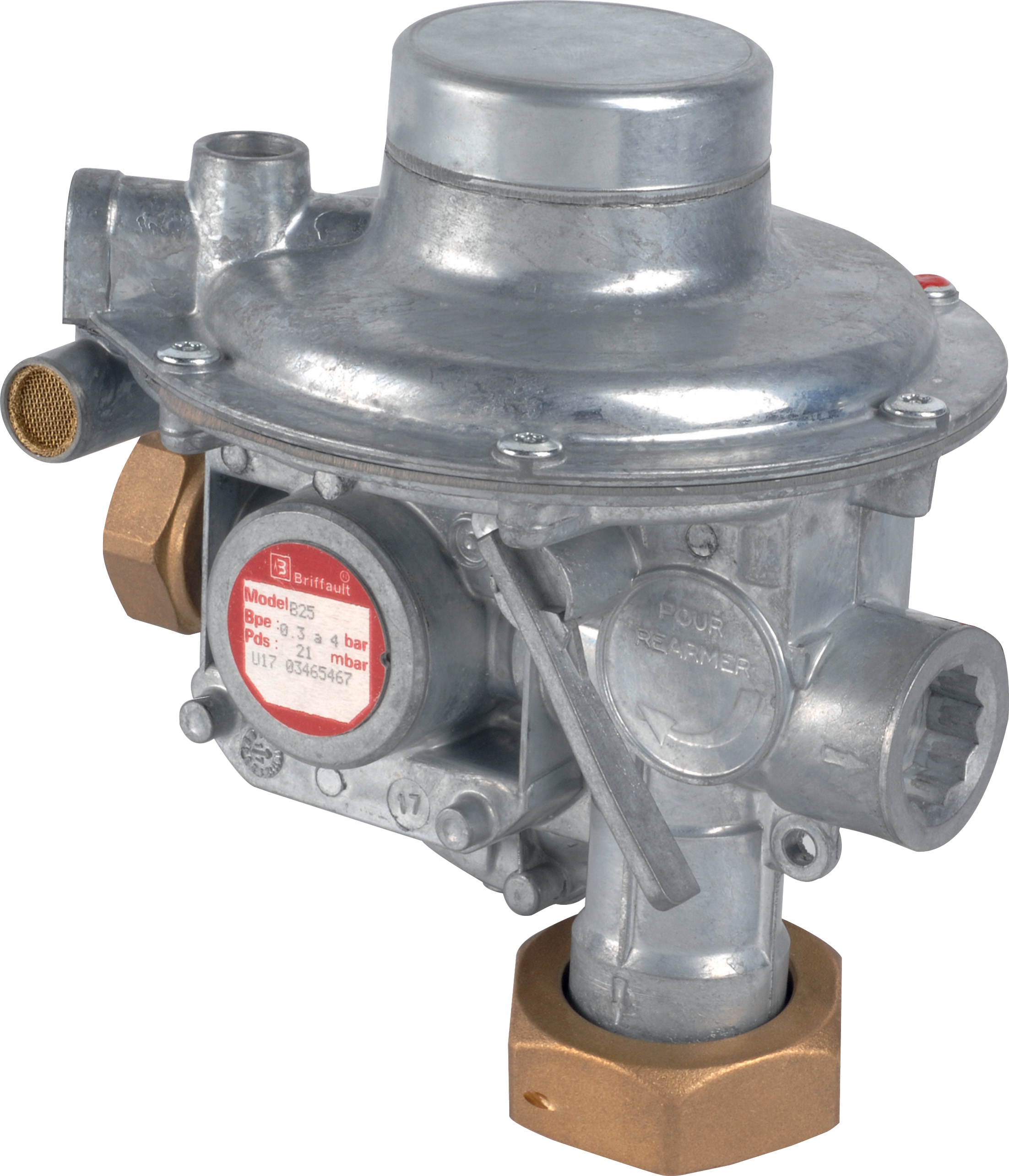
To diagnose moisture intrusion, procurement engineers should implement a preventive humidity monitoring protocol. Install moisture traps on system inlet lines and establish monthly visual inspections of relief valve vent ports. The Francel B25/37mb pressure regulator with integrated safety relief features a 10 mm vent design that requires regular inspection in humid environments—ensure the vent port remains clear of salt residue and moisture deposits.
Pressure Creep and Regulation Drift
Tropical heat causes gas expansion within enclosed regulation circuits, leading to pressure creep—gradual, uncontrolled pressure rise that can destabilize downstream processes. This occurs when:
- Ambient temperature increases from 25°C to 35°C overnight
- Inlet pressure remains constant, but outlet pressure rises without manual adjustment
- Temperature compensation mechanisms in older regulators fail to respond
Procurement engineers should verify that installed regulators include temperature-compensated designs rated for Southeast Asia's temperature range (15-40°C minimum). The Francel B25/37mb delivers consistent 37 mbar outlet pressure across ambient temperature variations, reducing pressure drift in laboratory and industrial gas distribution systems. Establish quarterly recalibration intervals in high-humidity zones, compared to semi-annual schedules in temperate regions.
Connector Corrosion and Leak Development
Coastal facilities throughout Southeast Asia experience accelerated corrosion at compression fittings and connection points. Salt spray deposits create galvanic corrosion at dissimilar metal interfaces (brass fittings on steel manifolds, for example). Diagnosis indicators include:
- Visible green or white oxide deposits around connection points
- Slow gas leaks detectable by soap bubble testing but not audible
- Increased leak-down rates during system shutdown periods
- Difficulty removing or tightening fittings due to corrosion bonding
Implement a quarterly inspection schedule specifically targeting connector points. Use compressed air to remove salt residue, then apply a thin protective coating (marine-grade light oil) to external brass surfaces. Replace corroded compression fittings immediately—corrosion-induced leaks develop rapidly once initiated and contaminate sensitive gas streams.
Performance Optimization Strategies for Regional Operations
System Design Modifications for High-Humidity Environments
Procurement engineers designing new gas regulation systems or retrofitting existing installations should incorporate regional environmental factors:
1. Moisture Management
Install water traps and desiccant filters upstream of all pressure regulators. Position moisture traps at system low points where condensation collects. Establish monthly trap inspection and quarterly desiccant cartridge replacement schedules. This investment prevents downstream contamination and extends regulator service life by 40-60% in coastal zones.
2. Temperature Stabilization
Mountain facilities with thermal swings or outdoor installations should include thermal insulant wrapping around regulator bodies. This stabilizes internal temperatures and reduces pressure fluctuations caused by solar heating or rapid temperature changes. For critical laboratory applications requiring ±1% pressure stability, implement insulated enclosures with passive thermal management.
3. Materials Specification
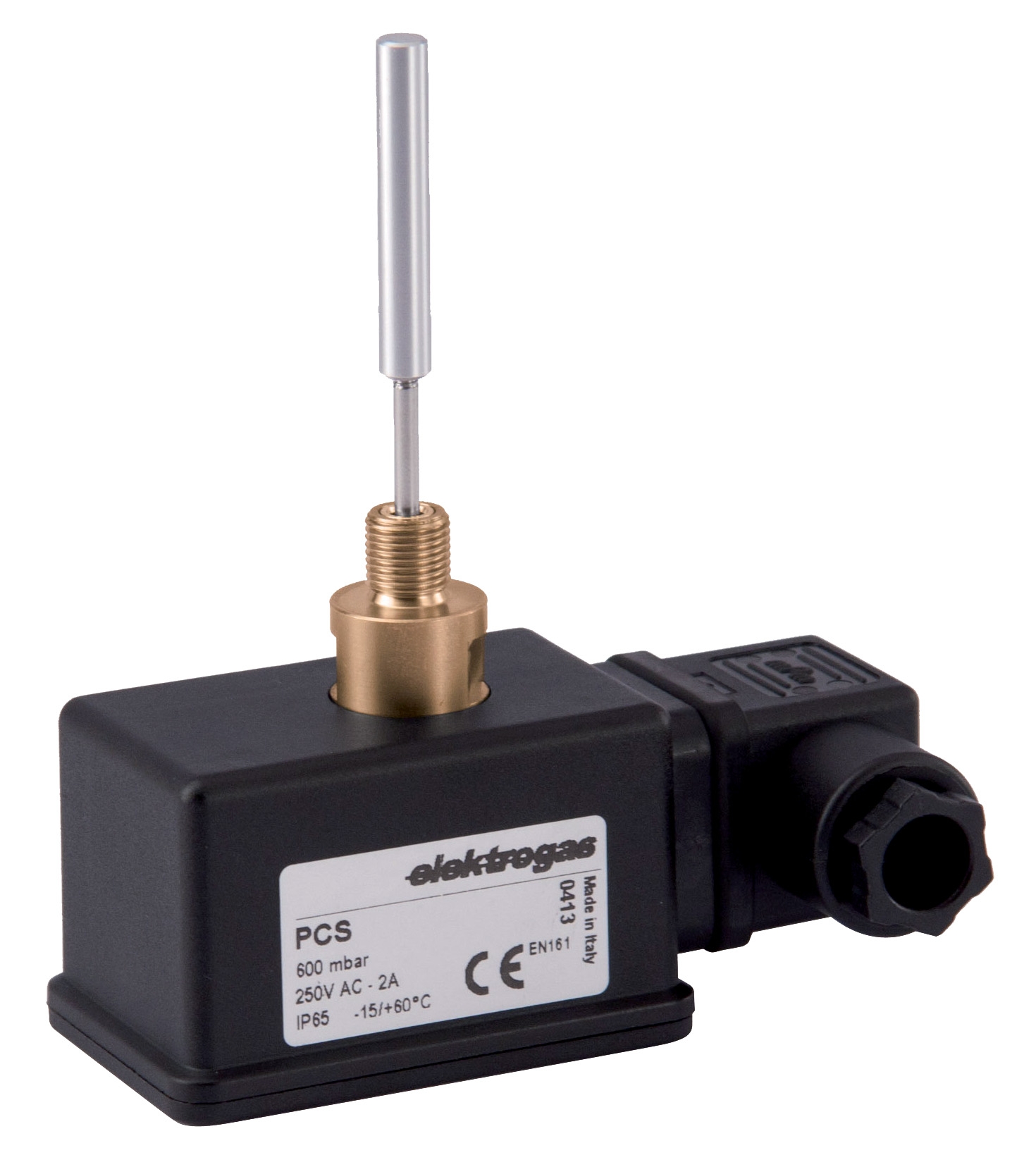
When procuring replacement components or new systems, specify stainless steel external surfaces and hard-anodized aluminum bodies rather than standard brass or painted steel. The Elektrogas VMM 20-25 end-of-stroke contact valve rated for 6 bar is designed to EN 161 standard with corrosion-resistant construction suitable for demanding environments. Verify material certifications with suppliers before purchase.
Establishing Regional Maintenance Protocols
Southeast Asian facilities require more aggressive maintenance schedules than manufacturers typically recommend. Implement these regional adjustments:
- Monthly: Visual inspection of all visible components, vent port clearing, moisture trap level checks
- Quarterly: Full system pressure testing, connector tightness verification, desiccant cartridge replacement
- Semi-annually: Complete regulator calibration verification, internal component inspection (where accessible), safety relief valve functional testing
- Annually: Professional recalibration by certified technicians, materials assessment for corrosion progression, system efficiency audit
Document all maintenance activities in a digitized log system linked to equipment serial numbers. This enables predictive maintenance—identifying patterns in pressure drift or relief valve response times before failures occur.
Pressure Control Optimization
Many Southeast Asian industrial facilities operate gas regulation systems at conservative pressure setpoints to avoid relief valve operation. However, operating below optimal setpoints increases consumption and reduces system efficiency. Procurement engineers should:
1. Verify actual downstream pressure requirements through operational testing
2. Adjust regulator setpoints to match process demands (not equipment ratings)
3. Implement secondary regulators for applications requiring multiple pressure levels
4. Use the Francel B25/37mb integrated safety relief to eliminate separate relief valve components, reducing connection points and leak sources
Optimized pressure setpoints typically reduce gas consumption 8-15% while improving process stability and reducing thermal stress on system components.
Compliance and Safety Considerations for Southeast Asian Operations
Regional Standards and Certification Requirements
Gas valve and regulation systems across Southeast Asia must comply with varying national standards:
- Singapore: PGU (Petro Gas Union) standards and local building code requirements
- Malaysia: Standards Malaysia (MS) specifications for industrial gas equipment
- Thailand: Thai Industrial Standards (TIS) for pressure equipment
- Indonesia: SNI (Standar Nasional Indonesia) requirements
Procurement engineers must verify that selected equipment meets both international standards (ISO, EN) and local regulatory requirements. The Elektrogas VMM 20-25 carries EN 161 certification, which provides baseline safety compliance across most Southeast Asian jurisdictions, but verify local equivalency with regulatory authorities before installation.
Safety Relief Valve Verification
Integrated safety relief valves like those in the Francel B25/37mb require periodic verification to ensure relief setpoints remain accurate. In tropical facilities, annual testing is recommended rather than the typical 24-month interval. Testing procedures include:
1. Connect pressure gauge to relief vent port
2. Gradually increase inlet pressure while monitoring outlet pressure
3. Record the pressure at which relief valve begins venting (cracking pressure)
4. Verify cracking pressure matches equipment nameplate specification (±5% tolerance acceptable)
5. Document results in maintenance records
If relief valve cracking pressure exceeds specifications, schedule professional recalibration. Do not attempt field adjustment without proper training and equipment.
Practical Implementation for Procurement Teams
When evaluating gas valve and regulation products for Southeast Asian facilities, procurement engineers should request:
- Material specifications confirming corrosion-resistant construction
- Temperature-compensation data for 15-40°C range
- Humidity tolerance certifications
- Regional compliance documentation for target countries
- Extended service interval recommendations for tropical climates
- Local technical support availability and spare parts accessibility
With 35+ years of experience serving industrial facilities across diverse climates, 3G Electric understands that one-size-fits-all approaches fail in Southeast Asia's challenging environments. Successful gas regulation system deployment requires regional expertise, proactive maintenance, and component selection tailored to local conditions.
Procurement engineers managing industrial gas systems can optimize reliability and reduce total cost of ownership by building Southeast Asian environmental factors into design specifications, maintenance planning, and supplier selection criteria from project inception.