Gas Valves & Regulation: Understanding Your Options
Gas Valves & Regulation systems are critical infrastructure in Singapore's industrial sector, where corrosion, humidity, and strict safety standards demand equipment that performs consistently. Whether you operate food processing plants, chemical facilities, or power generation systems, choosing between different valve technologies directly impacts operational efficiency, maintenance costs, and safety compliance.
At 3G Electric, we've spent 35 years supplying industrial equipment across Asia-Pacific, helping plant managers navigate the complexities of gas control systems. This guide compares three major valve categories—pressure regulators, safety relief systems, and end-of-stroke controls—so you can select equipment that matches your facility's specific needs.
Pressure Regulators: Laboratory-Grade vs. Industrial-Scale Solutions
Pressure regulators serve as the backbone of gas distribution systems, maintaining consistent outlet pressure regardless of upstream fluctuations. In Singapore's context, where many plants operate 24/7 production cycles, regulator reliability directly affects product quality and downtime risk.
Laboratory and Precision Applications
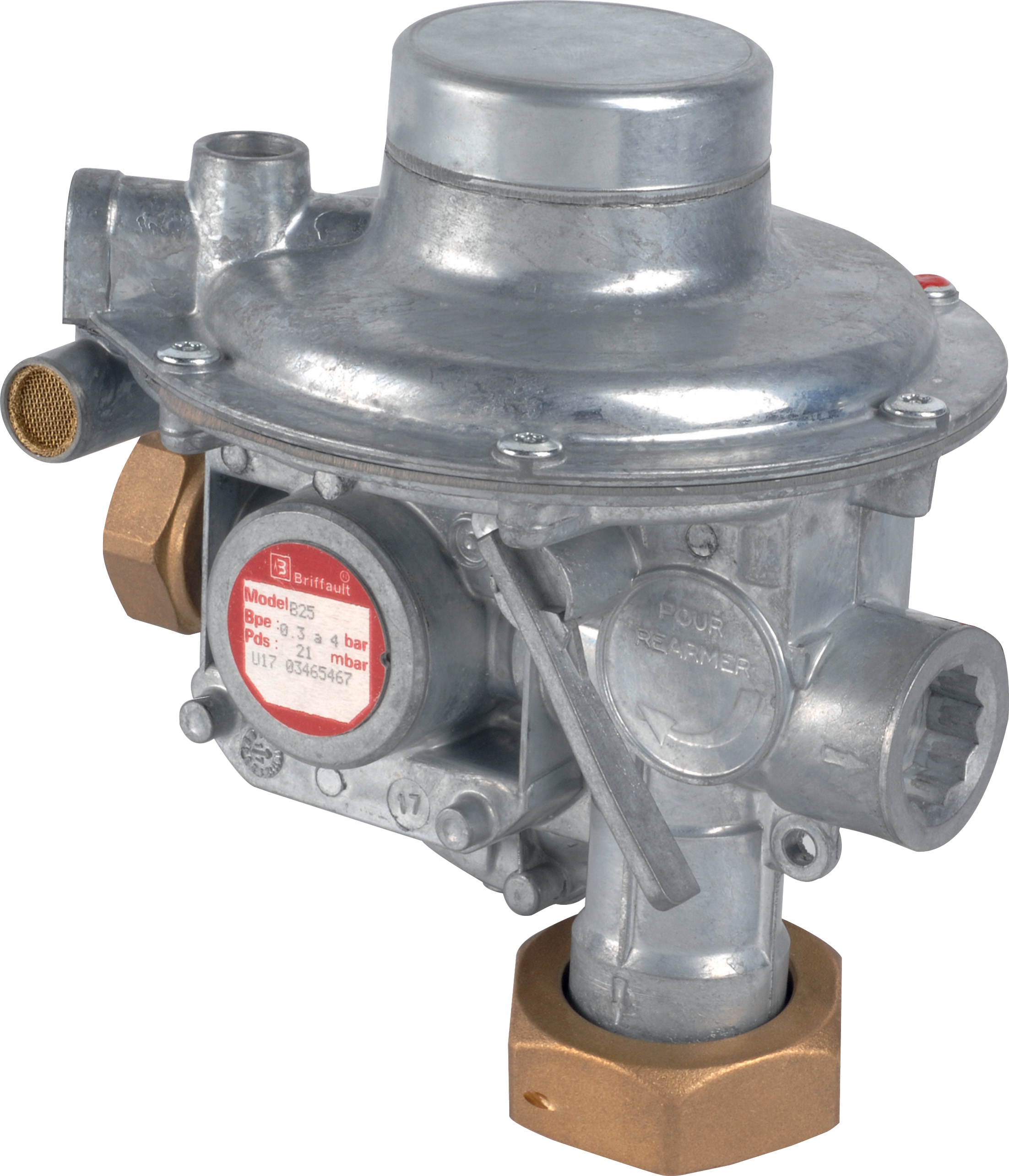
For facilities requiring tight pressure control in lower-flow applications, precision regulators like the Francel B25/37mb deliver 37 mbar outlet pressure with integrated safety relief. These units excel in:
- Gas analysis systems requiring stable pressure feeds
- Pilot gas circuits that demand precise inlet conditions
- Research and QA operations with sensitivity to pressure variation
- Laboratory-scale burner systems in pilot plants
The integrated safety relief (10 mm vent) eliminates the need for external backup protection, reducing component count and potential leak points. This design is particularly valuable in Singapore's humid environment, where every connection represents a corrosion risk.
Industrial-Scale Regulation
Larger plants with high-volume gas consumption benefit from robust industrial regulators that prioritize flow capacity over precision. Key differences include:
- Larger diaphragm areas enabling higher flow rates
- Heavier spring tension for pressure settings above 50 mbar
- Cartridge-style designs allowing field replacement without full system shutdown
- Multiple outlet configurations for manifold integration
When comparing options, plant managers should assess whether existing infrastructure requires precision (±2 mbar) or can tolerate wider tolerance (±5-10 mbar). This distinction affects both capital cost and ongoing maintenance frequency.
Safety Relief Valves: Comparing Protection Mechanisms
Safety relief valves protect equipment and personnel from overpressure conditions. Singapore's stringent WorkSafetyCompanion and stoichiometric controls require documented protection for every pressurized circuit.
Direct-Acting Relief Valves
These open directly when inlet pressure exceeds the cracking pressure, offering:
- Simple operation with minimal moving parts
- Fast response to sudden pressure spikes (typical response: <100 ms)
- No external power requirement
- Lower initial cost
Limitations include pressure drift over time (±5-10%) and sensitivity to backpressure, which can cause instability in certain piping configurations.
Pilot-Operated Relief Valves
Using a small pilot valve to control the main spool, these systems provide:
- Superior pressure accuracy (±2-3% versus ±5-10%)
- Lower cracking pressure relative to system capacity
- Stable operation across varying backpressure conditions
- Longer service intervals due to reduced seat stress
The trade-off is increased complexity and the need for clean pilot supply gas. In Singapore's maritime environment, salt-laden air can degrade pilot surfaces if the gas supply isn't properly filtered.
Integrated vs. Stand-Alone Relief
Regulators like the Francel B25/37mb integrate safety relief into the pressure regulator body. Benefits include:
- One less component in the control circuit
- Shared inlet and outlet manifesting reducing external piping
- Coordinated pressure response (regulator and relief operate together)
Stand-alone relief valves, by contrast, offer flexibility in placement and allow you to upgrade one system without replacing entire assemblies. The choice depends on whether your plant values integration simplicity or modular serviceability.
End-of-Stroke Controls: Comparing Control Technologies
End-of-stroke valves detect when pneumatic or gas actuators reach full extension, triggering automated shutoff or mode changes. These are essential in automated production lines where operator intervention isn't feasible.
Mechanical Switches vs. Electronic Sensors
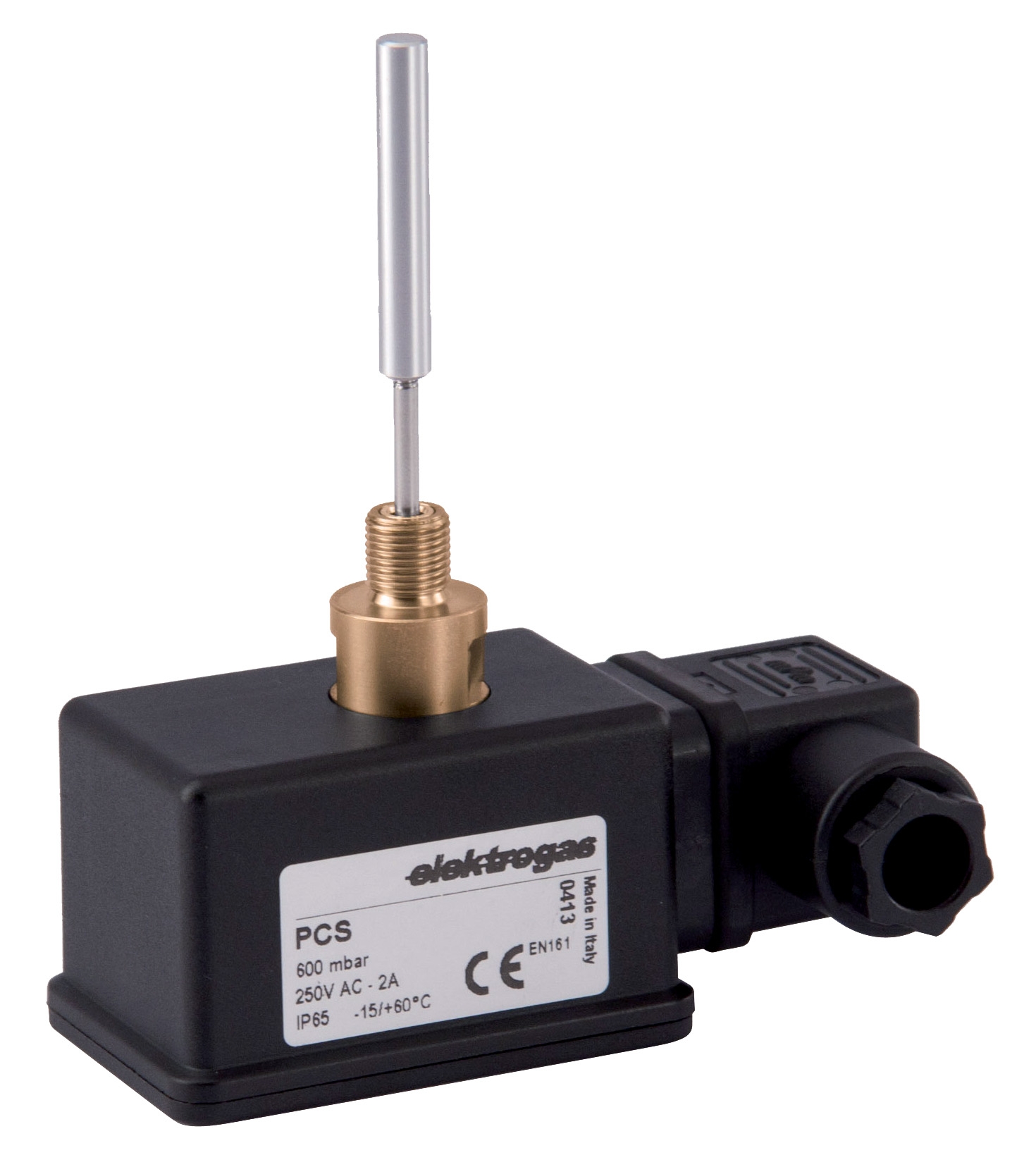
The Elektrogas VMM 20-25 represents a traditional mechanical contact design rated for 6 bar operation (EN 161 standard). Comparing mechanical and electronic approaches:
Mechanical (Elektrogas VMM 20-25 style):
- Direct physical contact ensures operation without electronics failure
- Simple field adjustment (3 mm Allen wrench)
- No battery or power supply dependency
- Reliable in high-vibration environments
- Typical response time: 50-100 ms
- Cost: SGD 150-280 depending on mounting configuration
- Precise digital output for PLC integration
- Real-time diagnostics and data logging
- Adjustable sensitivity without physical modification
- Requires 24 VDC power supply
- Vulnerable to electromagnetic interference in some locations
- Cost: SGD 280-450 including controller module
For Singapore plants operating in corrosive (coastal) or electromagnetically noisy (welding shops) environments, mechanical contacts offer more reliable performance at lower lifecycle cost. Electronic systems excel in food processing and pharmaceutical facilities where traceability and automated documentation are mandatory.
Comparative Selection Matrix for Singapore Plants
When to select precision regulators (laboratory-grade):
- Pressure range: <50 mbar outlet
- Flow rate: <50 m³/hour
- Accuracy requirement: ±2 mbar or better
- Application: Pilot circuits, analytical instruments, laboratory burners
- Example: Francel B25/37mb
- Pressure range: 50-250 mbar outlet
- Flow rate: 50-500 m³/hour
- Accuracy requirement: ±5-10 mbar acceptable
- Application: Main burner supply, furnace systems, large cooking equipment
- Maintenance consideration: Cartridge replacement should be feasible without system isolation
- System architecture favors compact footprint
- Installation space is limited (typical for kitchen equipment or mobile units)
- Reducing external piping connections minimizes leak risk in humid environments
- Budget allows for higher per-unit cost in exchange for lower assembly complexity
- Multiple circuit protection from single relief point
- Modular maintenance philosophy (replace relief without regulator downtime)
- Varying pressure settings across different circuits
- Future expansion planned without regulator specification changes
- Coastal or high-vibration environments
- No 24 VDC power infrastructure available at actuator location
- Maintenance team preference for non-electronic troubleshooting
- Budget constraints (mechanical < SGD 200 vs. electronic > SGD 300)
- Example: Elektrogas VMM 20-25
- PLC integration and automation data logging required
- Food/pharmaceutical facilities requiring audit trails
- High-precision positioning tolerance <5 mm
- Existing 24 VDC infrastructure supports network expansion
- Performance monitoring and predictive maintenance capability desired
Practical Implementation: Phased Replacement Strategy
Singapore's humid environment creates unique challenges for gas valve systems. Salt spray corrosion, moisture ingress, and biological growth in stagnant gas lines require a proactive maintenance approach rather than reactive replacement.
Phase 1: Audit Existing Systems (Months 1-2)
- Document all regulators, relief valves, and controls with installation dates
- Test pressure accuracy using calibrated gauges
- Photograph piping condition and identify corrosion hotspots
- Map maintenance history to identify chronic failure points
- Critical systems (main burner supply, safety circuits) receive new equipment first
- Non-critical systems (pilot lights, auxiliary circuits) can operate with refurbished components
- High-corrosion areas (rooftop equipment, salt-spray zones) warrant stainless steel or coated options
- Begin with precision regulators in laboratory and pilot circuits (lower risk, easier testing)
- Progress to main burner regulators once team has experience with new equipment
- Defer end-of-stroke valve replacement unless automation failures occur
This phased approach minimizes production disruption while building staff expertise with new equipment before critical systems depend on it.
Why Equipment Selection Matters in Singapore's Climate
Tropical humidity accelerates corrosion of ferrous metals and promotes bacterial growth inside gas lines. The difference between a regulator rated for standard industrial duty and one designed for coastal environments can mean:
- 2-3 year lifespan (standard) vs. 5-7 years (corrosion-resistant)
- Monthly filter changes vs. quarterly in humid regions
- Recurring pressure creep issues vs. stable baseline over time
With 35 years of experience supplying equipment across Asia-Pacific, 3G Electric understands these regional variations. Our distributor network maintains inventory of corrosion-resistant variants specifically for Singapore's operating conditions, reducing lead times when urgent replacement is needed.
Final Recommendations for Plant Managers
The optimal gas valve and regulation system balances three competing factors: capital cost, operational reliability, and maintenance burden. For Singapore plants, that balance typically means:
1. Investing in integrated safety relief where space allows (reduces external leak points in humid air)
2. Selecting mechanical end-of-stroke controls unless PLC integration is already planned (lower lifecycle cost, fewer failure modes)
3. Using laboratory-grade precision regulators only where outlet pressure <50 mbar (otherwise industrial regulators are more economical)
4. Planning 5-7 year replacement cycles rather than waiting for failure (prevents emergency inventory shortages)
Contact 3G Electric's technical team to discuss your facility's specific requirements. We can help you evaluate whether your current systems align with best practices or if component upgrades would reduce maintenance costs and downtime risk.