Gas Regulation & Control Systems: Pressure Management, Safety Interlocks & Component Selection for Global Industrial Operations
Gas regulation and control systems form the operational backbone of industrial combustion equipment, from large-scale power generation to precision laboratory burners. Unlike gas detection systems that sense hazards or solenoid theory that explains electromagnetic actuation, gas regulation addresses the critical engineering challenge of maintaining stable pressure, modulating flow, and executing safety shutoffs during normal and emergency conditions. For procurement engineers evaluating equipment across global markets, understanding how regulation components work together—and why specific designs suit particular applications—directly impacts system reliability, safety certification, and operational cost. This guide explores the technical principles of pressure regulation, the role of safety interlocks, and practical selection criteria for industrial gas control systems.
Core Principles of Gas Regulation & System Architecture
Gas regulation systems manage two primary functions: pressure stabilization and safety enforcement. Pressure stabilization ensures that burners receive gas at consistent inlet conditions, allowing combustion control loops to operate within design parameters. Safety enforcement uses redundant valve logic and interlocked solenoid switches to cut fuel supply instantly when dangerous conditions arise—flame loss, pressure deviation, or operator shutdown. Together, these functions define system reliability and compliance with international standards such as EN 161 (safety shut-off valves) and EN 676 (automatic shut-off devices).
The typical architecture integrates four component tiers: (1) inlet filters that remove particulates before pressure-sensitive elements, (2) main shut-off and regulation valves that modulate primary fuel flow and reduce inlet pressure to safe levels, (3) safety solenoid valves positioned downstream to execute fast closure on signal loss or unsafe conditions, and (4) pilot circuits using small-flame pilot lights and thermocouples to sense flame presence and enable operator safety interlocks. Each tier operates independently; failure of the solenoid does not disable the main regulator, and loss of pilot flame triggers immediate valve closure.
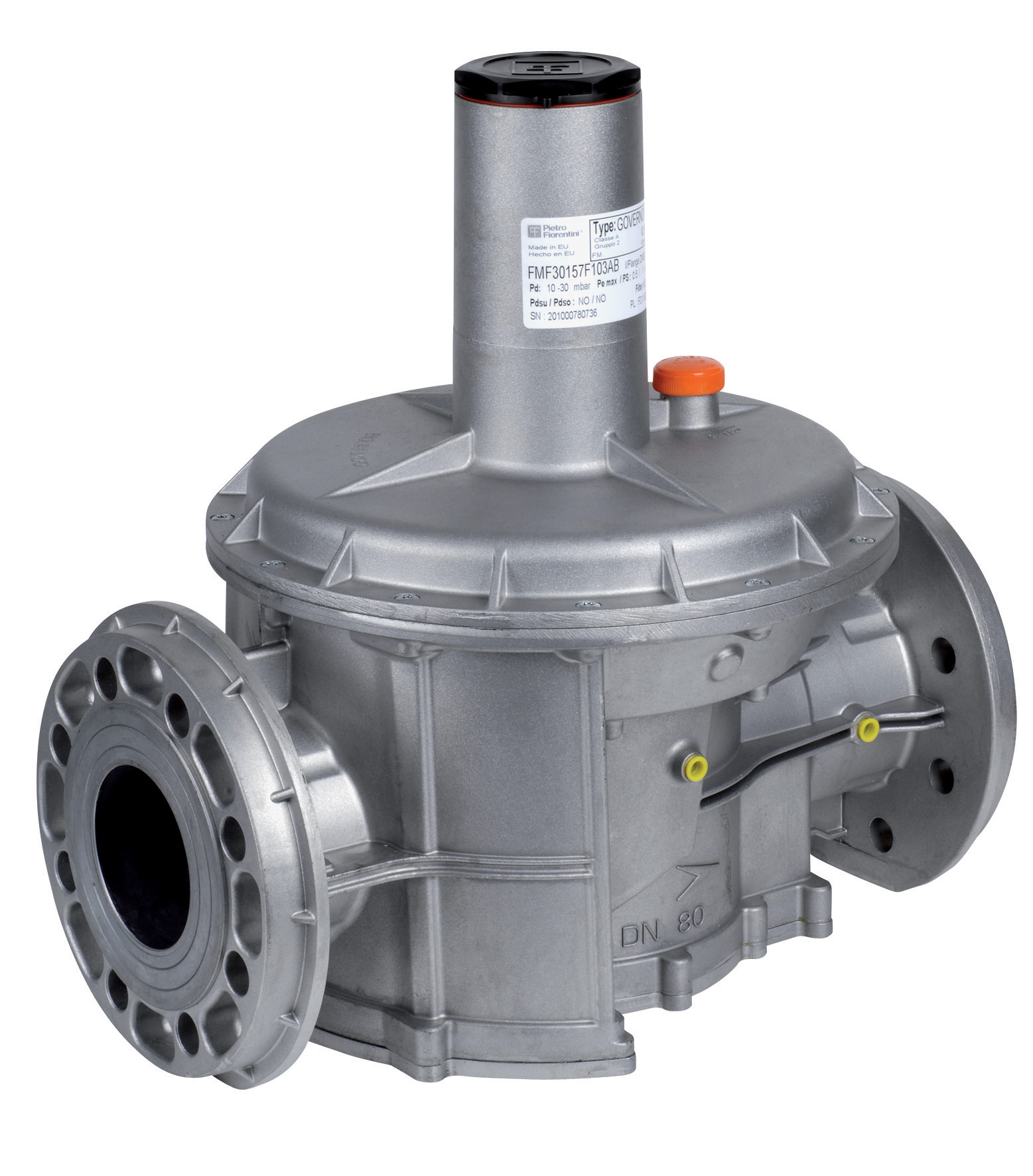
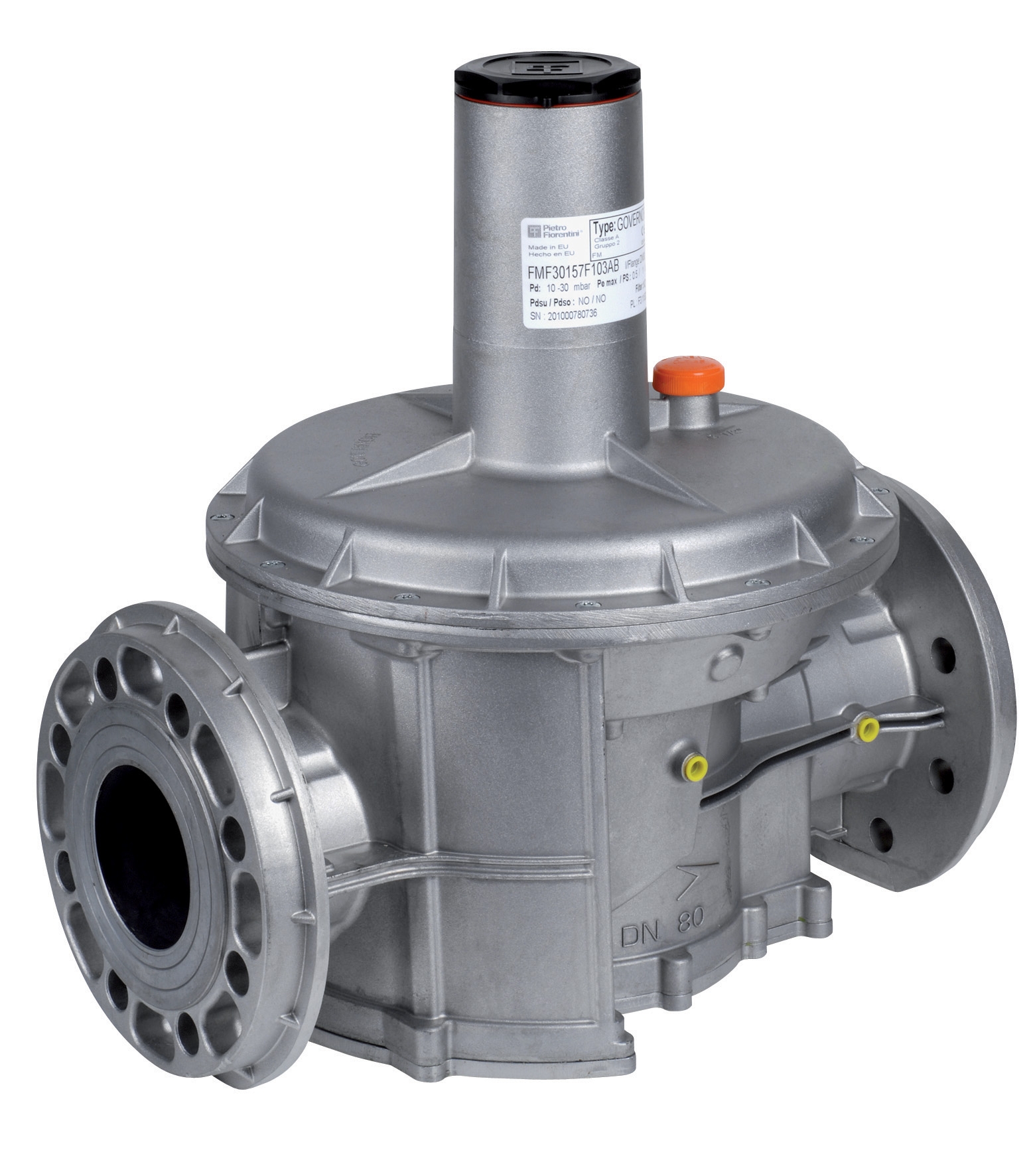
Pressure regulation itself relies on balanced diaphragm design: upstream pressure acts on one face of a flexible membrane, while a spring-loaded poppet on the opposite face responds to downstream pressure changes. As outlet demand increases and pressure drops, the diaphragm rebalances, opening the poppet to increase flow. As demand falls and pressure rises, the poppet closes. This self-acting mechanism requires no external power, making it inherently fail-safe for many applications. However, modulating burners with precision air-fuel ratio control often require pilot-operated designs where a small solenoid valve modulates pilot pressure to precisely control main valve opening—achieving tighter pressure stability than simple spring designs alone.
Technical Specifications & Component Selection for Industrial Applications
When selecting regulation components, procurement engineers must evaluate five critical parameters: pressure rating, flow capacity, response time, fluid compatibility, and safety certifications.
Pressure Rating specifies both maximum operating pressure and the pressure differential (inlet minus outlet) across the valve. Safety shut-off valves for burner applications typically operate at 200–500 mbar inlet pressure with 5–10 bar maximum differential. For example, the CBM MVD 5100/5 valve handles up to 200 bar maximum pressure with inlet connection at Rp 1, making it suitable for high-pressure fuel gas or industrial steam systems. Conversely, low-pressure gas distribution networks in domestic or light commercial settings use 25–100 mbar regulators. Mismatch between application pressure and valve rating causes either sluggish response (oversized valve) or rapid wear and leakage (undersized valve).
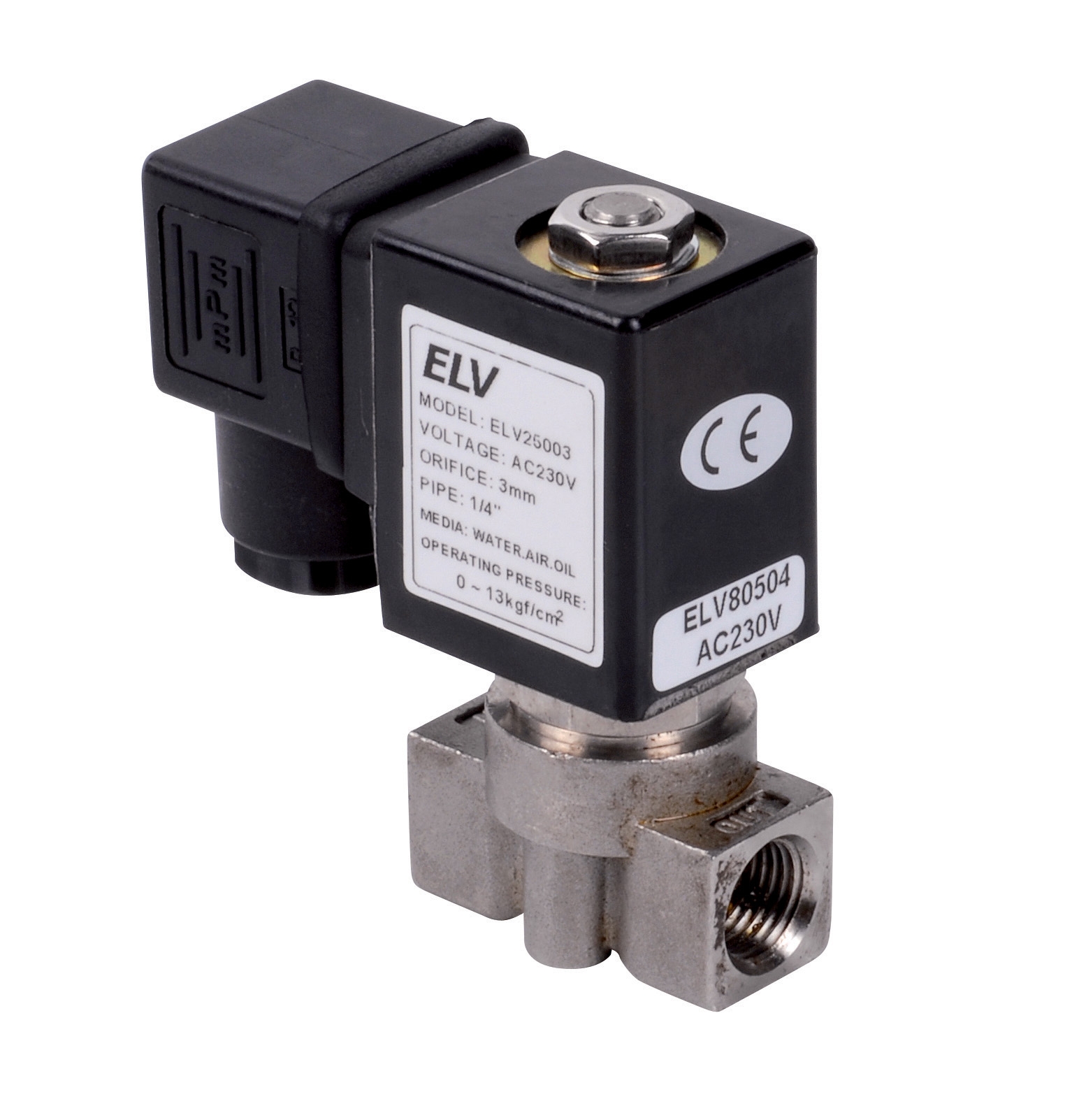
Flow Capacity is expressed as Cv (flow coefficient) or Kvs (metric equivalent), quantifying the volume of fluid passing at unit pressure drop. The CBM bronze solenoid valve 3/4" 220V specifies Cv 7.6, meaning it passes 7.6 gallons per minute of water at 1 psi pressure drop—useful for rapid estimate of burner feed rates. Direct-acting solenoid valves open instantly (typically <1 second) but have lower Cv values, making them suitable for small burners or pilot circuits. Pilot-operated designs achieve higher flow at lower power consumption by using main line pressure to assist solenoid opening, essential for large industrial burners.
Response Time directly impacts flame stability and safety response. The MVD 5100/5 opens in less than 1 second and incorporates a 1 mm filter mesh, protecting downstream burner elements from scale or debris while enabling rapid fuel delivery when ignition is commanded. Safety solenoids must close within 1–2 seconds of signal loss; slower closure risks unburned gas accumulation and explosion hazard. The CBM MBDLE 407 B01.S52 valve features rapid closure paired with slow opening (0.5–1.0 mm valve opening range), protecting against pressure spikes during startup while ensuring prompt shutdown.
Fluid Compatibility determines seal material and body construction. Natural gas, LPG, and fuel oil require different elastomers; Viton seals suit hydrocarbon gases and oils, while EPDM suits air and inert gases. The bronze solenoid valve with Viton seals handles gas and fuel oil applications, whereas the stainless steel direct-acting solenoid valve accepts air, water, and fuel oil (0–20 CST maximum viscosity) across 0–10 bar air range and 0–5 bar fuel range, making it ideal for cross-fuel burner retrofits.
Safety Certifications vary by geography and application. European equipment must comply with EN 161 (safety shut-off valves), EN 676 (automatic shut-off devices for gas burners), and directive 2014/68/EU (Pressure Equipment). The MBDLE 407 carries CE0036 certification, confirming conformity with gas equipment standards. Singapore and other Asian markets increasingly reference EN standards alongside local codes; procurement engineers should verify that valve certifications match the final installation jurisdiction.
Real-World Application Examples: From Pilot Circuits to Modulating Control
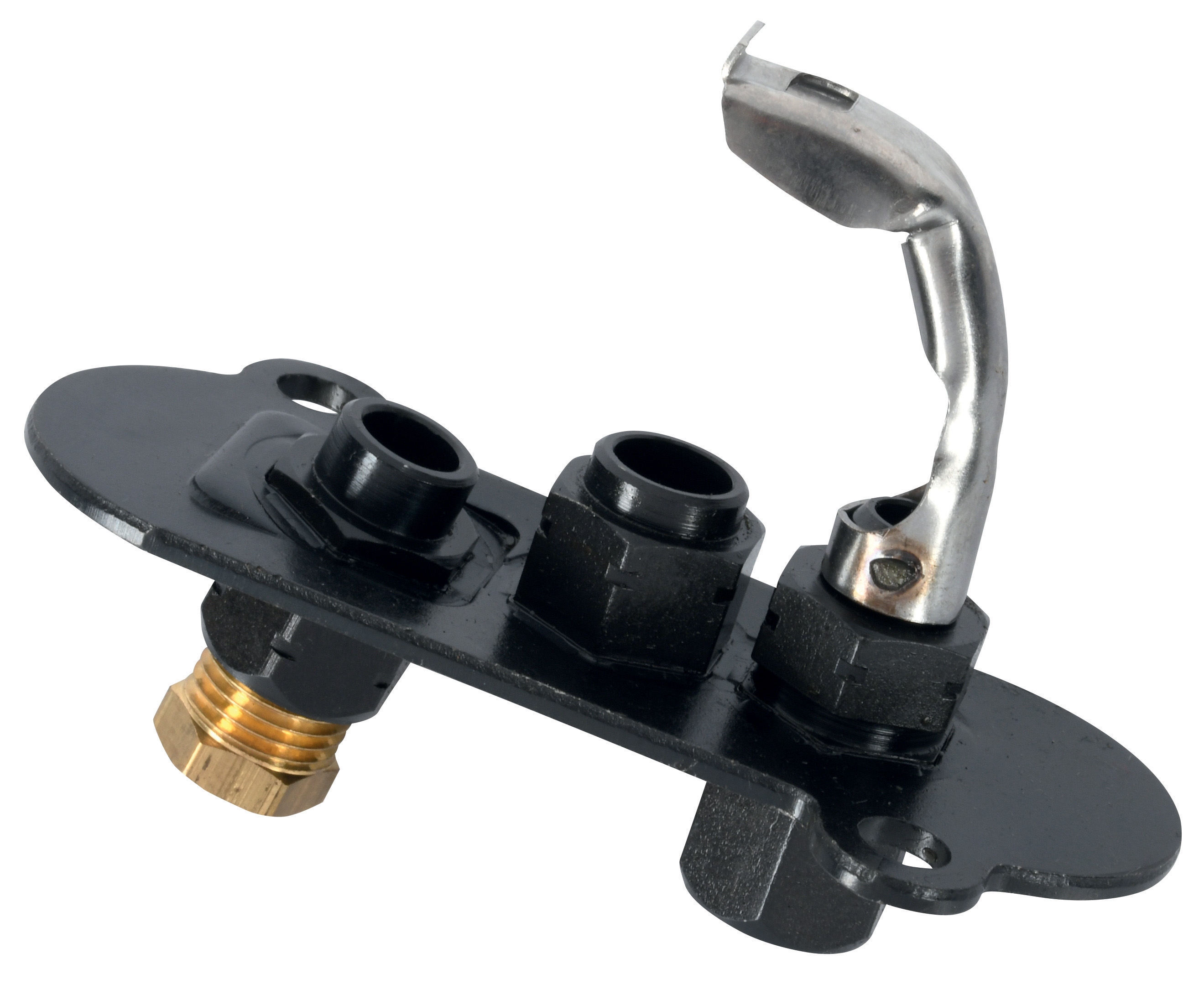
Domestic Boiler with Safety Interlock: A residential heating boiler uses a pilot-light-based safety circuit. The CBM 1-flame pilot light (model 0140026) maintains a small flame continuously, sensing flame presence via a thermocouple. When the main burner calls for heat, the thermocouple signal enables a pilot solenoid, which allows main fuel through. If the pilot flame extinguishes—due to wind, incomplete combustion, or sensor failure—the thermocouple cools, the solenoid de-energizes, and main fuel shuts off. This design prevents unburned gas accumulation and requires no external power source for the safety function itself.
Industrial Furnace with Modulating Control: A large industrial furnace maintains precise temperature by modulating burner intensity. The main gas supply passes through a pilot-operated regulator that accepts a modulating signal (0–10V electrical or 3–15 psi pneumatic) to continuously adjust outlet pressure between 50–200 mbar. A downstream safety solenoid (such as the MVD 5100/5) provides instantaneous fuel shutoff on flame loss or control system fault. This two-stage architecture allows smooth modulation without solenoid chatter, while preserving fast shutdown response. The pilot circuit uses the CBM MBDLE 407 to execute both modulation and safety logic in a compact, self-contained block—reducing installation complexity and cost.
Multi-Fuel Industrial Engine: A cogeneration engine can burn natural gas, biogas, or liquefied petroleum gas. The inlet fuel passes through a stainless-steel solenoid valve (such as the CBM stainless 2" direct-acting solenoid), which accepts multiple fuel types across wide pressure ranges (0–10 bar for air, 0–5 bar for fuel oil). The 16 bar maximum rating and multi-fluid compatibility eliminate the need for separate shutoff valves per fuel—simplifying piping and reducing failure points. The rapid opening/closing response (designed for <1 second transitions) synchronizes with engine control unit ignition timing.
Procurement Selection Criteria & Best Practices
Specify Operating Envelope First: Before valve selection, document the actual fuel type, inlet pressure range, outlet pressure set point, maximum flow rate (in kg/h or scfm), and ambient temperature limits (–15°C to +60°C covers most industrial settings; the MVD 5100/5 meets this range). Cross-check these parameters against equipment manufacturer data sheets; undersized or oversized regulation creates control instability.
Evaluate Response Hierarchy: Safety-critical applications require multi-layer shutdown: main shut-off regulator + solenoid valve + pilot interlock. Confirm that each component can close independently; do not rely on a single solenoid for both modulation and safety. Review comprehensive gas valve options to identify redundancy configurations suited to your risk profile.
Verify Certification & Local Compliance: Equipment destined for Singapore, Europe, or North America must carry appropriate certifications (CE, ATEX, local gas safety marks). Confirm that documentation includes pressure test certificates, material certs, and functional safety documentation (SIL ratings where required).
Plan for Maintenance & Parts Availability: Select component families where filter cartridges, seal kits, and replacement solenoid coils are stocked locally or via established distributors. Pilot lights, thermocouples, and solenoid coils are wearing items with finite service life; availability directly impacts downtime risk.
Conclusion & Next Steps
Gas regulation and control systems demand rigorous technical evaluation because failures directly impact safety, efficiency, and operational compliance. By understanding pressure principles, response characteristics, and certification requirements, procurement engineers can specify systems that integrate seamlessly across global operations while meeting local safety codes. Whether designing a simple pilot-light interlock or a complex modulating furnace control, the core principle remains constant: pressure stability enables combustion control; safety interlocks enable human safety.
3G Electric has supplied industrial gas regulation equipment to global customers since 1990, with deep expertise in component compatibility, certification pathways, and application-specific configuration. Explore our comprehensive solenoid valve and regulation product range, or review integrated gas control systems. Our technical team is ready to support specification, comparison, and procurement workflows for operations across any geography. Contact 3G Electric today to discuss your gas regulation requirements and receive tailored component recommendations backed by field experience and certified technical data.