Gas Burner Control Systems & Safety: Technical Selection Guide for Southeast Asia Operations
Industrial gas burners demand precision control and uncompromising safety architecture. Across Southeast Asia's manufacturing sector—from food processing facilities in Thailand to petrochemical operations in Singapore—the reliability of burner control systems directly impacts operational continuity and worker safety. This guide examines the technical foundations of modern gas burner controls, the critical safety components that prevent catastrophic failure, and the selection criteria that drive implementation decisions across diverse industrial applications. Whether you're specifying controls for a new boiler installation or upgrading legacy equipment, understanding system architecture, relay functionality, and flame supervision principles is essential for compliance and performance.
Core Gas Burner Control System Architecture
Gas burner control systems operate on a hierarchical safety principle: multiple independent subsystems must confirm safe operating conditions before ignition proceeds, and any anomaly triggers immediate shutdown. This architecture protects against the most dangerous failure mode—undetected loss of flame during fuel delivery.
Modern control systems integrate five essential functional layers. The input layer collects signals from safety interlocks, flame sensors, pressure switches, and thermostats. The processing layer evaluates these signals against programmed safety logic; if any critical parameter falls outside acceptable limits, the system enters lockout. The ignition control layer manages pilot ignition timing and main burner fuel valve sequencing. The supervision layer continuously monitors flame presence throughout operation; loss of flame signal triggers immediate fuel shutoff. The output layer energizes or de-energizes fuel solenoid valves, ignition transformers, and fan motors.
The critical safety principle is non-volatile lockout. When a dangerous condition occurs—flame loss, ignition failure, pressure fault—the system does not automatically retry. Instead, it enters a locked state requiring manual intervention to reset. This prevents a malfunctioning system from cycling fuel and ignition repeatedly, potentially creating an explosive atmosphere.
For atmospheric and fan-assisted burners operating intermittently, control systems must manage the complete ignition and shutdown sequence reliably across thousands of operating cycles. The EUROBOX series, for instance, implements this architecture specifically for non-permanent burner operation, ensuring predictable behavior across variable load conditions common in Southeast Asian industrial facilities.
Technical Components: Relays, Flame Sensors, and Gas Blocks
Gas burner control systems depend on precise coordination of specialized components, each with defined functionality and performance parameters.
Control Relays are the decision-making core. The CBM Relay SM 592.2 exemplifies the modern gas control relay design, implementing electronic switching with non-volatile memory functions. These relays evaluate input signals—thermostat demand, flame detection, pressure status—and generate outputs that sequence the ignition and fuel delivery process. For forced-draught gas burners, the CBM Relay VM 41 provides specialized control logic optimized for higher combustion air pressure and faster response requirements. Atmospheric burner applications typically employ CBM Relay CM391.2 variants, which simplify control logic while maintaining essential safety functions. These relays handle the non-volatile lockout function: when dangerous conditions occur, they store fault information in memory, preventing restart until manual reset occurs.
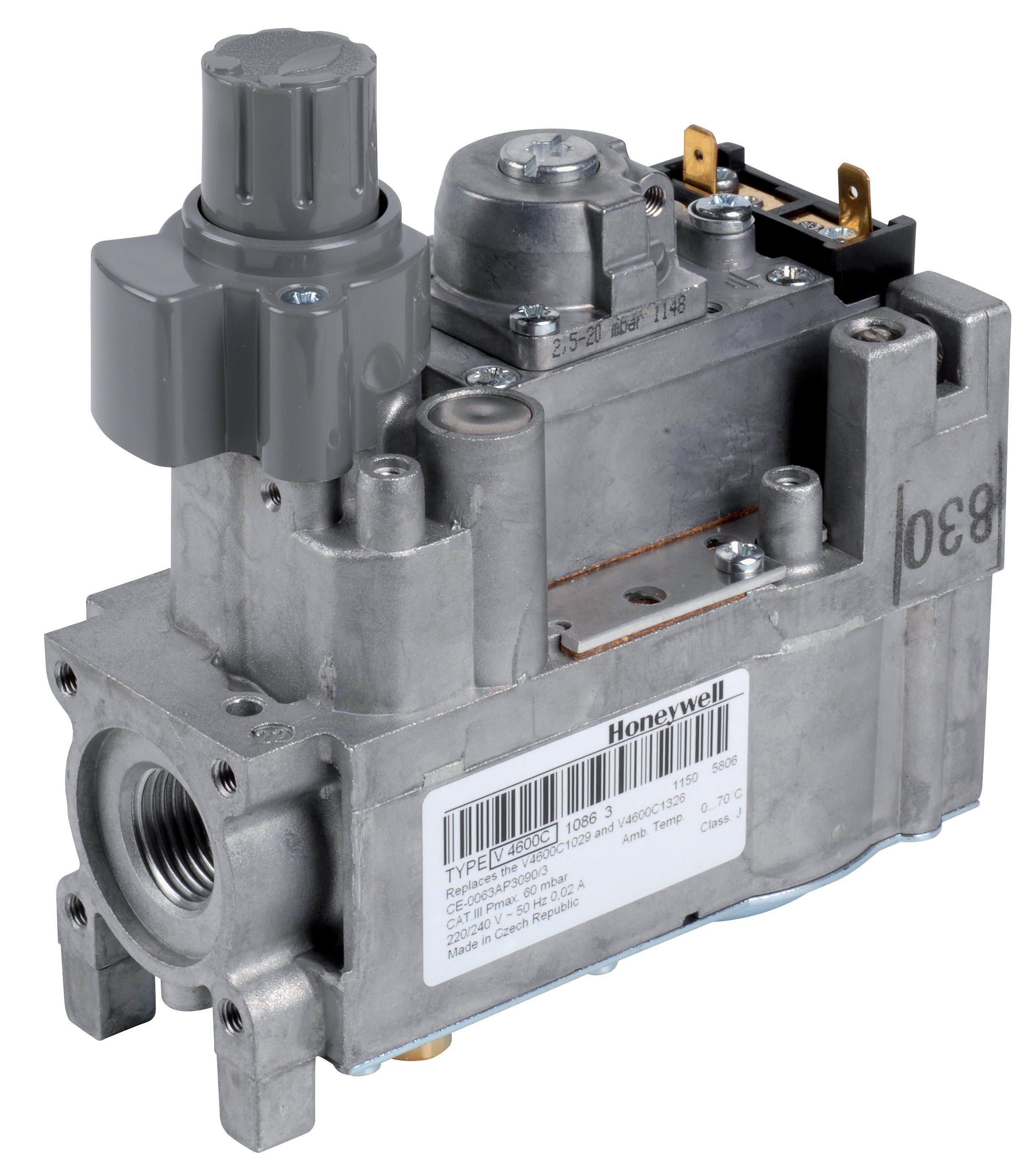
Multifunctional Gas Blocks consolidate multiple safety functions into single integrated components. The CBM Minisit Gas Block 0710750 combines pressure regulation, temperature control, and thermoelectric flame supervision in one assembly. This integration reduces connection points, improves reliability, and simplifies installation—valuable for retrofit applications and space-constrained Southeast Asian industrial facilities. The Minisit design incorporates a thermoelectric flame supervision device that continuously monitors pilot flame presence; if pilot flame is lost, the gas supply is immediately shut off before fuel can accumulate.
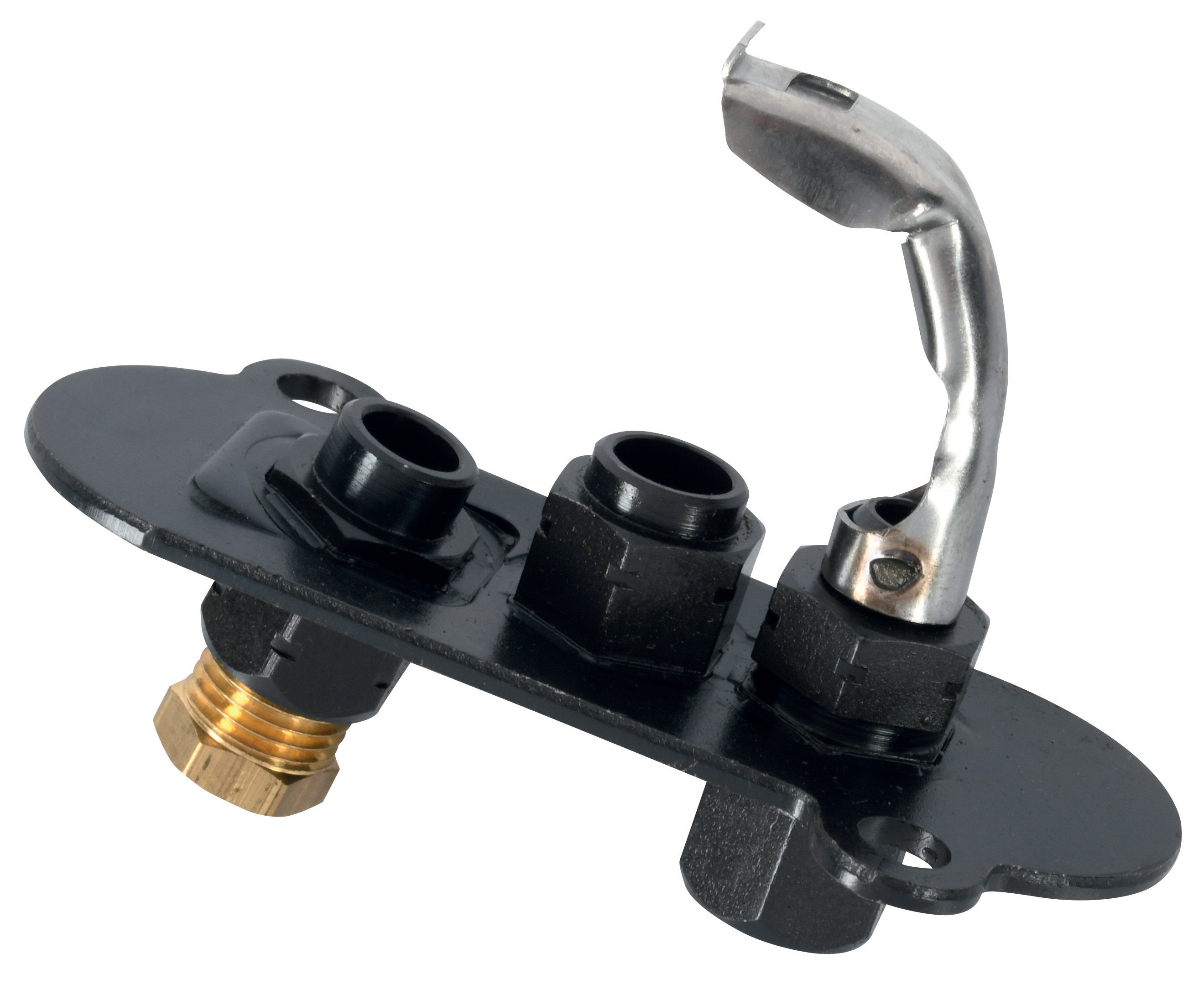
Flame Detection Components provide the critical safety signal confirming fuel ignition. For oil-fired burners, the CBM Cell FC11 phototransistor sensor detects visible light from the flame and generates an electrical signal confirming ignition. The CBM IRD 1010 Blue Cell infrared flame detector offers alternative sensing technology, detecting infrared radiation from combustion rather than visible light. This technology selection depends on flame color, burner design, and ambient light conditions. For gas applications, pilot burners with integrated thermocouple elements provide both ignition capability and temperature-based flame supervision, eliminating the need for separate flame sensor wiring.
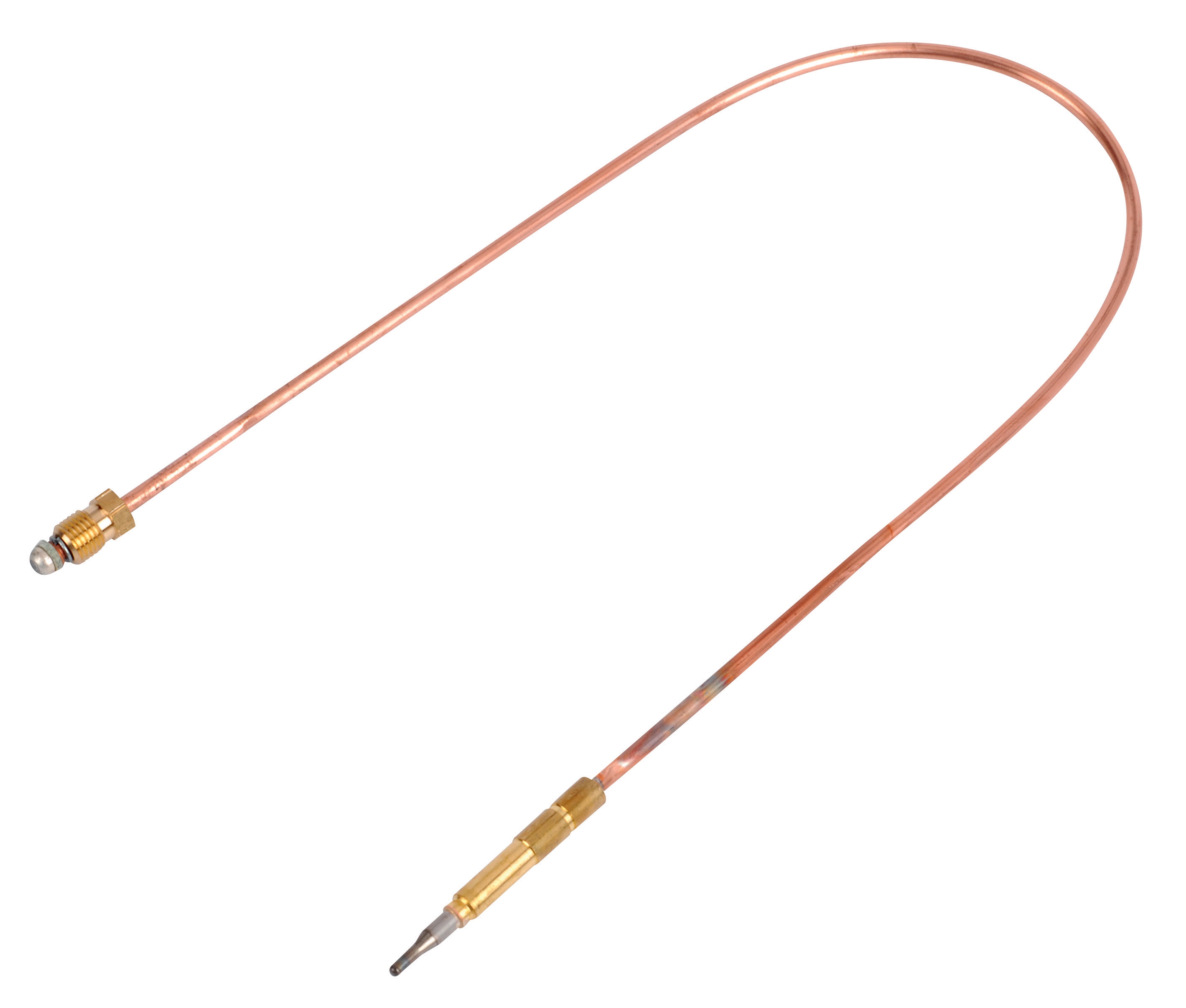
Mounting Bases and Accessories complete the control system. The CBM Base for GE 733 and related base assemblies provide standardized mounting and interconnection for relay modules, reducing field assembly time and ensuring proper signal routing. Thermocouples like the Sit INT.600 integrate with pilot burners and gas blocks, converting flame heat into electrical potential that sustains gas solenoid operation without requiring external power—a fail-safe design principle.
Real-World Application Scenarios Across Southeast Asia
Southeast Asian industrial facilities span diverse burner applications, each with distinct control requirements.
Food Processing: Boiler Control in Thailand
A Bangkok-based beverage processing facility operates multiple steam boilers for sterilization and heating. Original mechanical controls had become unreliable, causing production interruptions. Retrofit installation of modern gas control relays integrated with flame sensors improved reliability to 99.9% uptime. The non-volatile lockout function prevents fuel accumulation during ignition failures, addressing safety concerns that had prompted operator hesitation about the original equipment. System response time improved from 8 seconds to 2 seconds, enabling tighter temperature control and energy efficiency gains.
Petrochemical Processing: Fired Heater Control in Singapore
A refining facility operates forced-draught fired heaters processing crude oil fractions. The extreme thermal environment (burner air inlet temperature 250°C) requires controls with elevated component ratings. The VM 41 relay with its specialized forced-draught logic and enhanced thermal tolerance handles combustion control reliably without sensor degradation. Flame supervision via infrared detection (avoiding visible-light sensor saturation in the high-temperature environment) provides continuous safety verification across the full operating envelope.
Small Industrial Boilers: Distributed Heating in Malaysia
Manufacturing facilities in Klang Valley operate dozens of small gas-fired boilers for space heating and hot water. Standardized control system architecture using multifunctional gas blocks reduces spare parts inventory and technician training requirements. When a boiler requires service, identical replacement components from stock minimize downtime. Thermocouple-based flame supervision requires no wiring changes, simplifying maintenance.
Selection Criteria and Best Practices for Control System Implementation
Burner Type Assessment
First determine whether your application uses atmospheric burners (room air combustion) or fan-assisted/forced-draught burners (pressurized combustion air). Atmospheric burners tolerate lower air pressure and simpler control logic; fan-assisted designs require controls that verify combustion air delivery before fuel introduction. EUROBOX series controls are optimized for atmospheric and fan-assisted intermittent burners, while EUROGAS series (VM 41) targets forced-draught applications with higher pressure requirements.
Fuel Type and Flame Characteristics
Natural gas burners typically use simpler controls with lower ignition energy than oil burners; pilot flame supervision via thermocouple is appropriate. Oil burners require robust flame detection via phototransistor or infrared sensors, with faster response times and more sophisticated processing logic. Gas block integration works well for natural gas applications; oil-fired systems often require separate relay and sensor architecture.
Operating Cycle and Duty
Non-permanent operation (intermittent cycling) uses standard control relays. Continuous operation requires specialized controls with extended component duty cycles. Southeast Asian industrial applications are predominantly intermittent, favoring standard EUROBOX and gas block architectures.
Environmental Conditions
High ambient temperature, corrosive atmosphere (coastal facilities), or vibration-prone locations demand controls with enhanced component protection. Pilot burner design with corrosion-resistant materials and thermocouples with superior vibration tolerance address these factors.
Regulatory Compliance and Safety Standards
Southeast Asian industrial facilities must comply with national pressure equipment directives and gas appliance safety standards. Singapore's regulatory framework aligns with European standards (EN 126 for multifunctional gas appliances, EN 298 for automatic controls). Control systems must demonstrate non-volatile lockout functionality, proven flame supervision operation, and safe failure modes. Documentation from component manufacturers—like technical specifications for oil burner safety boxes—should be retained for inspection authorities.
3G Electric's technical team maintains current knowledge of evolving safety requirements across the Southeast Asian region, enabling proper component selection and system design that satisfies regulatory requirements while optimizing operational reliability.
Getting the Right Control System for Your Operation
Gas burner control system selection requires balancing safety requirements, operational reliability, maintenance simplicity, and regulatory compliance. The technical depth of modern controls—from thermoelectric flame supervision to non-volatile lockout logic—eliminates the failure modes that plagued earlier mechanical systems, but only when properly specified and installed.
Whether you're operating a single boiler in a Malaysian manufacturing facility or managing distributed heating systems across Singapore's industrial parks, the control system architecture supporting your burners deserves careful technical attention. 3G Electric's comprehensive range of gas control components—including relays, gas blocks, flame sensors, and thermocouples from proven manufacturers—enables system designs optimized for Southeast Asian industrial conditions.
Contact 3G Electric's technical team today to discuss your gas burner control requirements. Our experienced engineers can assess your current systems, recommend component upgrades or replacements, and support system commissioning to ensure your industrial heating operations meet both safety standards and performance targets across Southeast Asia.