Gas Block Controls vs. Relay Systems: A Technical Comparison for Industrial Burner Safety Global
Selecting the right control architecture for industrial burner systems requires understanding how consolidated gas blocks differ fundamentally from modular relay-based systems. Both approaches deliver flame supervision, pressure regulation, and temperature control—but they achieve these functions through different design philosophies. For HVAC contractors and installers specifying controls across atmospheric stoves, boilers, catering equipment, and heating appliances, this distinction directly impacts installation complexity, diagnostic flexibility, maintenance accessibility, and long-term operational reliability. This technical explainer analyzes the pros and cons of each approach, grounded in real-world product specifications and industrial applications.
Architectural Foundation: Integrated vs. Modular Control Design
Gas control architecture fundamentally divides into two operational models: integrated multifunctional blocks and modular relay-based systems. An integrated gas block consolidates multiple safety and operational functions into a single, self-contained device. These blocks typically combine thermoelectric flame supervision, pressure regulation, temperature control, and gas solenoid valve logic into one compact housing. Conversely, relay-based systems distribute control functions across multiple components—main relays, flame detection sensors, thermocouples, and auxiliary switching devices—connected through electrical interlocking logic and pneumatic/hydraulic signal lines.
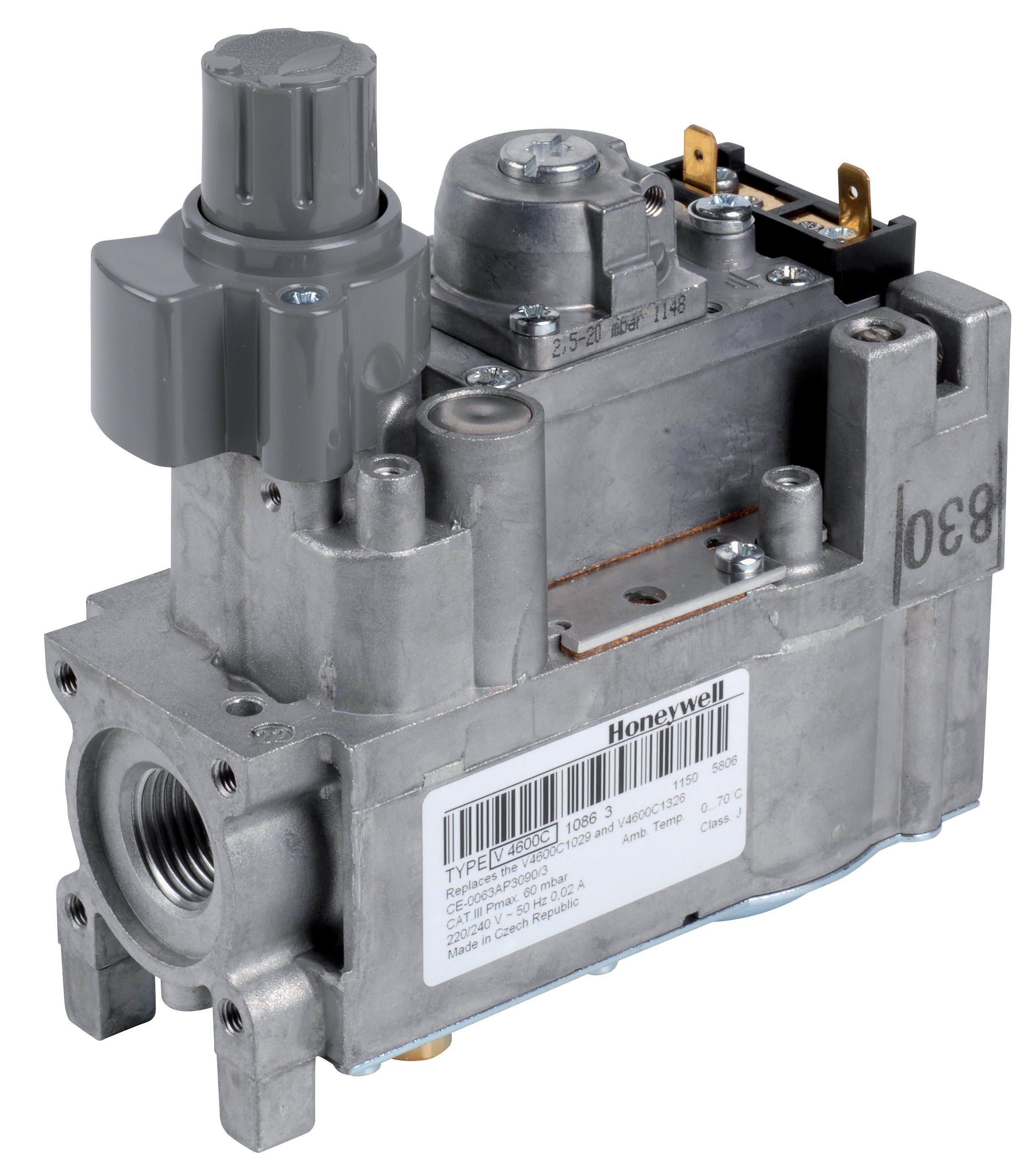
The integrated approach prioritizes functional density and standardized operation across appliance types. A CBM Minisit gas block exemplifies this philosophy: designed for stoves, boilers, catering equipment, and room heaters, it houses pressure regulation, temperature control, and thermoelectric flame supervision within a single manifold. The device operates as a complete control ecosystem requiring minimal external auxiliary components. This consolidation reduces interconnection points, simplifies wiring diagrams, and lowers the risk of logic errors during installation.
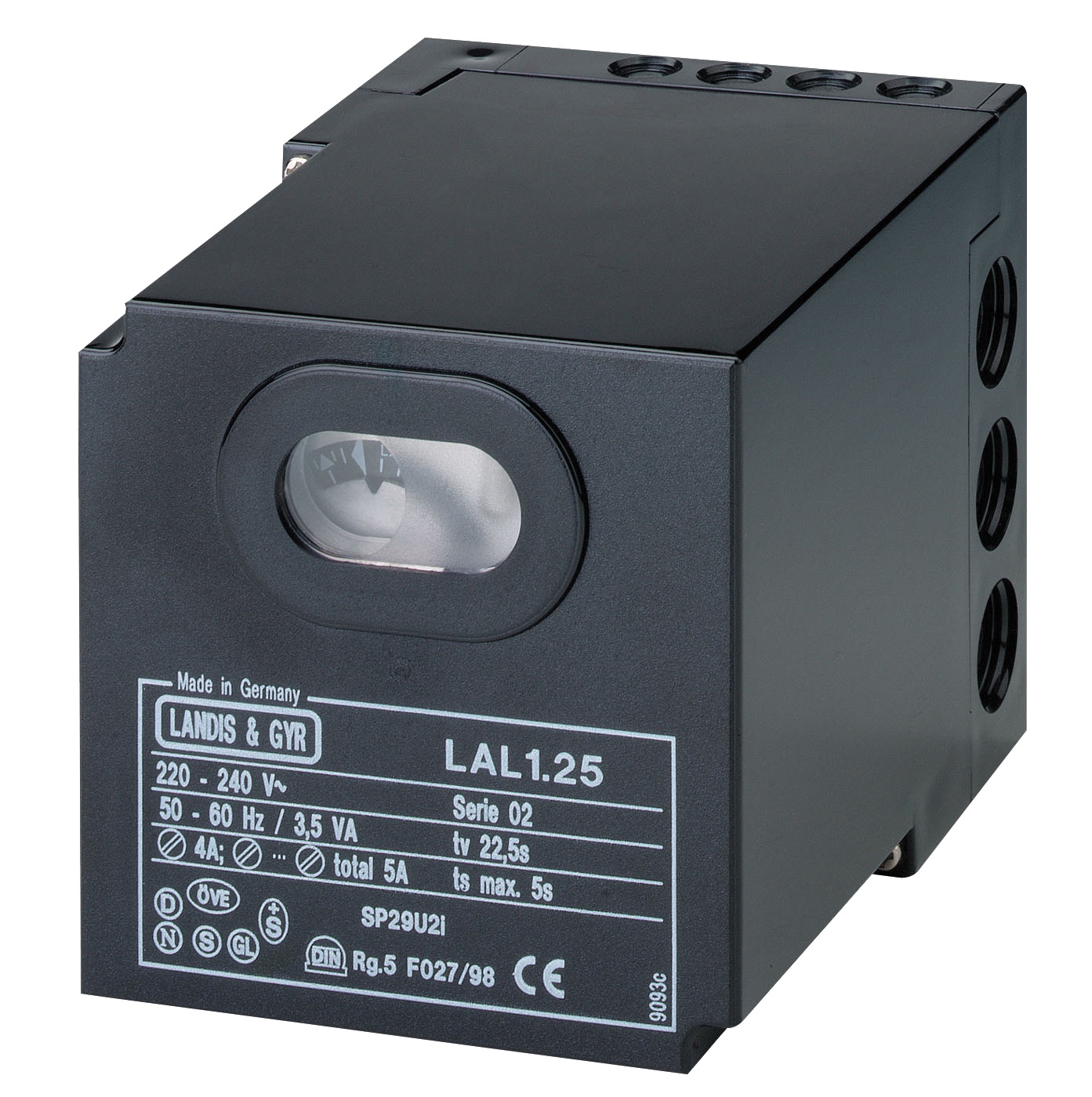
The modular relay approach prioritizes customization and diagnostic isolation. Each control function—gas valve sequencing, flame detection, pressure supervision, air flow verification—operates through dedicated relays and sensor feedback loops. Relay systems enable technicians to test, replace, or reprogram individual control stages without affecting the entire system. This granularity proves valuable in complex burner installations where control requirements vary significantly between applications.
Key architectural trade-offs: Integrated blocks offer simplicity, reduced wiring complexity, and factory-tuned interlock logic; relay systems offer modularity, field-customizable logic, and component-level diagnostics. Neither is universally superior—the optimal choice depends on application complexity, installation environment, and maintenance capability.
Technical Function Comparison: How Control Elements Operate Differently
Both architectures deliver equivalent safety functions—flame supervision, pressure regulation, and temperature control—but the implementation pathways differ significantly. Understanding these technical distinctions helps contractors diagnose failures, select replacement components, and optimize system performance.
Flame Detection and Supervision: In integrated gas blocks like the Minisit 710, thermoelectric flame supervision operates internally through a built-in thermocouple interface. The device monitors thermocouple voltage continuously; loss of signal triggers immediate solenoid valve closure without external relay intervention. In relay-based systems, flame detection sensors—such as infrared flame detectors or photocell sensors—feed signal voltage to main control relays, which then execute valve closure logic. This means relay systems allow sensor substitution and upgradable detection technology; gas blocks typically require complete unit replacement if thermocouple performance degrades.
Pressure Regulation: Integrated blocks include internal pressure regulation tuned for specific appliance types, reducing external regulator requirements and simplifying the control circuit. Relay-based gas control systems often employ external pressure regulators, enabling field adjustment and accommodation of varying gas supply pressures. For installers in regions with inconsistent gas supply quality, this flexibility provides operational insurance.
Temperature Control: Integrated blocks incorporate temperature limiters or controllers directly within the manifold, preventing over-temperature conditions through internal solenoid actuation. Relay systems integrate temperature control through separate control relays and thermostatic sensors, allowing independent tuning and replacement of temperature-sensing elements.
Non-Volatile Lock-Out Logic: Modern gas blocks and relay systems both employ non-volatile lock-out functionality—safety features that require manual reset after detecting flame failure or unsafe operating conditions. Integrated blocks trigger this electronically within the device; relay systems execute lock-out through coordinated relay contacts. Relay-based lock-out offers easier diagnostic access and faster manual reset cycles, critical in high-availability industrial environments.
For atmospheric and fan-assisted burner applications, Eurobox series relay systems specifically support the modular approach. For forced-draught gaseous fuel burners, Eurogas series relays provide specialized control architecture. These relay platforms allow contractors to select control features—air pressure monitoring, post-ventilation, preheat timing—independently of the core burner control strategy.
Real-World Application Scenarios: When Each Architecture Excels
Integrated Gas Block Applications: Multifunctional gas blocks deliver optimal performance in standardized, moderate-complexity installations. A catering establishment specifying a new convection oven benefits from the Minisit 710 block's consolidated design: single-point installation, no external relay logic to configure, built-in flame supervision and temperature control. Setup occurs within hours rather than days. Similarly, small boiler rooms or domestic heating systems where standardized control logic suffices find gas blocks economical and reliable. The compact form factor also suits retrofit installations in space-constrained equipment cabinets.
Relay-Based System Applications: Modular relay architectures excel in complex industrial burner installations requiring custom control sequences or multi-stage fuel systems. A large-capacity industrial steam boiler featuring dual fuel capability (oil and gas), staged air pressure verification, and post-ventilation sequences benefits from relay system flexibility. Technicians can commission control logic stage-by-stage, test each relay independently, and adjust solenoid sequencing timing without factory intervention. Industrial laundries, textile dyeing facilities, and chemical processing plants routinely employ relay systems because operational requirements evolve as production demands change.
Geographic and Environmental Considerations: In regions with unstable electrical supply, integrated blocks may experience nuisance lock-outs; relay systems with separate power conditioning per relay show greater resilience. In high-vibration industrial environments, gas blocks' compact design reduces mechanical stress; relay systems' distributed architecture can tolerate localized component failure better. Global equipment distributors like 3G Electric maintain inventory across both architecture types because application-specific requirements, not universal superiority, determine the correct choice.
Selection Criteria and Best Practices for HVAC Contractors
Standardization vs. Customization: Choose integrated gas blocks for burner fleets with standardized safety requirements and predictable maintenance intervals. Select relay systems for mixed-appliance portfolios where control requirements vary by installation and future upgrades are probable.
Technical Support Availability: Integrated blocks require manufacturer support for logic troubleshooting; relay systems allow local technician-level diagnostics. Verify your service organization's technical depth before committing to either architecture.
Spare Parts Availability: Gas block systems depend on availability of specific integrated units for different appliance types. Relay systems allow component substitution and cross-compatibility across product lines, improving long-term supply chain resilience.
Installation Timeline: Budget 1-2 days for gas block commissioning; relay system installations typically require 3-5 days of configuration and testing. Cost-benefit analysis must include labor versus unit complexity.
Certification and Compliance: Both architectures meet EN 12126 and equivalent global safety standards. Verify that selected products comply with your regional regulatory framework and equipment certification requirements before procurement.
For HVAC contractors serving global markets, maintaining familiarity with both architectural approaches—integrated consolidated blocks and modular relay logic—demonstrates professional capability and expands available solutions. Neither approach represents universal best practice; application context, maintenance capability, and long-term operational requirements determine optimal selection.
Contacting 3G Electric for Control System Specification Support
3G Electric's technical team has supported industrial equipment installations since 1990, providing contractors with detailed product specifications, comparative technical documentation, and installation guidance across both integrated gas control blocks and modular relay-based burner control systems. Whether you are specifying controls for atmospheric stoves, fan-assisted boilers, forced-draught industrial burners, or custom fuel systems, our inventory and technical expertise support comprehensive system design. Contact 3G Electric today to discuss your specific burner control requirements, request detailed technical comparisons, or schedule a consultation with our control systems specialists. Our team is prepared to provide product availability, installation documentation, and ongoing technical support for your global burner safety projects.