How to Specify Flame Detection and Safety Relay Systems for Industrial Burners & Combustion Equipment Globally
Flame detection and safety relay systems form the critical safety backbone of any industrial burner installation. For procurement and purchase engineers, specifying the correct combination of flame sensors and control relays is not merely a compliance checkbox—it directly impacts operational reliability, downtime prevention, and regulatory compliance across global industrial facilities. This guide walks through the technical framework for selecting flame detection technology and safety relay systems that align with your burner type, fuel category, and operational requirements.
Understanding Flame Detection Technology and Safety Relay Architecture
Flame detection systems operate on three principal sensor technologies: ultraviolet (UV) ionization detection, infrared (IR) flame cell monitoring, and phototransistor-based optical sensing. Each technology addresses different combustion signatures and environmental conditions. UV ionization detection excels in detecting the ionization trail produced by gas flames, while infrared flame cells monitor the characteristic thermal radiation signature of oil and solid fuel flames. Phototransistor sensors offer mid-range spectral sensitivity suitable for mixed-fuel applications.
Safety relays serve a dual function: they receive the signal from the flame sensor and execute the safety logic required by industrial standards (EN 298, EN 676, EN 677, depending on fuel type and application). Modern safety relays employ non-volatile lock-out mechanisms, meaning once a flame-out condition is detected, the relay physically locks out fuel supply and requires manual reset—preventing dangerous restart scenarios without technician intervention.
The architecture typically follows this sequence: flame sensor detects flame → sends electrical signal to safety relay → relay evaluates signal validity against programmed timing parameters → relay permits or denies fuel valve energization. The timing of this sequence is critical; relays must validate flame presence within 3–5 seconds of ignition to prevent unburned fuel accumulation (a dangerous explosion hazard known as "delayed ignition").
Global industrial standards mandate specific response times, isolation voltages, and mechanical endurance ratings. For example, relays used in forced-draft burner systems must tolerate electromagnetic interference from high-power fan motors, while atmospheric burner applications may require lower-noise designs. Understanding your burner type—forced-draft (fan-assisted) versus atmospheric—is the first specification criterion.
Flame Detection and Relay Technology Selection by Burner Type and Fuel
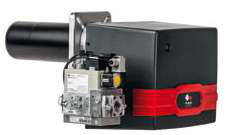
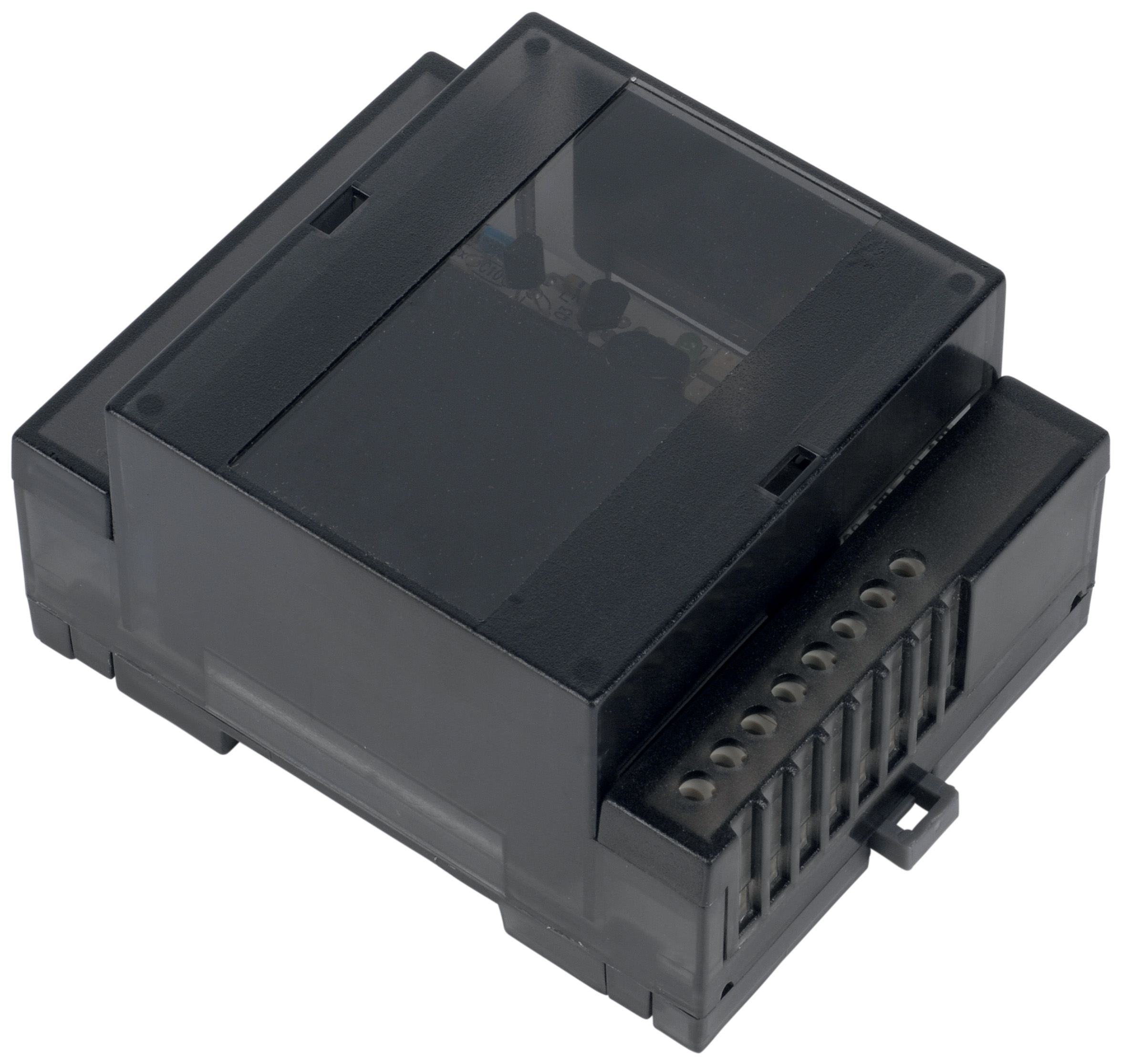
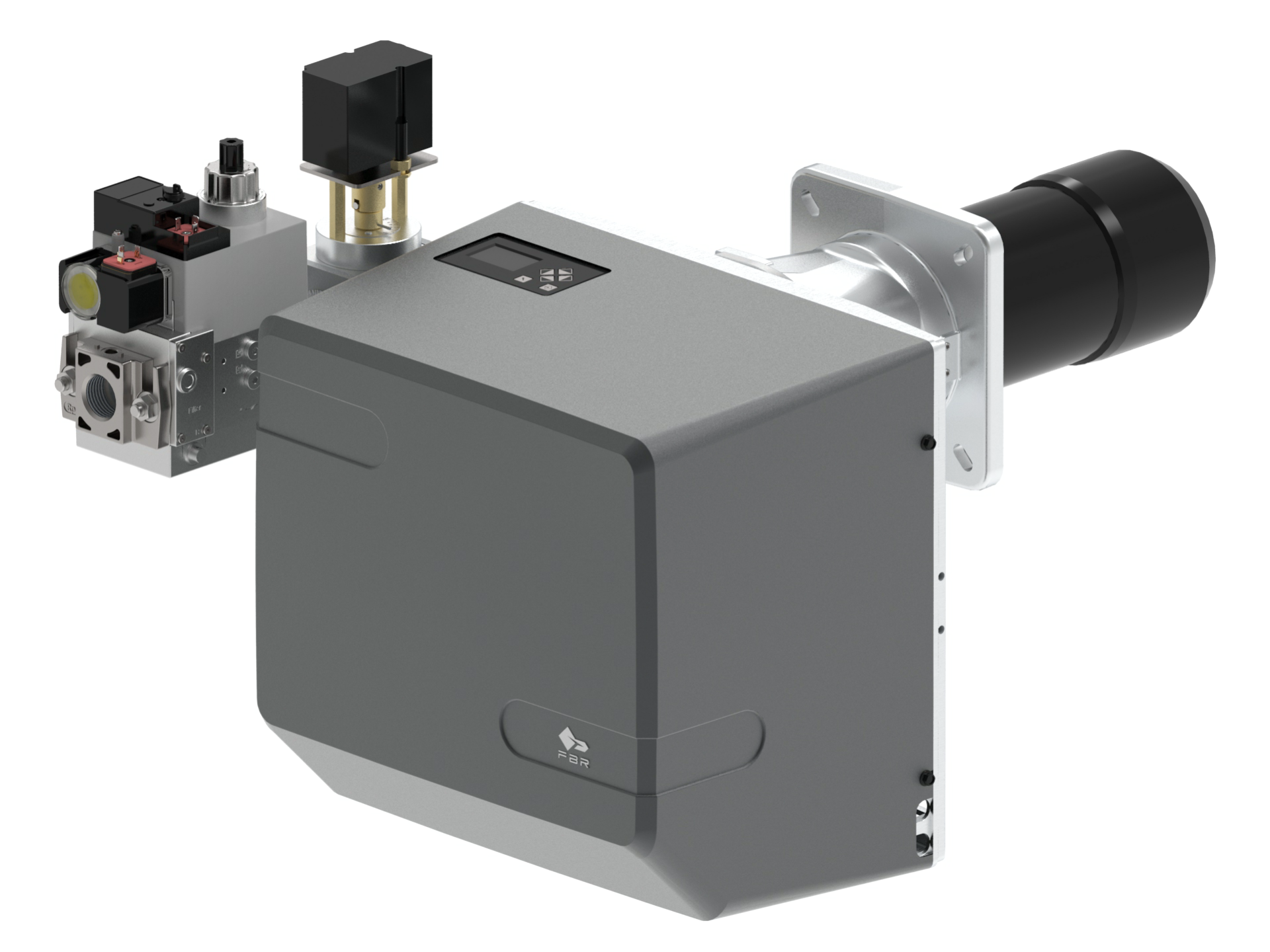
For natural gas burners operating in forced-draft applications, the FBR BURNER GAS X5/MF TL EL VC represents a modulating burner requiring integrated safety logic. This unit operates across fuel categories I2R through I3R and demands a relay capable of managing proportional modulation signals in addition to on/off safety functions. The CBM Relay CM391.2 30.5 1.2 is specifically engineered for this application—an intermittent-service electronic control system rated for automatic gas burner control with non-volatile lock-out and reinforced isolation.
For oil burner applications and biomass combustion, infrared and phototransistor detection becomes essential. The CBM IRD 1010 blue cell is an infrared flame detector with a spectral range of 800–1100 nm, optimized for detecting the characteristic yellow-blue flame signature of oil burners. This unit operates at 220/240 V supply voltage and features frequency response of 15–250 Hz, making it immune to typical industrial ambient light interference. The detector can be mounted in any position, providing engineering flexibility in constrained boiler rooms.
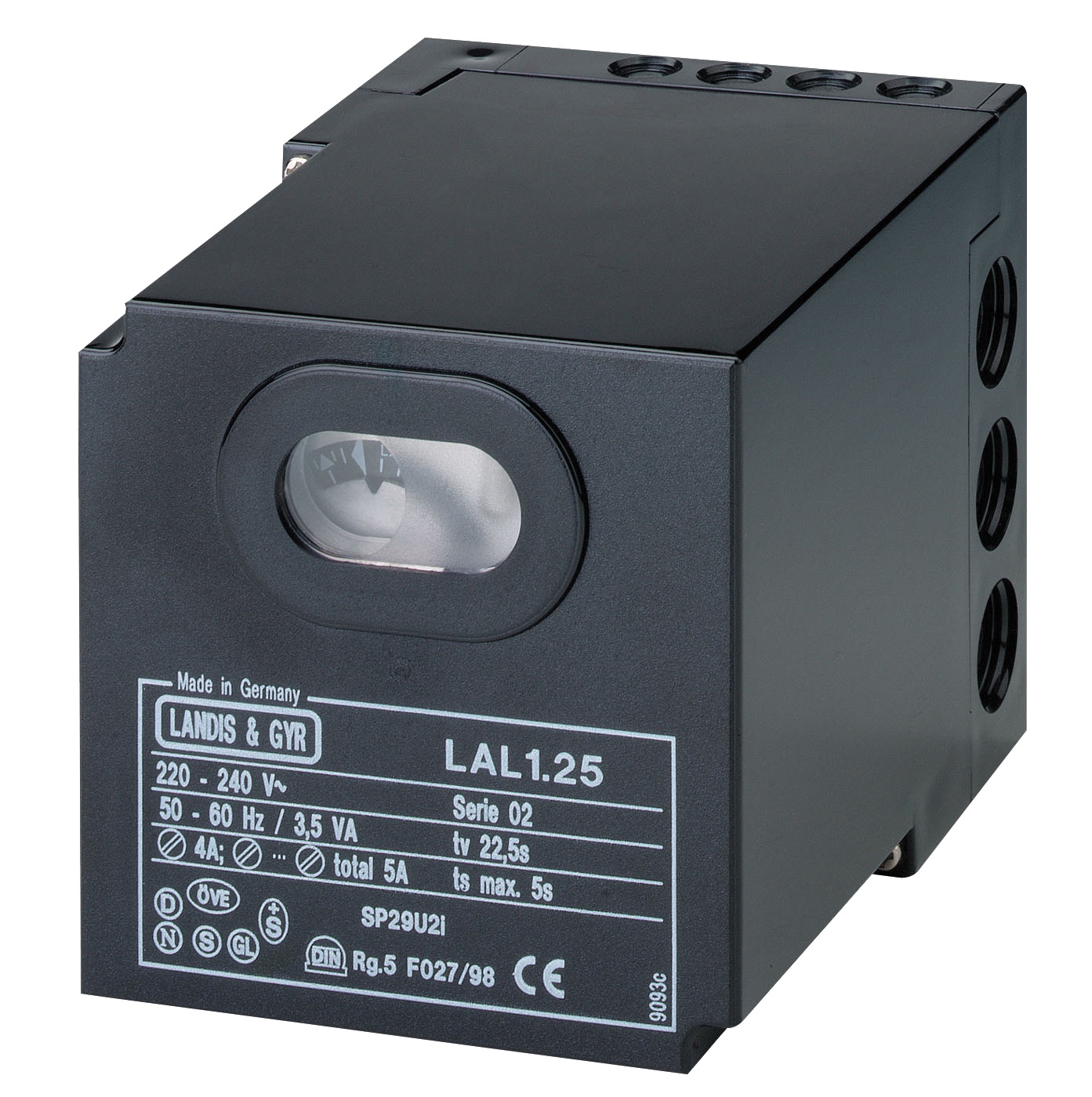
For universal burner installations operating intermittently (such as hot air generators and backup heating systems), the CBM Relay LAL 2.14 provides integrated flame monitoring with support for multiple sensor types—QRB1 (UV cell), QRC1 (blue cell), or RAR (selenium photo-electric cell). This relay's flexibility allows a single control cabinet to accept different flame sensor technologies, simplifying procurement for multi-unit installations or retrofit scenarios.
When selecting relays, verify these critical specifications: rated load capacity (typically 1 A @ 250 VAC for gas burner valves), mechanical endurance (modern designs specify 15×10⁶ operations—approximately 7–10 years of daily cycling), and protection class (IP40 minimum for industrial environments). The CBM Flame relay CF1 demonstrates current industrial specifications: polycarbonate UL94-V0 housing, 1 A rated load at both 250 VAC and 30 VDC, and support for up to 10 UV detectors on a single relay base—useful for large multi-burner installations or redundant flame-sensing architectures.
Step-by-Step Specification Framework
- Document Burner Configuration: Identify fuel type (natural gas, LPG, oil, biomass), burner category (atmospheric vs. forced-draft), and operational mode (intermittent vs. continuous). For gas burners, confirm the applicable fuel category per EN 676 (typically I2H, I2L, I2E, I3B, or I3P).
- Select Flame Detection Technology: UV ionization for gas flames, infrared for oil, phototransistor for mixed applications. Match spectral sensitivity to your flame signature. Confirm detector supply voltage compatibility with your site's electrical infrastructure (typically 220/240 V, 50/60 Hz globally).
- Specify Relay Type and Isolation Class: Choose an electronic safety relay rated for your fuel type and operational class. Confirm non-volatile lock-out is enabled. Verify the relay supports the required number of detectors (single vs. redundant) and fuel valve solenoids.
- Verify Mechanical and Electrical Endurance: Cross-reference the relay's expected service life (typically 15×10⁶ mechanical operations for industrial duty) against your facility's annual burner cycling rate. Confirm protection class (IP40 or higher) matches your installation environment.
- Validate Timing Parameters: Confirm the relay's flame-out detection delay (3–5 seconds typical) aligns with your burner's fuel valve response time and your process's thermal inertia. Document all timing calibration settings for future technicians and audits.
- Integration and Documentation: Specify control cabinet wiring diagrams showing detector-to-relay connections, fuel valve control circuits, and any optional modulation or pressure-control signals. Ensure all components carry CE or UL certification per applicable regional standards.
Best Practices and Selection Criteria
Redundancy and Safety Margins: For critical process heating (food, pharma, petrochemical), specify dual flame detectors with logic that requires both to agree before permitting fuel. This cross-check architecture prevents nuisance shutdowns from single-sensor faults while maintaining safety integrity.
Environmental Resistance: Ensure flame detectors carry IP41 minimum rating (water jet resistant) if installed near steam or washdown areas. For outdoor installations, specify daylight filter options (standard on IR detectors above 950 nm) to prevent false signals from solar radiation.
Standardization Across Facilities: When operating multiple burner installations globally, standardize on a single relay platform (e.g., CBM Eurobox or Eurogas series) to reduce spare parts inventory and technician training overhead. This strategy improves service response time and lowers long-term cost of ownership.
Compliance Documentation: All flame detection and relay systems must carry Declaration of Conformity certification per EN 298 (gas) or EN 676/677 (oil). Verify suppliers provide full technical documentation, including certification references, before purchase order issuance.
Closing and Next Steps
Specifying flame detection and safety relay systems requires balancing technical depth with practical installation constraints. By following this framework—documenting your burner configuration, selecting detection technology matched to your fuel and environment, and validating electrical and mechanical specifications—you ensure your burner control system meets both regulatory standards and operational reliability expectations. Review your site's existing burners and combustion equipment to identify whether current flame detection systems are at end-of-life, and contact the team at 3G Electric to discuss your facility's specific requirements. Our industrial equipment specialists have served global customers since 1990 and can provide technical cross-reference support, compatibility verification, and availability confirmation before your procurement deadlines.