Flame Detection Technologies for Burner Safety Controls: Infrared vs. Photo-Resistive Cell Comparison for Global Industrial Operations
Flame detection is the backbone of modern burner safety control systems across industrial applications worldwide. Whether you're managing oil burners in a power plant, gas burners in a commercial kitchen, or biomass heating systems, selecting the right flame monitoring technology directly impacts system reliability, maintenance costs, and operational safety. This article examines two dominant flame detection approaches—infrared spectral analysis and photo-resistive cell technology—helping maintenance teams and service engineers make informed decisions based on technical performance, application context, and real-world reliability data from global industrial operations.
How Flame Detection Drives Burner Safety Control Architecture
Flame detection systems serve a critical function within burner safety controls: they verify that combustion is occurring as intended, and trigger immediate system shutdown if the flame extinguishes unexpectedly. Unlike simple on/off indicators, modern flame detectors generate electrical signals that integrate with control relays and logic modules, creating closed-loop safety architectures that respond in milliseconds.
The fundamental difference between detection technologies lies in their sensing mechanism. Infrared (IR) detectors respond to heat radiation across specific wavelength bands, while photo-resistive cells (also called photoresistors or light-dependent resistors) change their electrical resistance proportionally to incident light intensity. Both approaches work, but they excel in different operational contexts.
In infrared detection, the sensing element is sensitive to thermal radiation typically in the 800–1100 nanometer spectral range. This technology was originally developed for monitoring fuel flame characteristics—the distinctive signature of burning oil or gas at specific infrared wavelengths. Photo-resistive cells, by contrast, respond across a broader visible and near-infrared spectrum, making them sensitive to flame color and brightness rather than specific thermal signatures.
The control relay receiving the flame detector signal must be compatible with the sensor's output characteristics. A relay designed for infrared sensors expects a discrete signal presence/absence pattern, whereas a relay designed for photo-resistive cells interprets variable resistance levels into flame monitoring decisions. This architectural coupling is critical during system design and maintenance planning.
Technical Specifications: Infrared vs. Photo-Resistive Flame Detection
Infrared Flame Detectors: Spectral Precision and Environmental Robustness
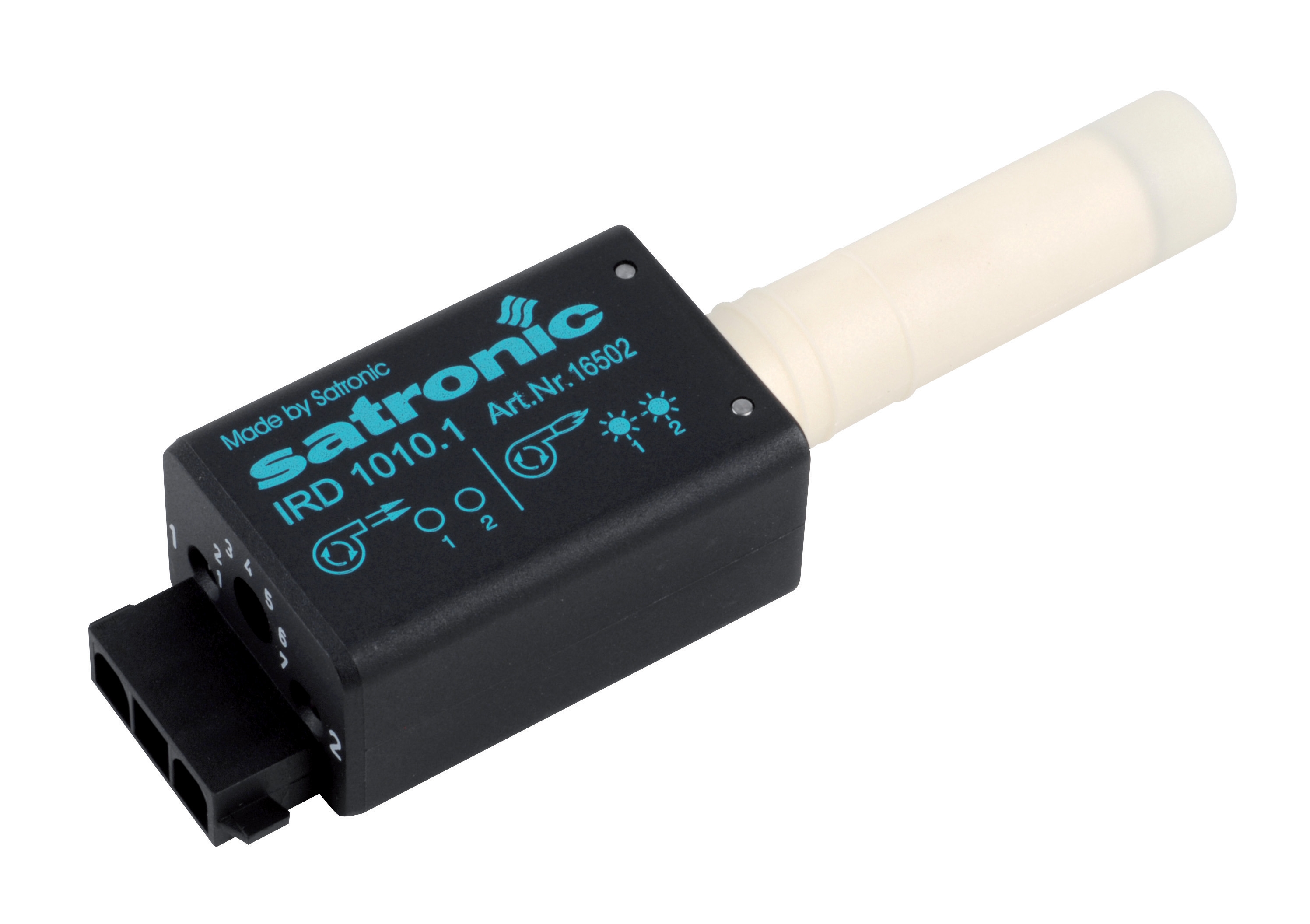
The CBM IRD 1010 blue cell exemplifies modern infrared flame detection for oil burner applications. This detector operates across an 800–1100 nanometer spectral range (with maximum sensitivity at 950 nm when equipped with a daylight filter), supply voltage tolerance of 220/240 V (−15% to +10%), and a frequency response of 15–250 Hz at −12 dB. The IP 41 protection rating ensures resistance to dust and splash in typical industrial environments, while its ability to mount in any position provides installation flexibility.
Key IR detector advantages include:
- Spectral selectivity: The narrow wavelength band (950 nm focus) filters out ambient room light and solar radiation, reducing false flame detections in outdoor or high-ambient-light environments. This is especially valuable in industrial facilities with skylights or open doors.
- Fast response time: Infrared detectors achieve flame signal acquisition in 1–2 seconds, meeting safety control timing requirements across global burner standards (EN 298, ISO 13588, etc.).
- Temperature stability: IR detectors function reliably across wide ambient temperature ranges, critical for facilities in tropical or harsh climates where ambient temperatures may exceed 40°C.
- Maintenance simplicity: Because IR detection doesn't require mechanical adjustment or calibration post-installation, field maintenance involves only cleaning the optical window and checking electrical connections.
Photo-Resistive Cells: Broad-Spectrum Simplicity and Cost Efficiency
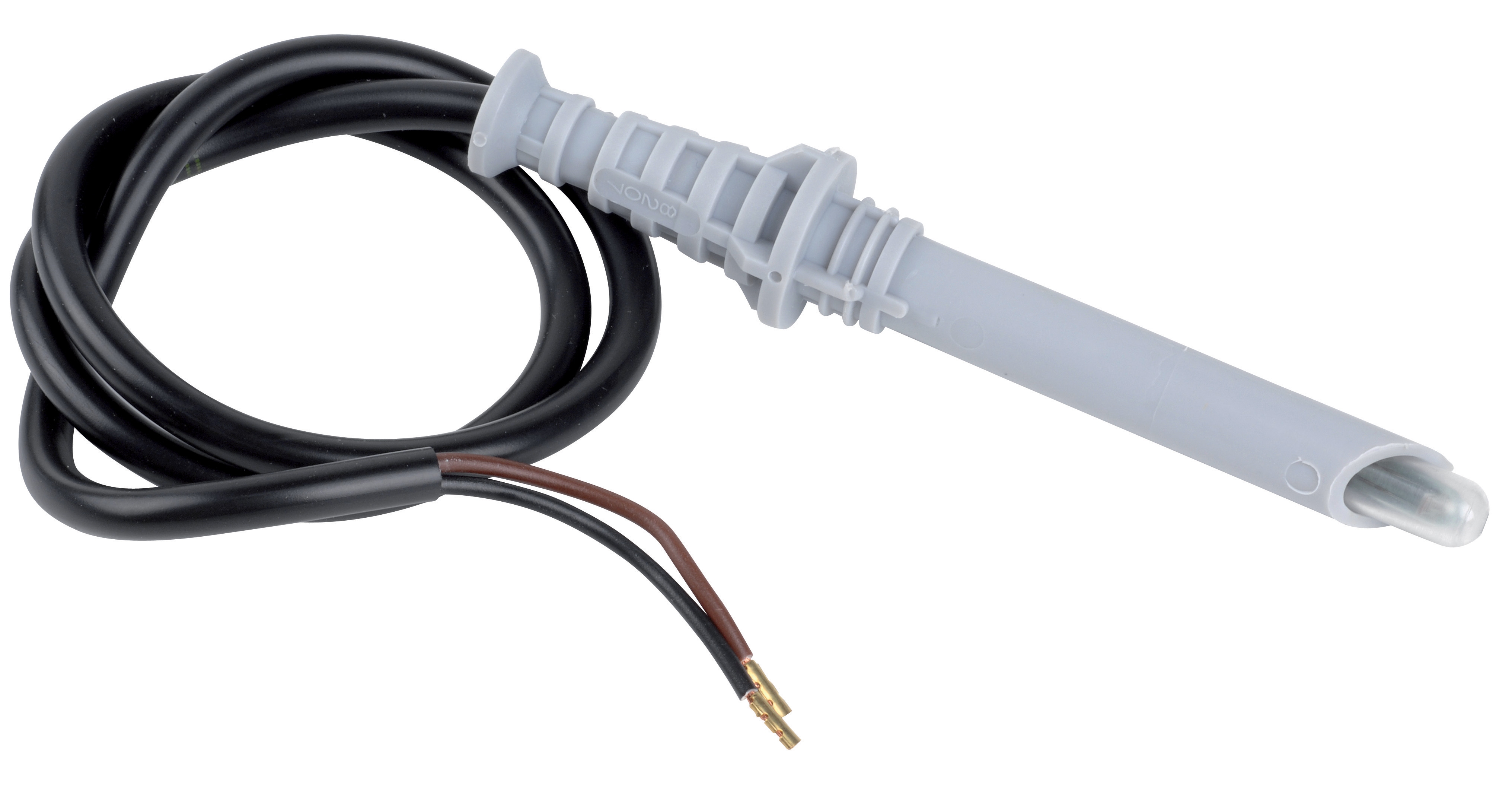
The CBM Cell 8207 represents photo-resistive flame detection technology. Operating as a photo-resistor element, this cell maintains a maximum operating temperature of 100°C and integrates with burner control relays specifically designed for photo-resistive signal interpretation. The cell's resistance decreases in proportion to incident light—a brighter flame produces lower resistance, darker conditions produce higher resistance—creating a variable electrical signal that the control logic interprets as flame presence or absence.
Key photo-resistive cell advantages include:
- Broad spectral response: Photo-resistive cells detect flame across visible and near-infrared wavelengths (typically 400–1000 nm), making them sensitive to the full flame spectrum regardless of whether combustion is burning oil, gas, or biomass fuels.
- Simple electrical integration: Cells output variable resistance rather than modulated frequency signals, simplifying wiring in older or legacy burner systems where modern electronic signal processing is unavailable.
- Cost-effective implementation: Photo-resistive technology has lower manufacturing cost compared to IR detectors with precision filters and spectral control, important for high-volume industrial applications.
- Universal fuel compatibility: Because cells respond to visible light from any combustion source, retrofitting between fuel types (switching from oil to biomass, for example) often requires no detector change.
Integration with Safety Control Relays
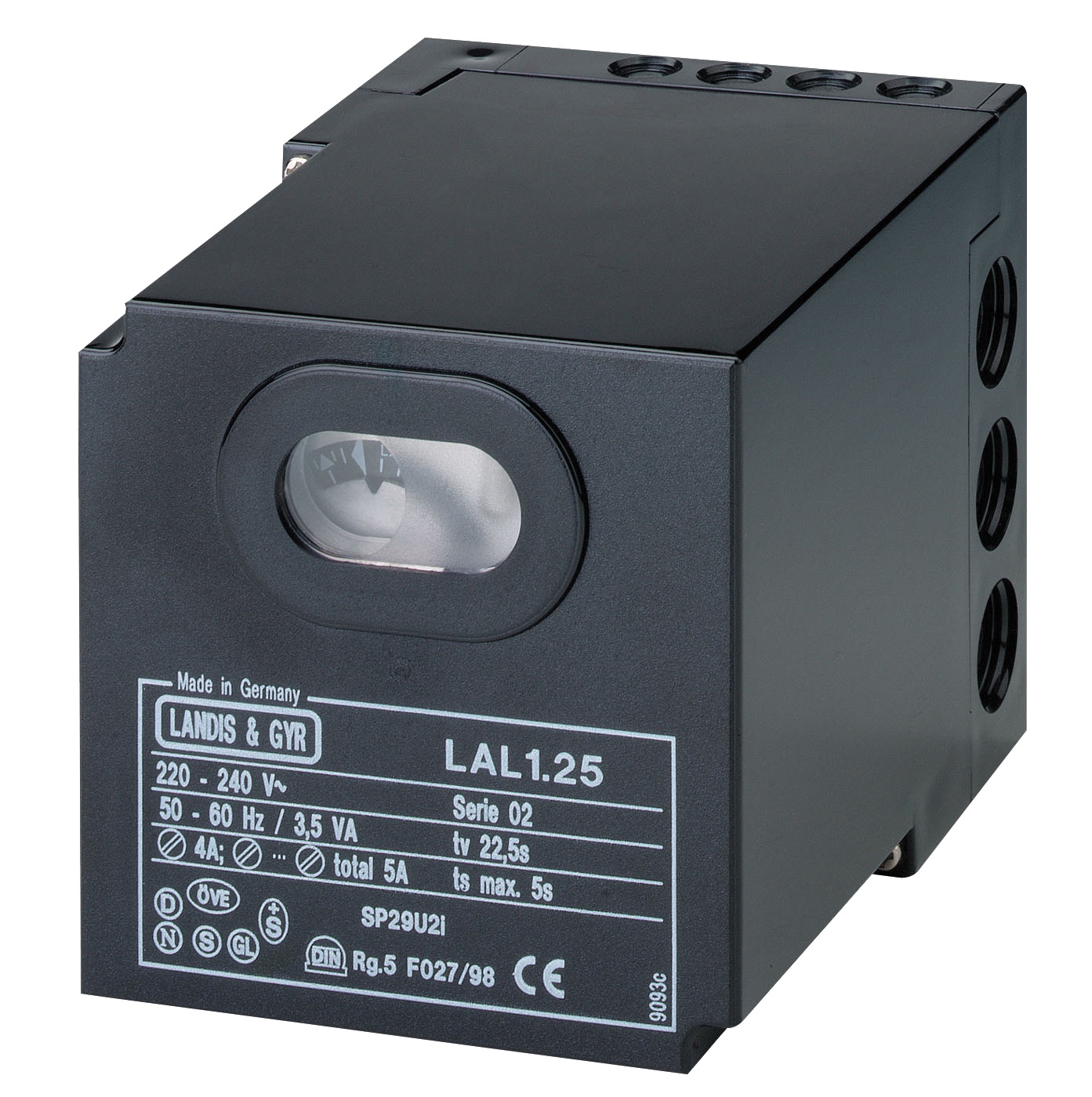
The detection technology must pair correctly with the control relay. The CBM LAL 2.14 safety control relay is specifically designed for intermittent-service oil burners and supports flame monitoring through QRB1 (infrared), QRC1 (blue flame detection), or RAR (photo-electric) sensors. This relay architecture demonstrates how system designers must select flame detectors matched to relay input specifications—mixing incompatible technologies leads to nuisance lockouts or failure to detect true flame loss.
Real-World Application Scenarios Across Global Industrial Sectors
Oil-Fired Boiler Systems in Temperate Industrial Facilities
Consider a European manufacturing plant operating oil-fired steam boilers for process heating. The facility experiences seasonal temperature swings (−5°C to +35°C ambient) and operates under EN 298 (oil burner safety controls) compliance. The infrared-based approach is preferred here because:
- IR detection's temperature stability ensures consistent performance across winter and summer operation.
- The facility's enclosed boiler room has minimal ambient light variation, so IR's daylight-filter rejection advantage is less critical but still valuable during maintenance with work lights.
- Integration with modern Satronic or Honeywell control modules (common in European facilities) expects infrared signal patterns.
Gas Burner Retrofit in Tropical High-Ambient-Light Environments
A food processing facility in Southeast Asia retrofits atmospheric gas burners and operates in a facility with large windows and outdoor burner enclosures. The photo-resistive cell approach is attractive because:
- Gas flame produces strong visible light across the spectrum—photo-resistive cells detect this readily.
- The facility's legacy control relay (designed for photo-resistive inputs) requires minimal wiring changes.
- Initial cost is lower, important for retrofit budgets in developing markets.
- However, the facility must ensure the cell mounting position avoids direct sunlight, which would create constant false flame signals.
Biomass Burner in Demanding Agricultural Operations
An agricultural cooperative operating biomass boilers for facility heating faces highly variable fuel quality (moisture, density, ignition characteristics). Photo-resistive cells excel here because biomass combustion produces bright, visible flame across the full spectrum, and the cell's universal response to visible light overcomes variability in fuel thermal characteristics that might confuse a narrow-band IR detector tuned for oil combustion.
Comparison Table: Infrared vs. Photo-Resistive Flame Detection
| Specification | Infrared Detector (IRD 1010 Example) | Photo-Resistive Cell (Cell 8207 Example) |
|---|---|---|
| Spectral Range | 800–1100 nm (peak 950 nm with filter) | 400–1000 nm (full visible spectrum) |
| Primary Applications | Oil burners, fuel flame monitoring | Oil, gas, and biomass burners |
| Supply Voltage | 220/240 V AC (±15% to +10%) | Integrated with relay (no separate supply) |
| Operating Temperature Range | −20°C to +60°C (ambient) | Max 100°C operating cell temperature |
| Frequency Response | 15–250 Hz (−12 dB) | Variable resistance (real-time) |
| Response Time to Flame Detection | 1–2 seconds (modulated signal) | 0.5–1 second (direct resistance change) |
| False Detection Risk | Low (spectral filtering rejects ambient light) | Higher in high-ambient-light environments |
| Mounting Flexibility | Any position (optical path must see flame) | Directional (must face flame directly) |
| Protection Rating | IP 41 (dust and splash resistant) | Depends on cell holder (typically IP 40–54) |
| Field Maintenance | Clean optical window, verify connections | Verify resistance calibration, clean lens |
| Relative Cost | Higher (precision optical and filtering) | Lower (simple resistive element) |
| Compatibility with Legacy Relays | Modern controls (Satronic, Honeywell) | Older relay designs, easy retrofit |
Integration with Gas Burner Control Systems
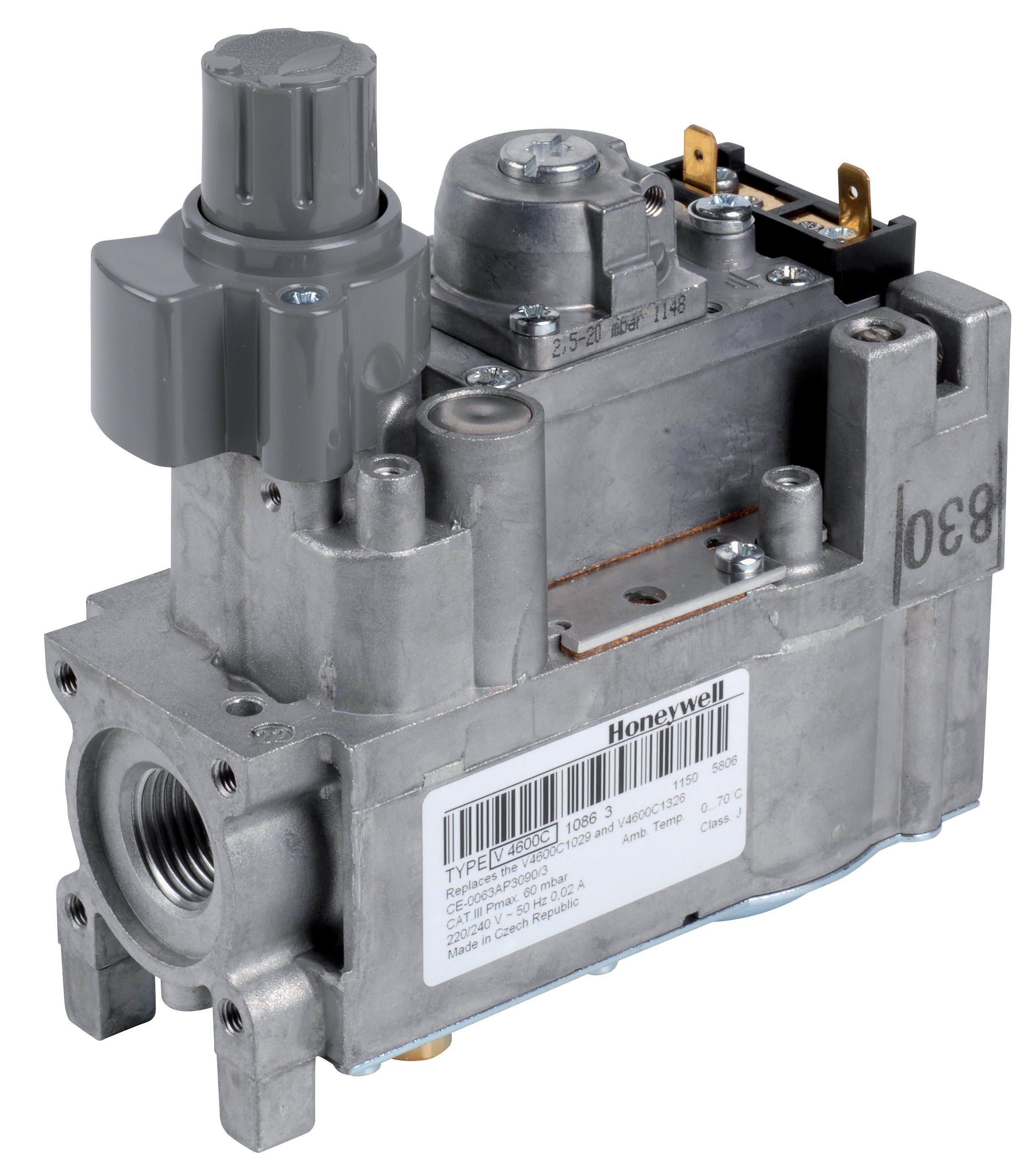
For applications involving gas burners, flame detection must integrate seamlessly with automatic gas control relays. The CBM CM391.2 30.5 1.2 relay, designed for automatic gas burner control with intermittent operation, expects flame monitoring signals from compatible detectors. Gas burner environments differ from oil burners in flame color (often blue rather than yellow/orange), flame intensity stability (gas flames are typically more consistent), and ambient light sensitivity (gas burners are more commonly located indoors with controlled lighting).
In gas burner applications, photo-resistive cells often suffice because gas flame produces strong blue light across the visible spectrum. However, premium gas control systems may employ infrared detection to improve immunity to kitchen lighting variations or facility ambient conditions. The CBM CM391.2 10.10 relay with reinforced isolation provides an alternative architecture that accommodates various flame detection inputs while maintaining safety-critical non-volatile lockout functionality.
Maintenance Teams: Practical Selection Criteria
When evaluating whether to specify infrared or photo-resistive flame detection for a new burner installation or system upgrade, consider these practical criteria:
- Ambient light conditions: Outdoor facilities, facilities with skylights, or open-door environments favor infrared detection's spectral selectivity.
- Fuel type stability: Consistent fuel characteristics (standard commercial oil or piped natural gas) pair well with infrared; variable or mixed fuels favor photo-resistive universality.
- Existing relay architecture: Retrofit projects should prioritize flame detection compatible with installed relay logic to minimize rewiring and testing.
- Climate extremes: Facilities in tropical or arctic climates benefit from infrared's extended temperature stability compared to photo-resistive cells with 100°C maximums.
- Response time criticality: High-hazard applications (steam boiler safety systems) may prefer infrared's modulated signal and proven response timing alignment with international safety standards.
- Total cost of ownership: Photo-resistive cells offer lower initial cost but may require more frequent calibration checks; infrared detectors cost more upfront but minimize ongoing field adjustments.
For technical support selecting the right flame detection architecture for your specific application, 3G Electric's industrial equipment specialists can review your burner type, control relay specification, and facility environment to recommend optimal flame monitoring solutions aligned with global safety standards and your operational context.
Conclusion: Choosing the Right Flame Detection Technology
Both infrared and photo-resistive flame detection technologies deliver reliable burner safety monitoring when properly specified and installed. Infrared detectors excel in environments with high ambient light variation, temperature extremes, or strict spectral selectivity requirements—typical in outdoor or premium industrial facilities. Photo-resistive cells provide cost-effective, universal flame monitoring suitable for controlled indoor environments, legacy system retrofits, and applications with variable fuel types.
The decision ultimately depends on your specific facility context: fuel type, ambient lighting, operating temperature range, existing control architecture, and compliance requirements. Maintenance teams and service engineers should reference detailed technical specifications (response time, spectral range, operating temperature) and real-world performance data from similar facilities in your geographic region to make confident, long-term-reliable selections.
Ready to specify or upgrade your burner flame detection system? Contact 3G Electric today. Our team has served industrial customers globally since 1990 with expert guidance on controls and safety products, technical comparison support, and field installation expertise. Whether you're evaluating infrared detectors, photo-resistive cells, or complete safety control relay systems, we'll help you select components that match your facility's operational and safety requirements.