Electrical Testing & Pressure Monitoring: Essential Tools for Maintenance Teams in Singapore
Maintenance teams across Singapore's industrial sector face a consistent challenge: diagnosing equipment faults safely and accurately under time pressure. Whether troubleshooting electrical circuits in food processing facilities, monitoring pressure systems in manufacturing plants, or verifying gas detection equipment on offshore platforms, your team relies on measurement and detection tools that deliver consistent, trustworthy results. This guide walks you through the practical application of electrical testing instruments and pressure monitoring equipment, focusing on real-world scenarios and the specific tools that enable faster diagnostics with minimal downtime.
Why Electrical Testing and Pressure Monitoring Matter for Industrial Maintenance
Electrical faults and pressure system anomalies are among the most common causes of unplanned downtime in Singapore's industrial operations. A single misdiagnosis can cost thousands of dollars in lost production, not to mention the safety risks posed by undetected electrical hazards or pressure leaks.
Electrical testing serves two critical functions: it confirms circuit continuity and identifies voltage presence without direct contact—protecting your team from shock hazards. Pressure monitoring, meanwhile, provides real-time insight into system performance, allowing preventive maintenance before catastrophic failures occur.
The challenge lies in selecting the right instruments for your specific applications. A non-contact voltage detector works brilliantly for live circuit identification but won't provide the detailed circuit analysis that a full digital multimeter can deliver. Similarly, mechanical pressure gauges give reliable analog readings for steady-state monitoring, while digital inflators with integrated pressure displays are essential for system commissioning and expansion tank maintenance.
In Singapore's humid, corrosive environment—particularly in coastal industrial zones—your measurement tools must withstand environmental stress. Glycerin-filled pressure gauges resist moisture and vibration better than dry gauges. Stainless steel cases protect against salt spray and chemical exposure. Digital instruments with robust battery systems ensure functionality even after extended storage between maintenance cycles.
The most efficient maintenance teams don't rely on a single measurement approach. Instead, they build a toolkit that combines quick-check capabilities with deeper diagnostic capacity, allowing them to triage problems rapidly and escalate to specialist equipment only when necessary.
Essential Electrical Testing Instruments: From Detection to Diagnosis
Your electrical testing toolkit should include instruments designed for different phases of fault diagnosis, starting with the fastest, safest detection method and progressing to detailed circuit analysis only as needed.
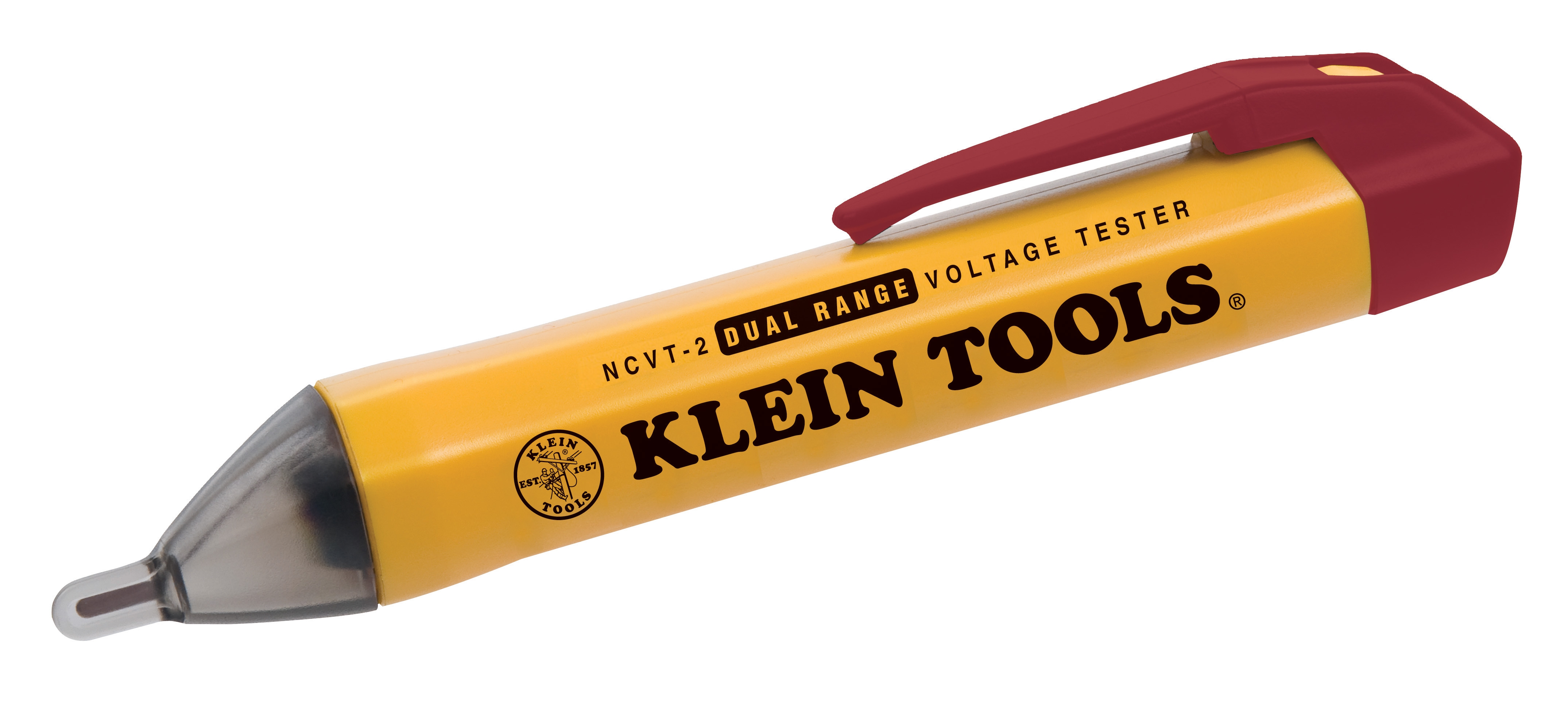
Non-contact voltage detection is your first line of defense. The CBM Non-contact Voltage Detector enables your team to identify whether a circuit is live without ever touching it, eliminating the risk of shock. This instrument uses dual-range detection to work on both standard 120/240V circuits and higher-voltage industrial systems. In practice, a technician can sweep a circuit breaker, outlet, or junction box in seconds to confirm power status before proceeding with detailed testing. This rapid check prevents the majority of workplace electrical accidents.
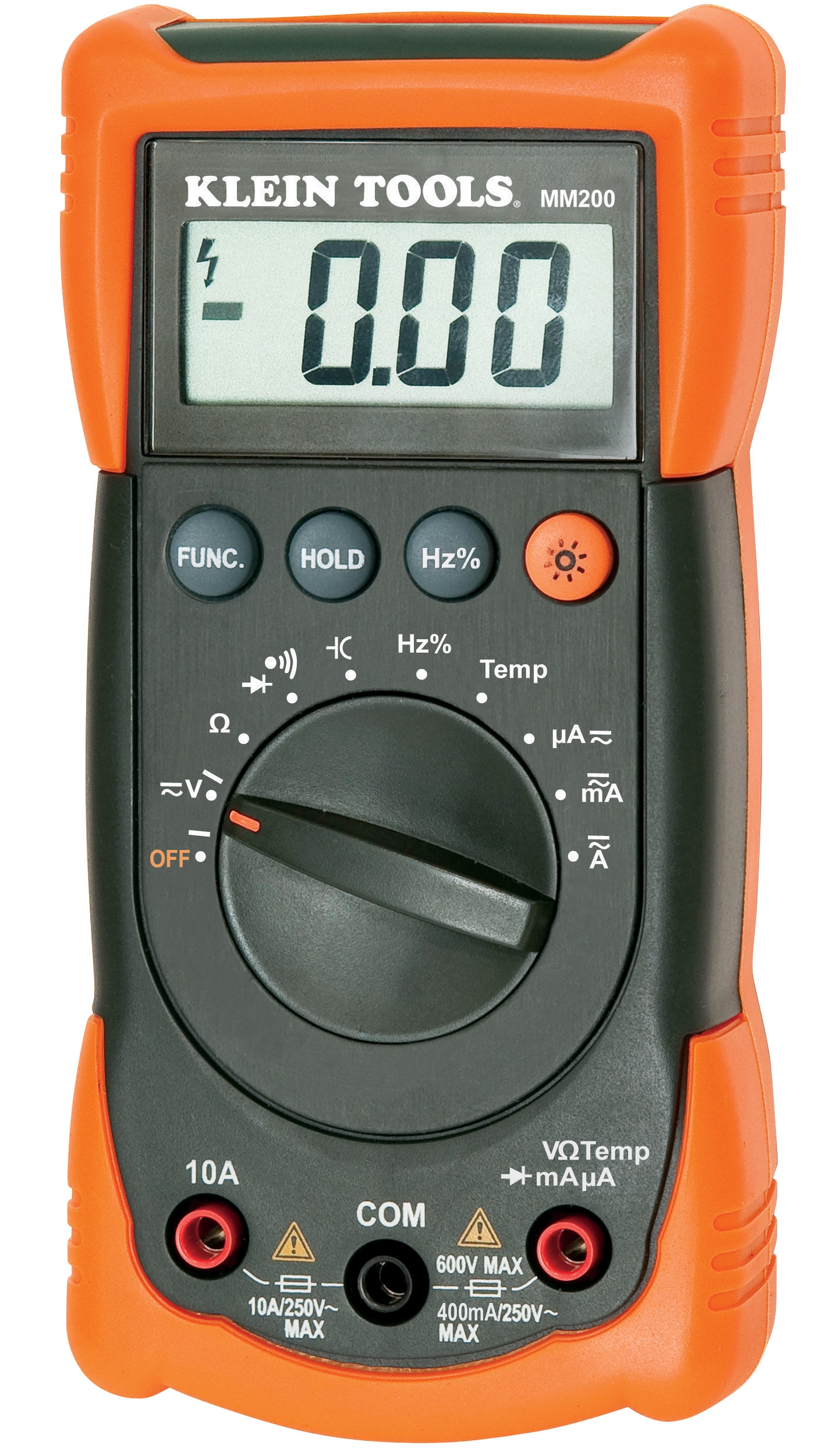
Once you've confirmed power status, detailed circuit analysis requires a CBM Automatic Multimeter MM420. This instrument measures voltage, current, and resistance across a wide range, automatically selecting the appropriate measurement scale. For maintenance teams working across diverse equipment—from HVAC controls to motor circuits to data center infrastructure—automatic ranging saves critical time. Manual ranging instruments force technicians to estimate the expected value and select a range, introducing both delay and the risk of measurement error if the range is chosen incorrectly.
The MM420's low-current measurement capability (accurate down to microamps in some ranges) proves invaluable for diagnosing subtle leakage currents that indicate component degradation. A refrigeration unit's control circuit might show normal voltage but elevated leakage current, signaling that a contactor is about to fail—allowing planned replacement before catastrophic shutdown.
Temperature measurement adds another diagnostic dimension. The CBM Type K Thermocouple for Infrared Thermometers enables contact temperature measurement where infrared reading is blocked by reflective surfaces or required for immersion in fluid systems. Abnormally high temperatures in electrical connections indicate resistance issues (loose terminals, corrosion) that worsen under load. Early detection allows corrective action before overheating causes equipment failure or fire risk.
Pressure Monitoring Systems: Specification Matching and Accuracy
Pressure measurement in Singapore's industrial facilities ranges from low-pressure pneumatic systems (measuring in millibar) to high-pressure hydraulic circuits (measuring in bar or megabar). Selecting the wrong gauge range or construction material leads to rapid gauge failure and unreliable readings.
For low-pressure monitoring—common in pneumatic tool systems, HVAC applications, and compressed air circuits—the CBM Glycerin Stainless Steel Pressure Gauge D50 0/+4bar offers precision in the range where most facility equipment operates. The 50mm dial provides clear, visible readings even in poor lighting conditions. Glycerin filling damps needle oscillation caused by pressure pulsations, providing stable readings that your team can accurately record. The stainless steel case resists corrosion in Singapore's maritime and chemical processing environments.
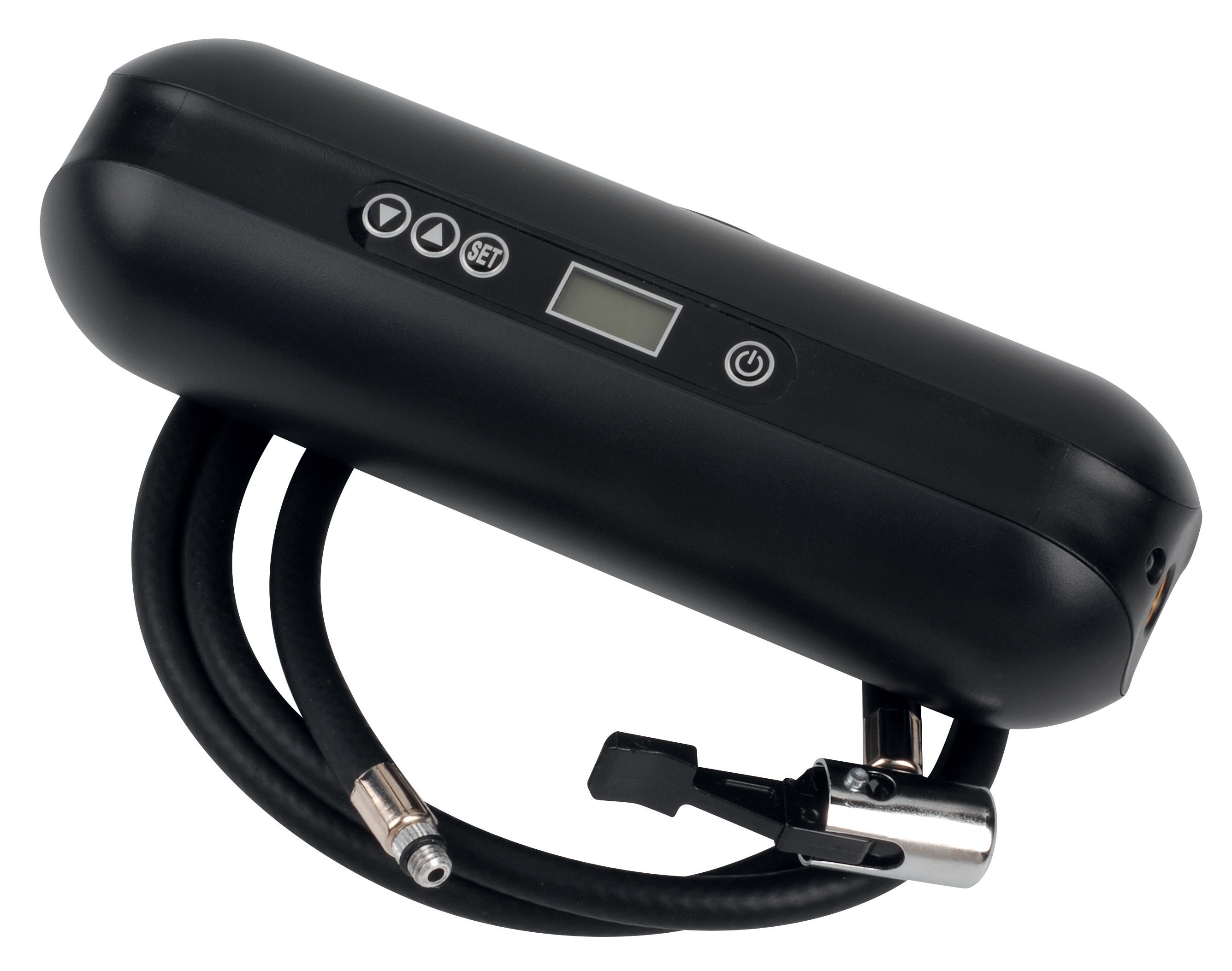
For expansion tank pre-charge verification and system commissioning, the CBM Expansion Tank Inflator with 2000mAH Battery combines inflation capability with integrated digital pressure display. Rather than carrying separate inflation pump and gauge, technicians complete the task with one tool. The digital display eliminates parallax reading errors common with analog gauges. Battery operation ensures function in confined spaces or outdoor locations where compressed air isn't available. The USB charging capability means the tool is always ready—critical for unplanned emergency maintenance.
The automatic shut-off feature prevents over-pressurization, protecting expansion tanks and system components. Manual pressure adjustment via the +/- buttons allows precise tuning to manufacturer specifications, typically 0.5bar below minimum system operating pressure for diaphragm-type tanks.
Accuracy considerations: Most glycerin-filled pressure gauges offer ±2% full-scale accuracy. This means a 0-10bar gauge has ±0.2bar uncertainty. For most maintenance tasks, this accuracy is acceptable. However, if your facility requires tighter tolerance verification (perhaps for precision hydraulic equipment), higher-accuracy instruments with ±1% specification become necessary. CBM's stainless steel range includes models with tighter tolerance specifications for demanding applications.
Real-World Application: Integrated Electrical and Pressure Diagnosis
Consider a typical scenario: A water circulation pump on a chiller system in Singapore's hot climate exhibits reduced output. The facility manager suspects either an electrical control failure or a pressure-side restriction.
Your maintenance team arrives with the combined toolkit. First, they use the non-contact voltage detector to confirm power presence at the motor starter, eliminating basic power loss as the cause. Next, the automatic multimeter confirms proper voltage to the starter coil and measures run current—comparing actual current draw against the motor nameplate rating. Elevated current (within acceptable limits) suggests increased mechanical load.
This finding directs them to pressure testing. They attach the digital pressure gauge and observe suction-side pressure. Low suction pressure indicates either a strainer clogged with algae buildup (common in tropical climates) or a valve restriction. High discharge pressure narrows the diagnosis to a system blockage or worn pump impeller.
Had the team relied solely on the non-contact voltage detector, they might have assumed electrical failure and unnecessarily replaced the starter. Had they started with pressure testing alone, they would have missed the elevated current signature indicating the motor was working harder than normal. The combination of electrical and pressure diagnostics pinpoints the actual problem in minutes.
Selection Criteria: Building Your Maintenance Toolkit
When selecting measurement instruments for your Singapore-based maintenance operation, prioritize these factors:
Environmental durability: Stainless steel cases and glycerin-filled gauges resist salt spray in coastal facilities and chemical exposure in processing plants. Sealed meters protect electronics from humid air and condensation.
Measurement range matching: Select gauges with ranges appropriate to your systems' normal operating pressures. A 0-40bar gauge applied to a 2bar system provides poor resolution. A 0-2.5bar gauge applied to a 40bar system exceeds its safe operating limit.
Portability and battery life: Digital instruments with USB charging survive workplace storage better than those requiring traditional batteries. Compact design fits tool bags without excessive weight.
Accuracy specifications: For routine maintenance, 2% accuracy is acceptable. For commissioning and fine-tuning, 1% or better becomes necessary.
Training requirements: Automatic-ranging multimeters reduce training burden compared to manual-ranging devices. Non-contact voltage detectors require minimal operator skill, making them ideal for rapid deployment.
Conclusion: Partner with 3G Electric for Complete Measurement Solutions
Electrical testing and pressure monitoring form the foundation of predictive maintenance in Singapore's industrial sector. By combining quick-check capabilities (non-contact detection, digital displays) with deeper diagnostic capacity (comprehensive multimeter analysis, precision thermocouples), your maintenance team gains the ability to diagnose problems faster, reduce false diagnoses, and prevent costly downtime.
3G Electric has served Singapore's industrial maintenance community since 1990, providing trusted measurement and detection equipment backed by local expertise. Our CBM product range is specifically selected for tropical industrial applications, with proven performance across food processing, chemical manufacturing, HVAC systems, and maritime facilities.
Ready to upgrade your maintenance toolkit? Contact 3G Electric today to discuss your specific measurement needs, request technical specifications, or arrange an on-site evaluation. Our team can help you build an integrated electrical testing and pressure monitoring system tailored to your facility's unique requirements. Explore our complete Measurement & Detection collection or reach out directly—we're here to help your team work safer and smarter.