Dual Fuel Burner Systems vs Single Fuel: A Technical Comparison for Industrial Applications in Singapore
Industrial facilities across Southeast Asia face critical decisions when specifying burner systems for heating, steam generation, and process applications. One of the most significant choices involves selecting between dual fuel (gas/diesel) burner systems and single fuel alternatives. This technical explainer analyzes the operational, economic, and performance advantages and disadvantages of each approach, helping industrial professionals make informed decisions aligned with their facility's specific requirements and regional fuel availability.
Understanding Single Fuel vs Dual Fuel Burner Architecture
Single fuel burner systems operate exclusively on one fuel source—either natural gas, LPG, or diesel—with dedicated combustion engineering optimized for that specific fuel type. These burners feature streamlined fuel delivery systems, fixed nozzle configurations, and combustion head designs calibrated for consistent performance with one fuel's combustion characteristics.
Dual fuel burner systems, by contrast, integrate sophisticated fuel switching mechanisms that allow seamless operation on either gas or diesel without requiring physical reconfiguration. This flexibility demands more complex fuel train architecture, dual nozzle systems, and control logic capable of managing different ignition temperatures, combustion pressures, and flame characteristics between fuel types.
Advantages of Single Fuel Systems: Simplified design reduces mechanical complexity and potential failure points. Single fuel burners typically achieve superior fuel efficiency within their specific fuel domain because combustion parameters are precisely tuned for that fuel's properties. Maintenance costs remain lower due to fewer moving parts and specialized components. Initial capital investment is generally 20-35% lower than equivalent dual fuel models. Single fuel systems are ideal for facilities with reliable, long-term access to one fuel type and minimal operational flexibility requirements.
Advantages of Dual Fuel Systems: Operational resilience stands as the primary benefit—facilities can maintain production continuity if one fuel supply becomes unavailable due to supply chain disruptions, regional shortages, or pricing volatility. This redundancy is particularly valuable in Southeast Asia, where supply chains can face seasonal variations or logistical constraints. Dual fuel burners optimize automatically between fuel sources, allowing operators to select the most economical option based on real-time market conditions. For facilities in areas subject to fuel supply regulations or restrictions, dual fuel capability provides essential flexibility.
Technical Specifications and Component Integration
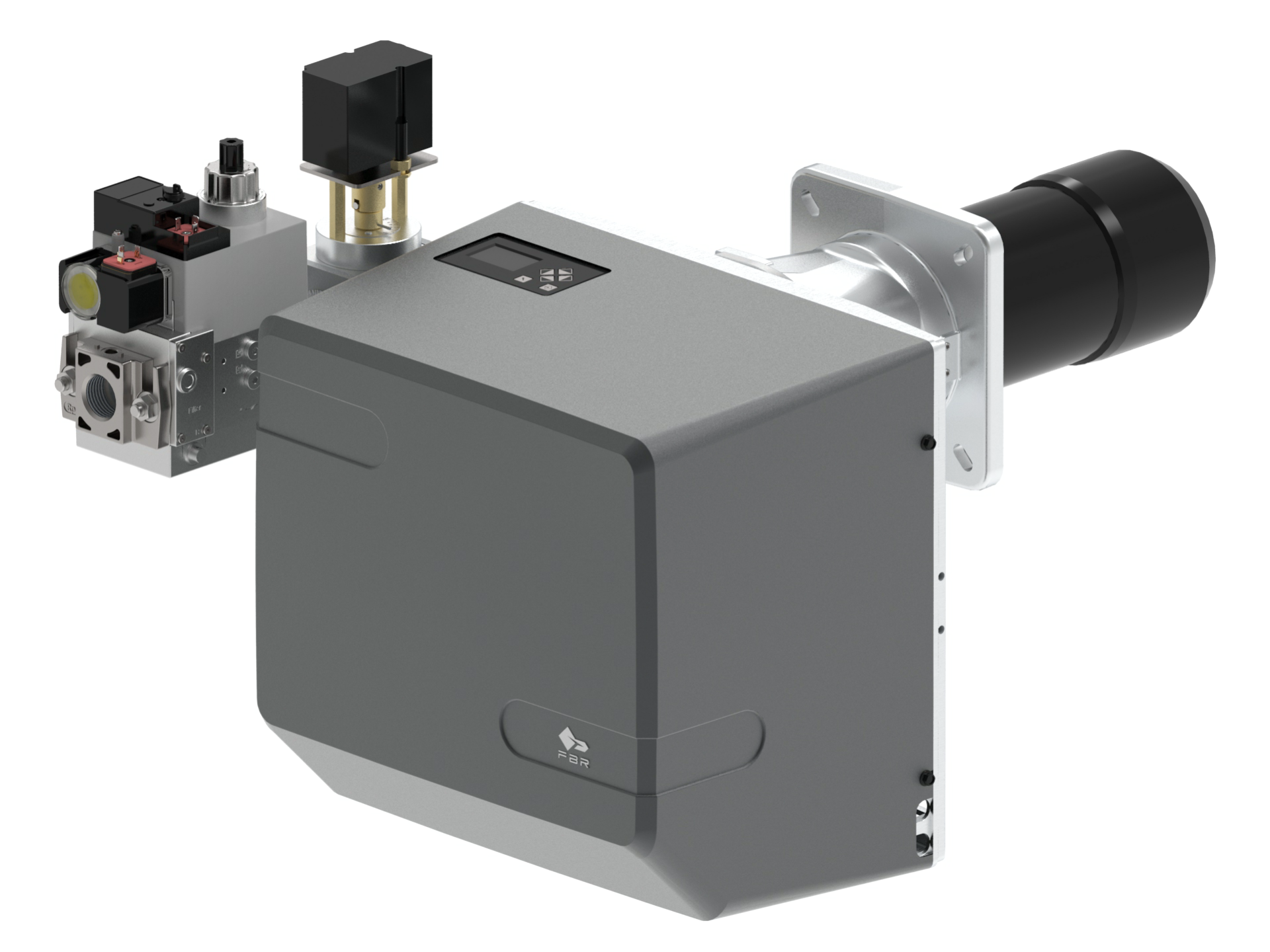
Modern industrial burners rely on modulating systems that adjust fuel flow and air supply to match load requirements. The FBR GAS X5/MF TL EL VC burner exemplifies advanced single fuel gas technology, delivering maximum power output of 349 kW with a minimum of 69.8 kW, providing wide modulation range for variable load applications. This burner features die-cast aluminum construction, high-pressurization fan design, and a specialized combustion head engineered for natural gas and LPG fuel categories including I2R, I2H, I2L, I2E variants and I3B/P series. The IP 40 electrical protection rating ensures reliability in industrial environments, while the minimum pressure gas train specification of 27/33 mbar accommodates diverse regional gas supply conditions.
The FBR GM X4 TC burner operating on methane provides single fuel optimization with 232 kW maximum output and 116 kW minimum, featuring a 160mm nozzle specifically engineered for methane combustion characteristics. Single fuel burners like this achieve tighter combustion efficiency curves because engineers can optimize nozzle atomization, air swirl patterns, and combustion chamber geometry exclusively for one fuel's physical properties.
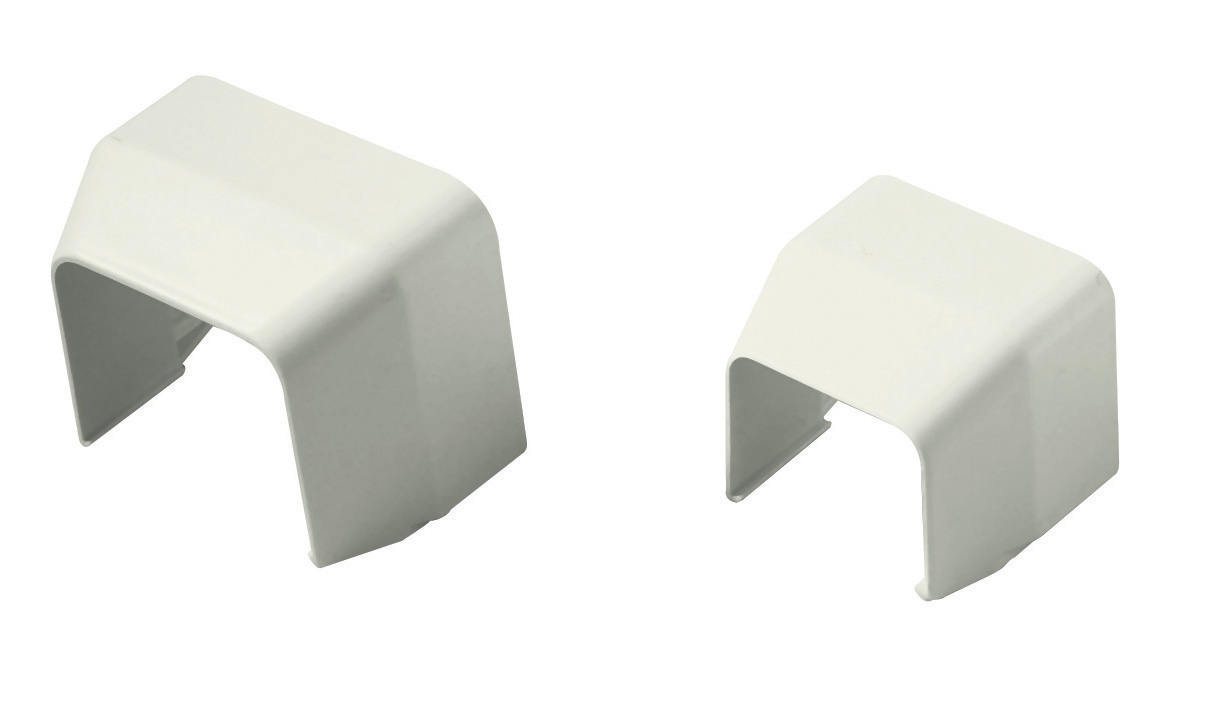
Dual fuel systems require additional auxiliary components. Flat elbow 90° fittings and reduction adapters enable flexible fuel line routing between multiple fuel sources and the burner's dual fuel manifold. The 60mm combustion tips represent standardized components that work across various burner architectures, simplifying maintenance and spare parts inventory. Anti-vibration components like the CBM anti-vibration pouches become more critical in dual fuel installations, where the increased mechanical complexity of fuel switching systems can introduce additional vibration sources.
Installation infrastructure also differs. Single fuel systems often mount on standard wall bracket supports with straightforward horizontal positioning. Dual fuel burners frequently require more substantial mounting solutions and additional support infrastructure due to heavier fuel manifold assemblies and more complex control electronics.
Real-World Industrial Applications Across Southeast Asia
Textile manufacturing facilities throughout Southeast Asia frequently employ dual fuel burners for steam generation, where fuel cost volatility directly impacts production margins. These operations benefit from the ability to switch between cheaper LPG during monsoon supply periods and diesel during high-demand seasons, optimizing operating costs while maintaining consistent steam output. A typical 250 TPH boiler with dual fuel capability can realize 8-12% annual energy cost savings through intelligent fuel selection.
Food processing plants with critical refrigeration and pasteurization requirements favor single fuel systems when they operate in proximity to stable natural gas infrastructure—primarily in urban industrial zones of Singapore, Bangkok, and Ho Chi Minh City. These facilities prioritize combustion reliability and maintenance simplicity over operational flexibility. Their burners run continuously at consistent load levels, eliminating the economic justification for dual fuel complexity.
Chemical and petrochemical operations in remote industrial parks increasingly specify dual fuel configurations. These facilities face unpredictable feedstock schedules, process variations requiring emergency thermal capacity, and supply chain vulnerabilities. The operational redundancy justifies 25-40% higher capital investment because production downtime costs (often exceeding $50,000 per hour) far exceed fuel system expenses.
Hospitality and commercial HVAC systems rarely justify dual fuel burners. Single fuel natural gas systems dominate in developed urban areas where infrastructure reliability is assured, while diesel single fuel burners serve rural resorts and remote facilities with stable, lower fuel consumption requirements.
Selection Criteria and Best Practices
Evaluate Fuel Supply Reliability: Assess your region's fuel infrastructure redundancy. Singapore's integrated gas network supports single fuel decisions. Rural Cambodian or Laotian facilities benefit significantly from dual fuel flexibility.
Calculate Total Cost of Ownership: Beyond initial purchase price, consider maintenance complexity, spare parts availability in your region, and fuel price volatility over your equipment's 10-15 year lifespan. Southeast Asia's fuel price fluctuations—averaging 18-25% annual variation—often justify dual fuel investment in price-sensitive industries.
Load Profile Analysis: Facilities with highly variable load profiles benefit from modulating dual fuel burners' ability to optimize across fuel sources. Consistent baseload operations favor single fuel simplicity.
Regulatory Requirements: Verify emissions standards compliance. Some Southeast Asian jurisdictions incentivize natural gas adoption with lower emissions fees, reducing dual fuel economic advantage.
Service and Support Infrastructure: Confirm your region has qualified technicians for your chosen burner type. 3G Electric's service network across Southeast Asia supports both architectures, but local expertise varies by location.
Conclusion: Making Your Industrial Burner Decision
The choice between dual fuel and single fuel burner systems represents a strategic investment decision that extends far beyond initial equipment cost. Single fuel burners deliver superior efficiency, lower complexity, and reduced maintenance overhead when fuel supply is reliable and operational flexibility is unnecessary. Dual fuel systems provide invaluable resilience, economic optimization, and supply chain protection for facilities requiring operational continuity in competitive markets.
For industrial professionals across Southeast Asia evaluating burner systems, the optimal choice depends on site-specific fuel availability, load profiles, regional supply chain stability, and total cost of ownership calculations spanning your equipment's operational lifetime. Both approaches represent mature, reliable technologies when properly specified and maintained by qualified professionals.
3G Electric's team has supported industrial facilities throughout Southeast Asia since 1990, providing technical expertise in burner selection, installation, and long-term support. Whether your operation requires single fuel optimization or dual fuel redundancy, our distributors can guide you through specification, comparison, and implementation. Contact 3G Electric today to discuss your facility's specific requirements and explore which burner system delivers maximum performance and reliability for your industrial application.