Diagnostic & Measurement Tools Comparison: Selecting the Right Equipment for Industrial Maintenance & Service Operations
Industrial maintenance teams depend on accurate diagnostic and measurement equipment to identify equipment failures, verify system performance, and troubleshoot complex mechanical and electrical problems. The choice between different diagnostic tools significantly impacts diagnostic accuracy, technician safety, and overall maintenance efficiency. This article provides a technical comparison of essential measurement devices used in contemporary maintenance and service operations, examining specification differences, practical applications, and real-world performance considerations for service engineers operating across global industrial facilities.
Understanding Diagnostic Equipment Categories in Modern Maintenance
Diagnostic and measurement tools fall into distinct functional categories, each addressing specific maintenance challenges. Electrical measurement instruments identify voltage presence, measure current flow, and verify circuit integrity—critical for troubleshooting electrical faults before they escalate into safety hazards. Non-contact voltage detectors provide rapid voltage detection without physical contact, enabling technicians to verify de-energized circuits safely before working on electrical systems. Digital multimeters measure voltage, current, and resistance across multiple ranges, offering comprehensive electrical diagnostics for circuit analysis and component testing.
Beyond electrical diagnostics, maintenance teams require specialized measurement instruments for system-specific applications. Pressure measurement devices quantify hydraulic and pneumatic system performance, identifying over-pressurization risks and confirming proper system charging. Temperature measurement instruments, including thermocouples and infrared thermometers, detect thermal anomalies indicating bearing degradation, electrical hotspots, or combustion efficiency problems. Vacuum measurement tools assess refrigeration and HVAC system integrity, detecting leaks before charging operations.
The integration of these tools into a comprehensive diagnostic protocol depends on facility type, equipment portfolio, and regional regulatory requirements. Tropical Southeast Asian operations, for example, present unique challenges: high humidity accelerates electrical corrosion, temperature extremes affect measurement accuracy, and equipment operates at elevated ambient temperatures. Equipment selection must account for these environmental factors alongside primary diagnostic function.
Technical Comparison: Electrical Measurement Instruments
The CBM Automatic Multimeter MM420 represents a fundamental diagnostic tool for electrical troubleshooting. This instrument measures AC/DC voltage up to standard household and light industrial levels, with separate current ranges for low-current diagnostics (400 mA maximum) and higher-current applications (10 A maximum). The 9V battery power and 400 mA/250 V fuse protection provide safe operation within typical industrial electrical environments.
Advantages of automatic-range multimeters:
- Simplified operation—technicians do not manually select voltage/current ranges, reducing selection errors
- Faster diagnosis—automatic ranging accelerates troubleshooting during time-sensitive equipment shutdowns
- Reduced component damage—automatic selection prevents exposing sensitive circuits to inappropriate measurement ranges
Limitations to consider:
- Lower resolution—automatic ranging sacrifices precision on low-signal measurements compared to manual-range instruments
- Slower response—automatic selection adds slight processing delay unsuitable for high-frequency signal analysis
- Tropical environment concerns—9V battery performance degrades in high-heat, high-humidity conditions requiring frequent replacement
The CBM Non-Contact Voltage Detector addresses safety-critical applications where physical contact with energized circuits presents unacceptable risk. With a detection range of 6 mm maximum and dual-range capability, this instrument rapidly confirms voltage presence without probe contact. Non-contact detectors excel in identifying live circuits before technicians touch equipment, preventing accidental electrocution and arc flash incidents.
Non-contact detector strengths:
- Safety-first operation—confirms circuit de-energization before physical contact
- Rapid scanning—technicians quickly survey multiple circuits without individual probe placement
- Minimal maintenance—no probe wear or battery drain from measurement current
Non-contact detector limitations:
- Detection-only capability—provides presence/absence information, not precise voltage measurement
- False positives in electromagnetic fields—capacitively coupled voltage near (but not on) energized conductors triggers false detection
- No measurement data for diagnostics—technicians must follow non-contact detection with multimeter measurements for circuit analysis
Best practice integration: Use non-contact detectors first to confirm de-energization for safety, then deploy multimeters for precise voltage/current measurement and circuit analysis. This two-stage approach minimizes electrocution risk while enabling comprehensive diagnostics.
Specialized Measurement Instruments for System-Specific Diagnostics
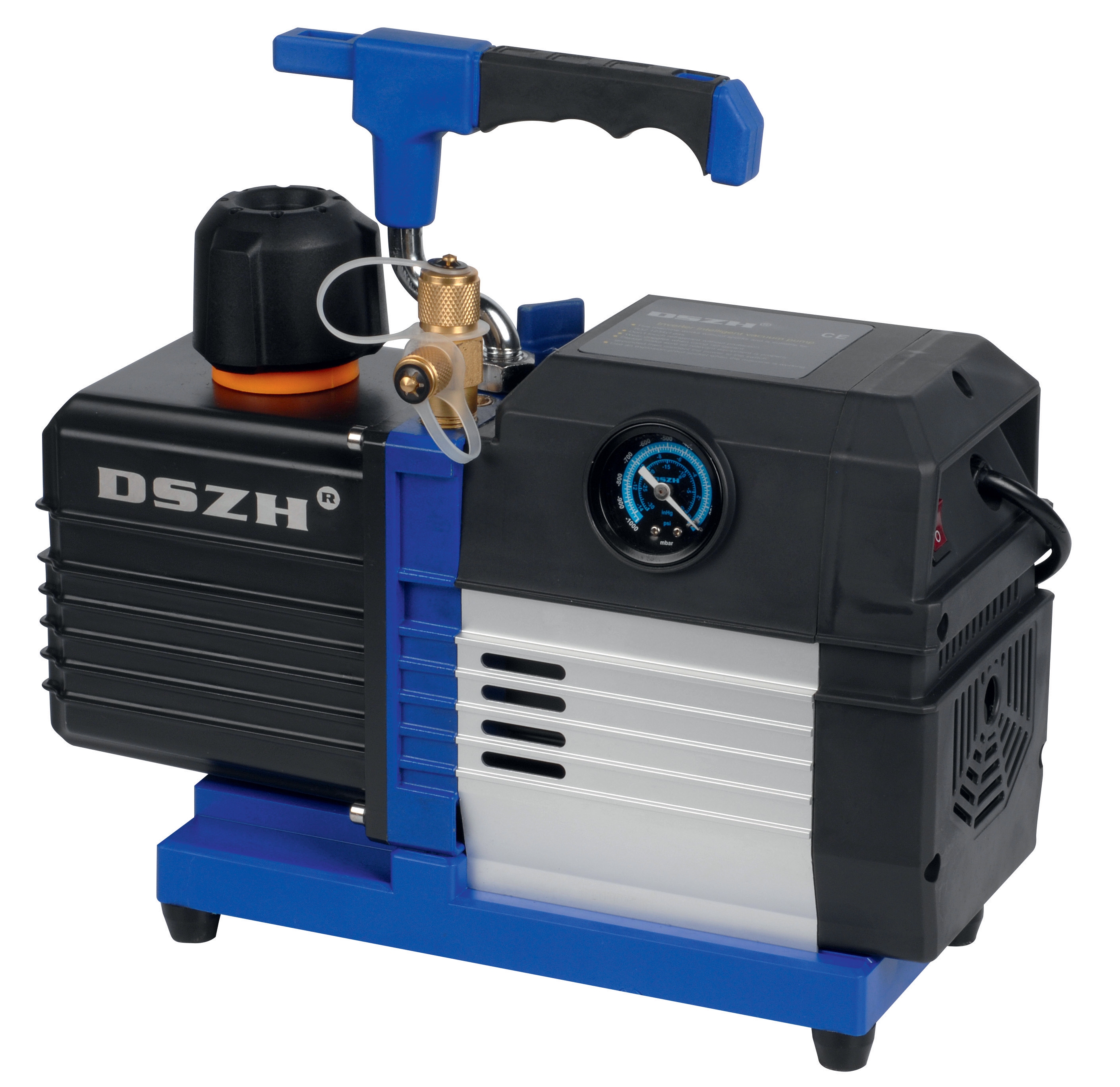
Industrial systems require specialized measurement instruments beyond general electrical diagnostics. The CBM Vacuum Pump 71 L/MIN (model WK-2BM) represents essential equipment for HVAC, refrigeration, and air conditioning maintenance—critical applications across Southeast Asian industrial facilities where cooling systems operate continuously in tropical climates.
This intelligent vacuum pump delivers 71 liters per minute flow capacity with dual inlet ports (1/4" and 3/8") accommodating various system configurations. The 600 ml oil capacity supports extended evacuation cycles without frequent oil changes, reducing maintenance downtime. Intelligent pump technology automatically optimizes evacuation efficiency based on system conditions, adapting pump operation to prevent oil backflow and moisture contamination.
Critical vacuum pump diagnostics:
- System leak detection—evacuation rate monitoring identifies even small refrigerant leaks before charging
- Moisture removal—proper vacuum evacuation removes atmospheric moisture preventing compressor damage
- System integrity verification—successful deep vacuum achievement confirms system cleanliness and proper assembly
For pressure system diagnostics, the CBM Glycerin Stainless Steel Pressure Gauge (0-4 bar G1/4 connection) provides corrosion-resistant measurement in tropical environments. The glycerin-filled gauge interior protects measurement accuracy against humidity exposure and mechanical vibration that would degrade conventional dry gauges. The 50 mm dial offers readable pressure indication under field conditions, while stainless steel construction resists corrosion in high-humidity Southeast Asian operations.
Pressure gauge selection impacts HVAC system diagnostics: improper gauge rating leads to measurement error, over-pressurization damage, or component failure. The 4 bar rating suits low-pressure refrigeration systems; higher-pressure applications (industrial hydraulics, air compression) require different gauge specifications.
Temperature measurement via the CBM Type K Thermocouple High Temperature attachment enables infrared thermometer diagnostics for bearing temperature, electrical hotspot detection, and combustion efficiency assessment. Type K thermocouples measure -200°C to +1200°C across industrial temperature ranges, providing diagnostic data for equipment condition monitoring and predictive maintenance protocols.
Real-World Application Examples: Diagnostic Tools in Industrial Settings
Scenario 1: Air Conditioning System Installation & Commissioning (Tropical Southeast Asia)
A Singapore-based maintenance team installs a new modular air conditioning system requiring HVAC equipment diagnostics. The technician uses the CBM Vacuum Pump to evacuate the system to proper vacuum levels before refrigerant charging—evacuation time monitoring using the pump's flow rate determines system integrity and leak status. Once vacuum is confirmed, the glycerin pressure gauge monitors refrigerant charging pressure, ensuring proper system pressurization. Finally, the Type K thermocouple provides suction/discharge temperature measurement verifying proper refrigerant circulation. This integrated diagnostic sequence prevents costly system damage and ensures reliable cooling operation in high-ambient-temperature environments.
Scenario 2: Electrical Troubleshooting During Equipment Failure
An industrial facility experiences unexpected pump motor shutdown. The maintenance technician first uses the non-contact voltage detector to confirm the motor circuit is de-energized before approaching the equipment—a critical safety step preventing accidental electrocution. Once confirmed safe, the multimeter measures supply voltage to the motor contactor, verifies control circuit voltage, and measures motor winding resistance. The combination of rapid non-contact detection and precise multimeter measurements enables root-cause identification: a tripped thermal overload requiring investigation of cooling system performance or mechanical binding.
Scenario 3: Predictive Maintenance Monitoring for Rotating Equipment
A facility implements condition-based maintenance using regular temperature and vibration trending. Type K thermocouples installed on bearing housings feed temperature data into monitoring systems, alerting technicians when bearing temperatures exceed baseline conditions—indicating lubrication degradation or internal damage. Combined with periodic visual inspection and acoustic monitoring, temperature trends enable technicians to schedule bearing replacement during planned maintenance windows rather than responding to catastrophic failure.
Technical Specification Comparison Table
| Instrument | Primary Function | Key Specifications | Typical Applications | Environmental Limitations |
|---|---|---|---|---|
| CBM Automatic Multimeter MM420 | Multi-range electrical measurement | AC/DC voltage; Low current 0-400 mA; High current 0-10 A; 9V battery; 400 mA fuse | Circuit voltage verification, component resistance testing, control circuit diagnostics | Battery performance degrades in high heat; sensitive to moisture ingress; 9V battery replacement required every 6-12 months in tropical use |
| CBM Non-Contact Voltage Detector | Rapid voltage presence detection | Dual-range detection; 6 mm detection range max; No probe contact required | Safety verification before maintenance work, rapid circuit scanning, energized circuit identification | False positives near high-impedance circuits; reduced accuracy in high electromagnetic interference environments; does not measure voltage magnitude |
| CBM Vacuum Pump 71 L/MIN | System evacuation & leak detection | WK-2BM model; 71 L/min flow; 1/4" & 3/8" inlets; 600 ml oil capacity; Intelligent control | HVAC/refrigeration system evacuation, pre-charge leak detection, moisture removal, system commissioning | Oil viscosity changes in extreme heat reduce pump efficiency; requires monthly oil inspection in continuous tropical operation; inlet port clogging from moisture requires regular filter maintenance |
| CBM Glycerin Pressure Gauge 0-4 bar | Low-pressure system measurement | 0-4 bar range; G1/4" port connection; Stainless steel body; Glycerin damping; 50 mm dial | Refrigeration charge pressure monitoring, low-pressure pneumatic systems, HVAC diagnostics | Unsuitable for pressures above 4 bar (risk of gauge rupture); glycerin internal fluid expands in high heat (reduces accuracy above 50°C ambient); dial readability compromised in direct sunlight |
| CBM Type K Thermocouple | Temperature measurement for infrared instruments | Type K specification; -200°C to +1200°C range; High-temperature probe | Bearing temperature monitoring, electrical hotspot detection, combustion efficiency measurement, predictive maintenance trending | Probe oxidation in high-temperature combustion environments requires periodic replacement; connection corrosion in high-humidity environments; requires compatible infrared thermometer interface |
Integrated Diagnostic Protocol: Selecting Tool Combinations for Specific Maintenance Tasks
Effective maintenance programs integrate multiple diagnostic tools into systematic troubleshooting protocols rather than deploying individual instruments in isolation. The specific tool combination depends on equipment type, failure mode investigation, and safety requirements.
For air conditioning system maintenance, vacuum pump and pressure gauge selection determines commissioning success. The vacuum pump evacuates systems to remove moisture and air; the pressure gauge confirms proper refrigerant charge and monitors performance during operation. Type K thermocouple measurements on suction/discharge lines verify proper refrigerant circulation and identify overcharge conditions causing excessive discharge pressure.
For general electrical maintenance and service, non-contact detection precedes multimeter deployment for maximum safety. The non-contact detector rapidly confirms circuit de-energization before technicians approach electrical equipment; the multimeter then provides precise voltage, current, and resistance measurements for circuit analysis and component-level diagnostics.
For industrial pump and equipment diagnostics, temperature monitoring via Type K thermocouples provides early warning of bearing degradation or lubrication failure. Combined with periodic vibration analysis and acoustic monitoring, temperature trending enables predictive maintenance scheduling—replacing components during planned maintenance rather than responding to catastrophic failure.
Geographic and climatic considerations influence equipment selection significantly. Tropical operations in Southeast Asia require robust, corrosion-resistant instruments with automatic temperature compensation for high-ambient-temperature accuracy. The glycerin-filled pressure gauge resists humidity-induced corrosion better than conventional dry gauges; the stainless steel construction and epoxy-painted metal components resist salt-air corrosion near coastal facilities.
Maintenance Infrastructure: Supporting Equipment for Diagnostic Tool Operations
Diagnostic instruments require supporting infrastructure for reliable long-term operation. The CBM Expansion Tank Inflator Battery 2000 mAH demonstrates integrated tool design combining air pressure measurement with battery power, enabling technicians to commission expansion tanks without external compressed air. The 2000 mAH battery capacity supports multiple pressurization cycles; digital pressure display in multiple units (PSI, BAR, KPA, KG/CM²) accommodates global facility standards.
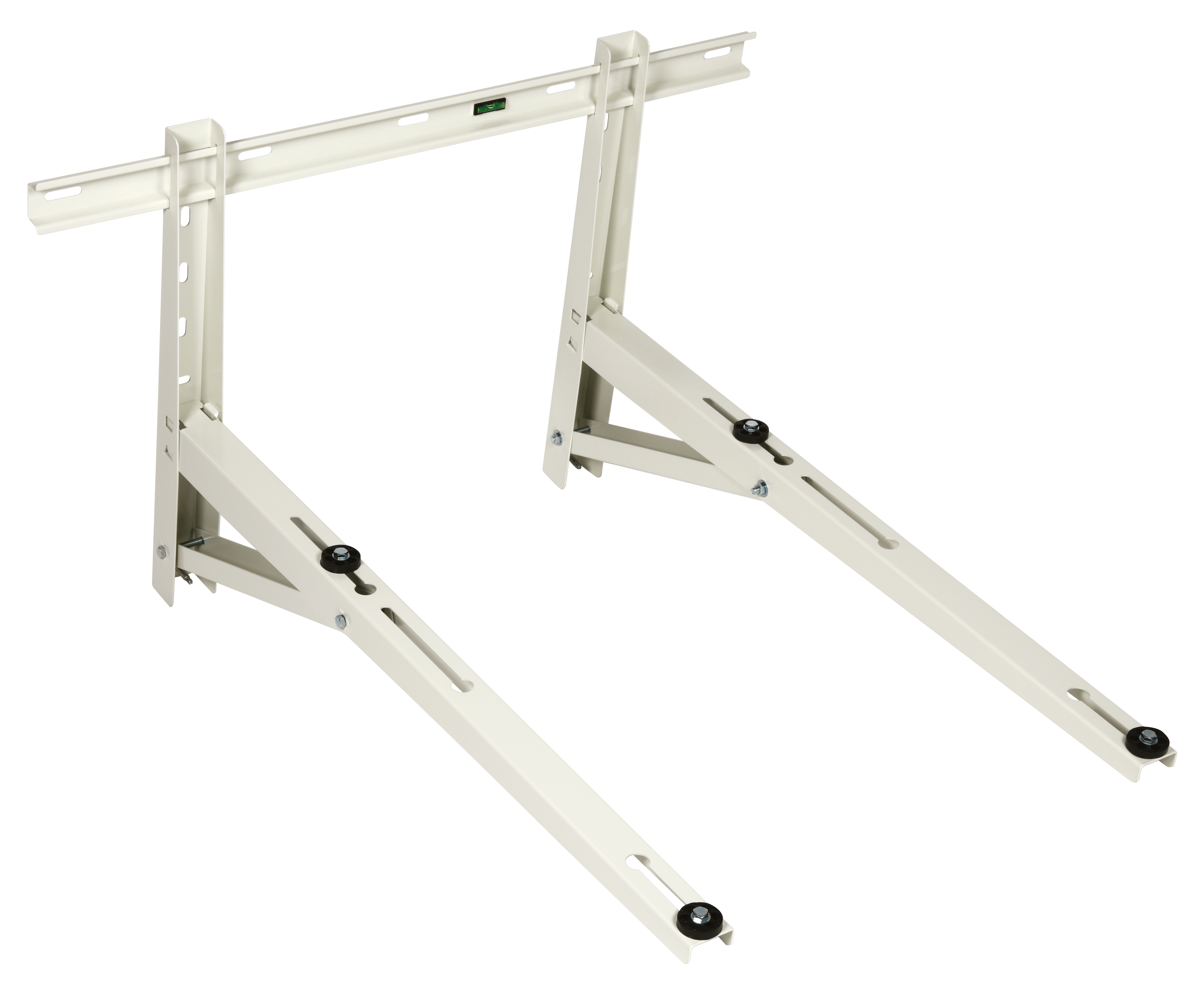
For measurement equipment and system support, proper mounting and installation infrastructure ensures accurate diagnostic readings. The CBM Wall Bracket 1000 (200 kg capacity) enables secure installation of pressure gauges, thermocouples, and monitoring equipment on facility walls without vibration-induced measurement errors. Proper bracket selection prevents gauge movement that distorts readings and compromises diagnostic accuracy.
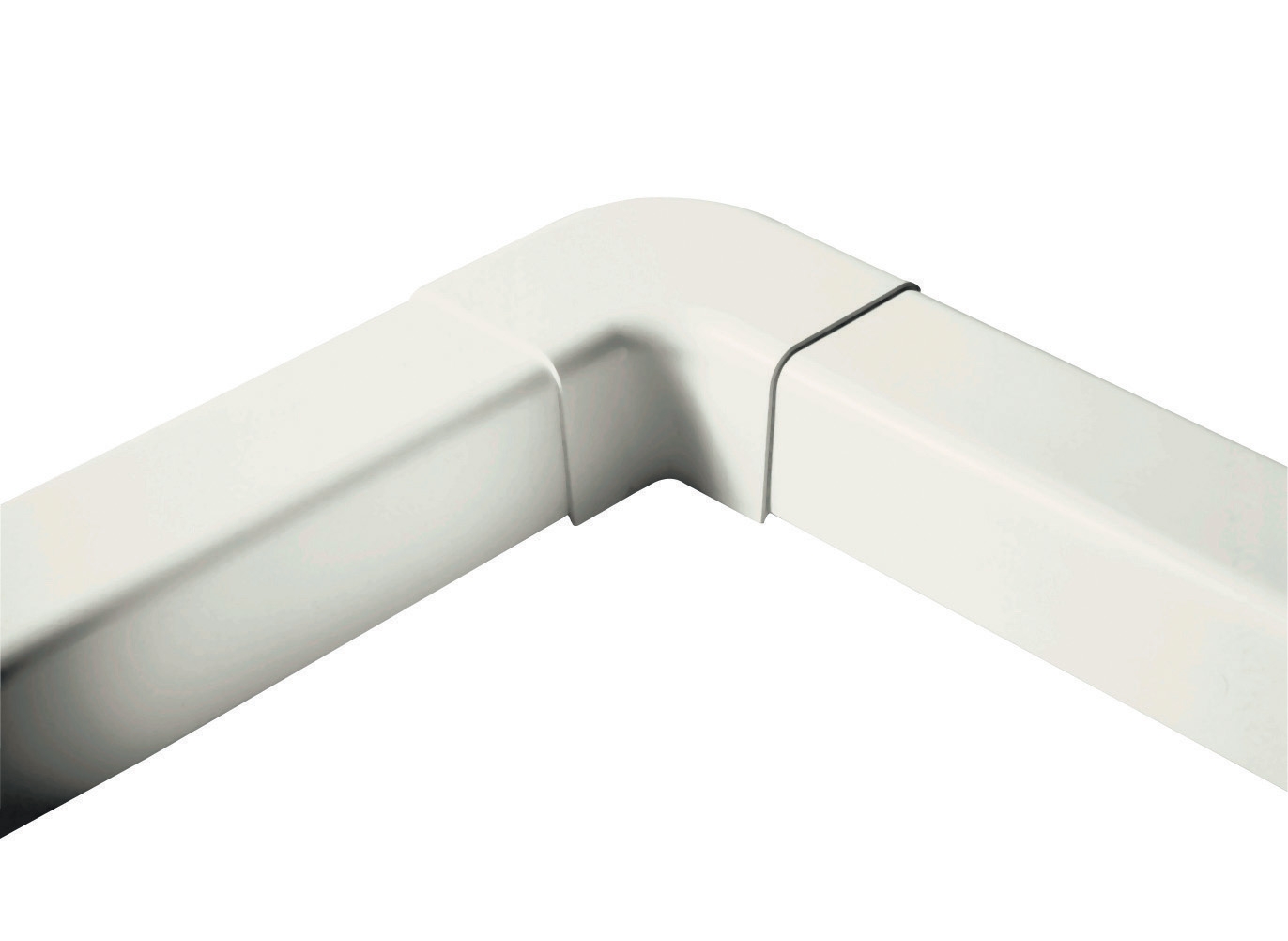
Connection fittings like the CBM Flat Elbow 90° 60mm enable proper gauge and thermocouple installation in spatially constrained equipment layouts. Correct fitting selection prevents hose kinking that restricts pressure signal transmission and thermometer signal response.
Closing Recommendations: Selecting Your Diagnostic Tool Kit
Maintenance and service teams operating across global industrial facilities require diagnostic instruments matched to their specific equipment portfolios and operating environments. The comparison above demonstrates that no single tool addresses all diagnostic requirements—effective maintenance programs integrate electrical measurement, pressure diagnostics, temperature monitoring, and system-specific instruments into comprehensive troubleshooting protocols.
When selecting diagnostic equipment, prioritize safety (non-contact detection precedes contact measurement), accuracy under actual operating conditions (tropical operations require temperature-compensated instruments), and integration with existing facility infrastructure (pressure gauges must match system connection standards and measurement ranges).
3G Electric provides access to comprehensive diagnostic and measurement equipment portfolios from global manufacturers, supported by technical expertise specific to industrial maintenance challenges across Southeast Asia and beyond. Contact our technical team to discuss your facility's diagnostic requirements, environmental constraints, and equipment specifications—we'll help you select the right tool combination for reliable, safe industrial maintenance and service operations.