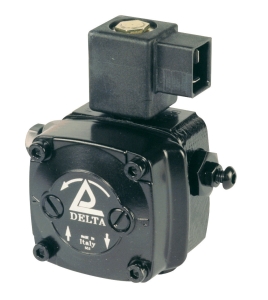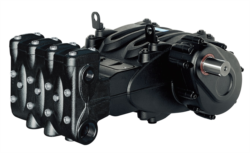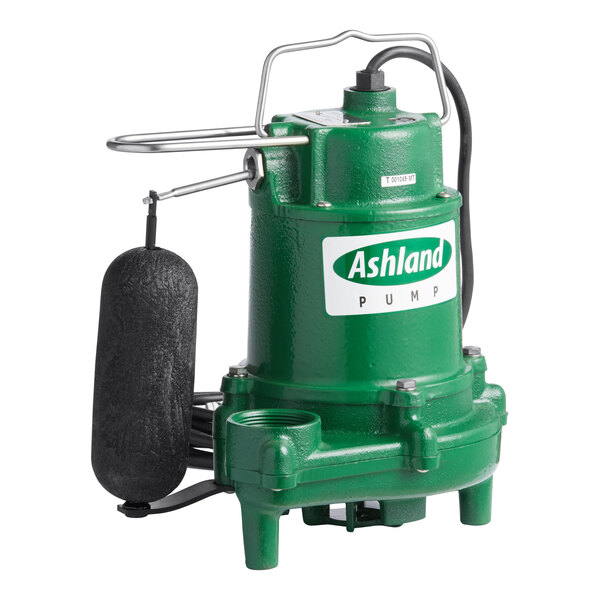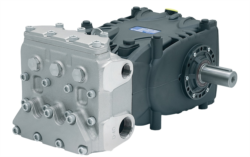
Understanding Pumps & Compressors Performance Degradation in Singapore's Industrial Environment
Pumps & Compressors are critical assets in Singapore's manufacturing, food processing, automotive, and petrochemical sectors. However, tropical humidity, high ambient temperatures, and aggressive operational demands create unique performance challenges. With over 35 years of industrial equipment distribution experience, 3G Electric has observed that 60-70% of pump failures in Southeast Asia result from preventable performance degradation rather than catastrophic component failure.
Performance degradation manifests gradually: declining flow rates, increasing pressure fluctuations, rising energy consumption, and elevated operating temperatures. Plant managers often overlook early warning signs until equipment fails unexpectedly, disrupting production and incurring emergency maintenance costs. Understanding how to diagnose these issues proactively enables you to intervene before costly downtime occurs.
The tropical climate in Singapore accelerates corrosion, particulate contamination in hydraulic fluids, and seal degradation. Unlike temperate climates where equipment may tolerate marginal maintenance, Singapore's environmental conditions demand rigorous diagnostic discipline. This guide provides actionable techniques to identify performance issues, optimize your Pumps & Compressors systems, and extend equipment lifespan.
Section 1: Establishing Baseline Performance Metrics and Diagnostic Baselines
Before diagnosing problems, you must establish clear performance baselines for each pump and compressor in your facility. This involves documenting manufacturer specifications and recording actual operational data during normal conditions.
Key Baseline Parameters to Document:
- Flow Rate (L/min): For example, the Pratissoli KF30 delivers 106 L/min at rated conditions. Document your system's actual flow rate using calibrated flow meters mounted on discharge lines.
- Pressure (bar): Record both maximum operating pressure and typical working pressure during peak production. The Pratissoli MW40 operates at 210 bar; your baseline should reflect expected pressure under standard load.
- Motor Current (Amps): Use clamp meters to record electrical current drawn by drive motors. Increasing current at constant flow indicates rising internal friction—a diagnostic red flag.
- Discharge Temperature (°C): Install thermometers on pump discharge lines. Singapore's ambient temperatures (28-35°C) mean cooling systems must work harder; baseline discharge temperatures typically range 45-65°C depending on application.
- Vibration Signature (mm/s): Use portable vibration meters to establish baseline vibration at bearing housings. Trending vibration data reveals bearing wear months before catastrophic failure.
- Noise Level (dB): Document baseline sound signature. Increasing cavitation noise or mechanical grinding indicates developing issues.
Create equipment passport documents for each major pump and compressor, recording these baselines when equipment is new or recently overhauled. Store baseline data digitally for easy retrieval during diagnostics.
Why Baselines Matter for Singapore Operations:
Singapore's high equipment utilization rates (many plants operate 24/7) mean baseline deviation becomes visible within weeks. A 5% flow rate decline in a high-volume application translates to production losses of SGD 2,000-10,000 daily. Early detection through baseline comparison prevents compounding efficiency losses.
Section 2: Systematic Diagnostic Procedures for Common Performance Issues
When you suspect performance degradation, follow this systematic diagnostic approach before calling service technicians.
Symptom 1: Declining Flow Rate with Stable Pressure
If discharge pressure remains at setpoint but flow rate drops measurably below baseline:
1. Check inlet conditions first. Verify suction line pressure is adequate (typically -0.2 to 0.5 bar). Inspect inlet filters for blockage—a clogged filter reduces inlet pressure and causes internal bypass, lowering net flow. In Singapore's dusty manufacturing environments, filters require monthly inspection.
2. Measure volumetric efficiency. Calculate efficiency using actual flow divided by theoretical displacement: (Actual L/min ÷ Displacement per revolution × RPM) × 100. If efficiency drops below 85%, internal wear is likely. The Pratissoli SS7045 L at baseline should deliver 45 L/min; declining below 38 L/min indicates seal wear.
3. Inspect pump internals. For positive-displacement pumps like Interpump SN3B2513 (13 L/min rated), remove and visually inspect gears or pistons for scoring, cracks, or corrosion. Sand contamination from humid air or degraded seals causes visible wear patterns.
4. Test fluid condition. Draw samples from the tank and send for particle count analysis (ISO 4406 standard). Hydraulic fluid exposed to Singapore's salt-laden air accumulates moisture and particles; contamination above ISO 19/17/14 indicates fluid change is overdue.
Symptom 2: Elevated Discharge Pressure with Reduced Flow
If pressure climbs above setpoint while flow declines:
1. Check relief valve operation. Measure actual relief valve cracking pressure using a pressure gauge. Singapore's heat causes valve springs to relax; recalibration may be needed. Confirm the relief valve pilot drain line is clear.
2. Inspect discharge line blockages. Shut down equipment safely, isolate the pump, and use a hand pump to verify discharge line patency. Blockages cause artificial pressure rise without proportional flow delivery.
3. Measure input power. Rising pressure at constant displacement increases motor load. If motor current exceeds baseline by 10-15% at same speed, pressure is genuinely elevated. If current remains stable, the pressure gauge may be miscalibrated—verify with a dead-weight pressure gauge.
4. Assess fluid viscosity. Hot fluid (>70°C) becomes too thin, reducing pump displacement efficiency. The KF30 operates at 40 kW; if discharge temperature exceeds 70°C, cooling system effectiveness is compromised. Check cooler bypass valves and fan operation.
Symptom 3: Excessive Vibration and Noise
Increasing vibration signals bearing wear, cavitation, or mechanical looseness:
1. Isolate noise source. Use a listening device (acoustic emission sensor or mechanic's stethoscope) to determine if noise originates at pump inlet, discharge, or bearings. Cavitation (inlet-side) produces crackling sounds; mechanical wear produces grinding or squealing.
2. Verify inlet pressure. Cavitation occurs when inlet pressure drops below vapor pressure. In Singapore's heat (35°C ambient means 25-30°C fluid temperature rise), vapor pressure increases. Ensure suction line diameter is adequate and inlet filters are clean.
3. Check bearing clearances. Remove pump from line and rotate shaft manually. Excessive radial play (>2-3 mm) at bearing housings indicates wear. For sealed bearing units like Interpump WW116 R, bearing replacement becomes necessary if play exceeds 1 mm.
4. Confirm mechanical fasteners. Use a vibration pen to check if bolts at pump feet, motor feet, or manifold connections are loose. Singapore's vibration environment loosens fasteners rapidly; retorque all fastening points to specification.
Symptom 4: Rising Energy Consumption
Increasing motor current or energy bills without production increase indicates efficiency loss:
1. Calculate actual system efficiency. Power input (kW) ÷ Flow rate (L/min) × Pressure (bar) ÷ 600 = Theoretical efficiency percentage. The MW40 consumes 85 kW at 211 bar and 211 L/min, yielding ~63% overall efficiency. If your system drops below 55%, internal losses are rising.
2. Check for internal leakage. Bypass leakage around pistons or gears wastes energy producing heat without productive work. Measure tank return line flow while pump is at full pressure (and no external load). Return flow >5% of inlet flow indicates internal leakage requiring seal service.
3. Assess cooler performance. Rising discharge temperature increases viscosity mismatch and friction losses. Verify cooler fan operates continuously, fan blades are clean (salt air fouling is common), and cooler is not bypass-valve locked due to cold startup.
4. Confirm motor efficiency. Motor efficiency degrades with winding temperature and bearing wear. Measure three-phase voltage balance on motor terminals; imbalance exceeds 3% indicates potential motor winding issues requiring motor specialist inspection.
Section 3: Optimization Strategies for Extended Equipment Life and Improved Efficiency
Once baseline issues are diagnosed and corrected, implement optimization strategies to enhance performance and extend equipment lifespan in Singapore's demanding environment.
Optimization 1: Proactive Fluid Management Program
Hydraulic fluid is the life-blood of Pumps & Compressors systems. Singapore's tropical humidity accelerates fluid degradation:
- Establish quarterly fluid sampling protocol. Send samples to accredited laboratories for particle count (ISO 4406), water content (Karl Fischer titration), and viscosity index testing. Most facilities should maintain ISO 17/15/12 cleanliness (≤640 particles >4 microns per mL). When samples exceed ISO 19/17/14, schedule fluid change within 30 days.
- Use desiccant breathers on tank vents. Singapore's 80-90% relative humidity pulls moisture into tanks continuously. Silica-gel desiccant breathers reduce water ingress by 95% compared to standard air filters.
- Install offline filtration systems. Run dedicated circulation carts with 3-micron filters during non-production shifts. Monthly offline filtration extends fluid life 30-50% and reduces pump wear.
- Track fluid change intervals. Unlike temperate climates, Singapore operations typically require fluid changes every 8,000-10,000 operating hours (vs. 12,000+ in moderate climates). Document fluid change history to predict future service needs.
Singapore's ambient heat means cooling systems must work continuously:
- Install suction-line immersion coolers. Pre-cooling inlet fluid 5-10°C improves pump volumetric efficiency 3-5%. For the KF30 delivering 106 L/min, reducing discharge temperature from 65°C to 55°C increases usable flow by ~3 L/min—equivalent to 2.8% free capacity gain.
- Verify cooler bypass valve setting. Cooler bypass valves protect equipment from cold-start shock but sometimes remain open during operation. Confirm bypass valve cracking pressure is 5°C above optimal operating temperature (typically 55-60°C discharge). Check valve seasonally.
- Optimize fan operation. Use variable-frequency drive (VFD) fans rather than on-off thermostat control. VFD fans reduce energy consumption 30-40% while maintaining tighter temperature control, critical for Singapore's 24/7 operations.
- Maintain cooler fin cleanliness. Salt-laden sea air fouls aluminum cooler fins. High-pressure wash coolers monthly (use <60 bar to avoid fin damage). Fouled coolers lose 25-30% effectiveness, raising discharge temperatures 10-15°C.
Bearings and seals account for 40% of unplanned pump downtime in tropical climates:
- Replace bearings at scheduled intervals. For continuously-operated equipment in Singapore, replace bearings every 18-24 months regardless of condition. Bearing fatigue is cumulative; waiting for failure risk catastrophic secondary damage. Pre-schedule bearing replacement during planned maintenance windows.
- Use environmental seals designed for tropical humidity. Standard seals degrade in high-moisture conditions. Specify seals with enhanced water-resistant coatings or switch to nitrile materials if currently using other elastomers.
- Establish predictive bearing failure programs. Install vibration monitoring sensors on critical pump bearings. Modern wireless accelerometers cost $500-800 per unit but detect bearing spalling 4-6 weeks before audible noise, enabling planned replacement.
- Document seal wear patterns. Track seal replacement frequency. If seals require replacement every 6-8 months (vs. 12-18 months design), investigate root cause: contaminated fluid, excessive temperature, or mechanical misalignment.
Many plants operate equipment at higher-than-necessary pressures, wasting energy and accelerating wear:
- Audit actual process requirements. Interview production engineers about minimum required pressures at equipment inlets. Many systems were originally set 20-30% above minimum. Reducing system pressure by 10 bar decreases motor load 4-5% while extending component life 20-30%.
- Install pressure regulators on individual circuits. Rather than maintaining plant-wide pressure at maximum, use secondary regulators on low-pressure circuits. This simple modification often recovers 8-12% energy efficiency.
- Verify relief valve accuracy. Drift causes relief valves to crack at pressures 10-20 bar above setpoint, wasting energy. Annually recalibrate or replace relief valves on critical applications.
- Balance flow demands. In multi-pump systems, ensure pumps share load evenly. Unbalanced systems develop pressure spikes on one pump while others run underutilized. Load-sensing pump controls (if applicable) optimize energy consumption.
Section 4: Implementing a Performance Monitoring Dashboard for Continuous Optimization
Plant managers overseeing multiple systems need visibility into equipment health trends. Implement a simple performance dashboard to track key metrics across all Pumps & Compressors:
Essential Dashboard Metrics:
- Efficiency Trend (%): Calculate monthly overall system efficiency. Target is maintaining within 5% of baseline. Declining trends trigger diagnostic investigation.
- Mean Time Between Failures (MTBF): Track downtime events. Singapore plants typically see 150-200 hour MTBF for well-maintained systems; below 120 hours indicates optimization needed.
- Energy Cost per Unit Production: Divide monthly energy expense by production volume. Trending this metric reveals efficiency gains from optimization efforts.
- Fluid Condition Index: Score fluid samples on a 1-10 scale (particle count + water content + viscosity). Target is maintaining score above 8. Score decline below 6 triggers fluid change.
- Bearing Temperature Trend: Daily peak bearing temperature from thermal cameras. Trend increases of >3°C per week indicate accelerated wear.
Simple options include Excel-based systems with monthly data entry, or cloud platforms like Tableau or Power BI for real-time monitoring. The investment in dashboarding—approximately SGD 5,000-15,000 for software and installation—typically returns 200-300% ROI through energy savings and prevented downtime within 18 months.
Partner with 3G Electric for Diagnostic Support:
3G Electric supplies high-performance Pumps & Compressors from Pratissoli and Interpump—the same equipment used in demanding Singapore industrial plants. Beyond product supply, our technical team provides diagnostic consultation, helping plant managers interpret performance data and optimize systems. With 35+ years in industrial equipment distribution, we've troubleshot thousands of systems across Southeast Asia and understand Singapore's specific environmental challenges.
When you implement these diagnostic and optimization strategies, you transform Pumps & Compressors from reactive failure risks into predictable, optimized assets. Combined with proper maintenance discipline and fluid management, plant managers can achieve 15-25% energy efficiency improvements, extend equipment life by 30-50%, and reduce unplanned downtime by 60-70%.