How to Install and Configure Condensate Pumps and Adapter Kits in Singapore Industrial HVAC Systems
Condensate pumps are critical components in modern HVAC systems, particularly in Singapore's tropical climate where humidity levels drive continuous moisture removal from air conditioning units. Proper installation and configuration of these pumps—along with compatible adapter kits—directly impacts system efficiency, equipment longevity, and operational reliability. This guide provides industrial professionals with the technical knowledge and step-by-step procedures to install, size, and configure condensate pumps and their accompanying adaptation components correctly. Whether you're managing small rooftop units or large centralised systems, understanding the mechanical requirements and performance specifications ensures your installations meet Singapore's industrial standards and deliver consistent performance.
Understanding Condensate Pump Fundamentals and System Requirements
Condensate pumps serve a single but essential function: they lift water generated by cooling coils back to drainage points above the condensate pan level. Unlike gravity-fed drainage systems that require strategic positioning, pumped systems offer flexibility in equipment placement and layout optimisation—a significant advantage in space-constrained Singapore industrial facilities.
The fundamental principle governing condensate pump selection is the relationship between flow rate (measured in litres per hour) and lift height (measured in metres). Every pump has a performance curve that defines maximum flow capacity at zero lift, declining progressively as discharge height increases. For example, a CBM condensate pump GO 10 delivers approximately 14 litres per hour at minimal lift, reducing to around 2 litres per hour at maximum height. This non-linear relationship is critical: oversizing a pump for peak condensation rates without considering actual lift requirements wastes energy, whilst undersizing risks backup and overflow.
System capacity depends on three core variables: the sensible heat load on cooling coils (measured in kilowatts), relative humidity conditions, and outdoor air fraction in the return air stream. Singapore's high ambient humidity (typically 70-90% annually) and outdoor temperatures (26-32°C) generate substantial latent loads—often 30-40% of total cooling capacity. A 10 kW rooftop air conditioning unit in Singapore may produce 60-80 litres per hour of condensate under peak load conditions, yet average operation often generates 20-30 litres per hour. Selecting pump capacity requires analysis of design-day peak conditions, not average conditions.
Adapter kits and mounting rings resolve a common installation challenge: connecting pumps to existing piping or equipment with different port sizes. The CBM D.17-D.20 adaptation kit with gaskets and CBM adaptation kit D.20-D.32 eliminate the need for custom fabrication, reducing installation time and ensuring standardised connection integrity.
Product Specifications and Technical Selection Criteria
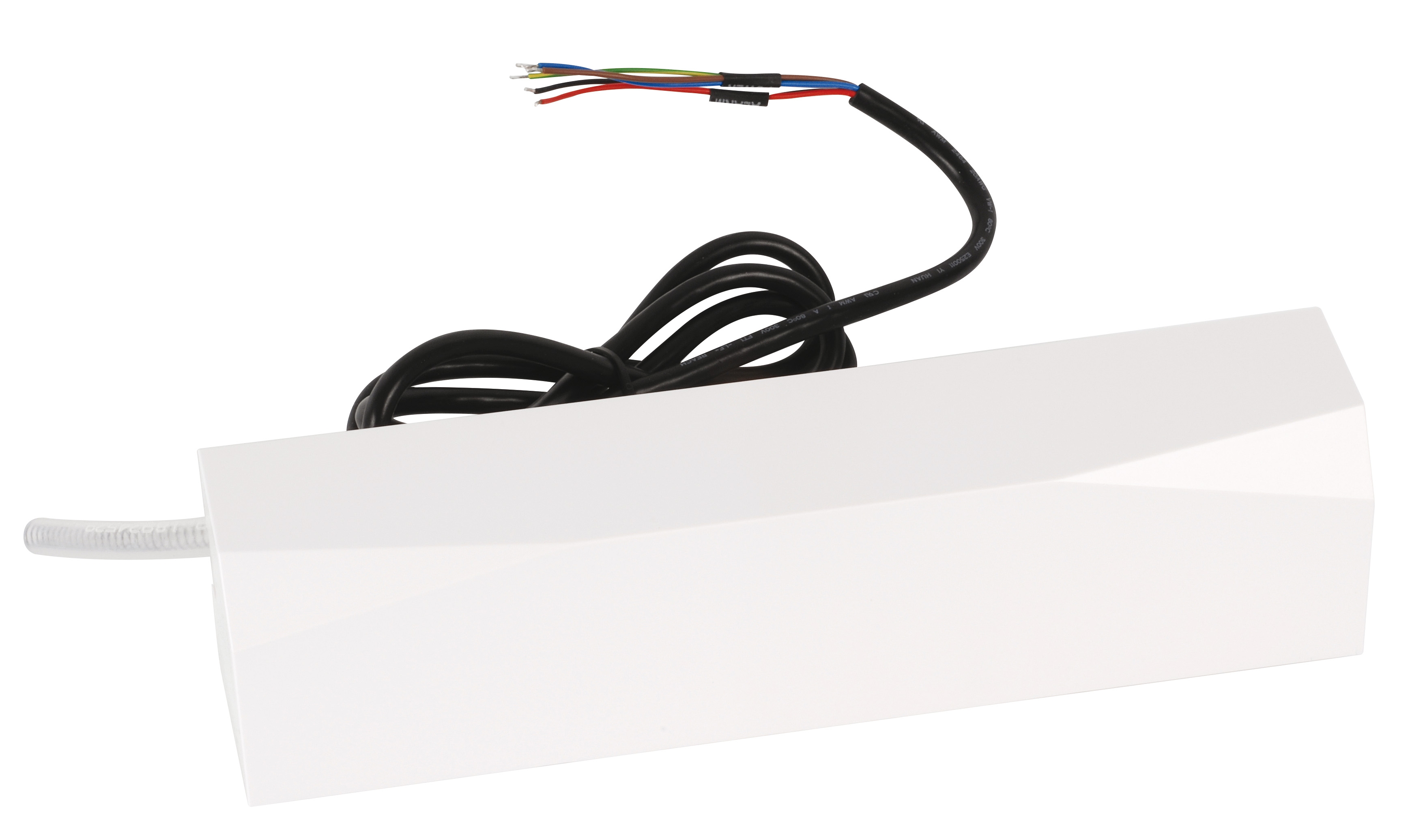
CBM condensate pump models provide performance data enabling precise capacity matching. The CBM condensate pump FREEZY represents a compact solution for retrofit applications where space limitations prevent larger installations. Its modular design permits installation either left or right under HVAC units, accommodating flexible ductwork routing and maintenance access requirements common in existing Singapore facilities.
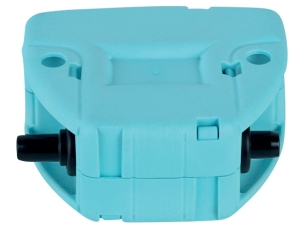
The CBM condensate pump GO 10 serves small to mid-range cooling applications. Performance curves indicate maximum discharge of 14 litres per hour at zero lift, declining to approximately 6 litres per hour at 4 metres—a typical discharge height for roof-mounted equipment draining to perimeter gutters or ground-level sump tanks. The pump's 5/8-inch (approximately 16mm) inlet diameter accommodates standard Pan outlet connections without additional adapters.
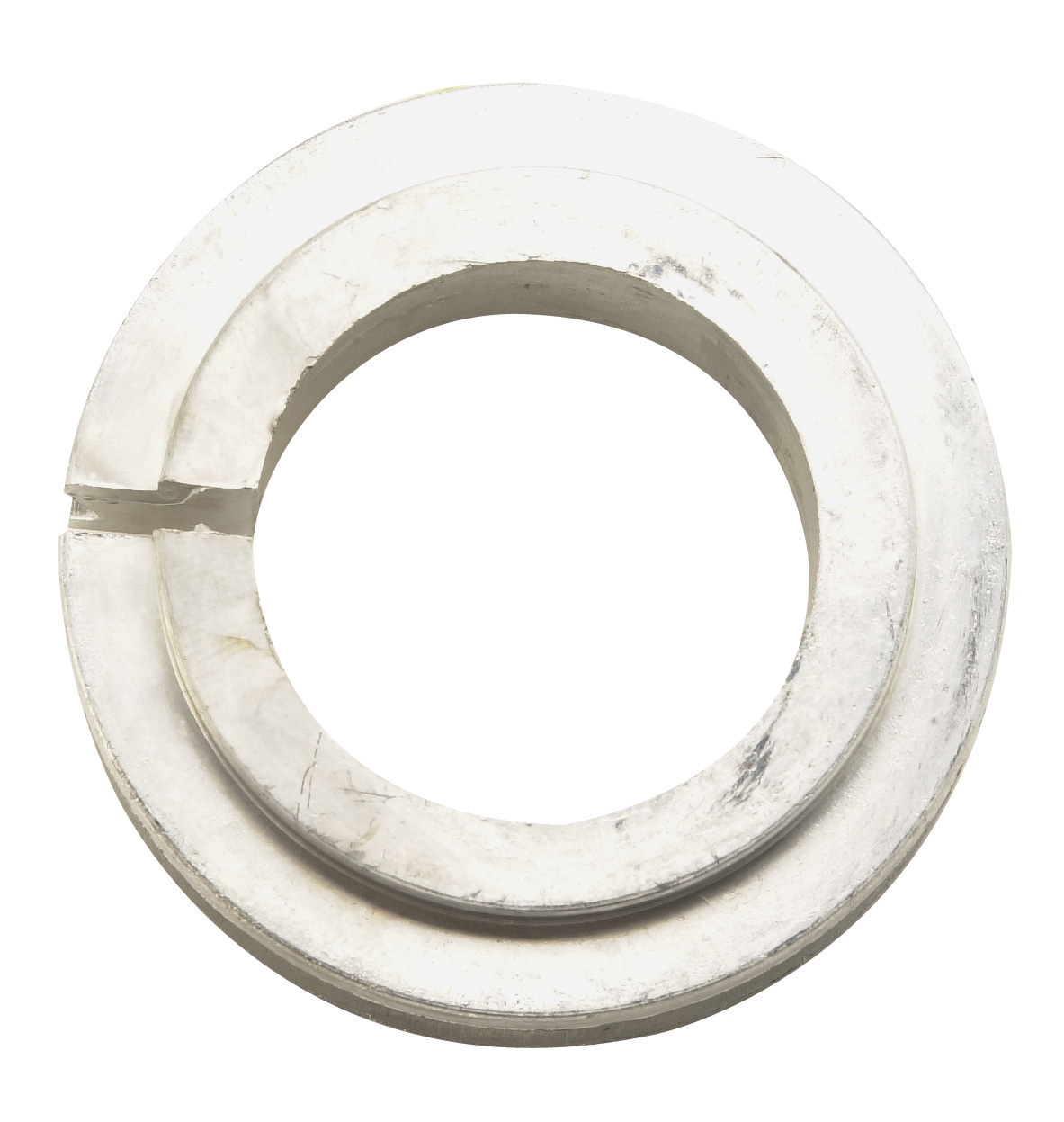
Adapter kits provide standardised solutions for diameter transitions. The CBM adaptation ring 32/54 bridges two common European industrial standards, whilst the D.17-D.20 and D.20-D.32 kits include integrated gaskets ensuring fluid-tight connections without requiring separate sealant or tape. These kits comply with international HVAC standards, critical for Singapore's industrial equipment certifications and warranty requirements.
Material selection matters in tropical environments: all condensate components should feature corrosion-resistant construction. Copper and stainless steel connections resist humidity and salt air exposure near coastal industrial zones. Plastic components must be UV-stabilised for rooftop installations where direct sunlight degrades unprotected polymers within 12-18 months in Singapore's equatorial climate.
Step-by-Step Installation Procedure
Step 1: Assess System Requirements and Select Pump Capacity
Calculate peak condensate generation using cooling unit specifications or manufacturer's latent load data. For systems without documented load calculations, apply a conservative rule: assume 1-1.5 litres per hour per kilowatt of cooling capacity under Singapore's design conditions (35°C outdoor dry bulb, 28°C wet bulb, 80% relative humidity). Measure the vertical distance from the condensate pan outlet to the final discharge point. Select a pump whose performance curve indicates adequate flow rate at your specific lift height plus 10% safety margin.
Step 2: Prepare Mounting Location and Connections
Position the pump within 2 metres of the condensate pan outlet to minimise suction line length and reduce priming time. Ensure accessible location for maintenance and filter cleaning. Identify inlet and outlet port sizes on both the pump and the existing piping system. Determine whether adapter kits are required—if inlet diameter differs from pan outlet, select the appropriate adaptation kit matching both diameters.
Step 3: Install Inlet Plumbing and Non-Return Valve
Connect the pan outlet to the pump inlet using flexible tubing sized for smooth flow (typically 16-22mm diameter). A non-return valve installed immediately downstream of the pan outlet prevents siphonage—critical in tropical climates where temperature fluctuations create pressure variations. The valve also protects against reverse flow during system downtime.
Step 4: Apply Adapter Kits and Secure Outlet Plumbing
If port diameters differ, apply the selected adapter kit (ensuring gaskets are seated properly) before connecting discharge tubing. Use corrosion-resistant clips rated for tropical service conditions. Route discharge lines upward from the pump outlet to prevent water trap formation.
Step 5: Test, Commission, and Document
Before final system startup, run the pump manually (if equipped with manual prime lever) to expel air from suction lines. Verify float switch operation and electrical connections per manufacturer wiring diagrams. Monitor the system during first 24 hours of operation to confirm continuous drainage and absence of leaks.
Selection and Configuration Best Practices for Singapore Operations
Climate-Specific Considerations: Singapore's consistent 26-32°C outdoor temperatures and 70-90% relative humidity year-round mean condensate generation remains relatively constant—avoiding seasonal capacity swings seen in temperate climates. Size pumps for year-round design conditions rather than peak summer assumptions; oversizing increases energy consumption without benefit.
Maintenance Accessibility: Tropical climates accelerate biological fouling in stagnant condensate lines. Install pumps in locations permitting quarterly cleaning of inlet filters and annual disassembly for scale removal. Document maintenance intervals in facility operating procedures.
Electrical Safety: Ensure electrical supply to condensate pumps includes ground fault protection suitable for wet environments. Singapore's electrical standards (SS 638) require safety switches accessible within 2 metres of equipment. Verify pump voltage matches facility supply (220V single-phase or three-phase configurations available).
Material Compatibility: Use stainless steel and copper tubing in preference to galvanised steel, which corrodes rapidly in humid environments. Plastic components should be UV-stabilised and rated for 50-65°C condensate temperatures (higher in direct sun exposure).
System Integration: Condensate pumps should be interlocked with HVAC unit operation—pump runtime should never exceed compressor runtime. Install float switches that automatically shut down the pump if suction-line priming fails, preventing dry-running damage.
Conclusion and Next Steps
Proper installation and configuration of condensate pumps and adapter kits is fundamental to reliable HVAC operation in Singapore's tropical environment. By following this technical framework—assessing system requirements precisely, selecting appropriately-sized equipment, and applying proven installation practices—you ensure continuous drainage performance, minimise maintenance burden, and extend equipment lifespan. The performance data and specifications provided here, combined with standardised adapter components, eliminate guesswork from condensate system design.
For Singapore industrial facilities requiring professional guidance on pump sizing, adapter kit selection, or system commissioning, 3G Electric provides comprehensive technical support backed by decades of industrial equipment distribution experience. Our team can assist with load calculations, product selection from leading manufacturers, and installation best practices tailored to your facility's specific requirements. Contact 3G Electric today to discuss your condensate pump and HVAC system needs—let our expertise ensure optimal performance and reliability for your operations.