Condensate Pump Selection Guide for Singapore HVAC Systems: CBM Adaptation Solutions Compared
Condensate pumps are critical components in modern HVAC systems, particularly in Singapore's tropical climate where high humidity and consistent air conditioning demand drive substantial condensate production. For industrial and commercial facilities across the island, selecting the appropriate condensate pump and matching adaptation components directly impacts system reliability, maintenance costs, and operational efficiency. This article examines how to evaluate CBM condensate pump options alongside their corresponding adaptation kits and rings, providing the technical framework industrial professionals need to make informed procurement decisions.
Understanding Condensate Pump Fundamentals and Adaptation Requirements
Condensate pumps serve a straightforward yet essential function: removing water that accumulates in HVAC evaporator coils and delivering it to drainage systems. In Singapore's high-humidity environment, condensate volumes can be substantial, making pump selection critical for preventing system shutdowns and water damage. The pump must overcome the vertical height difference (lift) between the evaporator location and the drainage point—a parameter known as head pressure, measured in meters of water column.
Beyond the pump itself, adaptation components form the critical interface between the pump and the HVAC unit. These include adaptation rings, which bridge different flange sizes and connection standards, and adaptation kits, which contain the gaskets, fittings, and mounting hardware necessary for proper integration. The challenge in Singapore's diverse industrial landscape is that HVAC systems often follow different international standards—European, North American, and Asian designs—requiring flexible adaptation solutions.
Proper adaptation ensures several outcomes: elimination of air leaks that reduce pump efficiency, prevention of water seepage that damages surrounding equipment, standardized mounting that simplifies installation, and future-proof flexibility if HVAC components require replacement or upgrade. The adaptation layer acts as the translator between mismatched connection standards, allowing newer condensate pumps to integrate seamlessly with existing infrastructure.
Head pressure and flow rate are the two fundamental performance parameters governing pump selection. Head pressure indicates how high the pump can push condensate against gravity; flow rate (measured in liters per hour) indicates volume capacity. A pump sized for high flow but low head pressure will fail in tall buildings, while one designed for high head but low flow will create bottlenecks in high-humidity facilities. Industrial facilities must match these specifications precisely to their installation geometry and expected condensate load.
Comparing CBM Condensate Pump Models and Technical Specifications
The CBM product line offers several condensate pump models designed for different application scales, each with distinct performance profiles. Understanding these differences is essential for Singapore-based facilities with varying HVAC configurations.
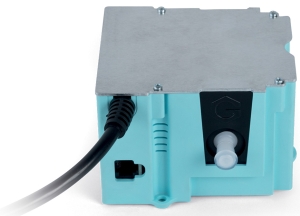
The CBM Condensate Pump GO 10 represents an entry-level solution suitable for modest HVAC installations. With a maximum flow rate of 16 liters per hour and connection compatible with standard 5/8-inch tubing, this pump handles condensate volumes typical of single small-to-medium commercial units. The GO 10 delivers adequate head pressure for installations requiring 3-4 meters of lift, making it suitable for ground-floor or first-floor HVAC placements. Its compact design facilitates installation in tight spaces common in Singapore's dense urban commercial buildings.
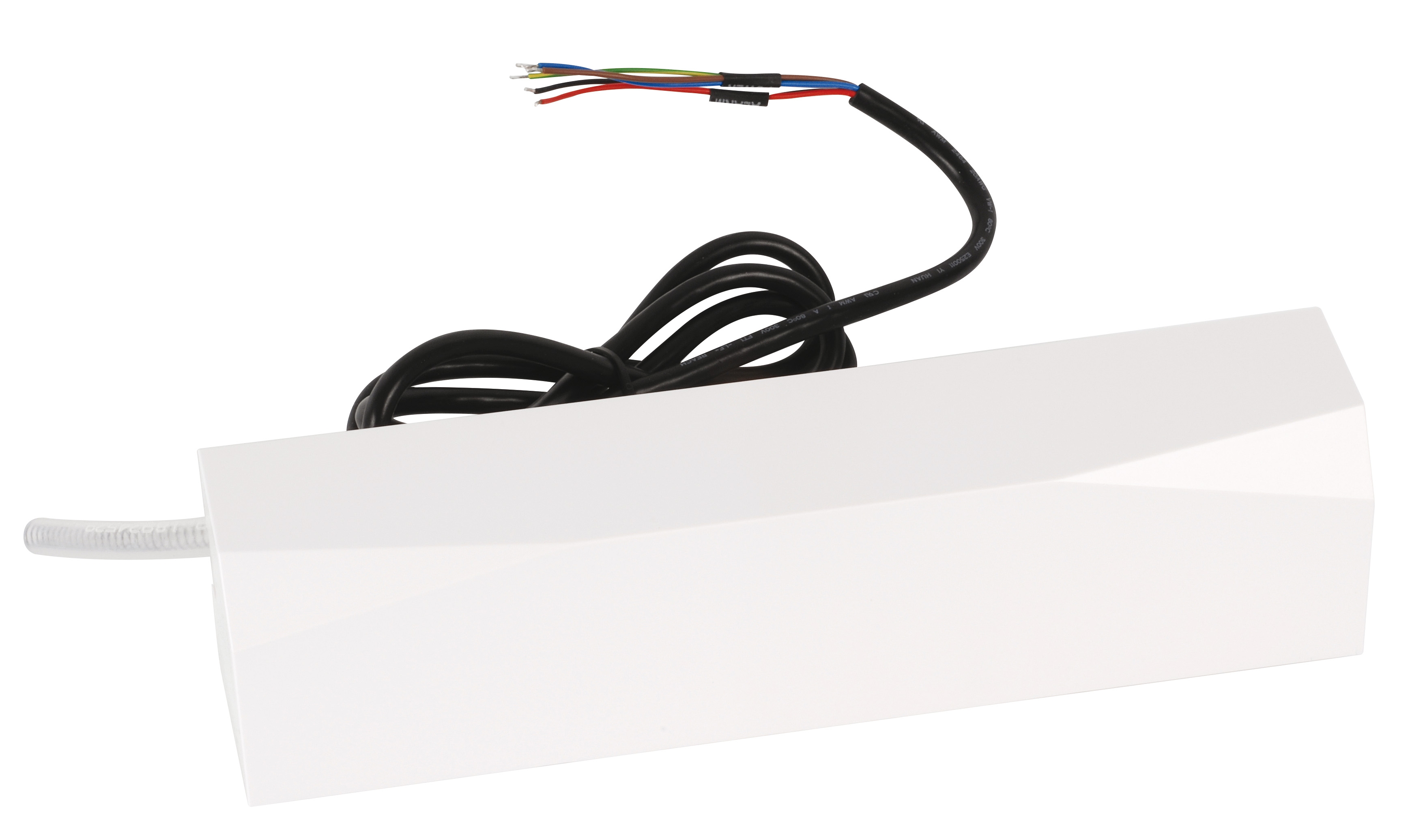
The CBM Condensate Pump FREEZY provides a mid-range option with enhanced flexibility for diverse installation scenarios. Designed with bidirectional installation capability—it can be mounted on either side of the HVAC unit—the FREEZY accommodates spatial constraints common in retrofit projects. This pump manages moderate condensate volumes while maintaining reliability across Singapore's variable ambient temperature conditions. The FREEZY's design philosophy emphasizes installation simplicity and compatibility with existing infrastructure.
For larger HVAC installations or facilities with multiple units, the CBM Condensate Pump FW 45 delivers higher flow capacity, rated at 45 liters per hour maximum output. This model suits high-humidity industrial facilities, large commercial complexes, or centralized HVAC systems where accumulated condensate volumes are substantial. The FW 45's higher flow rate reduces the risk of overflow during peak humidity periods—a critical consideration during Singapore's monsoon seasons.
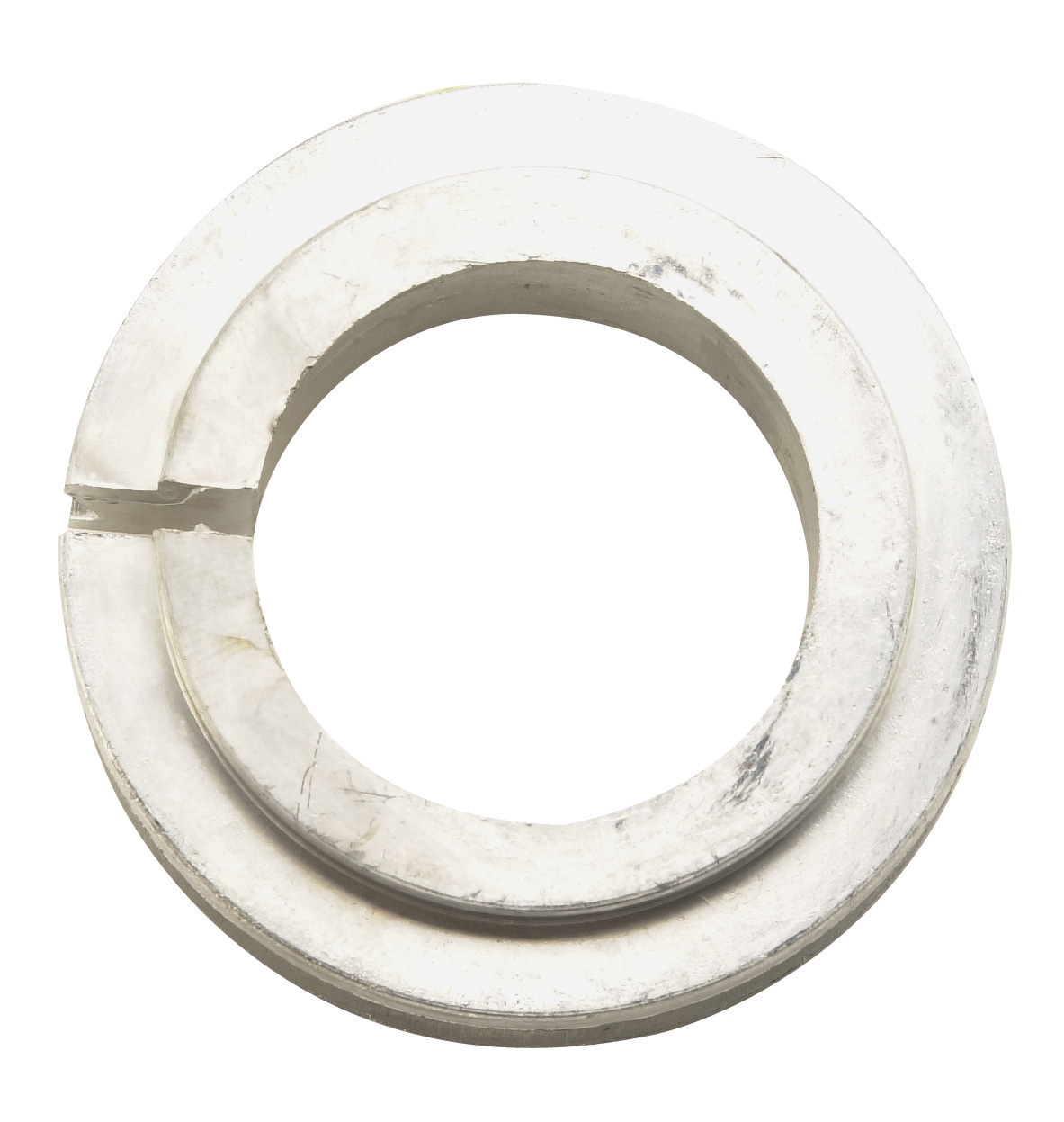
Adaptation components must be matched to the specific pump model and HVAC unit configuration. The CBM Adaptation Ring 32/54 bridges the connection gap between 32mm and 54mm flange diameters, accommodating equipment that follows different international standards. The CBM D.17-D.20 Adaptation Kit with Gaskets provides complete integration hardware including sealed gaskets that prevent water infiltration at connection points. Similarly, the CBM Adaptation Kit D.20-D.32 extends compatibility to larger diameter connections, critical for facilities with scaled-up HVAC systems.
Each adaptation component includes gaskets engineered to withstand tropical humidity and temperature fluctuations. Gasket material selection prevents degradation that could compromise seal integrity over months of continuous operation in Singapore's climate. This attention to material durability differentiates professional-grade adaptation solutions from basic alternatives.
Real-World Application Scenarios in Singapore's Industrial Sector
Singapore's commercial facilities present diverse condensate pump scenarios. A mid-sized office tower in the Marina Bay financial district might feature a centralized HVAC system with multiple evaporator units dispersed across 20+ floors. Here, the challenge involves coordinating pump placement—typically on the mechanical floor—with lift height requirements exceeding 30 meters. In this scenario, a single FW 45 pump with high head pressure capability serves better than multiple smaller units, reducing maintenance touchpoints and complexity.
Conversely, a distributed retail complex with numerous individual rooftop units—common in Singapore's shopping malls—benefits from multiple GO 10 pumps, each serving local roof-mounted HVAC equipment. Localized pumps reduce reliance on long drainage runs that could sag or develop blockages, improving system resilience. Installation variability—some units oriented north-south, others east-west—makes the FREEZY's bidirectional mounting capability particularly valuable.
Industrial facilities with equipment-intensive layouts (data centers, food processing plants, pharmaceutical manufacturing) experience high condensate volumes due to continuous HVAC operation. These environments demand redundancy: primary pump sizing for 70% of expected peak load, with secondary backup capacity. Proper adaptation kits ensure multiple pumps can be deployed in parallel without cross-flow or pressure imbalances.
Retrofit scenarios present unique challenges. Legacy HVAC systems installed 15-20 years ago often use connection standards no longer common in new equipment. The Adaptation Ring 32/54 and various adaptation kits solve this problem directly, allowing condensate pump replacement without requiring complete HVAC unit replacement—a cost-saving measure particularly important for facility managers with constrained capital budgets.
Technical Comparison Table: CBM Condensate Pumps and Adaptation Components
| Model | Max Flow Rate (l/h) | Typical Head Range (m) | Connection Size | Installation Flexibility | Ideal Application |
|---|---|---|---|---|---|
| GO 10 | 16 l/h | 0–4 m | 5/8" (16mm) | Fixed mounting | Small single-unit HVAC systems |
| FREEZY | 12–14 l/h | 0–3.5 m | Standard EU | Left or right mounting | Compact retrofit installations |
| FW 45 | 45 l/h | 0–16 m | Flanged | Flexible, requires adaptation | Large HVAC systems, high-volume condensate |
| Adaptation Kit D.17-D.20 | N/A | N/A | 17mm to 20mm | Includes gaskets and fittings | Standard EU equipment coupling |
| Adaptation Ring 32/54 | N/A | N/A | 32mm to 54mm flange | Bridging different standards | Legacy equipment compatibility |
This comparison reveals that smaller pumps (GO 10, FREEZY) excel in space-constrained environments with modest condensate volumes, while larger-capacity models (FW 45) justify their size in high-load scenarios. Adaptation component selection depends on your existing HVAC unit's flange diameter and connection standard—specifications that should be verified from original equipment documentation before procurement.
Selection Methodology: Matching Pump Capacity to Your Installation
Proper pump sizing requires three data points: expected condensate volume (liters per hour), lift height from evaporator to drainage (meters), and connection standard compatibility. Condensate volumes depend on ambient humidity, air conditioning load, and operating hours. Singapore's tropical climate typically produces higher volumes than temperate regions—a facility expecting 10 liters per hour in London might generate 14–16 liters per hour for the same equipment in Singapore due to persistent high humidity.
Cross-reference your calculated condensate volume against each pump model's flow rate curve at your required head pressure. If your installation requires 8 meters of lift and 20 liters per hour capacity, the FW 45 is the clear choice, whereas a 2-meter lift with 10 liters per hour calls for the more economical GO 10. Undersizing invites overflow and system shutdowns; oversizing wastes capital and increases energy consumption unnecessarily.
Finally, verify connection compatibility between your pump and HVAC unit. If mismatches exist, identify the appropriate adaptation kit or ring from the CBM range. Documentation should specify flange diameters and connection thread standards for both the pump inlet and your HVAC equipment outlet.
Why Proper Adaptation Components Matter
Installing a condensate pump without proper adaptation components creates multiple problems. Water leaks at connection points damage surrounding electrical systems and building structures. Air leaks reduce pump efficiency, requiring more frequent operation and higher energy costs. Improper mounting stresses pump housings, leading to premature failure. In industrial environments with 24/7 operation, these failures translate directly to facility downtime and emergency repair costs.
CBM adaptation kits and rings are engineered specifically for the tropical industrial environment, with materials and sealing compounds that resist moisture degradation and temperature cycling. Investing in proper adaptation components during initial installation prevents expensive repairs and system replacements later.
For industrial professionals across Singapore managing HVAC systems—whether overseeing large commercial properties, industrial facilities, or facility upgrade projects—the technical foundation laid by appropriate pump and adaptation selection directly determines operational success. Explore the complete range of CBM condensate pumps and adaptation solutions available through 3G Electric, or contact our technical team to discuss your specific installation requirements and identify the optimal pump and adaptation combination for your facility.