Understanding Burners & Combustion Pressure Fundamentals
Burners & Combustion systems rely on precise pressure management to function safely and efficiently. Whether you operate gas burners, oil burners, or dual-fuel installations across Singapore's manufacturing, food processing, or textile industries, pressure control directly impacts flame stability, emissions compliance, and equipment longevity.
Pressure monitoring serves three critical functions in burner operation: it confirms adequate fuel delivery to the burner, it validates air supply conditions for proper combustion, and it triggers safety shutdowns if system parameters drift outside safe operating windows. In tropical climates like Singapore, where humidity and temperature fluctuations are constant, pressure stability becomes even more challenging to maintain.
Drawing on over 35 years of experience as an industrial equipment distributor, 3G Electric has supported thousands of Singapore-based operations in optimizing their burner pressure systems. The equipment and strategies outlined in this guide reflect real-world solutions implemented across petrochemical plants, refineries, beverage production facilities, and district heating systems throughout the region.
Selecting and Installing Pressure Switches for Burner Safety
Pressure switches are the front-line sensors in burner safety architecture. They continuously monitor fuel pressure, air pressure, and combustion air flow to ensure operating conditions remain within design limits. A properly specified pressure switch prevents unsafe ignition attempts and protects downstream equipment from damage.
Understanding Pressure Switch Classifications
Industrial pressure switches fall into two main categories relevant to burner control: those monitoring fuel supply pressure and those monitoring combustion air flow. Fuel pressure switches typically operate in the range of 2–10 bar for gas systems and 8–20 bar for oil systems. Combustion air pressure switches operate at much lower pressures, often 10–100 mbar, and must respond quickly to blockages or fan failures.
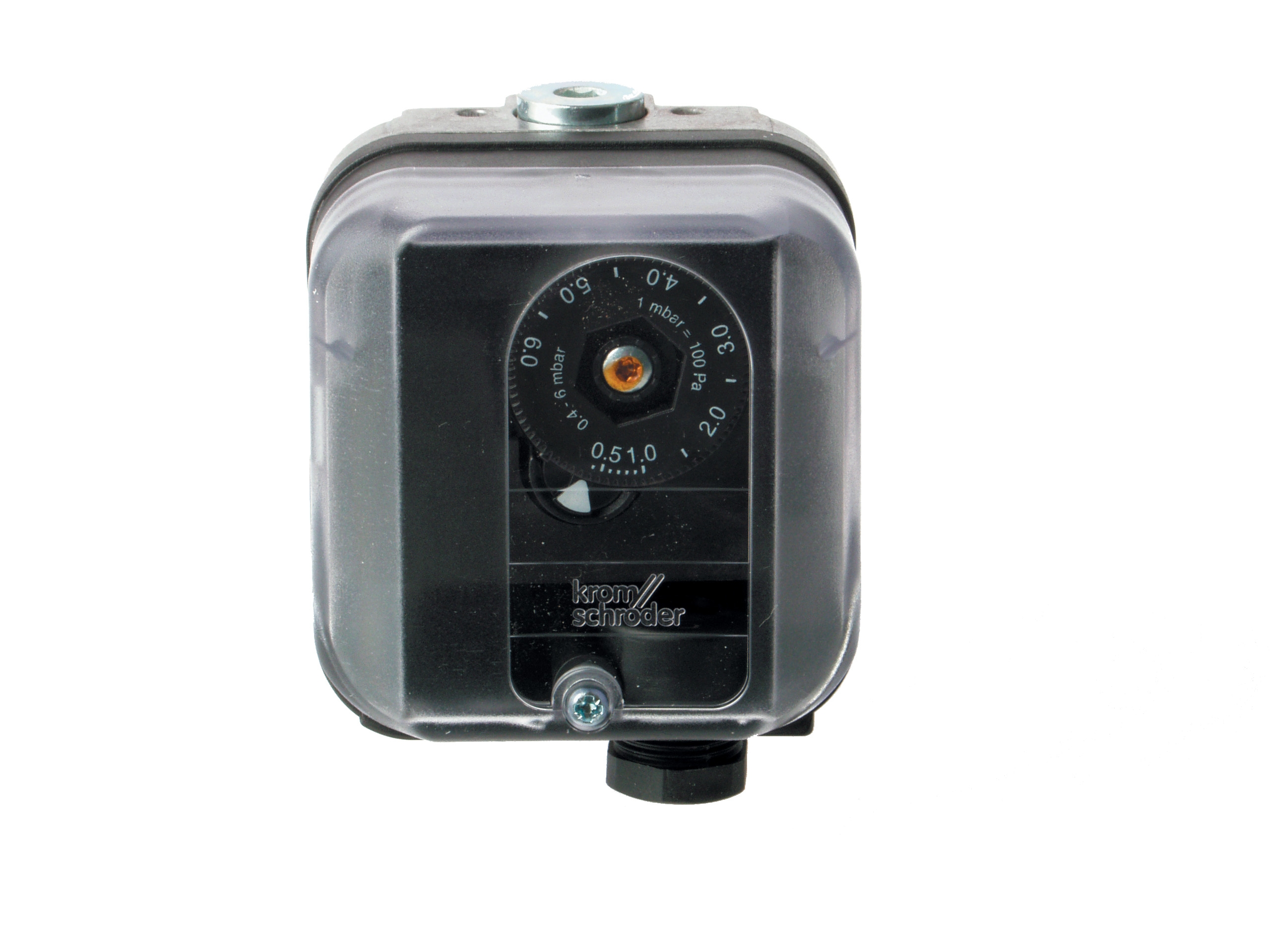
The Kromschroder DG 50U/6 pressure switch exemplifies modern pressure monitoring for Singapore industrial applications. Rated SIL 3 and Performance Level e, this switch meets EN 1854, FM, UL, AGA, and GOST-TR certifications—important for facilities exporting equipment or operating under strict regulatory oversight. Its dual-setpoint design allows simultaneous high and low pressure monitoring, ideal for detecting both insufficient supply and dangerous overpressure conditions.
Installation Best Practices
Pressure switch installation quality directly affects reliability and accuracy. Follow these essential steps:
Piping and Isolation: Always install an isolation ball valve upstream of the pressure switch, allowing safe maintenance without system shutdown. Use stainless steel or brass fittings in Singapore's humid environment to prevent corrosion. For oil burners, install a sediment trap (an inverted tee fitting with a ball valve at the bottom) upstream of the switch to prevent debris from damaging the internal piston mechanism.
Orientation: Mount pressure switches vertically with the connection pointing downward for liquid lines, preventing trapped air pockets that cause false readings. For gas systems, orient the connection horizontally or slightly downward to avoid condensate accumulation.
Tubing Protection: Use stainless steel tubing rather than rubber hoses where possible, particularly for systems operating continuously. Singapore's high ambient temperatures accelerate rubber degradation, reducing switch lifespan. If rubber tubing is necessary, specify heat-resistant material rated for at least 80°C.
Electrical Connections: Wire pressure switches through a safety relay unit rather than directly to control circuits. This adds a critical layer of protection—if wiring fails or the switch fails open, the safety relay detects the loss of monitoring signal and triggers a safe shutdown.
Integrating Safety Relays with Pressure Monitoring Systems
Modern burner safety architecture demands that pressure monitoring integrate seamlessly with flame detection, ignition timing, and fuel valve sequencing. Safety relays serve as the intelligent orchestrator of these functions, evaluating multiple input signals and making go/no-go decisions in milliseconds.
Safety Relay Selection and Function
The Siemens Relay LFL 1.622 offers proven safety control for gas, oil, or dual-fuel burners with medium to high power ratings. This unit combines UV and ionization flame monitoring with controlled air damper capability—a comprehensive approach ideal for Singapore's diverse industrial sector. By integrating flame detection directly within the safety relay, you eliminate external flame amplifiers and reduce potential failure points.
The Kromschroder Relay BCU 570WC1F1U0K1-E provides an alternative platform with EN 746-2 and EN 676 compliance, supporting direct ignition and intermittent/continuous pilot ignition modes. This flexibility allows deployment across a wider range of burner types, from simple fixed-fire installations to advanced modulating systems.
Pressure Signal Integration Logic
Safety relays process pressure switch signals through sophisticated logic:
- Soft Start Permissive: Pressure switches confirm fuel and air availability before the safety relay permits ignition. If either pressure drops below minimum setpoints during the ignition sequence, the relay shuts off fuel immediately.
- Running Lockout: Once the flame is established, pressure monitoring continues. A sudden loss of fuel pressure or air flow (detected by pressure switch opening) triggers immediate fuel shutdown, preventing unburned fuel accumulation and potential explosion.
- Operator Override Prevention: The safety relay design ensures operators cannot manually override pressure monitoring, even during troubleshooting. This prevents dangerous ignition attempts under unsuitable conditions.
Field Verification Procedures
After installation, verify safety relay and pressure switch integration through these checks:
1. Manual Pressure Test: Using a portable pressure gauge and test tee upstream of the pressure switch, manually reduce fuel pressure by closing an isolation valve. Confirm the safety relay shuts down the burner before the switch setpoint pressure is reached (typically 10–15% margin).
2. Air Flow Disruption Test: For gas burners with combustion air pressure monitoring, partially block the air inlet or pause the forced-draft fan. Verify the safety relay detects low pressure and shuts down fuel within 3 seconds.
3. Signal Continuity Logging: Many modern safety relays include diagnostic outputs or data logging. Use these features to capture pressure switch signal timing and confirm switches are responding consistently across multiple ignition cycles.
Optimizing Pressure Control for Singapore's Climate Challenges
Singapore's tropical environment—high ambient temperature, high humidity, and rapid weather changes—creates specific pressure control challenges rarely encountered in temperate climates.
Temperature Compensation
Fuel viscosity changes dramatically with temperature. In air-conditioned control rooms, fuel oil may be thin and low-pressure; in outdoor equipment rooms without shade, the same fuel becomes thick and high-pressure. This 30–40% swing directly affects burner operation and pressure switch accuracy.
Solution: Install fuel heating systems with thermostat control to maintain consistent fuel temperature (typically 45–55°C for heavy oil). This stabilizes pressure readings and ensures consistent burner combustion quality throughout the day.
For gas systems, humidity affects air density and combustion efficiency. During morning hours in coastal areas, ambient humidity can exceed 95%, reducing air density by 3–5%. Pressure switches monitoring combustion air must account for these seasonal variations through careful setpoint selection.
Equipment Protection Strategy
Stainless steel pressure switches and relays resist corrosion far better than carbon steel or painted aluminum, particularly in industrial zones near the coast or chemical plants. Budget for stainless versions—the 5–10 year additional lifespan justifies the upfront cost difference, reducing maintenance disruption.
Enclosures housing safety relays and electrical components should be IP 55 rated minimum, with active cooling or ventilation to manage heat in non-air-conditioned spaces. Moisture ingress causes relay failure more frequently than component fatigue in Singapore's environment.
Pressure Documentation and Trending
Maintenance teams should establish baseline pressure readings for each system and monitor trends over time. Gradually rising fuel pressure (when adjusted for temperature) often signals impending fuel filter blockage. Rising combustion air pressure may indicate damper calibration drift. Documented trends enable preventive maintenance scheduling before failures occur.
Troubleshooting Pressure-Related Burner Faults
When burners fail to ignite or operate erratically, pressure monitoring is often the first diagnostic path.
Common Pressure-Related Fault Scenarios
Low Fuel Pressure During Ignition: Check fuel supply filter condition, strainer screen blockage, and fuel pump operation. Measure actual pressure with a gauge (not relying solely on switch status). If pressure is genuinely low, inspect for leaks in supply lines—pinhole leaks are common after 10+ years in tropical climates.
Pressure Switch Not Responding: Isolate the pressure source and apply test pressure manually using a portable pump or regulator. If the switch still fails to open contacts at its rated setpoint, replacement is necessary. Note that pressure switches are not field-repairable; replacement is the only reliable remedy.
Intermittent Pressure Loss During Operation: This scenario suggests either a pressure relief valve opening (reducing system pressure temporarily) or a leak that closes once internal pressure drops. Install a pressure gauge at the burner control point and observe whether pressure dips correspond with combustion instability.
Pressure Reading Discrepancies: If your portable gauge shows different pressure than the switch indicates, the switch may be failing or the gauge itself may be uncalibrated. Have the gauge verified against a dead-weight calibration standard; these instruments drift over time and require recalibration every 12–24 months.
Practical Application: Commissioning a New Burner System
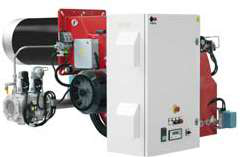
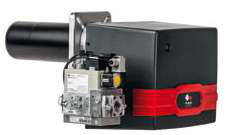
When installing industrial gas or oil burners—such as the FBR GAS XP 60/2 CE TC EVO two-stage gas burner for industrial heating applications or the FBR KN 1300/M TL EL dual-fuel heavy oil burner with modulating control—pressure system setup is among the first critical steps.
Pre-Commissioning Checklist
- Verify all pressure gauges are calibrated and mounted at visible locations
- Confirm isolation valves are accessible and clearly labeled
- Test pressure switch setpoints independently before system integration
- Install temporary pressure recorders to capture system behavior during first startup cycle
- Brief operating staff on normal pressure ranges and alarm thresholds
Initial Startup Sequence
1. With the fuel valve closed and burner off, slowly open the fuel supply isolation valve while monitoring system pressure. Pressure should stabilize at supply pressure (typically 3–6 bar for gas, 10–15 bar for oil).
2. Activate the forced-draft fan and confirm combustion air pressure rises to setpoint (typically 20–50 mbar depending on burner design). If air pressure is insufficient, check ductwork for blockages or damper misalignment.
3. Request the safety relay to attempt ignition. The burner should light cleanly with stable flame. If ignition fails, verify fuel pressure and air pressure are both present before troubleshooting the ignition electrode or pilot system.
4. Allow the burner to run at 30–40% load for 15 minutes, monitoring pressure stability. Observe whether pressures drift, which would indicate internal pump cavitation or relief valve creep.
5. Increase load to 100% and repeat monitoring. Pressure should rise slightly and stabilize. If pressure continues climbing, the fuel pump discharge pressure is too high—this will cause fuel nozzle wear and poor combustion.
Conclusion: Pressure Mastery as Foundation for Burner Reliability
Burners & Combustion system reliability depends fundamentally on precise pressure control and monitoring. By selecting appropriate pressure switches, integrating them properly with safety relays, and accounting for Singapore's unique climate challenges, industrial professionals can achieve years of trouble-free burner operation.
3G Electric's 35+ years as a distributor of industrial equipment means we understand the complete lifecycle of burner systems—from specification and commissioning through troubleshooting and preventive maintenance. Our technical team is equipped to help you select pressure monitoring solutions that match your specific application, environment, and regulatory requirements.
Invest in understanding your burner's pressure system today, and you'll prevent costly shutdowns, extend equipment life, and optimize fuel efficiency tomorrow.